
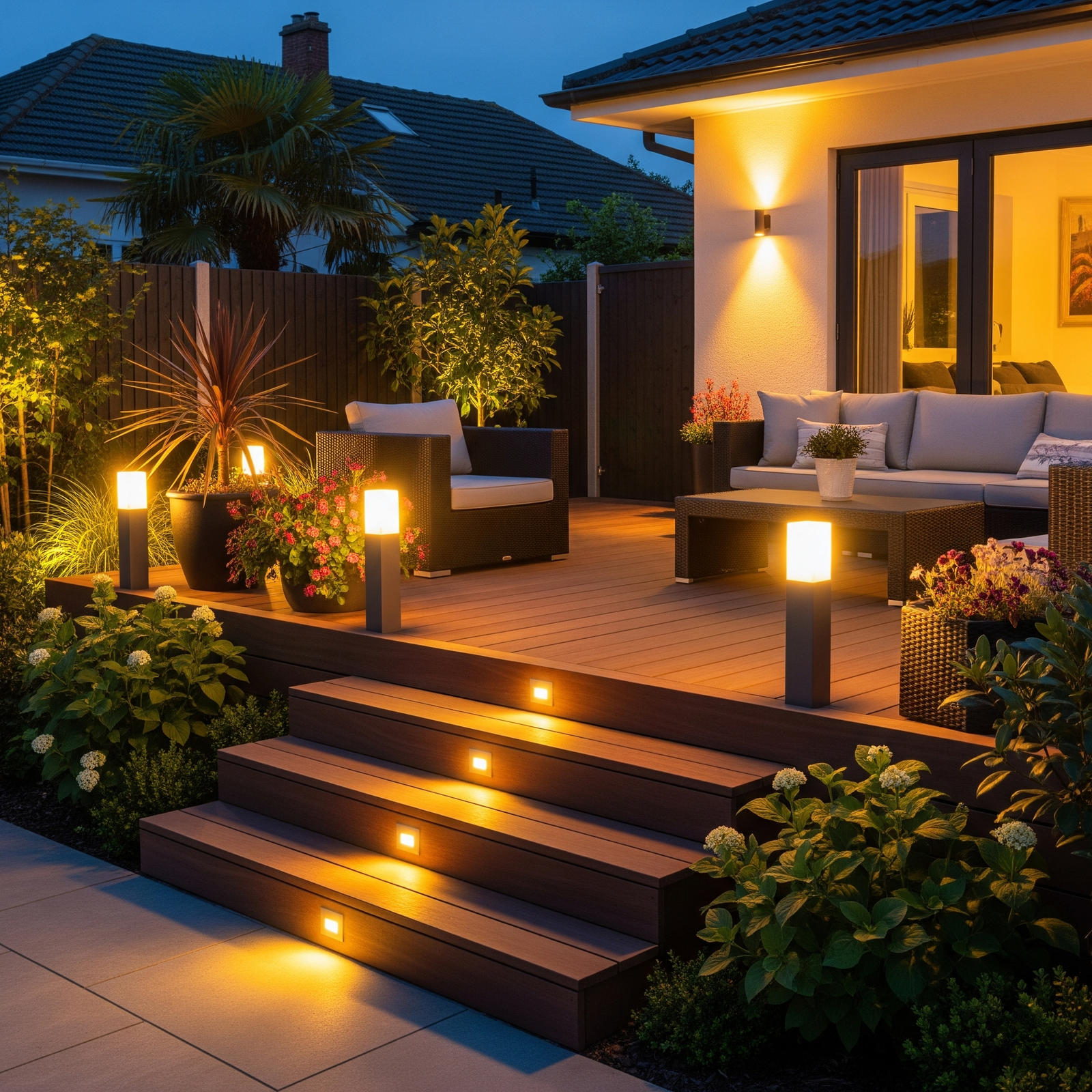
Are your outdoor steps safe and inviting when the sun goes down? Proper lighting can transform your steps from a hidden hazard into a welcoming path.
Imagine how easy it would be to navigate your stairs confidently, avoiding trips and falls every time you step outside. You’ll discover simple, effective ways to light your outdoor steps that boost safety and add charm to your home’s entrance.
Keep reading to find out how a few smart lighting choices can make a big difference for you and your guests.
Choosing The Right Lighting Fixtures
Choosing the right lighting fixtures for outdoor steps is key to safety and style. The fixtures must provide enough light to prevent trips and falls. They also need to blend well with your outdoor decor. Picking the perfect lights means balancing brightness, durability, and design. Understanding the options will help you make the best choice for your home.
Led Vs. Solar Lights
LED lights use electricity and offer bright, consistent light. They last long and use little energy. Solar lights charge during the day with sunlight. They are easy to install and save on electric bills. Solar lights might be less bright than LEDs. Choose LED for stronger lighting and solar for easy setup.
Weather-resistant Options
Outdoor steps face rain, snow, and heat. Lighting fixtures must resist water and extreme weather. Look for fixtures with a good IP rating, showing protection level. Materials like stainless steel, aluminum, and plastic handle weather well. Weatherproof lights last longer and keep your steps safe year-round.
Style And Design Considerations
Lighting styles affect your outdoor space’s look. Choose fixtures that match your home’s style, like modern, rustic, or classic. Consider light color—warm white creates a cozy feel, cool white is sharper. Fixture shapes and sizes matter for both function and beauty. Pick designs that highlight steps without overpowering them.
Placement For Optimal Safety
Proper placement of lighting on outdoor steps improves safety and visibility. It helps prevent trips and falls by showing each step clearly. Thoughtful positioning ensures even light coverage without harsh glare or dark spots. Safety depends on how lights highlight step edges and avoid shadows. Consistent spacing creates a smooth visual flow along the stairway. These ideas make outdoor steps safer to use at night and in low light.
Highlighting Step Edges
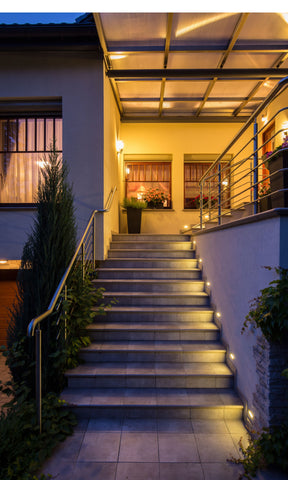
Lighting should focus on the edges of each step. This shows where one step ends and the next begins. Edge lighting reduces the risk of missteps and falls. Use low-level lights or LED strips along the stair nose. The light should be bright enough to be seen but not blinding. Proper edge illumination guides foot placement clearly in the dark.
Avoiding Shadows And Glare
Place lights to minimize shadows that hide parts of the steps. Shadows create hidden dangers and confuse the eye. Position fixtures slightly in front or above the steps. Avoid lights shining directly into the eyes of users. Use diffused or downward-facing lights to reduce glare. Balanced lighting improves depth perception and comfort on stairs.
Consistent Spacing Techniques
Even spacing of lights along the staircase creates uniform brightness. Place fixtures at equal distances to avoid dark patches. Consistency helps users adjust their eyes quickly to the lighting. Consider lighting both sides of wide stairs for balance. For narrow steps, a single line of lights works well. Proper spacing makes the stairway inviting and safe to walk on.
Enhancing Aesthetic Appeal
Lighting outdoor steps is not just about safety. It also adds beauty to your space. Enhancing aesthetic appeal transforms ordinary steps into a charming feature. The right lighting creates mood and highlights design. It blends function with style, making your outdoor area inviting and elegant.
Color Temperature Choices
Choosing the right color temperature affects the look of your steps. Warm white light (2700K-3000K) gives a cozy, soft glow. It works well with natural materials like wood and stone. Cool white light (4000K-5000K) feels bright and modern. It suits sleek, contemporary designs and metal finishes.
Neutral white light (3500K) balances warmth and brightness. It highlights details without being too harsh or too soft. Consider the overall lighting theme in your yard before picking a color temperature.
Integrating With Landscape Design
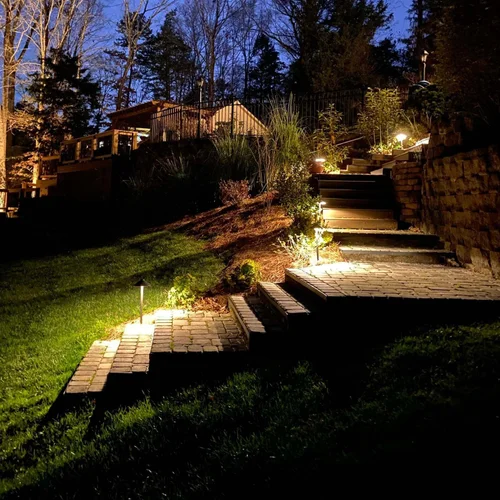
Step lighting should match your landscape design. Use fixtures that blend with plants, paths, and walls. Hide lights in flower beds or under railings for subtle effects. Place lights to create shadows and depth around steps. This adds dimension and interest.
Choose materials and colors for fixtures that complement your outdoor decor. Consistency in style makes the space feel cohesive and well-planned. Well-integrated lighting enhances the natural beauty of your garden.
Accent Lighting For Ambiance
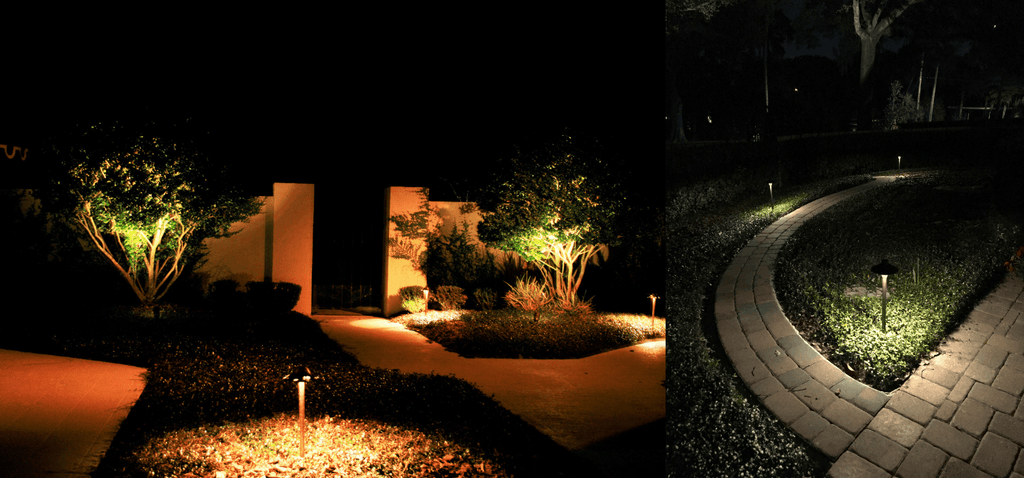
Accent lighting adds personality and charm to outdoor steps. Use spotlights or LED strips to focus on step edges or textures. This creates a gentle glow that invites guests to explore.
Dimmer controls help adjust brightness for different moods. Soft lighting encourages relaxation, while brighter light improves visibility. Mixing accent lights with path lights creates a layered effect that feels warm and welcoming.
Credit: kingsoutdoorlighting.com
Energy Efficiency And Sustainability
Lighting your outdoor steps doesn’t have to mean high energy bills or a big carbon footprint. Choosing energy-efficient and sustainable lighting options can save you money and help the planet. It’s about making smart choices that offer safety and style without waste.
Solar Power Benefits
Solar-powered step lights draw energy directly from the sun, which means no electricity cost for you. They charge during the day and glow softly at night, providing just enough light to guide your way. Have you noticed how some solar lights even adjust brightness based on available sunlight? This feature ensures they last longer through the night.
Installing solar lights is simple since they don’t require wiring. You can place them exactly where you need without worrying about cords. Plus, many models come with built-in sensors that turn the lights on only when it’s dark or when someone approaches, saving energy even more.
Low-voltage Options
Low-voltage lighting uses less electricity than standard fixtures, reducing your energy consumption significantly. These systems operate at 12 volts instead of the usual 120 volts, making them safer to install around steps. If you’ve ever struggled with complicated wiring, low-voltage setups are easier and less risky.
Because they use less power, low-voltage lights can be paired with timers or dimmers to control brightness and runtime. You get the flexibility to light your steps only when needed. This approach minimizes waste and extends the lifespan of your bulbs.
Smart Lighting Solutions
Smart lighting lets you control your outdoor step lights from your phone or through voice commands. Imagine turning on your step lights only when you’re about to arrive home. This precision cuts down unnecessary energy use and adds convenience to your daily routine.
Many smart systems include motion sensors that activate lights only when someone approaches. Have you tried setting scenes or schedules to match your lifestyle? These features help tailor light usage exactly to your needs, reducing electricity waste.
Using timers, dimmers, and sensors together can transform your outdoor step lighting into an energy-saving system that works for you. Which smart feature would you find most useful for your outdoor steps?
Installation Tips And Techniques
Installing lighting on outdoor steps can transform your space, making it safer and more inviting. However, the installation process requires careful planning and attention to detail to ensure the lights function correctly and safely. Here are some practical tips and techniques to help you with your project.
Diy Vs. Professional Installation
Deciding whether to install outdoor step lighting yourself or hire a professional depends on your comfort level with electrical work. If you have some basic electrical knowledge and enjoy hands-on projects, DIY can save money and give you full control. But if you feel unsure about wiring or local electrical codes, a professional ensures the job meets safety standards and avoids future headaches.
Remember, outdoor lighting involves exposure to weather and potentially wet conditions. A professional can recommend and install weatherproof fixtures and connections that last longer. Ask yourself: Are you confident handling outdoor electrical setups, or would you prefer peace of mind?
Wiring And Electrical Safety
Safety should be your top priority when wiring outdoor step lights. Always turn off the power at the breaker before starting any electrical work. Use outdoor-rated wires and connectors designed to withstand moisture and temperature changes.
Ground fault circuit interrupters (GFCIs) are essential for outdoor lighting circuits. They prevent electric shocks by shutting off power if a fault occurs. Check local codes for wiring requirements and consider waterproof junction boxes to protect connections from rain and dirt.
Tools And Materials Needed
Gathering the right tools and materials simplifies installation and improves results. You’ll need:
- Outdoor-rated LED step lights or solar lights
- Weatherproof wiring and connectors
- Wire stripper and cutter
- Drill with masonry bits (for concrete or stone steps)
- Screwdriver set
- Voltage tester
- Electrical tape and waterproof junction boxes
- Measuring tape and pencil for marking
Having these ready before you start saves time and frustration. What tools do you already have, and what might you need to pick up for this project?
Credit: www.limelightoutdoorlighting.com
Maintenance And Troubleshooting
Keeping your outdoor step lights in top shape ensures safety and enhances your home’s curb appeal. Regular maintenance prevents small issues from turning into costly repairs. Let’s look at how you can care for your lights and quickly fix common problems.
Routine Cleaning And Care
Outdoor step lights face dirt, rain, and bugs daily. Clean them gently with a soft cloth and mild soap every few weeks. Avoid harsh chemicals that can damage the finish or the light’s lens.
Check for cobwebs and leaves hiding around the fixtures. Removing debris not only keeps your lights bright but also prevents overheating. Have you noticed how a clean lens can make a huge difference in brightness?
Replacing Bulbs And Batteries
Light bulbs and batteries don’t last forever. When your lights dim or stop working, it’s often time to replace these parts. Use the correct wattage bulbs and compatible batteries to avoid damage.
Keep spare bulbs and batteries handy near your outdoor steps. This way, you won’t be left in the dark if a light suddenly goes out. How often do you check your outdoor lighting for power issues?
Solving Common Issues
If your lights flicker or don’t turn on, first check the power source. Loose connections or damaged wires are common culprits. Tighten any screws and inspect wiring for wear.
For solar-powered lights, ensure panels are clean and exposed to sunlight. Shadows or dirt can reduce charging efficiency. Sometimes, a simple reset or repositioning fixes the problem quickly.
Have you ever discovered a small fix that saved you a service call? Share your troubleshooting tips and help others keep their outdoor steps safe and well-lit.
Credit: www.truelumens.com
Frequently Asked Questions
What Are The Best Lights For Outdoor Steps?
LED strip lights and solar-powered step lights are ideal. They offer bright, energy-efficient, and weather-resistant illumination for safety and aesthetics.
How Do I Install Lighting On Outdoor Steps Safely?
Use low-voltage lighting and waterproof fixtures. Ensure wiring is hidden and properly grounded to prevent electrical hazards and meet safety codes.
Can Solar Lights Effectively Illuminate Outdoor Steps?
Yes, solar lights are effective for outdoor steps. They charge during the day and provide eco-friendly, cost-free lighting at night.
How Much Lighting Is Needed For Outdoor Steps?
Each step should receive about 1 to 2 lumens for clear visibility. Even lighting reduces shadows and enhances safety.
Conclusion
Proper lighting makes outdoor steps safer and more attractive. Choose lights that suit your style and needs. Place them evenly to avoid dark spots and shadows. Use energy-efficient bulbs to save power and money. Regular maintenance keeps lights working well and lasting longer.
Well-lit steps welcome guests and prevent accidents at night. Bright ideas bring both safety and beauty to your outdoor space. Take small steps today for a safer, brighter walkway tomorrow.

