
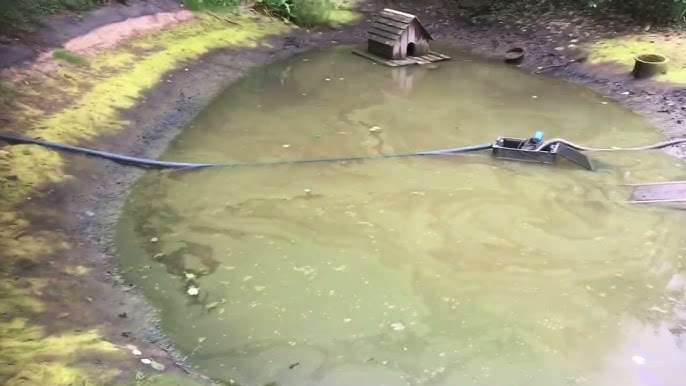
Keeping your pond liner clean is key to maintaining a beautiful and healthy pond. But if you’re unsure how to tackle the dirt, algae, or debris building up on it, you’re not alone.
What if cleaning your pond liner could be simple, quick, and even satisfying? You’ll discover easy steps to get your pond liner spotless, protect it from damage, and enjoy clearer water. Ready to transform your pond without stress or expensive tools?
Let’s dive in and make your pond shine again.

Credit: www.reddit.com
Essential Tools And Materials
Cleaning your pond liner effectively means having the right tools and materials on hand. Without these essentials, the job can become frustrating and less effective. Gathering everything before you start saves time and helps you avoid unnecessary trips to the store.
Basic Cleaning Supplies
- Soft Brush or Sponge:Use a soft-bristled brush or sponge to scrub away algae and dirt gently. Avoid anything abrasive that could damage the liner.
- Bucket:A sturdy bucket helps you carry water and cleaning solutions easily around your pond.
- Garden Hose:A hose with a spray nozzle is perfect for rinsing off loosened debris after scrubbing.
Cleaning Solutions
Choosing the right cleaning solution is crucial. Harsh chemicals can harm aquatic life and damage your liner.
- Vinegar:A mild, natural cleaner that breaks down algae without hurting your pond’s ecosystem.
- Mild Dish Soap:Use sparingly to clean stubborn spots but rinse thoroughly to avoid residue.
- Commercial Pond Cleaner:If you prefer a ready-made option, pick one labeled safe for fish and plants.
Protective Gear
Your safety matters just as much as the pond’s health. Wearing the right gear keeps you comfortable and protected during cleaning.
- Rubber Gloves:Protect your hands from dirty water and cleaning agents.
- Waterproof Boots:Keep your feet dry and avoid slipping on wet surfaces.
- Safety Glasses:Guard your eyes from splashes when rinsing or scrubbing vigorously.
Have you ever started cleaning only to realize you’re missing a key tool? Taking a moment to check your supplies can make the process smoother and more enjoyable. What tools do you find indispensable when caring for your pond?
Preparing The Pond
Preparing your pond before cleaning the liner is a crucial step that sets the stage for a smooth and effective process. Proper preparation minimizes stress on your aquatic life and helps you avoid damage to the liner. Taking the time to carefully drain the water and relocate fish and plants ensures your pond remains healthy and vibrant after cleaning.
Draining The Water
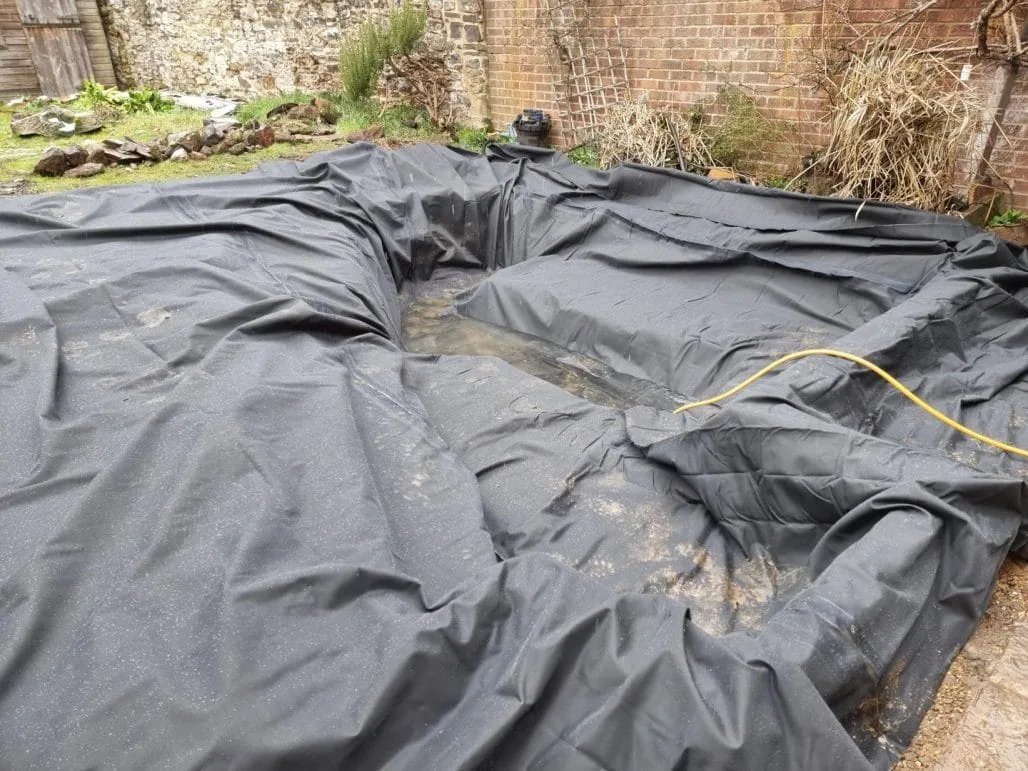
Start by removing the pond water to access the liner easily. Use a submersible pump or a siphon hose to drain the water into a safe area like your garden, where it can nourish plants. Avoid draining all water if you have sensitive aquatic life; leaving some water can help reduce shock to the environment.
Take care to drain slowly to prevent disturbing sediments that might clog your pump. Watching the water level drop gives you a good chance to spot any damage to the liner you might have missed before. Have you noticed any patches or tears during draining?
Relocating Fish And Plants
Before cleaning, you must safely move fish and plants out of the pond. Prepare a temporary container with pond water to keep fish comfortable. Aerate the water using a battery-operated air pump to maintain oxygen levels during this transition.
For plants, gently uproot and place them in buckets with pond water. This protects their roots and keeps them healthy while you work on the liner. Handling your pond inhabitants with care prevents unnecessary stress and keeps your ecosystem balanced.
Scrubbing The Liner
Scrubbing the pond liner is a key part of keeping your pond clean and healthy. It helps remove algae, dirt, and debris that build up over time and can harm your aquatic plants and fish. Taking the time to scrub the liner properly will extend its life and keep your pond looking fresh.
Choosing The Right Brush
Picking the right brush for scrubbing your pond liner can make a big difference. A soft-bristle brush is usually best because it cleans effectively without damaging the liner material. Avoid wire brushes or anything too abrasive, as these can cause small tears or scratches.
Think about the size and shape of your pond too. Long-handled brushes help you reach deeper or larger areas without getting wet. For tight corners or curves, a smaller brush or sponge might work better. Have you noticed how much easier the job gets with the right tool in hand?
Using Eco-friendly Cleaners
Choosing eco-friendly cleaners is important to protect the pond’s ecosystem. Harsh chemicals can harm fish, plants, and beneficial bacteria living in your pond. Look for biodegradable, non-toxic solutions designed specifically for pond liners.
You can also use simple household items like diluted vinegar or baking soda for gentle cleaning. These natural options work well against algae and grime without leaving harmful residues. How often do you check the ingredients of your cleaning products to ensure they’re safe for your pond?
Rinsing And Removing Debris
Rinsing and removing debris is a key step in cleaning your pond liner. This process clears dirt, leaves, and algae that collect on the liner’s surface. Proper rinsing helps keep the pond healthy and extends the liner’s life. Using the right tools and techniques makes this task easier and more effective.
Using A Hose Effectively
Start by using a garden hose with a spray nozzle. Adjust the nozzle to a strong, steady spray. Direct the water across the liner surface to wash away loose dirt and debris.
Move the spray in sweeping motions to cover all areas evenly. Avoid using too much pressure to prevent damage to the liner. Focus on corners and edges where debris often gathers.
Clearing Stubborn Algae
Stubborn algae may not come off with water alone. Use a soft brush or sponge to gently scrub affected areas. Work in small sections to avoid missing spots.
For tough algae, apply a pond-safe algae cleaner before rinsing. Let it sit for the recommended time, then scrub and rinse thoroughly. This method removes algae without harming pond plants or fish.
Inspecting For Damage
Inspecting the pond liner for damage is a key part of pond maintenance. Small tears or leaks can cause big problems over time. Regular checks help keep your pond water clear and safe for plants and fish.
Take your time to carefully examine the entire liner surface. Pay special attention to areas near edges and under rocks or decorations. These spots often show wear first. Early detection means easier fixes and less water loss.
Identifying Tears And Leaks
Look closely for any cuts, holes, or cracks in the liner. These may appear as small punctures or stretched areas. Check for wet spots outside the pond or lower water levels inside. These signs often point to leaks.
Use a flashlight to shine under rocks or dark areas. This helps spot damage hidden in shadows. Run your hand over the liner to feel for rough or uneven patches. Such textures can reveal weak spots prone to tearing.
Repairing Minor Damage
Small tears and holes can be fixed with a patch kit made for pond liners. Clean the damaged area thoroughly before applying the patch. Make sure the liner is dry and free from dirt or algae.
Cut a patch slightly larger than the damaged spot. Apply adhesive to both the patch and liner. Press the patch firmly onto the tear and smooth out air bubbles. Let it dry completely before refilling the pond.
Check the repair regularly to ensure it holds well. Fixing minor damage quickly prevents bigger leaks and costly repairs later.
Credit: www.aquapond.co.uk
Re-filling The Pond
Refilling the pond is a key step after cleaning the pond liner. The right water ensures a healthy environment for plants and fish. It protects the pond from damage and keeps the ecosystem balanced.
Safe Water Sources
Use water free from chemicals and pollutants. Rainwater is ideal because it is natural and soft. Tap water can be used but may need treatment first.
- Avoid water with chlorine or chloramine.
- Check for heavy metals or salts in the water.
- Consider using water conditioners to remove harmful substances.
Collect water from a clean, uncontaminated place to keep the pond safe.
Balancing Ph Levels
Test the water’s pH before filling the pond. The pH should be between 6.5 and 8.5 for most ponds. Too high or low pH harms fish and plants.
- Use pH test kits for easy measurement.
- Add pH adjusters carefully to avoid sudden changes.
- Test pH regularly to maintain stability.
Balanced pH supports a healthy pond environment and prevents stress on aquatic life.
Reintroducing Fish And Plants
After thoroughly cleaning your pond liner, it’s time to bring back the life that makes your pond vibrant—your fish and plants. This step requires careful attention to ensure the environment is safe and welcoming for them. Rushing this process can stress aquatic life and undo your hard work.
Ensuring Safe Conditions
Before reintroducing fish and plants, test the water quality. Check parameters like pH, ammonia, nitrite, and nitrate levels. You want these to be within safe ranges to avoid harming your pond inhabitants.
Allow the pond to stabilize for a few days after cleaning. Sudden changes in temperature or chemical balance can shock fish. Adding beneficial bacteria can help reestablish a healthy ecosystem faster.
Think about the type of plants and fish you had before. Are they native or well-suited to your pond’s environment? This consideration will increase the chances of survival and growth.
Monitoring Pond Health
Once fish and plants are back, keep a close eye on their behavior and appearance. Healthy fish swim actively and eat well, while plants should show steady growth. If you notice anything unusual, such as lethargy or discoloration, act quickly.
Regular water testing is crucial in the weeks following reintroduction. Maintain a log to spot trends or sudden changes. This practice can help you catch problems early before they become serious.
Ask yourself: How often do you check your pond’s condition? Setting a schedule can make monitoring easier and more effective. Consistency is key to maintaining a thriving pond.
Regular Maintenance Tips
Regular maintenance keeps your pond liner clean and extends its life. Dirt, algae, and debris can build up quickly. Small efforts often prevent bigger problems later. Consistent care helps maintain a healthy pond environment. Follow simple tips for effective upkeep.
Routine Cleaning Schedule
Set a cleaning schedule based on pond size and surroundings. Check the liner every two weeks for visible dirt or algae. Remove leaves and debris using a net or soft brush. Avoid harsh scrubbing that can damage the liner. Use gentle cleaning agents safe for pond life if needed. Rinse thoroughly to remove all residues. Keep water clear to reduce algae growth.
Seasonal Care Considerations
Adjust maintenance tasks with changing seasons. In spring, remove winter debris and inspect the liner for damage. Clean algae buildup before it spreads. Summer needs more frequent cleaning due to faster algae growth. Use shade or plants to control sunlight and temperature. In autumn, clear fallen leaves regularly to prevent decay. Winter requires checking for ice damage and removing snow. Proper seasonal care protects the liner year-round.

Credit: www.youtube.com
Frequently Asked Questions
How Often Should I Clean My Pond Liner?
Cleaning your pond liner every 3 to 6 months prevents algae buildup and debris accumulation. Regular cleaning keeps water clear and healthy for fish and plants.
What Is The Best Method To Clean A Pond Liner?
Use a soft brush or sponge with mild soap and water. Avoid harsh chemicals to protect the liner and aquatic life.
Can I Use Pressure Washers On Pond Liners?
Low-pressure washers can be used cautiously. High pressure may damage the liner, causing leaks or tears.
How Do I Remove Algae From A Pond Liner?
Scrub gently with a soft brush and a mixture of water and vinegar. This natural method controls algae without harming the pond ecosystem.
Conclusion
Cleaning your pond liner keeps your water clear and healthy. Regular care stops dirt and algae from building up. Use gentle tools and safe cleaners for the best results. A clean liner helps your pond plants and fish thrive. Take small steps often to avoid big problems later.
Enjoy a beautiful pond all year round with simple cleaning. Keep your pond fresh, safe, and inviting for all to enjoy.

