
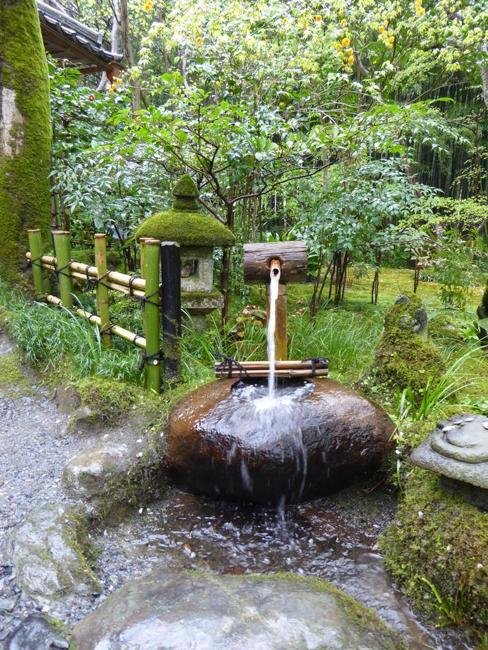
Are you looking to add a touch of calm and beauty to your outdoor space? Creating a Japanese style water feature might be just what you need.
Imagine the gentle sound of flowing water, the simple yet elegant design, and the peaceful atmosphere it brings to your garden. In this guide, you will discover easy steps to build your own water feature that captures the essence of Japanese tranquility.
Keep reading, and you’ll learn how to transform your space into a serene retreat that you’ll love spending time in.
Credit: www.lushome.com
Choosing The Right Location
Choosing the right location is crucial for a Japanese style water feature. The spot sets the tone and mood of your garden. A well-chosen place enhances the natural beauty and creates a peaceful atmosphere. Think about light, space, and how the feature fits with other elements.
Consider Sunlight And Shade
Japanese water features work best in soft light. Too much sun can heat the water and harm plants. Choose a place with morning sun and afternoon shade. This balance keeps the water cool and clear.
Ensure Easy Access And Viewing
Place the water feature where you can see and enjoy it often. Near a path, patio, or seating area is ideal. This invites relaxation and meditation by the gentle sound of water.
Check The Ground And Drainage
Select a flat, stable area to avoid water pooling. Good drainage prevents water overflow and damage. Avoid spots near trees with heavy roots that can harm the structure.
Match Surroundings And Style
Pick a location that blends well with natural elements like rocks, plants, and wood. The feature should feel part of the garden, not separate. Simplicity and harmony are key in Japanese design.

Credit: www.hamptons.co.uk
Selecting Materials
Choosing the right materials shapes the entire feel of your Japanese style water feature. Each element you pick should blend naturally and support the tranquil atmosphere you’re aiming for. Think about how the textures, colors, and durability will work together before making your selections.
Natural Stone Options
Natural stone is the backbone of many Japanese water features. Granite, river rocks, and slate are popular choices because they offer rugged beauty and withstand outdoor conditions well.
Granite provides a polished look but stays earthy, while river rocks add softness with their smooth curves. Slate, with its layered texture, gives a more structured appearance. Consider how these stones feel under your hands—do they inspire calm or energy?
Bamboo And Wood Elements
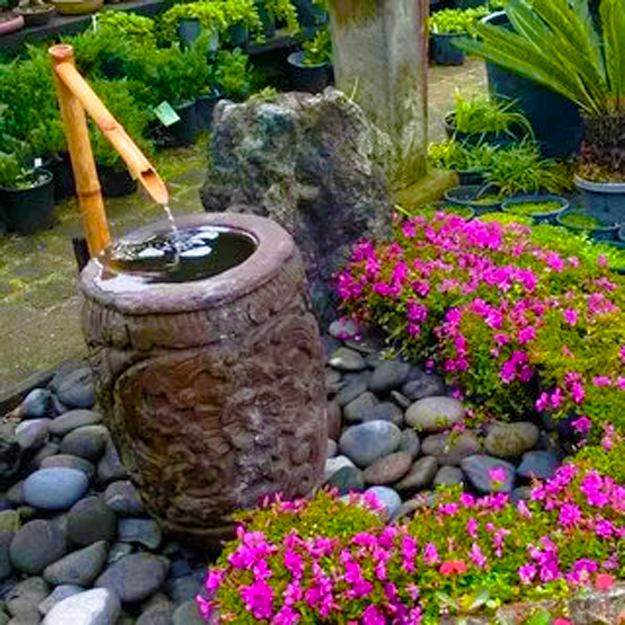
Bamboo and wood bring warmth and tradition to your water feature. Bamboo can serve as water spouts or decorative accents, creating soothing sounds as water trickles through.
Wooden platforms or edging can frame the water elegantly. Make sure to use treated or naturally water-resistant wood to prevent quick decay. Have you thought about how the natural scent and texture of wood might change your space?
Water Feature Accessories
Accessories like ladles, lanterns, and small statues add personality and authenticity. A simple bamboo ladle can invite interaction, encouraging you to pause and enjoy the moment.
Stone lanterns not only illuminate but also create focal points. Choose accessories that complement rather than overpower your water feature. What small detail could make your design uniquely yours?
Designing The Water Feature
Designing your Japanese style water feature is where creativity meets tradition. The choices you make here will define the atmosphere of your space, whether it’s a calm retreat or a modern escape. Understanding different styles and how cultural elements fit in will help you build a feature that feels authentic and personal.
Traditional Japanese Styles
Traditional Japanese water features often emphasize simplicity and natural beauty. Look for elements like stone basins (tsukubai), bamboo spouts, and gravel or moss beds that surround the water. These features encourage quiet reflection and harmony with nature.
Think about how the sound of dripping water can enhance your garden’s peace. Adding a shishi-odoshi, a bamboo water fountain designed to startle animals, also brings a rhythmic, calming noise. These designs don’t need to be large—small, thoughtfully placed features often have the strongest impact.
Modern Zen Variations
Modern Zen water features keep the tranquility but add sleek, minimalist touches. You might use smooth concrete or metal bowls instead of traditional stone. These materials create clean lines that contrast beautifully with natural plants or rocks.
Consider how lighting can change the mood in the evening. Soft LED lights under water or around the feature highlight textures and create a peaceful ambiance. This approach works well if you want a contemporary look without losing the essence of Zen calm.
Incorporating Cultural Symbols
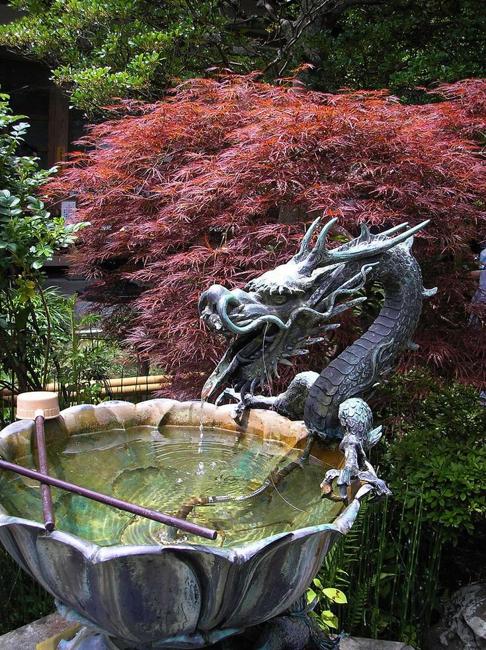
Adding cultural symbols can deepen the meaning of your water feature. Common motifs include koi fish, lotus flowers, and cranes, each symbolizing different virtues like perseverance, purity, and longevity. You can add these through sculptures, carvings, or subtle water patterns.
Reflect on what these symbols mean to you and how they fit with your garden’s story. Sometimes a small, personal symbol creates a connection that makes the feature feel truly yours. How might these symbols inspire your daily moments of calm?
Credit: www.lushome.com
Installation Process
Installing a Japanese style water feature is a rewarding project that brings tranquility right into your outdoor space. The process requires careful attention to detail, ensuring each element fits perfectly to create a harmonious flow. Let’s break down the key steps you’ll take during installation, so you can approach the task with confidence and clarity.
Preparing The Ground
Start by choosing the right location for your water feature. It should be visible from a favorite seating area and receive a balance of sunlight and shade.
Clear the area of debris and vegetation. You want a level surface to build on, so use a shovel or rake to smooth the ground.
Consider the soil type. If it’s too sandy or loose, compact it or add a layer of gravel to stabilize the base. Have you checked if the spot holds water naturally or drains well?
Building The Structure
Next, create the framework that will hold your water. Traditional Japanese style features often use natural stones or wood, so gather materials that suit your aesthetic.
Lay stones carefully to form the basin or pond shape. Make sure each stone fits snugly to avoid leaks.
If you’re using wood, treat it to resist moisture, then assemble the frame securely. Take your time here; a sturdy base prevents future repairs and keeps water in place.
Installing Water Flow Systems
Water flow is the heart of your feature. Start by placing a water pump in the basin. Choose a pump with adjustable flow rates to match the gentle, calming movement typical of Japanese designs.
Run tubing from the pump to the water outlet, such as a bamboo spout or stone basin. Hide the tubing under rocks or soil to maintain a natural look.
Test the system before finalizing. Adjust the pump speed and check for leaks or splashing. How does the sound of flowing water change the atmosphere in your garden?
Enhancing With Plants And Decor
Enhancing a Japanese style water feature with plants and decor creates a peaceful, natural space. Thoughtful choices in plants and decorative items add beauty and balance. Soft lighting completes the scene, highlighting key elements and setting a calm mood.
Choosing Appropriate Plants
Select plants that reflect simplicity and harmony. Moss, ferns, and bamboo fit well with Japanese water features. Use low-growing plants near the water’s edge to keep the design neat. Choose greenery that thrives in your climate and suits the light available.
- Moss for ground cover and soft texture
- Ferns for a lush, green backdrop
- Bamboo for vertical interest and tradition
- Water lilies or lotus for floating elegance
Adding Decorative Elements
Decorative items bring cultural meaning and charm. Stone lanterns, small statues, and smooth river rocks are popular choices. Place these items carefully to maintain balance and avoid clutter. Natural materials keep the look authentic and soothing.
- Stone lanterns to add a traditional touch
- Small statues like Buddha or cranes
- Rounded river rocks around the pond edge
- Wooden bridges or stepping stones for paths
Lighting Considerations
Lighting enhances the water feature’s beauty at night. Use soft, warm lights to mimic natural moonlight. Position lights to highlight plants, water movement, and decorative pieces. Solar or low-voltage LED lights work well and save energy.
- Underwater lights for glowing water effects
- Spotlights on focal plants or decor
- Path lights for safe navigation
- Timers to control lighting duration
Maintenance Tips
Maintaining a Japanese style water feature keeps it beautiful and peaceful. Proper care helps the water stay clear and plants healthy. Regular attention prevents damage and keeps the feature working well. Follow simple steps to ensure your water feature lasts long and looks great.
Regular Cleaning
Remove leaves and debris from the water daily. Clean the pump and filter monthly to avoid clogs. Use a soft brush to clean rocks and surfaces gently. Avoid harsh chemicals that can harm plants and fish. Keep the area around the water feature tidy to reduce dirt and waste.
Water Quality Management
Test the water weekly for pH, ammonia, and nitrate levels. Use natural treatments to balance the water if needed. Change part of the water every two weeks to keep it fresh. Add aquatic plants to help absorb excess nutrients. Avoid overfeeding fish to prevent water pollution.
Seasonal Adjustments
In spring, check for winter damage and clean the entire feature. Summer needs more frequent water checks and topping up due to evaporation. Fall requires removing fallen leaves quickly to avoid decay in water. Winter might need a heater or aerator to keep fish safe. Adjust care routines according to the season’s needs.
Frequently Asked Questions
What Materials Are Best For A Japanese Water Feature?
Natural materials like bamboo, stone, and wood create an authentic Japanese water feature. These materials blend well with nature and provide a serene atmosphere.
How Do I Maintain A Japanese Style Water Feature?
Regularly clean the water and remove debris. Check the pump for clogs and ensure water levels stay consistent to prevent damage.
Can I Add Plants To A Japanese Water Feature?
Yes, adding plants like moss, ferns, and water lilies enhances the natural look and supports local wildlife around the water feature.
What Size Should A Japanese Water Feature Be?
Japanese water features vary, but typically small to medium sizes fit well in gardens. Scale it to your available space for balance.
Conclusion
Creating a Japanese style water feature brings calm and beauty to your space. Use natural stones, plants, and flowing water for a peaceful feel. Keep the design simple and balanced to reflect nature’s harmony. Small details matter, like lanterns or bamboo elements.
Enjoy the quiet sounds and gentle movements every day. With patience and care, you can build a lovely retreat. Your garden will become a place to relax and refresh your mind. Try it step by step and watch your space transform.

