
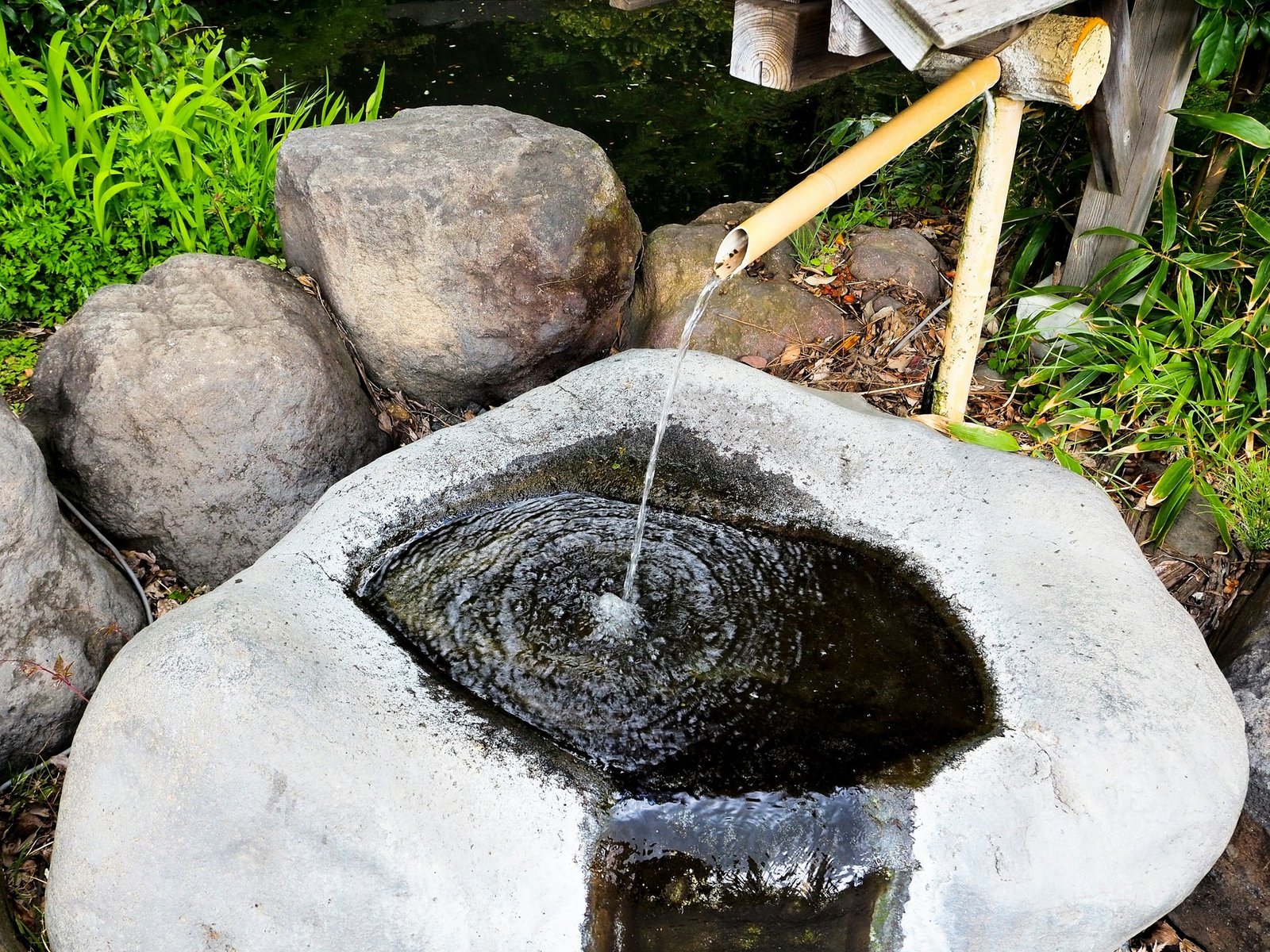
Are you looking to give your fountain a fresh, natural look? Adding stones to your fountain base can transform its appearance instantly, making it more attractive and calming.
But how do you do it right without making a mess or damaging your fountain? You’ll discover simple, step-by-step tips to add stones that enhance both beauty and function. Keep reading to learn how to create a stunning fountain base that draws attention and brings peace to your space.
Choosing The Right Stones
Choosing the right stones for your fountain base enhances its beauty and durability. Stones protect the base from water damage and create a natural look. Picking stones that fit your fountain’s style ensures a pleasing appearance. Consider the types, size, shape, color, and texture of stones carefully. These factors affect both function and style.
Types Of Stones
Natural stones offer a timeless and classic look. Common options include river rocks, slate, and granite. Each type has unique qualities:
- River rocks:Smooth and rounded, perfect for a soft, natural feel.
- Slate:Flat and layered, adds a sleek, modern touch.
- Granite:Durable and rough, ideal for a rugged appearance.
Certain stones resist water better, helping prevent damage over time. Choose stones that match your climate and fountain use.
Size And Shape Considerations
Stone size affects stability and water flow around the fountain. Large stones create a strong base but may block water movement. Small stones offer better drainage but can shift easily.
Shape matters too. Rounded stones blend well in natural settings. Flat stones stack nicely for a neat look. Mix sizes and shapes to balance function and style.
Color And Texture Selection
Color sets the mood around your fountain. Light stones brighten the area. Dark stones add contrast and depth.
Texture influences touch and appearance. Smooth stones feel gentle, while rough stones provide a rustic charm. Match texture with your garden or patio style.
Choose colors and textures that complement your fountain and surroundings. This harmony boosts overall appeal and satisfaction.
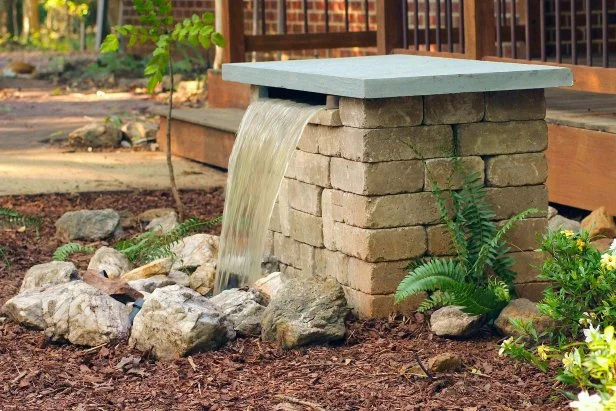
Credit: www.hgtv.com
Preparing The Fountain Base
Preparing the fountain base is essential before adding stones. A clean and well-maintained base ensures the stones sit properly. It also helps keep the fountain functioning smoothly and safely. Taking time to prepare the base improves the overall look and longevity of your fountain.
Cleaning The Base
Remove all debris and dirt from the fountain base. Use a soft brush or cloth to scrub away algae and grime. Rinse the base with clean water to wash away loosened dirt. Let the base dry completely before placing any stones.
Ensuring Water Flow
Check that water flows freely in the fountain. Clear any blockages in the pump or water channels. Test the water circulation to confirm it works well. Proper water flow prevents damage and keeps the fountain attractive.
Safety Precautions
Turn off the fountain and unplug it before working on the base. Wear gloves to protect your hands from sharp edges or rough surfaces. Keep electrical parts away from water during cleaning. Follow these steps to avoid accidents and damage.
Arranging Stones For Aesthetic Appeal
Arranging stones around your fountain base is more than just filling space—it’s about creating a visual story that complements your water feature. How you place each stone affects the overall vibe of your garden, turning a simple fountain into a stunning centerpiece. Thoughtful arrangement invites you to engage with your outdoor space more deeply and enjoy its beauty every day.
Creating A Layered Effect
Think of layering stones like stacking pieces of a puzzle that fit naturally together. Start with larger, flatter stones at the bottom to form a solid foundation. Then add medium-sized stones, followed by smaller pebbles on top, creating depth and interest.
This layering not only enhances the look but also helps with water drainage and prevents stones from shifting. Have you noticed how natural streams arrange rocks? Mimicking that can make your fountain base feel more organic and balanced.
Balancing Colors And Textures
Mixing stones of different colors and textures keeps the arrangement lively and eye-catching. Pair smooth, dark river rocks with rough, light-colored granite to create contrast. Avoid clustering similar stones in one area to prevent monotony.
Try grouping stones in odd numbers—three or five stones together feel more natural than even groups. This subtle trick can make your fountain base look thoughtfully designed without being overdone.
Positioning For Maximum Impact
Place stones where they draw attention but don’t overpower the fountain itself. Highlight key spots like corners or around water outlets to guide the eye smoothly. You might want to angle some stones slightly to catch sunlight and create interesting shadows.
Consider how the stones look from different angles and distances—walk around your fountain as you arrange. What feels off from one view might be perfect from another, so don’t hesitate to move stones around until it feels just right.

Credit: www.outdoorfountainpros.com
Securing Stones In Place
Securing stones in place around your fountain base is key to creating a stable and visually appealing setup. Loose stones can shift, causing uneven surfaces or even damage to the fountain. Ensuring they stay put not only improves safety but also enhances the overall look of your water feature.
Using Adhesives
Adhesives designed for outdoor use provide a strong bond that keeps stones firmly in place. Choose waterproof, weather-resistant glue to withstand rain and sun exposure. Apply the adhesive carefully to the base of each stone before setting it down to avoid mess and ensure a clean finish.
I once used construction adhesive on my garden fountain stones and was surprised at how well they held up through heavy rainstorms. The key is to let the glue cure fully before adding water to the fountain. This simple step prevents stones from loosening over time.
Incorporating Natural Supports
Natural supports like soil, sand, or gravel can help lock stones together without adhesives. Layering gravel beneath the stones creates a sturdy bed that cushions and stabilizes them. You can also nestle smaller stones between larger ones to fill gaps and reduce movement.
Think about how nature holds rocks in place on a riverbank. Mimicking this by stacking stones carefully and filling gaps with smaller pebbles adds stability and a more organic look. Have you noticed how tightly stones fit together in natural settings? Try to replicate that tight fit around your fountain base.
Ensuring Stability
Check stability by gently pressing on each stone after placement. Stones should feel solid and not wobble or shift. If any move, adjust their position or add more support underneath until stable.
Consider the fountain’s weight and water flow when securing stones. Heavier fountains may require stronger adhesives or deeper gravel beds. Water splashing can also loosen stones over time, so test stability by running the fountain briefly before finalizing your setup.
Maintaining The Stone Arrangement
Maintaining the stone arrangement around your fountain base keeps the area neat and attractive. Proper care prevents stones from shifting or becoming dirty. This helps your fountain look its best all year round.
Regular Cleaning Tips
Clean stones often to stop dirt and algae buildup. Use a soft brush to gently scrub the stones. Rinse with water to remove dust and debris. Avoid harsh chemicals that can damage stone surfaces. Regular cleaning keeps stones bright and fresh.
Checking For Loose Stones
Loose stones can cause an uneven look and create hazards. Check the stones weekly for any that have moved or fallen out. Press stones back into place or add a small amount of sand to secure them. Keeping stones tight maintains a stable and safe fountain base.
Seasonal Adjustments
Changes in weather affect the stone arrangement. During winter, remove debris like leaves and snow to prevent slipping. In spring, check for damage from frost or ice. Adjust stones as needed to keep the layout smooth and balanced. Seasonal care ensures long-lasting beauty and function.

Credit: www.youtube.com
Enhancing With Additional Features
Enhancing the base of your fountain with stones creates a stunning focal point. Adding features can elevate its beauty and ambiance. Small touches bring life and charm to the water display.
These enhancements do not require much effort but offer great rewards. They blend nature and design perfectly. Explore simple ideas to boost the appeal of your fountain base.
Lighting Options
Lighting adds warmth and magic to your fountain at night. Use waterproof LED lights for safety and durability. Place them under or around the stones for a glowing effect.
- Soft white lights create a calm atmosphere.
- Colored LEDs add a fun and vibrant look.
- Solar-powered lights save energy and are easy to install.
Lights highlight the texture of stones and water movement beautifully.
Incorporating Plants
Plants bring freshness and contrast to the stone base. Choose small, hardy plants that thrive near water. Succulents, ferns, or moss work well in this setting.
- Place plants in gaps between stones for a natural look.
- Use pots or small containers if planting in soil is not possible.
- Regular watering keeps plants healthy and vibrant.
Greenery softens the stone’s appearance and adds life.
Adding Water Features
Extra water elements increase the fountain’s charm and sound. Small waterfalls, bubblers, or spouts create gentle water movement. This attracts birds and soothes the senses.
- Install a bubbler to add bubbles and texture.
- Use a small pump for a waterfall effect.
- Combine stones with water flow for a natural stream look.
Water features make the fountain more dynamic and enjoyable.
Frequently Asked Questions
How Do I Choose The Right Stones For Fountain Base?
Select stones that complement your fountain’s style and color. Use smooth, non-porous stones to prevent algae growth. Opt for medium-sized stones to ensure proper water flow and easy maintenance.
Can I Add Stones To An Existing Fountain Base?
Yes, you can add stones to an existing fountain base. Clean the base thoroughly before placing stones. Arrange stones evenly to avoid blocking water circulation and maintain the fountain’s aesthetic.
What Tools Are Needed To Add Stones To Fountain Base?
You will need gloves, a bucket for stones, and a small trowel or scoop. These tools help place stones safely and neatly. Also, have a hose nearby to rinse the stones before placing.
How Do Stones Improve Fountain Base Functionality?
Stones enhance water filtration by trapping debris and slowing water flow. They also prevent soil erosion around the base. Additionally, stones add natural beauty and stability to the fountain structure.
Conclusion
Adding stones to your fountain base brings beauty and balance. Choose stones that fit your style and size. Clean the base well before placing stones. Arrange stones evenly to avoid gaps and spills. Regularly check and clean stones to keep the fountain fresh.
Small steps create a big difference in your garden’s look. Enjoy the calm sound and the lovely view your fountain brings. Simple changes can make your space feel cozy and inviting. Try these tips and see your fountain shine.

