
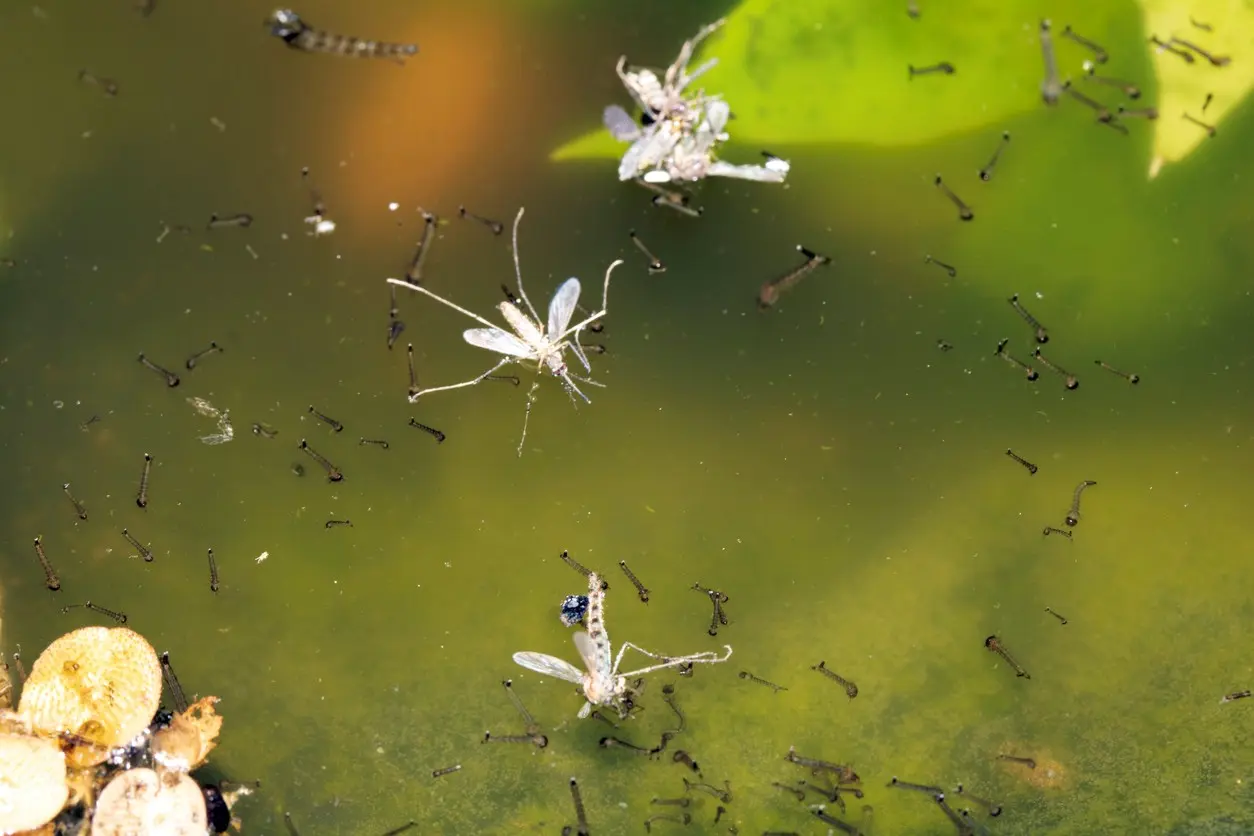
Are you tired of pesky mosquitoes turning your peaceful pond into a buzzing nightmare? Mosquitoes don’t just bother you—they can also pose health risks to you and your family.
The good news is, you don’t have to live with them. By making a few simple changes, you can keep your pond mosquito-free and enjoy your outdoor space without the constant annoyance. Keep reading to discover easy, effective ways to prevent mosquitoes from taking over your pond.
Your comfort and safety start here.
Understanding Mosquito Breeding
Understanding how mosquitoes breed is key to stopping them in your pond. Mosquitoes need water to lay eggs and grow. Ponds can be perfect places for this if not managed well. Knowing their life cycle helps control their numbers effectively.
Where Mosquitoes Lay Eggs
Mosquitoes prefer calm, still water for laying eggs. Ponds with little movement attract many mosquitoes. Eggs stick to plants, edges, or float on the surface. Even small puddles near the pond can be breeding sites.
Stages Of Mosquito Development
Mosquitoes go through four stages: egg, larva, pupa, and adult. Eggs hatch into larvae within a few days. Larvae live in water, feeding on tiny particles. Pupae then form and develop into adult mosquitoes ready to fly.
Conditions That Encourage Breeding
- Warm temperatures speed up mosquito growth.
- Stagnant water provides a safe place for larvae.
- Plants and debris offer hiding spots.
- Shaded areas protect mosquitoes from predators.
Signs Of Mosquito Breeding In Ponds
- Small wriggling larvae visible in water.
- Adult mosquitoes hovering near the pond.
- Floating egg rafts or clusters on the surface.
- Increased mosquito bites around the pond area.

Credit: totalpond.com
Natural Predators
Natural predators play a crucial role in controlling mosquito populations in your pond without the use of chemicals. They create a balanced ecosystem by feeding on mosquito larvae and adults, reducing the chance of mosquito bites around your home. Adding these predators can be both an effective and eco-friendly solution to keep your pond mosquito-free.
Fish Varieties
Several fish species thrive in ponds and actively consume mosquito larvae. Mosquito fish (Gambusia affinis) are famous for their appetite for larvae and adapt well to different pond environments. Goldfish and koi also eat mosquito larvae, though they prefer a varied diet.
Adding fish to your pond not only helps control mosquitoes but also adds life and color to the water. Have you considered how many mosquito larvae your pond produces daily? Introducing the right fish can significantly reduce this number.
Birds And Insects
Birds such as swallows and purple martins are natural mosquito hunters. They swoop over ponds and nearby areas, catching mosquitoes mid-air. Encouraging these birds by installing birdhouses nearby can increase their visits to your pond.
Dragonflies and damselflies are insects that feed on mosquitoes at both larval and adult stages. Planting native vegetation around your pond attracts these beneficial insects. You might notice fewer mosquitoes simply by welcoming these natural predators into your pond environment.
Water Management
Managing water effectively is key to keeping mosquitoes away from your pond. Mosquitoes lay eggs in stagnant water, so controlling the water quality and movement can disrupt their breeding cycle. Let’s look at some practical water management techniques that you can start using today.
Regular Cleaning
Cleaning your pond regularly helps remove debris and organic matter where mosquitoes like to hide and breed. Leaves, algae, and dead plants can create perfect mosquito nurseries if left unchecked.
Make it a habit to skim the pond surface weekly and remove any visible debris. Check the edges and corners too, where water tends to stagnate. Cleaning also helps improve water clarity, which discourages mosquitoes from settling.
Proper Aeration
Moving water is less attractive to mosquitoes because they prefer still, calm surfaces for laying eggs. Adding aeration to your pond keeps the water circulating and oxygenated.
You can install a simple fountain, waterfall, or air pump to create movement. Besides preventing mosquito breeding, aeration supports fish and beneficial bacteria that keep the pond ecosystem healthy.
Have you noticed how ponds with bubbling water seem less buggy? That’s because the continuous movement breaks up mosquito habitats and stops larvae from developing. Simple devices can make a big difference in your pond’s mosquito problem.
Introducing Biological Control
Introducing biological control is a smart way to keep mosquitoes out of your pond without harming the environment. Instead of relying on harsh chemicals, you use natural enemies or safe agents that target mosquito larvae. This approach helps maintain the balance in your pond while reducing the mosquito population effectively.
Bacteria Solutions
One popular biological control involves using bacteria that specifically attack mosquito larvae. Bacillus thuringiensis israelensis(Bti) is a common choice. It produces toxins that kill mosquito larvae but are harmless to fish, pets, and humans.
You can find Bti in granular or pellet form, which you simply add to your pond water. The bacteria multiply and break down mosquito larvae before they become adults. Have you ever noticed how some ponds stay mosquito-free naturally? Bti might be the unseen helper.
Larvicide Options
Besides bacteria, there are other larvicides designed to control mosquito growth biologically. These include products based on spinosad, which is derived from naturally occurring soil bacteria. Spinosad works by disrupting the nervous system of mosquito larvae.
Applying these larvicides is straightforward. You sprinkle them into the water where mosquito larvae live. The best part? They target only mosquito larvae, sparing beneficial aquatic life.
Have you tried using larvicides in your pond before? Noticing fewer mosquitoes can be a real relief, especially during warm months when they seem to multiply overnight.
Plant Strategies
Using plants around your pond can be a smart way to keep mosquitoes at bay. Certain plants naturally repel these pests, while managing the overall vegetation helps reduce their breeding spots. Let’s look at how you can use plants to make your pond less inviting to mosquitoes.
Mosquito-repellent Plants
Some plants give off scents that mosquitoes dislike. Adding these around your pond creates a natural barrier against them.
- Citronella:Known for its strong lemony scent, citronella is a popular choice. It masks the scents that attract mosquitoes.
- Lavender:Besides smelling great, lavender’s fragrance keeps mosquitoes away. Plus, it attracts pollinators like bees and butterflies.
- Marigolds:These bright flowers release a scent that deters mosquitoes and other insects.
- Basil:A common herb that also serves as a mosquito repellent. You can even use it fresh in your cooking.
Have you tried planting any of these around your pond? Not only do they help with mosquitoes, but they also add color and fragrance to your garden.
Vegetation Management
Dense, stagnant vegetation provides perfect hiding and breeding places for mosquitoes. Keeping your pond’s plants trimmed and well-maintained stops mosquitoes from settling.
Remove excess algae and dead leaves regularly. This prevents water from becoming a mosquito nursery.
Consider introducing floating plants like water lilies sparingly. While they add beauty, too many can reduce water movement and increase mosquito risk.
Ask yourself: Is your pond’s vegetation balanced enough to support wildlife without encouraging mosquitoes? A little maintenance can make a big difference.

Credit: smart-pond.com
Physical Barriers
Physical barriers create a solid defense against mosquitoes in your pond. They stop mosquitoes from reaching the water surface where they lay eggs. These barriers work well without chemicals and protect the entire pond area. Using physical barriers is a simple and effective way to keep mosquitoes away.
Netting And Covers
Netting acts as a shield over the pond. Fine mesh nets block adult mosquitoes from entering the water. Covers fit tightly and prevent mosquitoes from laying eggs. Use nets made of durable, weather-resistant materials. Secure the edges to avoid gaps. Netting also lets sunlight and rain pass through, keeping the pond healthy.
Floating Barriers
Floating barriers sit on the pond surface, blocking mosquito access. They cover the water completely or partially, stopping mosquitoes from landing. Some barriers use natural materials like floating plants or mats. Others are specially designed plastic or foam sheets. These barriers reduce mosquito breeding without harming fish or plants. Adjust floating barriers regularly to maintain full coverage.
Attracting Mosquito Predators
Attracting natural mosquito predators to your pond is a smart way to keep the mosquito population under control without using harmful chemicals. These predators help balance the ecosystem and reduce the number of mosquito larvae before they become adults. You might be surprised how effective a few well-chosen plants and animals can be in protecting your pond.
Encouraging Dragonflies And Damselflies
Dragonflies and damselflies are among the best mosquito predators. Their larvae, called nymphs, live in water and feed on mosquito larvae. Adding native aquatic plants like water lilies or reeds can provide a perfect habitat for these insects.
Think about creating a pond environment where these insects feel safe to breed. Have you noticed dragonflies around your pond? They could be your natural mosquito control agents.
Introducing Fish That Eat Mosquito Larvae
Several fish species, such as mosquito fish (Gambusia affinis), guppies, and goldfish, love to eat mosquito larvae. Adding these fish to your pond can significantly reduce mosquito numbers.
Make sure the fish you choose are suitable for your pond size and climate. Also, avoid overcrowding to keep your pond ecosystem healthy. Have you tried adding fish to your pond before?
Providing Habitat For Birds And Bats
Birds like swallows and purple martins, as well as bats, consume large amounts of mosquitoes daily. Creating spaces like birdhouses and bat boxes near your pond invites these natural predators.
Planting trees and shrubs nearby offers shelter and nesting spots. Have you thought about how much help these flying hunters can provide in keeping mosquitoes away?
Maintaining A Balanced Ecosystem
Supporting a diverse range of predators ensures mosquitoes don’t take over your pond. Avoid using pesticides that kill beneficial insects and fish.
Keep your pond clean and well-oxygenated to encourage healthy predator populations. Could your pond’s ecosystem benefit from a few simple adjustments?
Chemical Treatments
Chemical treatments can be an effective way to control mosquito populations in your pond. They work by targeting mosquito larvae before they grow into biting adults. However, using chemicals requires careful attention to safety and timing to protect your pond’s ecosystem and yourself.
Safe Chemical Use
Choose chemicals specifically labeled for mosquito control in water bodies. Avoid products that harm fish, plants, or beneficial insects. Always read and follow the label instructions carefully to prevent overuse or accidental contamination.
Wear gloves and protective gear when applying treatments. Keep children and pets away from the treated area until it is safe. Remember, even safe chemicals can cause problems if used incorrectly.
When To Apply
Timing is crucial for chemical treatments to work. Apply the product when mosquito larvae are present, usually in early spring and summer. Regularly inspect your pond for larvae, especially after rain or warm weather.
Applying chemicals too early or too late reduces their effectiveness. Consider the weather forecast—avoid treatment before heavy rain that could wash chemicals away. Have you checked your pond for larvae this week?
Monitoring And Maintenance
Keeping mosquitoes away from your pond needs ongoing care. Monitoring and maintenance help spot problems early. Acting fast can stop mosquito breeding. Regular attention keeps your pond healthy and mosquito-free.
Regular Inspections
Check the pond every few days. Look for standing water in plants or edges. Mosquitoes lay eggs in still water. Remove debris like leaves or algae that trap water. Make sure water flows well to avoid pools. Check filters and pumps for clogs. Clear any blockages to keep water moving.
Adjusting Strategies
Watch how well your mosquito control works. If mosquitoes return, change your approach. Add more mosquito-eating fish if needed. Use natural treatments like mosquito dunks safely. Change plants that hold water. Keep trying until mosquitoes stay away. Regular updates keep your pond safe and clean.

Credit: mothernaturesinc.com
Frequently Asked Questions
How Can I Stop Mosquitoes Breeding In My Pond?
Remove stagnant water and add aeration to keep water moving. Introduce natural predators like fish to eat larvae. Regularly clean debris to prevent mosquito breeding sites.
What Plants Repel Mosquitoes In Ponds?
Plants like citronella, lavender, and marigolds repel mosquitoes naturally. Adding these around your pond reduces mosquito attraction and keeps the area pleasant and bug-free.
Are Mosquito Dunks Safe For Pond Use?
Yes, mosquito dunks contain BT bacteria that kill larvae without harming fish or plants. They are safe, eco-friendly, and effective for controlling mosquitoes in ponds.
How Often Should I Clean My Pond To Prevent Mosquitoes?
Clean your pond every 1-2 weeks to remove debris and algae. Regular maintenance disrupts mosquito breeding cycles and keeps your pond healthy and mosquito-free.
Conclusion
Keeping mosquitoes away from your pond takes simple steps. Clean the water often and remove any standing water nearby. Use plants that repel mosquitoes naturally. Adding fish that eat mosquito larvae helps a lot. Cover the pond if possible to block mosquitoes.
These actions keep your pond healthy and mosquito-free. Enjoy your outdoor space without the buzz and bites. Small efforts make a big difference in mosquito control. Stay patient and consistent for the best results.

