
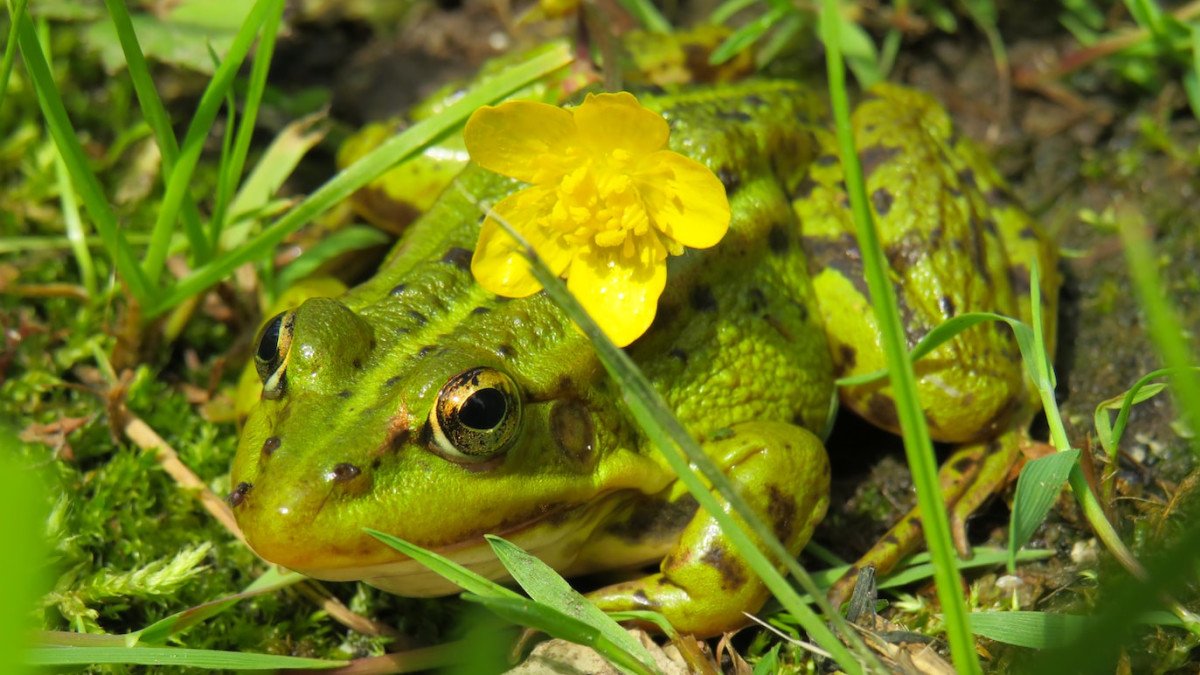
Do you want to bring life and natural beauty to your pond? Attracting frogs is a simple way to create a lively, peaceful environment right in your backyard.
Frogs not only add charm but also help keep pests under control. You’ll discover easy, practical steps to make your pond a frog-friendly haven. Keep reading to learn how you can invite these fascinating creatures to your outdoor space and enjoy the soothing sounds they bring.
Benefits Of Frogs In A Pond
Frogs bring many benefits to a pond ecosystem. They help keep the environment balanced and healthy. Their presence can make your pond more lively and natural.
Frogs act as natural pest controllers. They eat insects like mosquitoes, flies, and other bugs. This helps reduce pests that annoy humans and harm plants.
Frogs serve as food for many animals. Birds, snakes, and fish rely on frogs for nutrition. This creates a healthy food chain in and around your pond.
Frogs also indicate water quality. They need clean water to survive. Seeing frogs means your pond water is fresh and safe.
Natural Pest Control
Frogs eat a large number of insects daily. This lowers the number of harmful pests. It helps protect plants and people from bites and diseases.
Supporting Wildlife Diversity
Frogs attract other wildlife to your pond. Birds and small mammals visit to feed on frogs. This makes your pond a lively habitat.
Indicator Of Water Quality
Frogs need clean water to live. Their presence means your pond water is healthy. It also helps detect pollution early.
Enhancing Pond Aesthetics
Frogs add sound and movement to your pond. Their croaking creates a peaceful, natural atmosphere. It makes your pond more enjoyable to watch.
Choosing The Right Location
Choosing the right location for your pond is crucial if you want to attract frogs. Frogs are particular about where they live, needing a spot that offers safety, food, and the right environment to thrive. Understanding how location affects their behavior can help you create a welcoming habitat that frogs will return to season after season.
Proximity To Natural Habitats
Frogs are unlikely to travel far from their natural habitats. Placing your pond near woods, wetlands, or fields increases the chances that local frogs will visit. Have you noticed how frogs often gather near streams or marshes? These are the environments they know and trust.
If your yard is far from these natural spots, consider ways to connect your pond with green corridors, like planting native bushes or creating a small wetland area. These can act as safe passageways, encouraging frogs to explore your pond as a new home.
Shade And Sunlight Balance
Frogs need a balance of sun and shade to regulate their body temperature and avoid predators. Too much direct sunlight can dry out the pond and make frogs uncomfortable. Too much shade, however, can cool the water and slow down their activity.
Place your pond where it gets morning sun and afternoon shade, or vice versa. Adding plants around the pond’s edge can provide natural shade while allowing sunlight to warm the water during the day. Have you tried observing how frogs behave in different light conditions? It can guide you to find the perfect spot.
Creating A Suitable Pond Environment
Creating a suitable pond environment is key to attracting frogs to your outdoor space. Frogs need specific conditions to thrive, and by adjusting your pond’s features, you can invite these fascinating creatures to visit regularly. Let’s look at two crucial elements: water quality and depth, along with vegetation and plant life.
Water Quality And Depth
Frogs are sensitive to water quality. Clean, fresh water without chemicals or pollutants encourages them to stay and breed. Avoid using pesticides or fertilizers near your pond; these can harm tadpoles and adult frogs alike.
Depth matters too. A mix of shallow and deeper areas creates a safe habitat. Shallow zones, about 6 to 12 inches deep, allow frogs to warm up and hunt for insects. Deeper spots, around 2 to 3 feet, offer protection during hot weather or from predators.
Have you checked the clarity and temperature of your pond water lately? Clear, cool water is more attractive to frogs than murky or stagnant pools.
Vegetation And Plant Life
Plants do more than beautify your pond—they provide shelter, breeding areas, and food sources for frogs. Adding a variety of native aquatic plants creates a natural environment where frogs feel safe.
- Floating plants like water lilies offer shade and resting spots.
- Emergent plants such as cattails and reeds give frogs places to hide and lay eggs.
- Marginal plants near the water’s edge make it easier for frogs to enter and exit the pond.
Think about the balance between open water and plant coverage. Too many plants can reduce oxygen levels, but too few leave frogs exposed. What types of plants grow naturally in your area that could thrive around your pond?

Credit: www.puddleplants.co.uk
Providing Shelter And Hiding Spots
Providing shelter and hiding spots is essential to attract frogs to your pond. Frogs need safe places to rest, hide from predators, and regulate their body temperature. Creating a variety of shelters will make your pond a welcoming habitat for these amphibians.
Rocks And Logs
Adding rocks and logs around and inside your pond offers frogs cool, shaded areas to hide. Flat rocks near the water’s edge give them spots to bask in the sun while staying close to safety. Logs partially submerged in water create moist hiding places that frogs love.
I once placed a few old logs near my pond, and within days, I noticed more frogs hopping around. They used the logs as both cover and hunting grounds. Could your pond benefit from a few natural elements like these?
Aquatic Plants
Aquatic plants are more than decoration; they provide crucial shelter and breeding spots for frogs. Plants like water lilies and cattails offer hiding places beneath their leaves and stems. Their roots create underwater nooks where tadpoles can grow safely.
Try planting a mix of floating and rooted plants to offer different types of shelter. This variety helps frogs feel secure both above and below the water. Which plants could you add to create a frog-friendly environment in your pond?
Ensuring A Safe Habitat
Creating a safe habitat encourages frogs to live and thrive in your pond. Safety means fewer dangers and a healthy environment. Frogs need protection from predators and harmful chemicals. Careful planning helps keep the pond safe and inviting.
Avoiding Predators
Predators can scare frogs away or harm them. Birds, snakes, and some mammals often hunt frogs. Plant dense bushes and tall grasses around the pond. These plants give frogs places to hide and escape quickly.
Adding floating plants like water lilies can provide cover on the water surface. Rocks and logs near the pond edge offer hiding spots too. Keep pets like cats and dogs away from the pond area. They can disturb or catch the frogs.
Minimizing Chemicals
Frogs are very sensitive to chemicals in the water and soil. Pesticides, herbicides, and fertilizers harm their skin and eggs. Avoid using any chemicals near your pond. Choose natural ways to control pests and weeds instead.
Use organic compost and mulch to keep plants healthy. Test pond water regularly for harmful substances. Clean water helps frogs stay healthy and reproduce. Chemicals reduce frog populations and damage the whole ecosystem.
Attracting Frogs With Food Sources
Frogs rely on a steady supply of food to thrive near your pond. Creating an inviting food environment encourages frogs to stay and multiply. Offering natural food sources helps support the local ecosystem around your water feature.
Insects And Bugs
Frogs eat many insects and bugs. These include flies, mosquitoes, beetles, and moths. Planting native flowers and shrubs attracts these insects naturally. Leaving some leaf litter and logs can provide shelter for bugs. Avoid using pesticides near the pond to keep insects safe. A diverse insect population means more food for frogs.
Supplemental Feeding
Supplemental feeding can help frogs in early pond stages. Offer small live foods like crickets or mealworms. Place food near the pond edge in small amounts. Avoid overfeeding to prevent water pollution. Feeding supports frogs while natural food sources build up. Regular but moderate feeding encourages frogs to visit often.
Encouraging Frog Reproduction
Encouraging frog reproduction in your pond can turn it into a lively habitat full of croaks and movement. Frogs need specific conditions to breed successfully, and understanding these can help you create the perfect environment. Let’s look at how you can support their breeding habits and care for their young.
Breeding Areas
Frogs prefer shallow, calm water for laying eggs. You can add gentle slopes or flat areas in your pond where water depth is just a few inches. These spots warm up quickly and make frogs feel safe to lay their eggs.
Including plenty of aquatic plants is essential. Plants like water lilies or cattails provide hiding places and surfaces for frogs to attach their eggs. Have you noticed how frogs often choose spots with lots of vegetation? That’s not by chance—it’s their way of protecting their future offspring.
Keep the water clean but avoid strong filtration systems that create too much movement. Frogs need still water for breeding. If your pond is exposed to heavy wind or rain, adding windbreaks or creating small sheltered areas can help maintain calm water zones.
Egg And Tadpole Care
Once eggs are laid, protecting them is key. You can gently remove any debris or predators nearby to increase their chances of survival. Snails, fish, or other pond inhabitants might eat the eggs or young tadpoles.
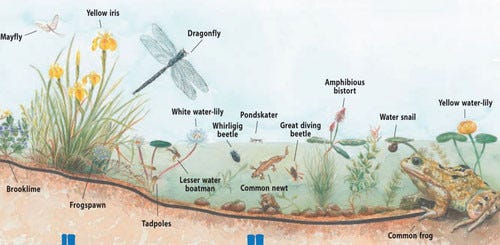
Tadpoles require clean, oxygen-rich water and plenty of plant material to feed on. Adding submerged plants like hornwort or elodea helps oxygenate the water and provides food. Have you seen tadpoles grazing on algae or plant matter? It’s their main diet before they become frogs.
Regularly check water quality and temperature during tadpole development. If the water gets too warm or polluted, it can harm the young frogs. You might need to add fresh water or shade the pond with floating plants to keep conditions just right.
Credit: sales-48978.medium.com
Maintaining The Frog-friendly Pond
Maintaining a pond that attracts frogs requires consistent care and attention. A healthy pond supports frog life by providing clean water and safe shelter. Proper maintenance keeps the ecosystem balanced and inviting for frogs.
Regular Cleaning
Remove debris like leaves and algae from the pond surface often. Use a net or pond vacuum to clear the bottom. Avoid harsh chemicals that can harm frogs and other wildlife. Check water clarity and remove excess plants to prevent overgrowth. Clean filters and pumps regularly to keep water flowing well. Clear water helps frogs find food and stay healthy.
Seasonal Adjustments
Adjust pond care based on the seasons to support frogs year-round. In spring, add fresh plants and check for frog eggs or tadpoles. Summer requires more frequent water checks and partial water changes. During fall, remove dead plants and prepare the pond for cooler weather. Winter may need a pond heater or aerator to prevent freezing. Seasonal care ensures the pond stays safe and welcoming for frogs.

Credit: ccedelaware.org
Frequently Asked Questions
How Do I Make My Pond Frog-friendly?
Create a natural habitat with plants, shallow edges, and clean water. Avoid chemicals and provide hiding spots. This encourages frogs to visit and stay.
What Plants Attract Frogs To A Pond?
Native aquatic plants like water lilies and cattails offer shelter and breeding sites. They also attract insects, a frog’s primary food source.
How Important Is Water Quality For Attracting Frogs?
Clean, chemical-free water is essential. Frogs are sensitive to pollution and prefer clear, oxygen-rich water with stable temperatures for breeding.
Can I Attract Frogs By Adding Food Sources?
Yes, adding plants that attract insects helps. Frogs feed on bugs, so a pond rich in insects will draw more frogs naturally.
Conclusion
Creating a healthy pond helps frogs feel safe and welcome. Planting native plants and adding rocks gives frogs shelter. Clean water attracts insects, the frogs’ favorite food. Avoid chemicals to keep frogs healthy and happy. Patience matters; frogs may take time to arrive.
Enjoy the peaceful sounds frogs bring to your garden. Small changes make a big difference for pond life. Your pond can become a lively home for frogs.

