
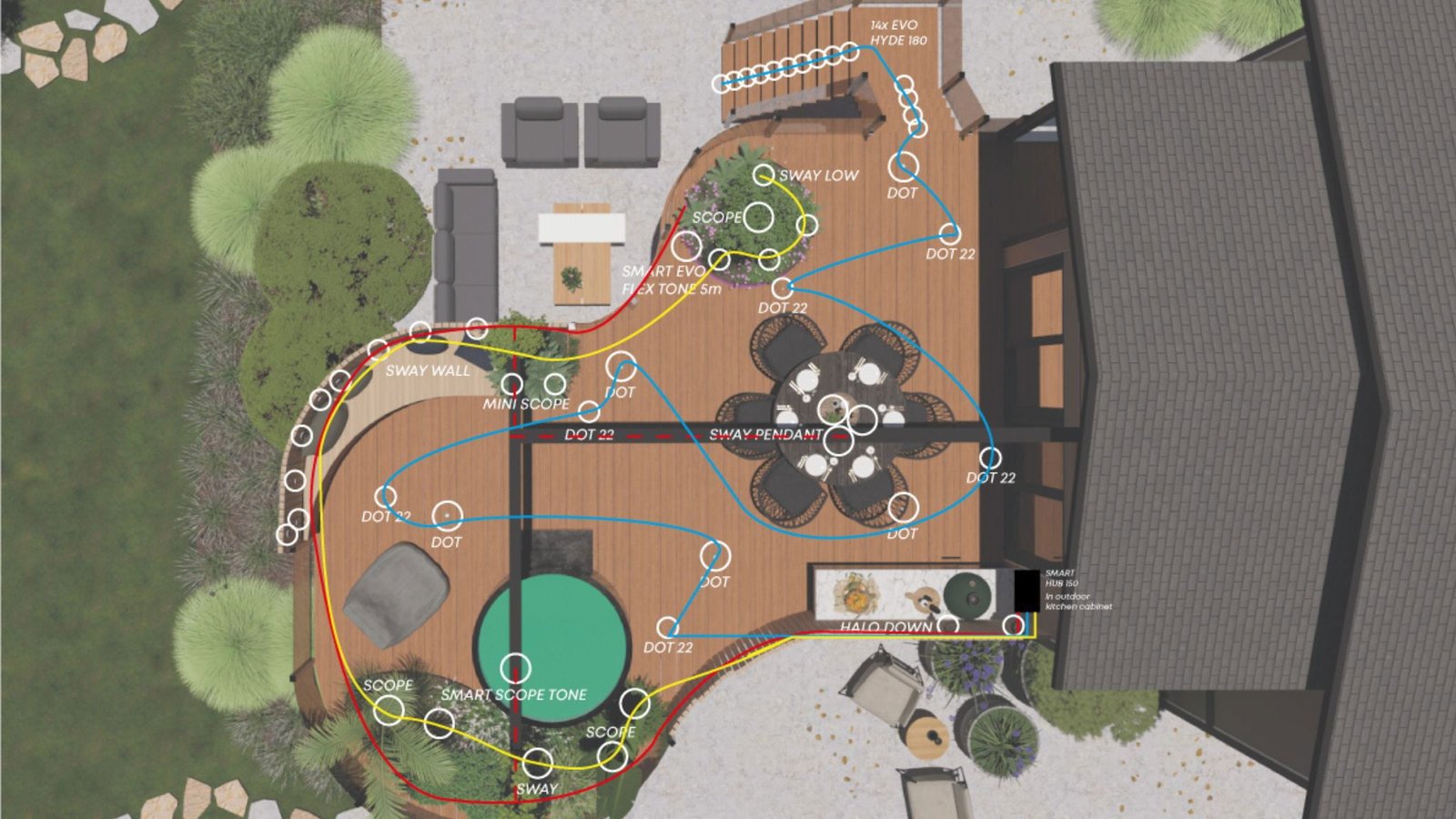
Are you ready to transform your outdoor space into a stunning, inviting area that shines day and night? Designing the perfect outdoor lighting plan is easier than you think—and it can completely change how your home feels after dark.
Whether you want to highlight your garden, light up pathways for safety, or create a cozy spot for evening gatherings, the right lighting makes all the difference. Keep reading, and you’ll discover simple steps to craft a lighting plan that fits your style, boosts your home’s appeal, and makes your outdoor space come alive.
Your dream outdoor oasis is just a few ideas away!
Assessing Outdoor Space
Before you pick out fixtures or bulbs, it’s crucial to understand the outdoor space you want to light. Assessing your outdoor area helps you spot the spots that need illumination the most and plan a layout that fits your lifestyle and safety needs.
Identifying Key Areas
Walk around your outdoor space at different times of the day. Notice where you spend the most time—like patios, walkways, or garden corners.
Ask yourself: Which spots get used after dark? These might include your porch, driveway, or outdoor dining area. Mark these areas for focused lighting.
Don’t forget safety zones such as stairs, paths, and entrances. Well-lit spaces reduce accidents and deter unwanted visitors.
Evaluating Natural Light
Observe how sunlight moves through your space. Which areas get plenty of daylight? Which remain shaded or dark even on sunny days?
Natural light impacts how much artificial lighting you’ll need. Areas with dense trees or structures might require stronger or more fixtures.
Consider the changing seasons too. Your backyard might look bright in summer but get dimmer in winter. Adjust your lighting plan to keep those spots visible year-round.

Credit: us.govee.com
Setting Lighting Goals
Setting lighting goals is the first step in designing an outdoor lighting plan. Clear goals guide the choice of fixtures and placement. They help balance beauty, safety, and functionality in outdoor spaces. Knowing what to highlight and protect shapes the entire design.
Highlighting Architectural Features
Outdoor lighting can showcase the unique design of your home. It brings attention to textures, shapes, and details that stand out. Lights placed near columns, arches, or stone walls create dramatic effects. Use soft, focused lighting to avoid harsh shadows.
Consider the following:
- Use uplights to brighten tall walls or pillars.
- Accent windows and door frames with small spotlights.
- Choose warm light to enhance natural materials like wood and brick.
- Position lights to avoid glare inside the house.
Enhancing Safety And Security
Lighting improves visibility around paths, steps, and entry points. Well-lit areas reduce the risk of accidents and deter intruders. Bright, even lighting near doors and walkways is essential. Motion sensors add extra protection and save energy.
Focus on:
- Illuminating driveways and sidewalks clearly.
- Lighting staircases and uneven ground.
- Using lights with wide coverage for open spaces.
- Incorporating timers or smart controls for convenience.
Choosing Light Fixtures
Choosing the right light fixtures shapes the look and feel of your outdoor space. Fixtures add style and function, highlighting features and creating mood. Picking fixtures requires thought about style, purpose, and durability. Each choice affects how well your lighting plan works and lasts.
Understanding Different Types
Outdoor lighting comes in many types, each serving a special role. Path lights guide your steps safely along walkways. Spotlights focus bright beams on trees or statues. Floodlights cover large areas with wide light. Wall sconces add soft light near doors or patios. String lights bring charm to seating areas. Knowing these types helps you mix and match for balance and beauty.
Selecting Weather-resistant Materials
Outdoor fixtures must handle sun, rain, wind, and cold. Materials like stainless steel resist rust and last long. Aluminum is light and strong but needs good coating. Brass and copper age well and resist corrosion. Plastic can be good but may fade or crack over time. Check for IP ratings; higher means better water protection. Durable materials keep fixtures safe and attractive all year.
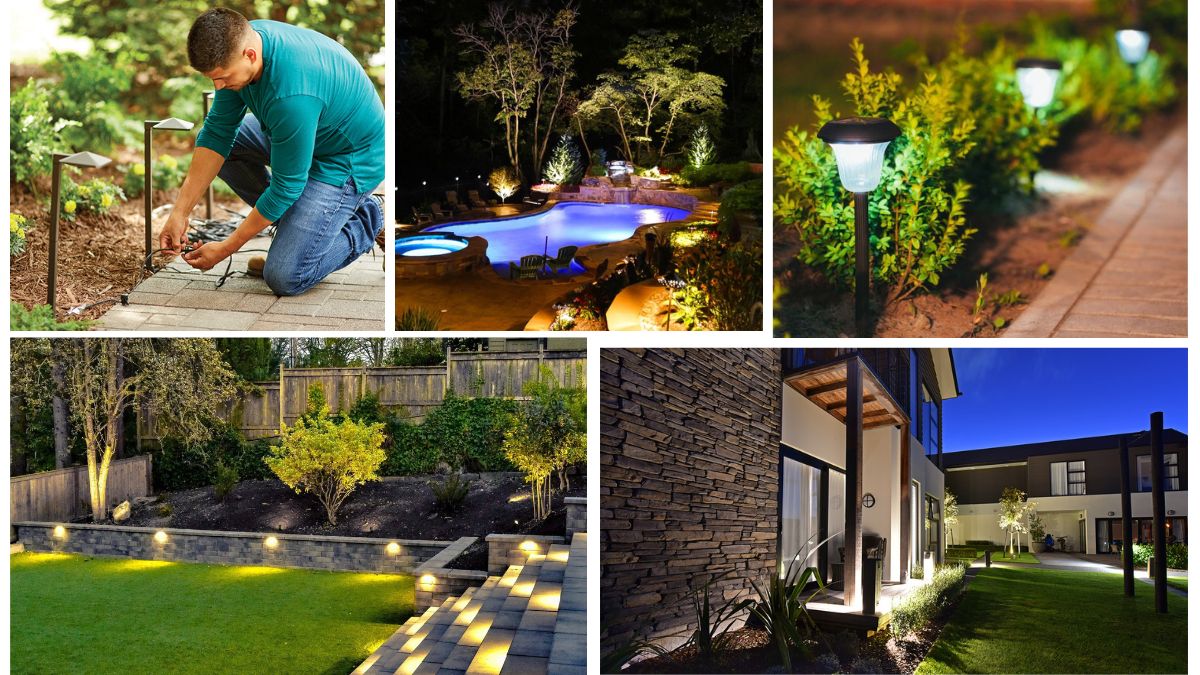
Credit: lodhigarden.com
Incorporating Energy Efficiency
Making your outdoor lighting energy efficient not only cuts down your electricity bills but also reduces your environmental footprint. It’s about choosing smart solutions that shine bright without wasting power. Have you ever thought about how much energy your garden lights consume overnight?
Utilizing Led Technology
LED lights use significantly less energy than traditional bulbs while providing the same, if not better, brightness. They last longer too, which means fewer replacements and less waste. I switched to LEDs in my backyard and noticed my energy bill drop noticeably within a month.
Besides energy savings, LEDs come in various colors and brightness levels, allowing you to customize your outdoor space easily. Their durability withstands weather changes, making them perfect for outdoor use. Consider using LED spotlights to highlight your plants or pathway lights to guide visitors without overloading your electrical system.
Exploring Solar Options
Solar lights are a fantastic energy-efficient choice because they harness free power from the sun. They charge during the day and light up your outdoor areas at night without adding to your electricity costs. I installed solar garden stakes and was amazed at how well they lit my walkway without any wiring hassles.
Look for solar lights with high-quality rechargeable batteries and sensors that turn lights on only when needed. This prevents wasted energy and extends their lifespan. Could your garden benefit from a few well-placed solar fixtures that operate independently and reduce your energy use?
Creating Ambiance
Creating ambiance in outdoor lighting sets the mood for your space. It makes your garden, patio, or yard feel welcoming and cozy. Proper ambiance draws people outside, inviting relaxation and enjoyment. Thoughtful lighting design balances brightness and softness to enhance your outdoor area’s natural beauty.
Mixing Light Temperatures
Using different light temperatures adds depth to your outdoor space. Warm lights create a soft, inviting glow. Cool lights highlight details with clarity and brightness. Mixing these temperatures creates contrast and visual interest.
- Warm white lights (2700K–3000K) work well for seating areas.
- Cool white lights (4000K–5000K) suit pathways and task lighting.
- Use both to separate zones and enhance textures.
Blend these temperatures carefully to avoid harsh or cold feelings. Soft transitions between warm and cool light make spaces feel natural.
Using Dimmer Controls
Dimmer controls let you adjust light intensity easily. They help set the perfect mood at any time. Bright light for lively gatherings and soft light for quiet evenings.
- Install dimmers on main outdoor fixtures.
- Use remote or smart dimmers for convenience.
- Adjust brightness to highlight features or create shadows.
Dimmers save energy and extend bulb life. They offer flexibility for different events and moods outside.
Designing Layered Lighting
Designing layered lighting outdoors creates a perfect balance between function and beauty. It helps you see clearly, highlights your favorite features, and sets the mood for your outdoor space. Think about how you use your yard at night and what parts you want to emphasize or keep subtle.
Task Lighting For Functionality
Task lighting ensures you can safely and easily complete activities outside. Place bright lights near entrances, pathways, and work areas like grills or garden benches. Use fixtures with focused beams to avoid glare and light only the areas you need.
Have you noticed how much easier it is to navigate your yard when steps and walkways are well-lit? Adding motion sensor lights near doors can also improve security and convenience without wasting energy.
Accent Lighting For Aesthetics
Accent lighting draws attention to your garden’s best features. Highlight trees, sculptures, or water elements with spotlights or uplights. Keep the brightness low to create contrast and depth.
You don’t need expensive fixtures to get great results. Even small LED lights tucked under bushes or along flower beds can add charm and make your outdoor space feel inviting.
Ambient Lighting For Atmosphere
Ambient lighting sets the overall mood and ties all your outdoor areas together. Use soft lights, like string lights or lanterns, to create a warm and cozy environment. Avoid harsh or overly bright bulbs that can ruin the atmosphere.
Think about your favorite outdoor moments—maybe a quiet dinner or a lively gathering. How can your lighting help those moments feel more special and comfortable?
Planning Installation
Planning the installation of outdoor lighting sets the foundation for a safe and effective setup. Consider the layout, power sources, and the type of fixtures. Proper planning ensures the lighting looks great and works well.
Hiring A Professional Vs. Diy
Deciding between hiring a professional or doing it yourself depends on skill and comfort level. Professionals bring experience and tools to handle complex wiring. They ensure the system meets safety codes and functions properly.
DIY installation saves money but requires careful study of instructions. Simple projects can be done by beginners with basic tools. Complex wiring or large systems should involve expert help to avoid mistakes and hazards.
Ensuring Proper Wiring And Safety
Outdoor lighting wiring must resist weather and moisture. Use outdoor-rated cables and waterproof connectors to prevent damage. Always turn off power before starting any electrical work.
Install ground fault circuit interrupters (GFCIs) to protect from electrical shocks. Follow local electrical codes and rules strictly. Check all connections twice to avoid shorts or failures.

Credit: servicetechav.com
Maintaining The Lighting System
Maintaining the lighting system keeps your outdoor space safe and attractive. It ensures the lights work properly for a long time. Regular care prevents damage and saves money on repairs.
Regular Cleaning And Inspection
Clean the lights often to remove dirt and debris. Use a soft cloth and mild soap. Avoid harsh chemicals that can damage the fixtures.
Check the wiring and connections for wear or damage. Look for loose parts or corrosion. Replace or tighten anything that seems weak.
Inspect sensors and timers to confirm they function correctly. Proper operation helps save energy and enhances security.
Replacing Bulbs And Fixtures
Replace bulbs as soon as they burn out. Use the same type and wattage for best results. This keeps the lighting balanced and safe.
Upgrade old or broken fixtures to improve efficiency. New fixtures often use less energy and last longer.
Dispose of old bulbs and fixtures properly. Follow local guidelines to protect the environment.
Frequently Asked Questions
What Are The Key Steps To Design Outdoor Lighting?
Start by assessing your outdoor space and purpose. Choose lighting types like ambient, task, and accent. Plan fixture placement for safety and aesthetics. Consider energy-efficient bulbs and smart controls for efficiency and convenience.
How Do I Choose The Right Outdoor Lighting Fixtures?
Select fixtures based on style, durability, and weather resistance. Use LED lights for longevity and energy savings. Match fixture size and brightness with your space. Ensure fixtures complement your home’s exterior design and landscape.
What Lighting Design Enhances Outdoor Security?
Focus on entry points, pathways, and dark corners. Use motion sensor lights to deter intruders. Combine bright task lighting with softer ambient lights for balance. Proper lighting improves visibility and safety without glare.
How Can Outdoor Lighting Improve Garden Aesthetics?
Highlight key plants, trees, and garden features with spotlights. Use soft, warm lights to create a cozy atmosphere. Layer different lighting types for depth and interest. Avoid over-lighting to maintain natural beauty at night.
Conclusion
Designing an outdoor lighting plan adds beauty and safety to your space. Start by choosing the right lights for each area. Think about brightness, style, and energy use. Highlight paths, plants, and seating spots carefully. Keep your plan flexible for future changes.
Small details make a big difference in the final look. Good lighting creates a warm, inviting atmosphere at night. Take your time, plan well, and enjoy your outdoor space more.

