
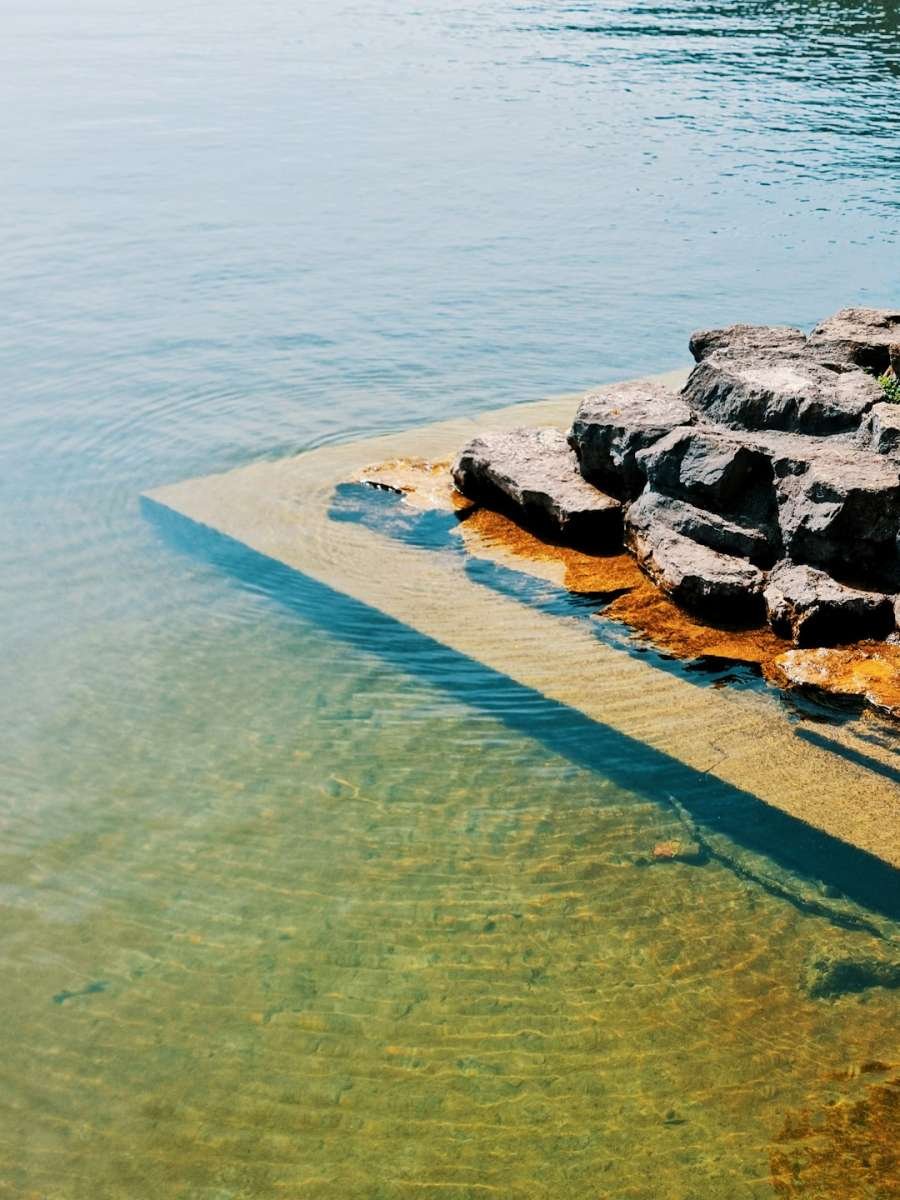
Imagine stepping into your backyard and instantly feeling the calm, refreshing breeze of the coast. Creating a coastal style water feature can bring that peaceful, seaside vibe right to your home.
Whether you want to relax after a long day or impress your guests, this guide will show you how to design a water feature that captures the beauty of the shore. Ready to transform your space with soothing sounds and stunning visuals?
Keep reading, and you’ll discover simple steps to make your own coastal oasis.
Essentials Of Coastal Style
Creating a coastal style water feature means capturing the calm and breezy feel of the sea right in your outdoor space. The essentials of coastal style focus on simplicity, natural elements, and a soothing atmosphere. Think about how the beach makes you feel—relaxed, refreshed, and connected to nature—and aim to bring that vibe into your water feature design.
Key Elements And Aesthetics
Coastal style is all about clean lines and natural shapes that reflect the ocean’s calm. Smooth stones, driftwood, and shells work great to create a natural look around your water feature. Adding plants like beach grasses or succulents enhances the seaside feel without overwhelming the space.
Consider the sound of water as well. A gentle trickle or soft splash can mimic the ocean’s waves and help you unwind. Have you ever noticed how just hearing water can shift your mood? That’s the power you want your feature to have.
Color Palette And Materials
Colors in coastal style usually stick to soft, natural tones. Shades of blue, white, sandy beige, and soft gray instantly bring the beach to mind. These colors work well in your water feature’s basin, surrounding stones, or even painted accents.
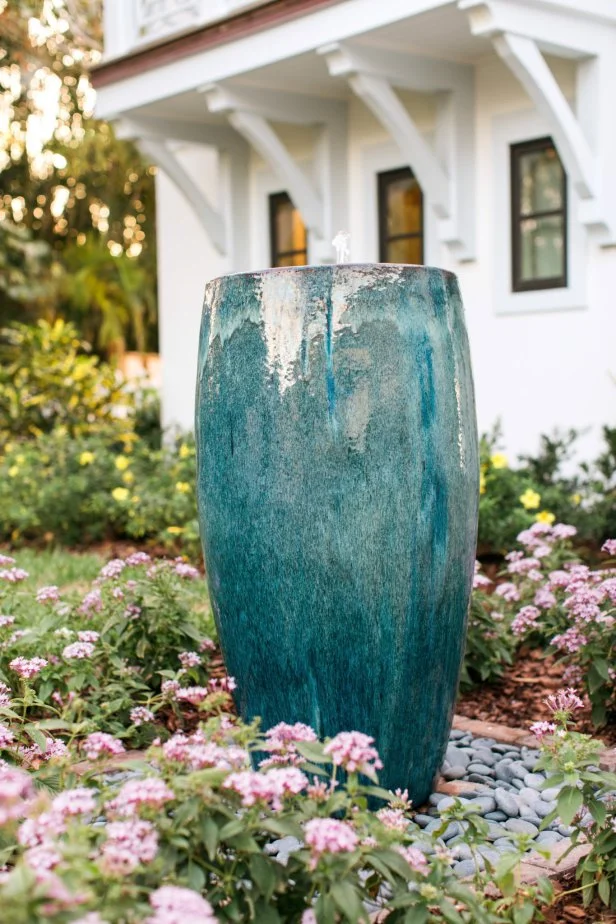
Materials should feel organic and weathered. Think about using natural stone, light-colored wood, and metal with a matte or rusted finish. These choices not only look authentic but also stand up well to outdoor conditions. Have you thought about how materials age outdoors? Choosing those that develop a nice patina over time will deepen the coastal vibe.
Credit: www.hgtv.com
Choosing The Right Location
Choosing the right location is crucial for creating a coastal style water feature. The spot you pick affects how the feature looks and sounds. It also influences how easy it is to maintain. Thoughtful placement can make your outdoor space feel calm and inviting.
Assessing Your Outdoor Space
Start by looking at your yard or garden carefully. Check the size and shape of the area. Notice how much sunlight the spot receives each day. Look for flat ground to keep the water feature stable. Avoid places near large trees that may drop leaves into the water.
Think about nearby plants and how they fit the coastal theme. Consider any existing furniture or decorations. This helps ensure the water feature blends well with your current setup. Also, keep in mind where electrical outlets are if your water feature needs power.
Maximizing Visual And Auditory Impact
Place the water feature where it can be easily seen from your favorite outdoor spots. Think about views from inside your home or seating areas outside. A spot near a patio or deck is often ideal.
Sound matters too. Choose a location where the water’s gentle flow can be heard but won’t disturb neighbors. Corners or areas shielded by shrubs work well. This creates a peaceful atmosphere without being too loud.
Consider the background too. A plain wall or natural plants can highlight the water feature’s beauty. Avoid busy or cluttered backgrounds that distract from the calming water sounds and visuals.
Types Of Coastal Water Features
Coastal style water features bring a fresh, breezy vibe to any outdoor space. They often mimic the calming sounds and sights of the ocean, creating a relaxing atmosphere right in your backyard. Understanding the types of coastal water features can help you choose the best fit for your style and space.
Fountains And Waterfalls
Fountains and waterfalls add motion and sound that instantly draw attention. A small, tiered fountain with shell or driftwood accents can make your garden feel like a seaside retreat. Waterfalls, whether natural rock or sleek modern designs, provide a soothing rush that reminds you of waves crashing on the shore.
Think about the size of your space. A tall waterfall can become a dramatic focal point, while a compact fountain fits perfectly into a cozy nook. Have you considered how the sound of flowing water will blend with your outdoor environment? It’s worth testing before you install.
Ponds And Streams
Ponds and streams offer a more natural, organic look for coastal themes. You can create a small pond surrounded by beach grasses and stones to invite wildlife like birds and frogs. Adding a gentle stream that winds through your garden adds a peaceful, flowing element that complements coastal plants.
Keep maintenance in mind—ponds need care to prevent algae and keep water clear. Lining the pond with natural materials like river rocks will enhance the coastal feel and provide habitat for aquatic plants. What if you added a few colorful fish to bring life to your water feature?
Water Walls And Cascades
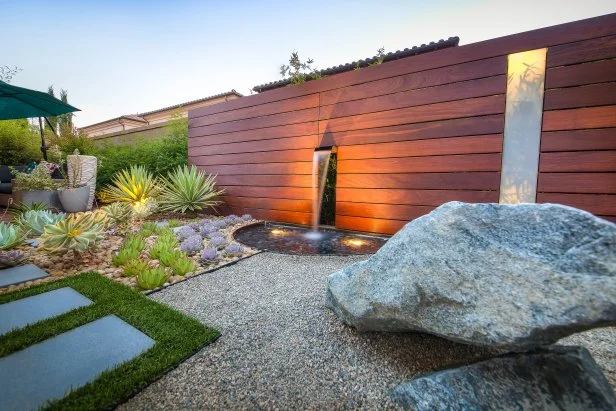
Water walls and cascades offer sleek, modern takes on coastal water features. A vertical water wall can save space while adding a shimmering backdrop to your patio or deck. Cascades, with water flowing over a series of ledges or stones, create a gentle, rhythmic sound perfect for relaxation.
These features work well with minimalist coastal décor—think smooth stones, glass, and light wood. You might want to experiment with lighting to highlight the water’s movement after dark. How could a water wall transform your outdoor entertaining area?
Credit: www.hgtv.com
Incorporating Natural Elements
Incorporating natural elements into a coastal style water feature brings a calming and authentic touch. These elements connect your space to the sea and shore. They create a soothing environment that reflects nature’s beauty. Using materials found near the coast makes the feature blend well with outdoor spaces.
Using Stones And Pebbles
Stones and pebbles form the foundation of a coastal water feature. Choose smooth, rounded pebbles in soft gray, white, or sandy tones. These colors mimic beach stones and add texture. Arrange stones around the water’s edge or inside the feature for a natural look.
- Mix different sizes for depth and interest
- Place larger stones as focal points
- Use flat stones to create stepping areas or paths
Natural stones help water flow smoothly and reduce splashing. They also prevent soil erosion around the feature.
Adding Driftwood And Shells
Driftwood adds rustic charm and a weathered feel. Select pieces with interesting shapes and smooth surfaces. Place driftwood pieces partially in the water or resting on stones. This creates a natural shoreline appearance.
- Use driftwood to frame the water feature
- Combine small shells with driftwood for detail
- Scatter shells along the edges or inside shallow water
Shells bring subtle color and texture. They remind us of ocean life and add a unique coastal touch. Both driftwood and shells enhance the natural vibe of your water feature.
Plant Selection For Coastal Appeal
Choosing the right plants for your coastal style water feature sets the tone for the entire space. The goal is to select greenery that thrives in salty air and sandy soil, while enhancing the natural, relaxed vibe of the coast. Your plant choices can turn a simple water feature into a vibrant, living oasis that feels right at home by the sea.
Choosing Coastal-friendly Plants
Look for plants that are tough and low-maintenance, capable of withstanding strong winds and salt spray. Some top choices include:
- Sea Lavender– With its delicate purple flowers, it adds subtle color and handles salty conditions well.
- Beach Grass– Creates movement and texture, perfect for softening hard edges around the water.
- Succulents– These store water efficiently and come in many shapes, offering unique visual interest.
- Saltbush– Hardy and drought-tolerant, it also provides a silvery-green tone that’s signature to coastal landscapes.
Don’t overlook native plants. They’re already adapted to your local coastal environment, making them easier to care for and more likely to thrive.
Arranging For Visual Harmony
Think about how your plants will look together throughout the seasons. Mixing different heights and textures creates depth and keeps the scene dynamic.
- Taller grasses can frame the water feature, while low-growing succulents fill in gaps and soften edges.
- Group plants with similar water needs together to simplify maintenance and keep your feature healthy.
- Use repetition of certain plants to create rhythm and guide the eye around the water feature.
Ask yourself: Does the arrangement invite you to linger? Does it create a peaceful retreat or a lively, energetic spot? The way you arrange your plants can make all the difference in how your coastal water feature feels.
Lighting For Ambiance
Lighting plays a crucial role in setting the mood for your coastal style water feature. It highlights the gentle movement of water and enhances the natural beauty of the surrounding elements. Thoughtful lighting transforms your outdoor space, making it inviting and serene, especially as daylight fades.
Types Of Lighting Options
You have several lighting choices to create the perfect ambiance around your water feature. LED strip lights work well for subtle, continuous glow along edges or pathways. Solar-powered stake lights offer eco-friendly options that are easy to install without wiring.
Underwater LED lights add a magical glow from beneath the water’s surface, emphasizing ripples and reflections. Spotlights aimed at rocks or plants give dramatic shadows and highlight textures. String lights can bring a relaxed, festive feel if draped around nearby trees or pergolas.
- LED strip lights for soft outlining
- Solar stake lights for easy placement
- Underwater LEDs for glowing water effects
- Spotlights to accent landscaping
- String lights for casual charm
Creating Nighttime Magic
Imagine sitting beside your water feature with the right lights casting a gentle glow. Start by layering different types of lighting to avoid harsh or flat effects. Combine underwater lights with soft path lighting to guide visitors safely while enhancing beauty.
Try dimmable lights or use a timer to adjust brightness and save energy. Play with color temperature—warm white feels cozy, while cooler blue tones emphasize the coastal theme. Have you noticed how lighting can make even simple water movements look mesmerizing after dark?
Think about how your lighting will interact with natural moonlight and shadows. Experiment with angles and intensities to find what makes your feature pop without overwhelming the space. Your water feature should feel like a peaceful retreat when the sun goes down, inviting you to relax or entertain under a calming glow.
Maintenance Tips
Maintaining a coastal style water feature keeps it beautiful and working well. Regular care stops problems early and saves time later. Small tasks done often help the water stay clear and fresh. Follow simple tips to enjoy your water feature all year.
Regular Cleaning And Upkeep
Remove leaves and debris from the water surface every few days. Clean the pump filter to keep water flowing smoothly. Use a soft brush to scrub algae from rocks and surfaces. Check water levels often and add fresh water if needed. Avoid harsh chemicals; use natural cleaners safe for plants and fish.
Seasonal Adjustments
In hot months, increase water top-ups to prevent drying out. Shade the water feature to reduce algae growth and evaporation. During cold months, remove pumps and store them indoors to avoid damage. Cover the water feature with a net to keep falling leaves out. Drain and clean the feature before winter to prevent freezing problems.

Credit: www.hgtv.com
Frequently Asked Questions
What Materials Are Best For Coastal Water Features?
Natural stones, driftwood, and weather-resistant metals work best. These materials withstand moisture and complement coastal themes. Use shells or coral accents for added authenticity. Choose materials that resist rust and fading under sun exposure.
How To Maintain A Coastal Style Water Feature?
Regular cleaning prevents algae and salt buildup. Use mild detergents and soft brushes. Check pumps and filters monthly. Cover the feature during storms to avoid debris. Proper maintenance ensures longevity and aesthetic appeal.
Can I Use Saltwater In A Coastal Water Feature?
Saltwater can create an authentic coastal look but requires corrosion-resistant materials. Salt may damage pumps and metal parts. Freshwater with marine-themed décor is a safer, low-maintenance alternative for most setups.
What Plants Suit Coastal Water Features?
Choose salt-tolerant plants like beach grass, sea lavender, and succulents. These plants thrive in coastal climates and enhance the natural look. Avoid invasive species and consider local plant varieties for sustainability.
Conclusion
Creating a coastal style water feature adds calm and beauty to any space. Choose natural stones and soft colors for an authentic look. Keep the design simple and relaxing to enjoy peaceful moments. Small details like shells or driftwood bring charm and personality.
Regular care helps your feature stay fresh and inviting. This project brings a touch of the beach right to your home. Enjoy the soothing sounds and cool feel of coastal water features every day.

