
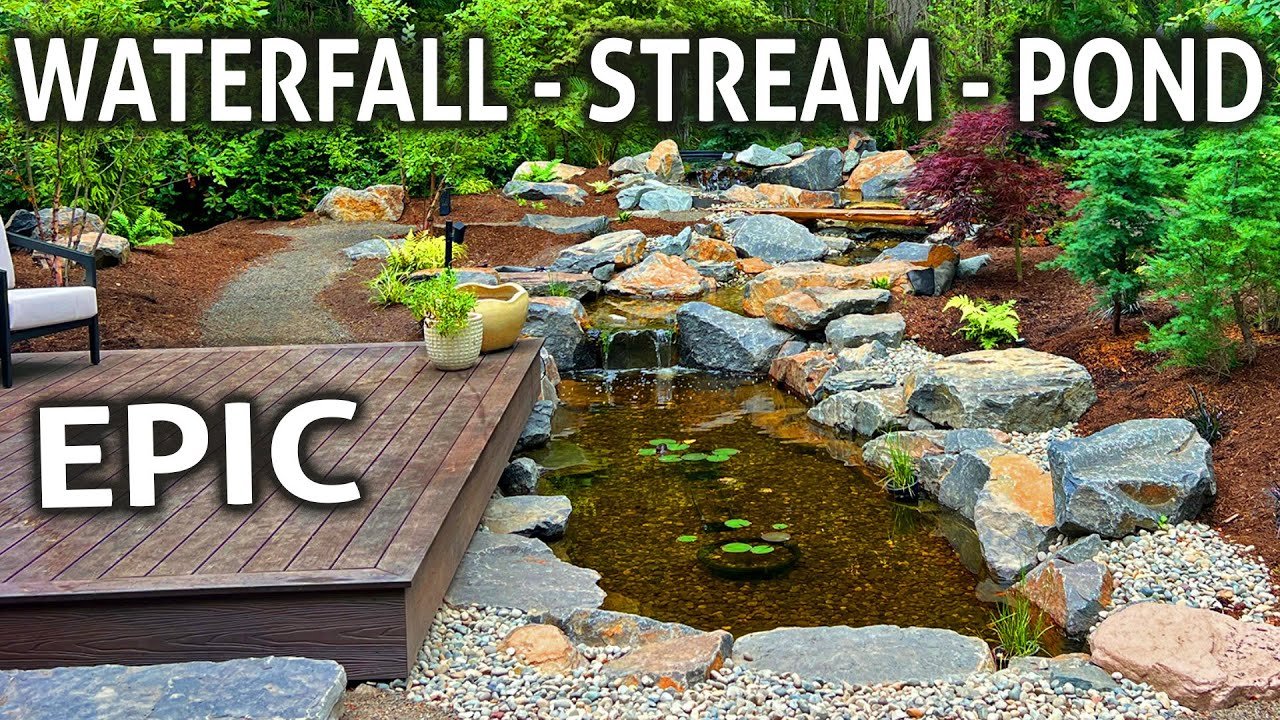
Imagine stepping into your backyard and being greeted by the peaceful sound of water gently flowing. A backyard pond isn’t just a beautiful addition—it’s a personal escape right outside your door.
If you’ve ever thought about creating your own pond but didn’t know where to start, this guide is made just for you. You’ll discover simple steps to build a stunning pond that brings life, calm, and charm to your outdoor space.
Ready to transform your yard into a tranquil retreat? Let’s dive in and make your backyard pond dream a reality.

Credit: coloradopondpros.com
Choosing The Right Location
Choosing the right location is key to a beautiful and lasting backyard pond. The spot affects the pond’s health, appearance, and ease of care. A good location helps plants and fish thrive. It also keeps the water clean and clear.
Consider sunlight, soil type, and nearby plants. These factors impact the pond’s ecosystem and your enjoyment. Take time to observe your yard throughout the day. Notice where the sun shines and where shade falls. This helps pick the perfect place for your pond.
Assessing Sunlight Exposure
Sunlight is vital for pond plants and fish. Most aquatic plants need 4 to 6 hours of sun daily. Too much sun causes algae growth and water warming. Too little sun slows plant growth.
Choose a spot with morning sun and afternoon shade. This balance supports healthy plants and keeps water cool. Avoid locations under large trees that block sunlight.
Checking Soil And Drainage
The soil must hold water and support the pond structure. Clay soils are best because they prevent water loss. Sandy or loose soils may cause leaks.
Good drainage around the pond is important. Avoid low spots that collect rainwater and cause flooding. Choose a level area to keep the pond stable.
Considering Nearby Plants And Structures
Trees and shrubs add beauty but can create problems. Falling leaves and branches dirty the water. Roots may damage the pond liner or walls.
Place the pond away from large trees and dense bushes. Keep enough space for maintenance and easy access. Nearby structures like decks or patios can enhance pond views.
Designing Your Pond
Designing your backyard pond is where your vision starts to take shape. It’s more than just digging a hole and filling it with water. Thoughtful design helps you create a space that fits your yard perfectly and brings you lasting enjoyment.
Size And Shape Considerations
Think about how much space you can dedicate to your pond. A small pond can still be stunning and easier to maintain, while a larger one offers more room for fish and plants.
Shape matters too. Rounded edges look natural and blend well with garden landscapes. Straight lines or geometric shapes give a modern feel but might need more careful planning.
Ask yourself what you want from your pond. Do you want a peaceful retreat, a lively fish habitat, or a focal point for gatherings? Your answer will guide the size and shape choices.
Incorporating Water Features
Adding water features like fountains, waterfalls, or bubblers can bring your pond to life. The sound of moving water soothes the mind and attracts birds and beneficial insects.
Consider the maintenance of each feature. A small fountain needs less power and upkeep than a large waterfall. Choose something that fits your lifestyle and budget.
Have you thought about lighting? Subtle underwater lights or spotlights can highlight your water features and extend enjoyment into the evening hours.
Gathering Essential Materials
Building a backyard pond begins with gathering the right materials. Each item plays a key role in creating a healthy and beautiful pond. Having everything ready makes the building process smooth and enjoyable.
Choosing the correct materials saves time and effort. It also ensures the pond lasts long and looks great. Focus on quality and suitability for your space and needs.
Liners And Underlay
Pond liners hold water and prevent leaks. They come in different materials like rubber, PVC, and polyethylene. Rubber liners are durable and flexible, ideal for most backyard ponds.
Underlay is a protective layer placed under the liner. It stops sharp objects from puncturing the liner. Felt or foam underlays work well for this purpose. Both liner and underlay must cover the entire pond area with extra edges.
Pumps And Filters
Pumps keep water moving, which stops it from becoming stagnant. Choose a pump with the right flow rate for your pond size. Too weak or too strong pumps can harm the pond’s balance.
Filters clean debris and improve water quality. Mechanical filters trap dirt, while biological filters help break down waste. Together, they keep the pond water clear and healthy for plants and fish.
Decorative Elements
Decorative elements add beauty and natural appeal to the pond. Rocks and stones can create a natural edge or waterfall. Aquatic plants bring color and help maintain water quality.
Other options include statues, lighting, and floating ornaments. Choose elements that fit your pond’s style and size. Proper placement of decorations enhances the pond’s overall look.
Excavating The Pond Area
Excavating the pond area is a crucial part of building your backyard pond. This step sets the foundation for the entire project, so precision matters. Taking the time to carefully plan and execute the excavation will save you headaches later on.
Marking The Perimeter
Start by defining the shape and size of your pond. Use a garden hose or rope to lay out the desired outline directly on the ground. This visual guide helps you see how the pond fits within your space before you dig.
Use spray paint or stakes to mark the edges clearly. Double-check the shape by walking around it. Does it flow naturally with your garden, or does it feel awkward? Adjust as needed before moving forward.
Digging And Shaping
Begin digging inside the marked perimeter, removing soil in layers. Create different depths for plant shelves, fish areas, and deeper zones to maintain water quality. This variety supports a healthy ecosystem in your pond.
Shape the edges with gentle slopes rather than sharp drops. This makes the pond safer and more attractive. You might find it helpful to keep a level nearby to check that shelves are even.
Have you considered where the excavated soil will go? Plan a spot for it to avoid cluttering your yard. You can reuse some soil to create berms or raised planting beds around the pond, adding to your garden’s charm.
Installing The Pond Liner
Installing the pond liner is a crucial part of building your backyard pond. It acts as a waterproof barrier, preventing water from seeping into the ground. Getting this step right ensures your pond stays full and healthy for years.
Positioning The Liner
Start by laying the liner loosely over the hole, allowing it to settle naturally into the shape of your pond. Avoid stretching it too tight; the liner needs some slack to adapt to the pond’s contours without tearing.
Check that the liner extends at least 12 inches beyond the pond’s edges. This extra material helps prevent leaks and gives you enough to work with when securing the edges. Have you considered how the liner will handle settling soil or shifting weather conditions?
Securing The Edges
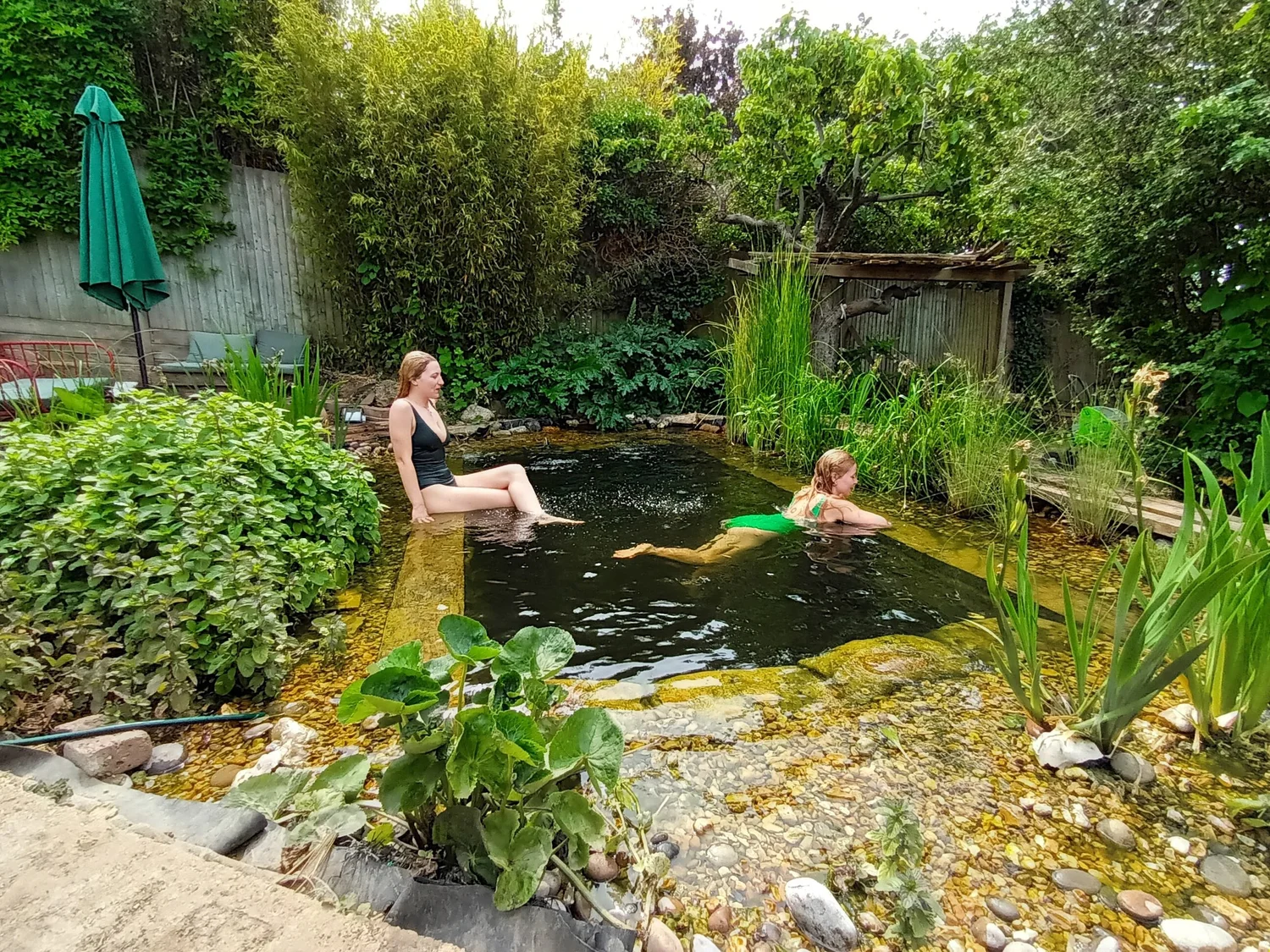
Once positioned, secure the liner edges with rocks or bricks to keep it in place. Place these weights around the perimeter to hold the liner steady while you make adjustments.
Next, bury the excess liner under soil or mulch along the pond’s edge. This not only hides the liner but also protects it from UV damage and sharp objects. Remember, a well-secured edge means less maintenance and fewer surprises down the line.
Credit: www.thesimplethings.com
Setting Up The Pump And Filter
Setting up the pump and filter is key to keeping your backyard pond clean and healthy. These parts move water and remove dirt. Proper setup helps fish and plants thrive. It also prevents algae and bad smells. Take time to pick the right pump and install the filter correctly. This keeps your pond clear and fresh.
Choosing The Right Pump
Pick a pump that matches your pond size. A pump too small won’t move enough water. One too large wastes energy. Check the pump’s flow rate, shown in gallons per hour (GPH). Match it to your pond volume. Also, consider energy use. Look for a pump with low wattage. Quiet pumps make your pond peaceful. Choose a pump made for outdoor use. It should handle dirt and debris well.
Installing The Filter System
Place the filter near the pond, but higher than water level. Connect the pump’s outlet to the filter’s inlet. Use flexible tubing to avoid leaks. Secure all connections tightly. The filter traps dirt and cleans water. Clean or replace filter media as the instructions say. Position the filter to allow easy access for maintenance. Check for leaks after setup. Turn on the pump and watch water flow through the filter. Adjust if needed for smooth operation.
Adding Water And Testing
Adding water to your backyard pond is an exciting step. This process brings your pond to life. It also helps you identify any problems early. Testing the pond ensures a healthy environment for plants and fish.
Filling The Pond
Begin filling the pond slowly with water. Use a garden hose with a spray nozzle for gentle flow. This prevents damage to pond liner and plants. Fill the pond until water reaches the desired level. Avoid overfilling to allow space for rainwater.
During filling, watch for any floating debris. Remove leaves or dirt to keep water clean. Using dechlorinated water is best for fish and plants. Let water sit for 24 hours if using tap water.
Checking For Leaks
Check pond edges and liner carefully for leaks. Look for damp soil or water pooling outside the pond. Monitor water level daily for the first week. A drop in water level might indicate a leak.
Fix small leaks with a pond liner patch kit. Follow instructions carefully for a strong seal. Larger leaks may need professional help. Early detection saves water and protects your pond.
Credit: davesgarden.com
Landscaping Around The Pond
Landscaping around your backyard pond is the key to creating a natural and inviting space. It sets the tone and enhances the overall look of your water feature. Thoughtful choices in plants and hardscape elements can make your pond feel like part of the landscape rather than just an addition.
Choosing Plants And Flowers
Select plants that thrive in moist soil near water edges. Marginal plants like cattails, irises, and pickerelweed bring texture and color right at the pond’s edge. They also provide shelter and habitat for wildlife, adding life to your pond area.
Don’t forget to mix in some flowering plants to attract pollinators. You might try purple coneflowers or daylilies a little further back to add pops of color. Think about how tall or wide your plants will grow—avoid blocking views of the pond completely.
Have you considered how seasonal changes will affect your plant choices? Aim for a mix that offers visual interest year-round. This way, your pond remains appealing through spring blooms, summer greenery, and even autumn foliage.
Incorporating Rocks And Stones
Adding rocks and stones creates a natural border that helps contain soil and plants. Use a variety of sizes, from small pebbles to larger boulders, to keep the design interesting and organic. Placing stones unevenly avoids a manufactured look and feels more authentic.
Think about where you want people to walk or sit around your pond. Flat stones can create stepping paths or seating areas that invite interaction with your water feature. Don’t be afraid to tuck stones partially into the ground for a seamless transition between pond and garden.
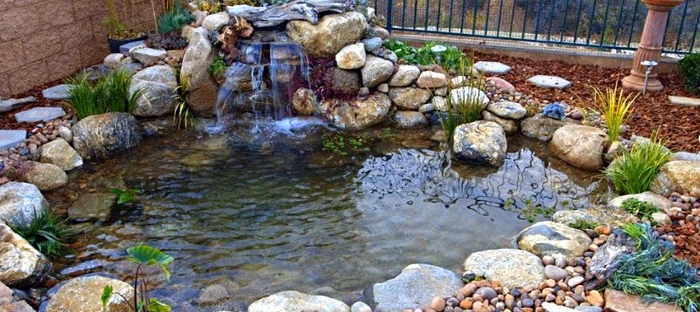
Have you noticed how water interacts with stones in natural settings? Positioning rocks to direct water flow or create small cascades adds sound and movement. This simple addition can transform the atmosphere around your pond, making it more peaceful and engaging.
Introducing Fish And Wildlife
Introducing fish and wildlife to your backyard pond brings life and movement to the water, creating a vibrant ecosystem right outside your door. It’s not just about aesthetics; a balanced mix of creatures helps maintain water quality and supports natural pest control. But how do you choose the right fish and attract local wildlife without upsetting the pond’s harmony?
Selecting Suitable Fish
Choosing the right fish depends on your pond’s size, climate, and the amount of care you can provide. Goldfish and koi are popular choices because they tolerate a range of conditions and add striking color. However, koi need larger ponds and can be more demanding.
Consider native fish species if you want a low-maintenance option that supports local ecology. Bluegill and sunfish are hardy and help control mosquito larvae. Avoid overcrowding your pond; too many fish can deplete oxygen and cause stress.
- Start with a small number and monitor their health.
- Feed them sparingly to prevent water pollution.
- Provide shaded areas with plants or rocks to protect fish from predators and heat.
Encouraging Local Wildlife
To invite local wildlife like frogs, dragonflies, and birds, create a welcoming environment around your pond. Native plants along the edges offer shelter and food sources. You might be surprised how quickly dragonflies appear once you have water plants like water lilies or reeds.
Adding logs or flat stones near the water’s edge creates sunbathing spots for turtles and frogs. Avoid chemical pesticides nearby to keep the habitat safe for all creatures. Have you noticed how birds often visit ponds with a shallow edge? Gentle slopes make it easier for them to drink and bathe.
- Plant native wildflowers to attract pollinators.
- Install a birdbath or shallow dish nearby for extra water sources.
- Keep a quiet, undisturbed area to encourage wildlife visits.
Maintaining Your Pond
Maintaining your backyard pond keeps it healthy and beautiful. A well-kept pond supports plants and fish while preventing algae and debris buildup. Regular care ensures clear water and a thriving ecosystem. Small efforts add up to big results over time.
Regular Cleaning And Upkeep
Remove leaves and debris from the surface often. Use a pond net or skimmer to clear floating material. Clean filters and pumps monthly to keep water flowing well. Check water levels and top up with fresh water as needed. Inspect plants and fish for signs of stress or disease. Clear algae growth by gently scrubbing rocks or using safe treatments. Keep the pond edges tidy by trimming overgrown plants.
Seasonal Care Tips
Spring calls for removing winter debris and restarting pumps. Add beneficial bacteria to boost water quality. Summer needs shade and aeration to prevent overheating. Watch for excess algae during warm days. Fall requires leaf netting and removing dead plants. Prepare fish for colder water by feeding less. Winter care depends on climate; use pond heaters or aerators to keep water oxygenated. Avoid breaking ice suddenly to protect aquatic life.
Frequently Asked Questions
How Do I Start Building A Backyard Pond?
Begin by choosing a sunny, flat spot. Mark the pond shape, dig the hole, and install a pond liner. Add rocks and plants to create a natural look. Finish by filling with water and adding a pump for circulation.
What Materials Are Needed For A Backyard Pond?
You need a pond liner, a shovel, a pump, rocks, aquatic plants, and a water source. Optional items include a filter and pond lighting. These materials ensure your pond is functional, attractive, and easy to maintain.
How Deep Should A Backyard Pond Be?
A backyard pond should be at least 18 to 24 inches deep. This depth supports fish and plants while preventing the water from freezing solid in winter. Deeper areas offer better temperature regulation and habitat variety.
Can I Keep Fish In My Backyard Pond?
Yes, you can keep fish like koi or goldfish. Ensure your pond has proper filtration and aeration. Maintain water quality and avoid overcrowding to keep fish healthy and happy.
Conclusion
Building a backyard pond brings calm and beauty to your space. It takes some effort but is very rewarding. Choose a good spot and plan carefully. Dig the pond, add liner, and fill with water. Add plants and fish to create a lively scene.
Keep the pond clean and check the water often. Enjoy watching nature come alive right outside your door. A backyard pond can become your peaceful retreat. Start small, learn as you go, and have fun!

