
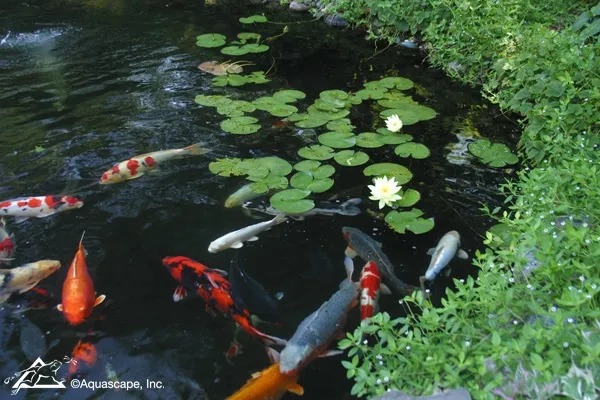
Do you want your backyard pond to be a vibrant, healthy home for your fish? Maintaining fish in your pond might seem tricky, but with the right steps, it can be simple and rewarding.
Imagine watching your fish swim happily in clear, sparkling water every day. This guide will show you exactly how to care for your pond fish, avoid common problems, and keep your outdoor space beautiful. Keep reading, and you’ll discover easy tips that make a big difference for your fish and your pond’s health.
Credit: vandenberglandscapes.com
Choosing The Right Fish Species
Choosing the right fish species is the foundation of a healthy and vibrant backyard pond. The fish you pick will affect water quality, maintenance needs, and the overall balance of your pond’s ecosystem. It’s important to think about your pond’s size, climate, and how much time you can spend caring for your fish.
Understanding Your Pond Environment
Not all fish thrive in every pond. Consider the size and depth of your pond first. Shallow ponds may not support larger fish or species that need cooler water.
Also, think about your local climate. Some fish handle cold winters better, while others prefer warm water year-round. Matching fish species to your environment reduces stress on the fish and keeps your pond healthier.
Choosing Fish Based On Care Level
Some fish are low-maintenance and hardy, perfect if you’re new to pond keeping. Others require more attention and specific water conditions. Ask yourself how much time you can dedicate to feeding, cleaning, and monitoring water quality.
For example, koi are beautiful but need more care and space. Goldfish are easier to maintain and adapt well to different conditions. Pick species that match your lifestyle for a smoother experience.
Balancing Fish Species For A Healthy Pond
Mixing different fish species can create a balanced pond ecosystem. Some fish eat algae, helping keep the water clear. Others control insect larvae or stir up the pond bottom, preventing buildup.
Think about combining bottom feeders, surface swimmers, and mid-water fish. This diversity helps the pond stay cleaner and reduces the chance of one species dominating and upsetting the balance.
Creating A Balanced Ecosystem
Creating a balanced ecosystem in your backyard pond is key to keeping your fish healthy and happy. A well-balanced pond mimics nature, reducing the need for constant intervention. It helps maintain water quality, control algae, and support aquatic life naturally.
Plants And Vegetation
A variety of aquatic plants add oxygen and provide shelter for your fish. Floating plants like water lilies give shade, helping to keep the water cool and reduce algae growth. Submerged plants such as hornwort or anacharis improve oxygen levels and offer hiding spots for smaller fish.
Have you noticed how plants can change the look and feel of your pond? Adding different types of plants creates layers in the water, which supports diverse life and keeps your fish comfortable.
Natural Predators
Introducing natural predators can help control pests without chemicals. Dragonfly larvae, for example, eat mosquito larvae that would otherwise annoy you and your fish. Birds like herons are natural fish predators but can be managed with decoys or netting to protect your pond inhabitants.
Think about the balance between predators and prey in your pond. Too many predators can stress your fish, but a few help keep the ecosystem healthy and pest-free.
Beneficial Bacteria
Beneficial bacteria break down fish waste and organic debris, keeping your water clean and clear. These microbes form a natural filtration system that prevents toxic ammonia and nitrite buildup. You can boost their growth by adding bacterial supplements or by maintaining good pond conditions.
Have you checked if your pond has enough beneficial bacteria? Supporting these tiny helpers makes a big difference in water quality and fish health.
Pond Water Quality
Maintaining good pond water quality is essential for the health of your fish and the overall balance of your backyard pond. Poor water quality can stress fish, cause diseases, and lead to unpleasant odors or murky water. Keeping the water clean and well-balanced creates a thriving environment where your fish can flourish.
Filtration Systems
A reliable filtration system is the backbone of clear pond water. It removes debris, excess nutrients, and harmful substances that can build up quickly in a small pond. Mechanical filters trap particles, while biological filters use beneficial bacteria to break down toxic ammonia and nitrites into less harmful nitrates.
Choosing the right filter depends on your pond size and fish load. For instance, a pond with many fish requires a stronger filter to handle the waste. Have you checked if your current filter matches your pond’s needs?
Regular Water Testing
Testing your pond water regularly helps you catch problems before they become serious. Simple test kits can measure pH, ammonia, nitrite, nitrate, and oxygen levels. These factors affect fish health directly and indicate if your filtration is working well.
Set a schedule to test the water at least once a week, especially during hot months when water quality can change rapidly. If you see spikes in ammonia or nitrites, act quickly to improve filtration or do a partial water change. Do you know the ideal pH range for your fish species?
Controlling Algae Growth
Algae can turn your pond green and rob oxygen from your fish, but some algae are normal in any pond. Too much algae signals an imbalance, often caused by excess nutrients like phosphates and nitrates. To control algae, try adding aquatic plants that compete for nutrients and provide shade.
You can also reduce algae by limiting direct sunlight with floating plants or installing a UV clarifier in your filtration system. Avoid overfeeding your fish, as leftover food boosts algae growth. Have you noticed algae blooms after feeding your fish too much?
Credit: www.aquascapeinc.com
Feeding Your Fish
Feeding your fish is one of the most important aspects of maintaining a healthy backyard pond. The right diet keeps your fish vibrant and active, while also supporting the pond’s ecosystem. Understanding how to choose the right food and establish a proper feeding routine can make a big difference in your pond’s success.
Selecting Fish Food
Choosing the right fish food depends on the type of fish you have and the season. During warmer months, fish eat more and benefit from high-protein pellets that promote growth. In cooler months, their metabolism slows, so switching to wheat germ-based food helps digestion.
Look for foods that are specifically made for pond fish, such as koi or goldfish pellets. Avoid generic aquarium food, as it may not provide all the nutrients your pond fish need. Also, consider adding occasional treats like live or frozen bloodworms to diversify their diet.
Feeding Schedule
Consistency matters. Feed your fish once or twice a day, giving them only as much food as they can eat in about five minutes. Feeding smaller amounts more frequently is better than one large feeding, as it reduces waste and keeps the water cleaner.
Keep an eye on their behavior—if they eagerly come to the surface, they’re ready to eat. If they ignore the food, it might be time to skip a feeding or adjust the portion size. Remember, in colder temperatures, fish need less food or might not need feeding at all.
Avoiding Overfeeding
Overfeeding is a common mistake that can harm both your fish and your pond. Leftover food decomposes and pollutes the water, leading to algae growth and oxygen depletion. This can cause stress and illness in your fish.
To prevent overfeeding, only offer food your fish can finish quickly. Remove any uneaten food after feeding time. Ask yourself: Are you feeding your fish out of routine or because they actually need it? Sometimes less is more when it comes to fish care.
Seasonal Care Tips
Maintaining a backyard pond requires attention through all seasons. Each season brings unique challenges for your fish and pond environment. Adapting care routines helps fish stay healthy and the pond clean year-round.
Winter Precautions
Keep the pond from freezing completely to allow gas exchange. Use a pond heater or floating de-icer for this. Remove fallen leaves and debris to prevent water pollution. Feed fish less often as their metabolism slows down. Avoid feeding if water temperature drops below 50°F. Check pumps and filters to ensure they run smoothly or shut them off if freezing risk is high.
Summer Maintenance
Monitor water temperature closely; fish can get stressed above 80°F. Provide shade with floating plants or pond covers to reduce heat. Aerate water using fountains or air pumps to keep oxygen levels high. Change a portion of the water weekly to avoid buildup of toxins. Clean filters regularly to maintain water clarity. Watch for signs of algae and control it by reducing excess nutrients.
Spring Cleaning
Remove sludge and leftover debris from the pond bottom to improve water quality. Inspect pond equipment like pumps, filters, and aerators for damage. Restart filtration systems after winter shutdown. Check fish health and remove any sick or dead fish promptly. Add aquatic plants to help balance the ecosystem. Gradually increase fish feeding as water warms above 50°F.
Credit: smart-pond.com
Preventing Common Fish Diseases
Preventing common fish diseases is key to keeping your backyard pond healthy. Fish can get sick from poor water quality, stress, or parasites. Early detection and proper care reduce fish loss. Understanding symptoms helps catch problems fast. A clean environment stops many illnesses.
Disease Symptoms
Watch your fish daily for signs of illness. Symptoms include:
- White spots on body or fins
- Red or inflamed areas
- Clamped fins or unusual swimming
- Loss of appetite
- Gasping at the water surface
- Visible wounds or sores
Healthy fish are active and eat well. Spotting changes early helps prevent spread.
Isolation And Treatment
Sick fish need quick isolation from others. Use a separate tank or quarantine area.
Treatments vary by disease. Common options include:
- Medicated baths or dips
- Water treatments with antibiotics or antiparasitics
- Improving water conditions
Follow instructions on medicines carefully. Check fish daily for improvement.
Maintaining A Healthy Environment
Clean water is the best defense. Test water regularly for ammonia, nitrites, and pH.
Use filters and do partial water changes often. Remove uneaten food and debris.
Keep pond plants trimmed. Avoid overcrowding fish to reduce stress.
Good pond care limits disease risks and keeps fish thriving.
Predator Protection
Protecting your backyard pond fish from predators is essential to maintain a healthy and thriving aquatic environment. Predators like birds, raccoons, and neighborhood cats can quickly reduce your fish population if you don’t take preventive measures. Fortunately, there are effective ways to safeguard your pond without disrupting its natural beauty.
Netting Solutions
Adding a sturdy net over your pond is one of the most straightforward ways to keep predators at bay. Choose a net with small enough mesh to stop birds but still allow sunlight and rain to reach the water. Secure the edges firmly to prevent animals from sneaking underneath.
You might worry about the net looking unattractive, but you can find options that blend well with your garden or even use clear nylon nets for a less visible barrier. Think about your pond’s shape and size—custom-fit nets work best to avoid sagging or gaps.
Scare Tactics
Predators often avoid areas where they feel threatened. Placing decoys like fake owls, herons, or even reflective objects can keep birds and other animals away. Move these scare devices regularly to prevent predators from getting used to them.
Motion-activated sprinklers can also startle intruders without harming them. They add an unexpected burst of water that will encourage predators to look for easier meals elsewhere. Have you tried combining multiple scare tactics for better results?
Safe Hiding Spots
Providing your fish with places to hide is a natural way to reduce predator attacks. Adding rocks, dense aquatic plants, or underwater caves gives fish quick escape routes. These spots make it harder for predators to catch them, especially during feeding times.
Creating varied depths in your pond also helps. Fish feel safer when they can swim to deeper areas away from surface threats. Have you noticed how your fish behave differently when they have plenty of hiding places?
Regular Maintenance Routine
Maintaining a backyard pond requires a steady routine to keep fish healthy and water clean. Regular care prevents problems and keeps the pond beautiful year-round. This routine breaks down into weekly, monthly, and annual tasks. Each level focuses on different aspects of pond health.
Weekly Tasks
- Check water clarity and remove debris like leaves and twigs.
- Test water temperature and oxygen levels.
- Feed fish in small amounts to avoid leftover food.
- Inspect fish for signs of illness or stress.
- Clean pond filters gently to keep water flowing well.
Monthly Checks
- Test water quality for pH, ammonia, nitrites, and nitrates.
- Trim aquatic plants to prevent overgrowth.
- Examine pond equipment like pumps and aerators for damage.
- Remove excess algae to maintain balance.
- Top up water levels if evaporation occurs.
Annual Overhaul
- Drain part or all of the pond to clean the bottom.
- Deep clean filters and replace worn parts.
- Inspect and repair pond liner and structures.
- Review fish population and adjust if needed.
- Prepare pond for seasonal changes, especially winter.
Frequently Asked Questions
How Often Should I Clean A Backyard Fish Pond?
Clean your pond every 2-4 weeks to maintain water quality. Remove debris and excess algae regularly to prevent fish stress.
What Is The Best Fish Food For Pond Fish?
Use high-quality, balanced fish pellets designed for pond species. Feed small amounts 1-2 times daily, avoiding overfeeding to keep water clean.
How Can I Prevent Fish Diseases In My Pond?
Maintain clean water, avoid overcrowding, and quarantine new fish. Regularly monitor fish health and treat promptly if symptoms appear.
What Water Parameters Are Ideal For Backyard Pond Fish?
Keep water temperature between 65-75°F, pH 6. 5-8. 0, and ammonia near zero. Regularly test water to ensure a healthy environment for fish.
Conclusion
Keeping fish healthy in your backyard pond takes care and attention. Feed them the right amount and keep the water clean. Watch for signs of illness and act quickly. Regularly check filters and remove debris. A balanced environment helps fish grow strong and live longer.
Small steps each day make a big difference. Enjoy the calm and beauty your pond brings. Your fish will thank you with vibrant colors and lively swimming. Simple habits keep your pond a happy home for fish.

