
Is the soothing sound of your water feature turning into a noisy distraction? If your peaceful garden retreat feels more like a loud, bubbling mess, you’re not alone.
You want to enjoy the calming presence of water without the constant, irritating noise. You’ll discover simple and effective ways to make your water feature quiet again. From easy fixes to smart adjustments, you’ll learn how to bring back the gentle, relaxing sounds that make your outdoor space truly special.
Keep reading, and transform your noisy water feature into a peaceful oasis you’ll love.
Identify Noise Sources
Understanding where noise comes from in your water feature is the first step to making it quieter. Noise can sneak in from various parts you might not expect. Identifying these sources helps you target the problem directly, saving you time and effort.
Check The Pump And Motor
Your water feature’s pump is often the loudest culprit. Pumps can vibrate against hard surfaces, creating constant buzzing or humming sounds. Have you noticed if the noise changes when you touch or move the pump slightly? That’s a clear sign it’s the source.
Look for loose fittings or worn-out parts in the pump housing. Even small cracks or gaps can amplify noise. Sometimes, simply placing the pump on a soft mat can reduce vibration noise significantly.
Inspect Water Flow And Splashing
Water hitting surfaces too hard or splashing can cause unexpected noise. Is your water falling from a height onto a hard basin or rocks? That impact sound might be louder than you think.
Try adjusting the water flow or changing the landing spot. Adding pebbles or a rubber liner where water lands can soften the splash and reduce noise. Does your water feature have multiple outlets? Each may contribute differently to the overall sound.
Look For Air Bubbles And Cavitation
Air trapped in the pump or pipes can cause annoying gurgling or rattling noises. Have you heard a bubbling sound when the system runs? That often points to air pockets.
Check for leaks or loose connections where air might enter. Bleeding the system to remove trapped air can clear up the noise. Cavitation, a condition where vapor bubbles collapse inside the pump, also produces loud sounds—this usually means the pump is working harder than it should.
Evaluate Surrounding Environment
Sometimes, noise isn’t just from the water feature itself but how sound reflects around it. Hard surfaces like walls or patios can bounce sound back, making it seem louder.
Have you noticed the noise changes depending on where you stand? Adding plants, shrubs, or sound-absorbing materials nearby can soften the echoes. Think about how your feature fits into the space—it might be the environment amplifying the sound more than the feature.
Use Adjustable Pumps
Adjustable pumps give you control over the flow and noise level of your water feature. Instead of a constant, loud rush of water, you can fine-tune the pump’s speed to find the perfect balance between sound and movement. This flexibility helps keep your water feature peaceful without sacrificing its beauty.
How Adjustable Pumps Reduce Noise
Adjustable pumps let you slow down the water flow, which directly lowers the noise created by splashing or rushing water. A high-speed pump often causes turbulence, making a loud, harsh sound. By reducing the speed, you create a gentler, softer water movement that is more soothing.
Choosing The Right Adjustable Pump
Look for pumps with easy-to-use speed controls, so you can adjust settings without hassle. Some models come with dial controls, while others offer digital interfaces. Make sure the pump’s maximum flow suits the size of your water feature to avoid overworking the system.
Tips For Installing Adjustable Pumps Quietly
- Place the pump on a soft surface or use rubber padding to absorb vibrations.
- Ensure all connections are tight to prevent rattling noises.
- Regularly clean the pump to avoid clogs that can increase noise.
Personal Experience With Adjustable Pumps
I once had a fountain that roared loudly, disturbing the calm in my garden. Switching to an adjustable pump made a huge difference—by simply lowering the speed, the water sound became a gentle murmur. It reminded me how small changes can create a big impact on your outdoor space’s atmosphere.
Have you noticed how just a slight adjustment in flow can change the entire mood of your water feature? Trying an adjustable pump could be the quiet solution you didn’t know you needed.
Install Sound Barriers
Installing sound barriers can significantly reduce the noise from your water feature, creating a more peaceful outdoor space. These barriers block or absorb sound waves, preventing the noise from traveling too far. Choosing the right type of barrier can transform your garden into a quiet retreat where you can relax without the constant rush of water sounds overwhelming the area.
Natural Sound Barriers
Plants and trees are excellent natural sound barriers. Tall hedges like boxwood or dense shrubs such as bamboo absorb sound effectively. Adding a row of evergreens can block noise year-round, giving you continuous relief from the water’s sound.
Think about how a thick garden hedge muffles street noise. The same principle applies to your water feature. You might want to try layering different plants to create a denser wall that traps sound better.
Besides plants, earth mounds or berms can serve as natural barriers. Raised soil barriers are easy to shape and cover with grass or flowers. They not only reduce noise but also add an interesting landscape element.
Artificial Sound Barriers
If space or plant growth is a concern, artificial barriers provide a quick and effective solution. Fences made of dense wood or composite materials can block sound effectively. For example, a solid cedar fence can reduce noise by reflecting and absorbing sound waves.
Another option is installing acoustic panels specifically designed for outdoor use. These panels are made from materials that absorb sound rather than reflect it. You can place them strategically around your water feature to cut down noise without blocking your view.
Have you considered combining both types? Using an artificial barrier with some climbing plants growing on it adds an extra layer of sound absorption while keeping the space visually appealing. This approach makes your water feature quieter and more attractive simultaneously.
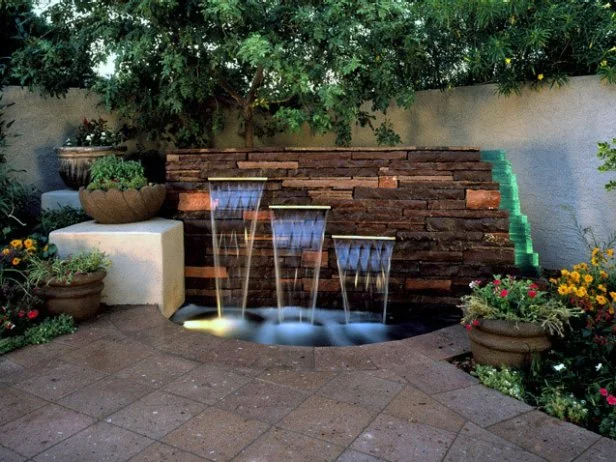
Credit: www.hgtv.com
Add Softening Materials
Adding softening materials around your water feature helps reduce noise naturally. These materials absorb and muffle the sound of flowing water. They create a peaceful, calm environment that enhances your outdoor space. Softening materials also improve the visual appeal of your water feature.
Rocks And Pebbles
Rocks and pebbles act as natural sound buffers. Placing them where water falls or splashes lowers noise levels. Choose smooth, rounded pebbles to scatter water softly. Layer rocks of different sizes to break the water’s impact. This method slows water flow and reduces harsh sounds.
Aquatic Plants
Aquatic plants absorb sound and soften water movement. Plant tall grasses or reeds near the water edge. Floating plants like water lilies help diffuse water splashes. These plants create a natural barrier that lessens noise. They add beauty and support local wildlife around your water feature.
Adjust Water Flow
Adjusting the water flow is key to creating a quieter water feature. Too much water rushing too fast creates noise that can disrupt the peaceful atmosphere you want. By managing how the water moves, you gain control over the sound levels and can create a gentle, soothing effect instead.
Control Water Speed
Slowing down the water speed immediately reduces splashing sounds. You can do this by adjusting the pump settings or installing a flow restrictor. I once reduced my pond pump speed by half, and the noise dropped noticeably without affecting the water’s visual appeal.
Try experimenting with different speeds to find the perfect balance. If the water moves too slowly, it might look stagnant. But if it moves too quickly, the noise can become overwhelming.
Optimize Waterfall Angles
The angle at which water falls impacts how loud the splash is. Steeper angles create louder splashes because water hits the surface with more force. Shallowing the angle spreads the water over a wider area, softening the sound.
Adjust the waterfall’s rocks or panels to change the flow path. Even small tweaks can make a big difference in noise reduction. Have you noticed how a gentle cascade sounds much calmer than a direct drop?
Use Quiet Pumps
Choosing the right pump is key to making your water feature quiet. Pumps create the water flow, but they can also produce unwanted noise. Using quiet pumps lets you enjoy the soothing sound of water without the distraction of mechanical hums or vibrations.
Types Of Quiet Pumps
Not all pumps are created equal in terms of noise. Submersible pumps are often quieter because they sit underwater, which helps muffle sound. Magnetic drive pumps also tend to operate smoothly and quietly since they have fewer moving parts.
What To Look For In A Quiet Pump
- Low Decibel Rating:Check the noise level, usually listed in decibels (dB). Aim for pumps under 50 dB for a peaceful environment.
- Variable Speed:Pumps with adjustable flow let you reduce speed and noise when full power isn’t needed.
- Quality Bearings and Motors:High-quality components prevent rattling and humming sounds.
How To Install Pumps To Minimize Noise
Even a quiet pump can sound loud if not installed correctly. Place the pump on a soft, vibration-absorbing mat to prevent it from shaking against hard surfaces. Also, ensure the pump is fully submerged to reduce cavitation noise.
Personal Experience: Why I Switched To A Quiet Pump
After struggling with a loud pond pump that ruined my backyard’s calm atmosphere, I switched to a magnetic drive submersible pump. The difference was night and day—my water feature became a true retreat. Have you ever noticed how a noisy pump can spoil your relaxation? Choosing the right pump changed everything for me.
Regular Maintenance
Regular maintenance keeps your water feature running smoothly and quietly. Dirt and debris can cause noise and wear on parts. A clean system reduces friction and prevents damage. Checking parts often catches problems early. This saves money and keeps the water feature peaceful.
Cleaning And Lubrication
Remove leaves and dirt from the pump and filters. Clean the water feature’s basin to stop buildup. Use a soft brush or cloth for gentle cleaning. Lubricate moving parts with water-safe oil. This reduces friction and noise. Avoid harsh chemicals that can harm plants or fish.
Inspect For Wear And Tear
Look closely at pumps, hoses, and seals for cracks or leaks. Worn parts can cause rattling or humming sounds. Replace damaged parts quickly to avoid bigger problems. Tighten loose screws and fittings. Regular checks prevent noisy breakdowns and extend the life of your water feature.
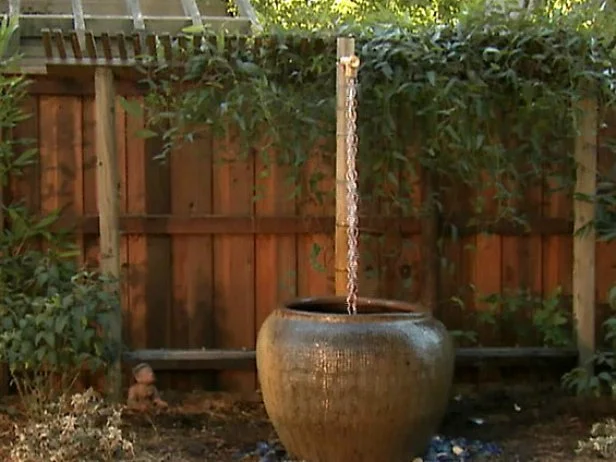
Credit: www.hgtv.com
Incorporate Design Modifications
Incorporate design modifications to reduce noise from your water feature. Thoughtful design changes can lower loud splashes and humming pumps. Simple adjustments help create a calm, peaceful water sound.
These tweaks focus on controlling water flow and sound waves. They fit easily into most water feature setups. Applying these ideas can improve your outdoor space’s quietness.
Use Of Baffles
Baffles help slow down water flow and soften sound. They act as barriers that break water’s path. This reduces the force of water hitting surfaces.
Place baffles where water falls or flows fast. Materials like wood, plastic, or stone work well. Baffles also help spread water evenly, reducing loud splashes.
They absorb some sound energy, cutting down noise levels. Adjust their position to find the quietest effect. Baffles are a simple tool to calm noisy water.
Resonance Chambers
Resonance chambers change how sound waves move. They trap and absorb certain frequencies, reducing noise. Chambers can be built inside or near the water feature.
Use hollow spaces or special containers as chambers. Sound waves bounce inside, losing energy and volume. This leads to a softer, more natural water sound.
Design chambers to fit your feature’s size and shape. Experiment with different chamber sizes for best results. Resonance chambers offer an effective way to quiet noisy water features.
Implement Ambient Soundscapes
Implementing ambient soundscapes is a smart way to soften the noise from your water feature. It helps mask any loud splashes or mechanical sounds without needing to alter the water flow itself. Adding layers of sound creates a more peaceful environment that feels natural and relaxing.
Background Music
Playing soft background music near your water feature can make a big difference. Choose calming tunes like acoustic guitar, piano, or gentle instrumental tracks that don’t compete with the water’s sound. The music should blend in rather than stand out, helping your mind focus on relaxation instead of the noise.
Think about the last time you sat near a fountain with your favorite playlist in the background. Did the combination make the noise less distracting? Your own experience can guide you to pick the right music style and volume.
Nature Sounds
Adding nature sounds is another effective way to quiet your water feature. Sounds like birds chirping, wind rustling through leaves, or distant thunder can create a natural atmosphere that complements the water’s sound.
You can use small outdoor speakers hidden in plants or garden features to play these sounds. This setup makes the water noise feel like part of a larger, calming environment rather than a loud, isolated sound.
Have you noticed how a forest or beach sounds peaceful even with water nearby? Mimicking these natural soundscapes can make your garden feel just as serene.

Credit: www.familyhandyman.com
Frequently Asked Questions
How Can I Reduce Noise From My Water Feature?
To reduce noise, check the pump flow rate and adjust it lower. Use sound-absorbing materials around the feature. Adding plants or rocks can also dampen sound. Regular maintenance prevents clogs that cause loud splashing. These steps make your water feature quieter and more peaceful.
What Causes Loud Water Splashing In Features?
Loud splashing usually results from high water flow or low water levels. Strong pump pressure sends water forcefully, creating noise. Shallow basins cause water to hit hard surfaces loudly. Adjusting flow and maintaining water depth helps minimize noise effectively.
Are Silent Water Pumps Available For Water Features?
Yes, silent or low-noise water pumps are designed to operate quietly. These pumps use advanced technology to reduce vibration and motor noise. Investing in a quiet pump significantly lowers overall sound levels. Choose pumps labeled “whisper quiet” for the best results.
Can Adding Plants Help Make Water Features Quieter?
Yes, plants around the water feature absorb and diffuse sound waves. Tall grasses, reeds, and shrubs act as natural sound barriers. They also enhance the aesthetic appeal while softening noise. Incorporate vegetation strategically to create a quieter and attractive water feature.
Conclusion
Creating a quiet water feature takes some care and simple steps. Choose soft materials that absorb sound. Adjust water flow to avoid splashing noise. Place plants or stones near the water to soften sounds. Regular cleaning helps keep the feature calm and smooth.
A peaceful water feature adds calm to any space. Enjoy the gentle sounds and relax more. With these tips, your water feature stays quiet and lovely.

