
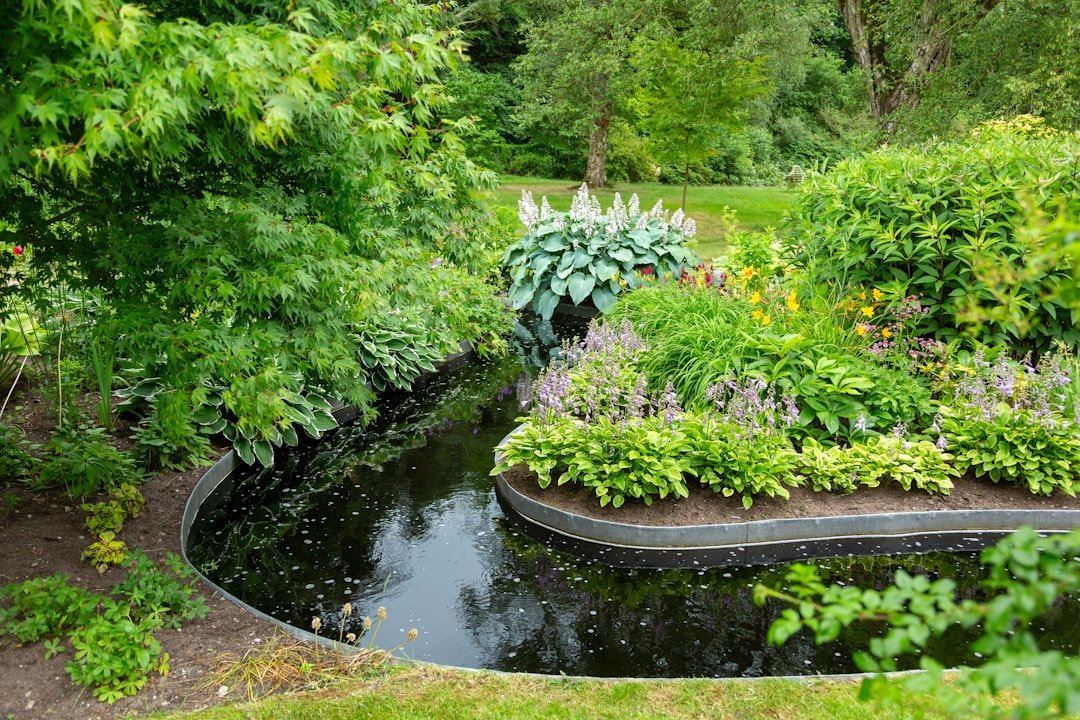
Imagine stepping into your garden and hearing the soothing sound of flowing water. A water feature can instantly transform your outdoor space into a peaceful retreat.
But how do you add one without it feeling out of place or overwhelming your garden? If you’ve been wondering how to integrate a water feature into your garden, this guide is for you. You’ll discover simple, practical tips that make your garden more beautiful and relaxing.
Keep reading, and you’ll learn how to create a stunning water feature that fits perfectly with your style and space.
Choosing The Right Water Feature
Choosing the right water feature for your garden sets the tone for the entire outdoor space. It’s not just about picking something that looks good; you want a feature that fits your garden’s style, size, and your personal needs. Think about how you want to interact with the water—do you want the calming sound of a fountain, a reflective pond, or perhaps a playful waterfall?
Types Of Water Features
There are many types of water features to consider, each bringing a unique vibe. Some popular choices include:
- Fountains:These add movement and sound, perfect for a lively atmosphere.
- Ponds:Great for a natural, serene look and can support plants and fish.
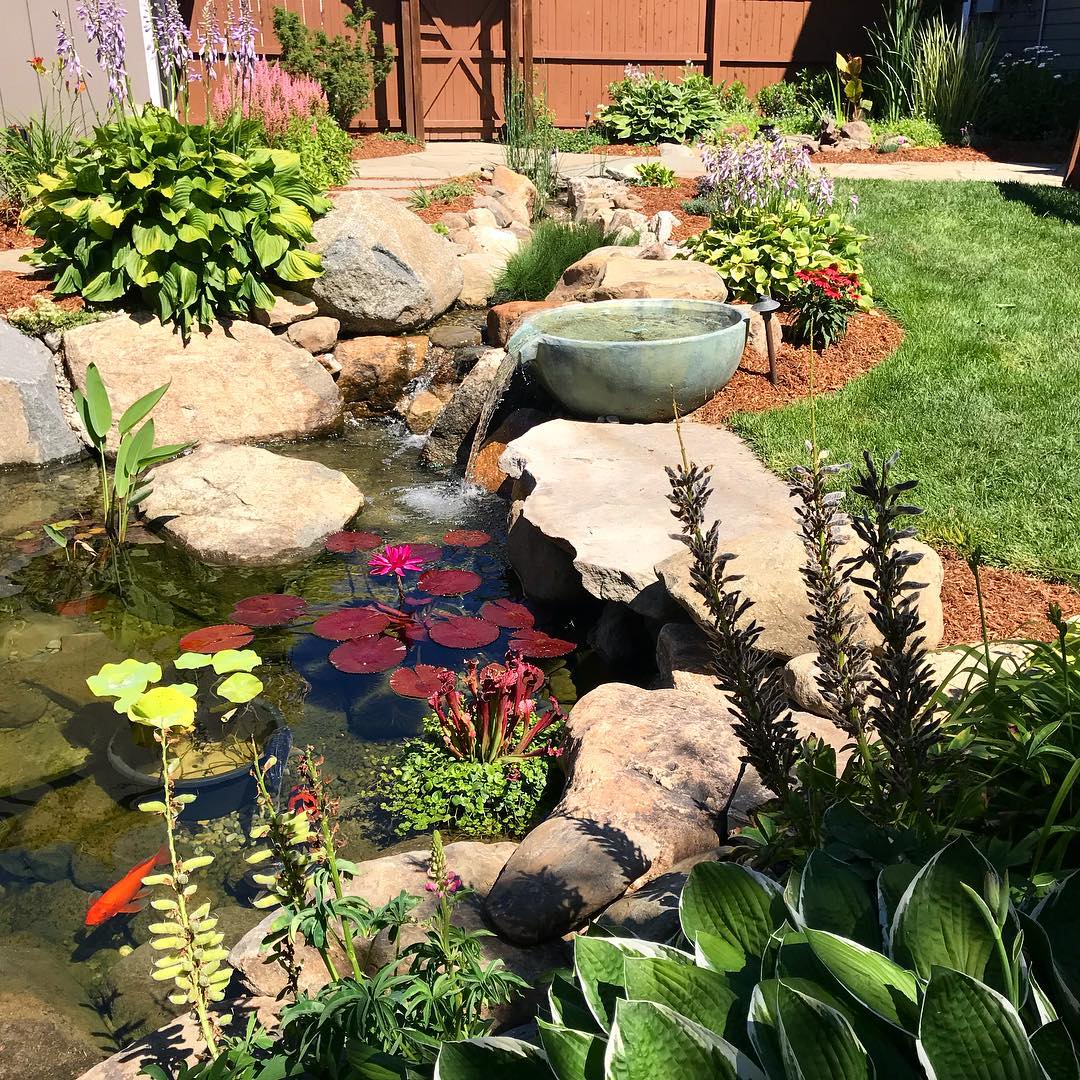
- Waterfalls:Ideal for creating a dramatic focal point with soothing sounds.
- Birdbaths and small basins:These attract wildlife and fit smaller spaces.
Think about what appeals to you and fits your garden’s style. Have you noticed how a simple fountain can change the mood of a space?
Size And Scale Considerations
Size matters more than you might expect. A large pond might overwhelm a small garden, while a tiny fountain can get lost in a vast yard. Look around your garden—what feels balanced?
Measure your space and imagine the water feature in place. Will it dominate, or blend in? Your water feature should feel like a natural part of the garden, not an afterthought.
Placement In The Garden
Placement affects both beauty and function. Position your water feature where you can enjoy it most—near a seating area or visible from inside your home.
Consider sunlight and shade; some features thrive in sun, others in shade. Also, think about accessibility for maintenance. Can you easily reach the pump or clean the pond?
Where in your garden do you find yourself drawn to relax? That spot might be perfect for a calming water feature.
Credit: www.extraspace.com
Design Aesthetics
Design aesthetics shape how a water feature fits into your garden space. It sets the mood and enhances the overall look. A well-designed water feature blends naturally with the surroundings. It draws attention without overpowering other garden elements. Careful planning ensures the water feature complements the garden’s personality and style.
Harmonizing With Garden Style
Match the water feature style to your garden’s theme. A modern garden suits sleek, minimalist fountains. A cottage garden pairs well with rustic ponds or birdbaths. Use shapes and forms that echo nearby plants and structures. Balance is key: the water feature should feel like part of the garden, not separate from it.
Color And Material Selection
Choose colors that blend with your garden palette. Natural stone offers earthy tones that complement greenery. Metal features add a touch of shine and modernity. Wood creates warmth and rustic charm. Consider weather resistance and maintenance needs for each material. A mix of textures can add visual interest without clashing.
Incorporating Lighting Elements
Lighting highlights your water feature after dark. Soft, warm lights create a peaceful ambiance. Use waterproof LED lights for safety and durability. Place lights to emphasize water movement and reflections. Solar lights offer energy efficiency and easy installation. Lighting can transform your garden into a magical space at night.
Technical Considerations
Adding a water feature to your garden is exciting, but technical details matter a lot. Ignoring these can lead to issues like leaks, poor water flow, or constant maintenance headaches. Getting these right ensures your water feature runs smoothly and remains a beautiful focal point.
Water Source And Supply
Your water feature needs a reliable water source. This might be a direct connection to your garden’s water supply or a rainwater collection system. Think about how often you’ll need to refill the feature, especially during hot months.
Have you checked if your water pressure is enough to support a fountain or waterfall? Low pressure can cause weak water flow, ruining the effect. Also, consider the water quality—hard water can cause mineral buildup, which affects pumps and the look of your feature.
Pump And Filtration Systems
The pump is the heart of your water feature. Choosing the right size and type is crucial for proper circulation and water movement. Too small, and your feature will look lifeless; too powerful, and it may splash water everywhere.
Filtration keeps the water clean and clear. Without a good filter, algae and debris will build up fast, leading to clogged pumps and murky water. You might want a system with easy-to-clean filters or even UV light to control algae naturally.
Maintenance Requirements
Water features need regular upkeep to stay attractive and functional. This includes cleaning filters, checking the pump, and topping up water levels. Neglecting maintenance can cause expensive repairs or early system failure.
Ask yourself: How much time can you realistically spend on maintenance? If you prefer low effort, choose systems designed for easy cleaning and durability. Planning maintenance upfront saves frustration later and keeps your garden inviting year-round.
Enhancing Biodiversity
Adding a water feature to your garden can boost its biodiversity greatly. It creates a natural habitat that invites various creatures. This enriches your garden with life and helps the environment. Water features support insects, birds, and small animals by providing water and shelter. They also help plants thrive in a balanced ecosystem. Here’s how to enhance biodiversity through water features.
Attracting Wildlife
Water features attract many types of wildlife. Birds come for drinking and bathing. Frogs and dragonflies use water for breeding. Small mammals visit for hydration and cooling off. To draw wildlife, include shallow edges and gentle slopes. These allow easy access for creatures of all sizes. Avoid chemicals that can harm animals. Natural stones and plants nearby offer hiding spots and nesting areas.
Plant Selections For Water Features
Choose plants that grow well in or near water. Native species support local wildlife best. Examples include:
- Water lilies and lotus for surface cover
- Cattails and reeds for shelter
- Marsh marigold and pickerelweed for color and food
Plants oxygenate the water and keep it clean. They provide food and habitat for insects and amphibians. Use a mix of submerged, floating, and marginal plants. This variety creates a healthy and attractive water environment.
Creating A Balanced Ecosystem
Balance is key to a thriving water feature ecosystem. Avoid overfeeding fish to reduce algae growth. Introduce beneficial insects that control pests naturally. Keep the water moving with a pump or fountain. Stagnant water can cause problems and discourage wildlife. Regularly remove dead leaves and debris to maintain cleanliness. A balanced ecosystem supports diverse plant and animal life, keeping your garden lively and healthy.
Safety And Accessibility
Integrating a water feature into your garden adds beauty and calm, but it also brings safety and accessibility challenges you can’t ignore. Ensuring everyone can enjoy your garden without risk requires thoughtful planning. Let’s look at practical ways to keep your water feature safe and easy to access for all users.
Child And Pet Safety
Kids and pets are naturally curious, which means water features can become hazards if left unchecked. Always install barriers like low fences or transparent screens around ponds or fountains to prevent accidental falls.
Consider shallow water depths or use gravel bottoms to reduce drowning risks. You might also add self-closing gates or locked covers for pumps and filtration systems.
Have you thought about how your water feature looks from a child’s eye level? Designing with their perspective in mind can help you spot hidden dangers before they do.
Accessibility For All Users
Your garden should welcome everyone, including those with mobility challenges. Position paths around the water feature wide enough for wheelchairs and use slip-resistant materials to avoid falls.
Adding seating areas nearby gives people a chance to relax and enjoy the view comfortably. Raised water features can also be easier for those who can’t bend down easily.
Ask yourself: can someone using a walker or pushing a stroller move freely around your water feature? Adjustments here can make a big difference in usability.
Weather-related Precautions
Water features react to weather changes—freezing temperatures can cause pipes to burst, and heavy rain may overflow ponds.
Install drainage systems to manage excess water and use winter covers or heaters to protect pumps and pipes during cold months. Regularly check electrical components for weather damage too.
Do you have a plan for sudden storms or drought conditions? Preparing for these will keep your garden safe and your water feature working smoothly year-round.

Credit: www.disabatinoinc.com
Diy Vs Professional Installation
Deciding between DIY and professional installation for a garden water feature depends on many factors. Both options have unique advantages and challenges. The choice affects time, cost, and the final look of your garden.
Benefits Of Diy Projects
DIY installation lets you save money on labor fees. It offers full control over the design and placement. You gain personal satisfaction from building your garden feature. Small projects can be completed with basic tools and materials. Learning new skills is a great bonus. You can work at your own pace without pressure.
When To Hire A Professional
Complex water features require expert knowledge for safe setup. Professionals ensure correct plumbing and electrical connections. They help avoid leaks and damage to your garden. Large installations may need permits and inspections. A pro can guide you through regulations. Hiring experts saves time and reduces stress. They provide warranties and ongoing support.
Cost Considerations
| Aspect | DIY | Professional |
|---|---|---|
| Initial Expense | Lower, only materials and tools | Higher, includes labor and expertise |
| Time Investment | More, learning and doing yourself | Less, experts work efficiently |
| Risk of Mistakes | Higher, may need fixes later | Lower, professional quality work |
| Long-term Costs | Potentially higher if repairs needed | Usually lower with warranty |

Credit: www.angi.com
Frequently Asked Questions
What Are The Best Water Features For Garden Integration?
The best water features include fountains, ponds, waterfalls, and birdbaths. Choose based on garden size and style. Each adds tranquility and visual interest. Consider low maintenance options for easy care.
How Do I Choose The Perfect Location For A Water Feature?
Select a visible, accessible spot with a power source nearby. Ensure the area has good drainage and sunlight. Avoid placing it under trees to reduce debris. The location should complement your garden’s layout and flow.
What Maintenance Does A Garden Water Feature Require?
Regular cleaning prevents algae and debris buildup. Check pumps and filters monthly for optimal performance. Winterize features in cold climates to avoid damage. Proper maintenance ensures longevity and keeps water clear and fresh.
Can Water Features Attract Wildlife To My Garden?
Yes, water features attract birds, frogs, and beneficial insects. They provide hydration and habitat, enhancing biodiversity. Choose native plants nearby to support local wildlife. This creates a lively, balanced garden ecosystem.
Conclusion
Adding a water feature brings calm and beauty to any garden space. It creates a peaceful spot for rest and reflection. Choose a style that fits your garden size and theme. Keep maintenance simple to enjoy it without stress. Water sounds attract birds and add life to outdoors.
Small steps make a big difference in design success. Your garden will feel fresh and inviting with flowing water. Start small, watch your garden transform with gentle water flow. A water feature is a lovely way to enhance nature’s charm.

