
Have you ever wished your garden was filled with the joyful sounds and colorful sights of visiting birds? A simple birdbath can turn that wish into reality.
But how do you make sure birds actually come to your birdbath and keep coming back? You’re about to discover easy and effective tips that will make your birdbath the hottest spot in your yard. Keep reading, and you’ll learn exactly how to attract more birds, bringing life and beauty right outside your window.
Choosing The Right Birdbath
Choosing the right birdbath is crucial to attract a variety of birds to your garden. The right birdbath not only provides a safe place for birds to drink and bathe but also fits well with your outdoor space. Understanding the material, design, and placement can make a big difference in how often birds visit.
Material And Design Considerations
Birdbaths come in many materials like ceramic, metal, concrete, and plastic. Each has its advantages. Ceramic birdbaths are often colorful and attractive but can crack in freezing weather.
Metal birdbaths are durable but might get too hot in the sun, which could deter birds. Concrete is sturdy and stable, making it a good choice if you want something long-lasting. Plastic birdbaths are lightweight and easy to move but may not last as long.
Think about the design as well. A shallow basin with a rough surface helps birds stand safely without slipping. Avoid deep basins; water depth should be no more than 2 inches to suit small birds. A simple design often works best, as birds prefer easy access and safety.
Optimal Placement In The Garden
Where you place your birdbath affects how comfortable birds feel using it. Place it in an open area where birds can see predators approaching. However, nearby shrubs or trees are important for quick escape routes.
Try to avoid placing the birdbath too close to windows to prevent bird collisions. Also, consider putting it in a spot that receives morning sun and afternoon shade. This keeps the water cool and fresh longer.
Have you noticed how birds prefer spots with a clear view of the sky? Position your birdbath so that birds have a clear line of sight above. This small detail can increase visits noticeably.

Credit: www.birdfy.com
Ensuring Water Quality
Ensuring the water quality in your birdbath is essential to attract birds and keep them coming back. Clean, fresh water not only invites birds but also protects their health. Neglecting water quality can turn a peaceful bird haven into a source of disease and discomfort for your feathered visitors.
Regular Cleaning Methods
Cleaning your birdbath frequently prevents algae growth and removes harmful bacteria. Aim to scrub the basin at least once a week using a stiff brush and mild soap. Avoid harsh chemicals, as they can leave residues harmful to birds.
Rinse thoroughly after scrubbing to ensure no soap remains. If you notice stubborn stains or algae buildup, soak the birdbath in a mixture of water and white vinegar for 10-15 minutes before scrubbing again. This natural approach keeps your birdbath safe and inviting.
Have you checked your birdbath recently? A quick rinse and scrub can make a huge difference in attracting more birds.
Using Safe Water Additives
Sometimes water can stagnate quickly, especially in warm weather. Adding safe water additives can help keep the water clear and reduce bacteria without harming the birds. Products containing natural enzymes or non-toxic ingredients work well.
Be cautious about using any chemical treatments; always choose those labeled as bird-safe. A little goes a long way—adding a few drops can prevent water from becoming a breeding ground for mosquitoes and algae. This small step can keep your birdbath fresh and appealing.
Consider whether your local water source affects the birdbath’s cleanliness. In hard water areas, additives might be even more useful to maintain clarity and freshness for your avian guests.
Providing Safe Environment
Providing a safe environment encourages birds to visit and stay near your birdbath. Safety helps birds feel calm and confident. It lowers their stress and lets them enjoy drinking and bathing. Creating a protective space means thinking about what birds need to avoid danger. Careful planning helps keep birds safe from threats.
Protection From Predators
Birds face many predators like cats, hawks, and snakes. Protecting your birdbath means making it hard for these animals to reach birds. Place the birdbath away from thick bushes where predators can hide. Keep the area open so birds can see danger early.
Use these tips to improve safety:
- Set the birdbath at least 5 feet from shrubs or fences.
- Keep the ground clear of tall grass near the birdbath.
- Install a motion-activated light or noise device to scare predators.
Creating Natural Shelter
Birds like places to hide close to water. Natural shelter offers cover and protection. Plant small trees, shrubs, or tall grasses near the birdbath. These give birds places to rest and watch for danger.
Choose native plants that attract birds and provide shelter. Avoid dense or thorny plants that block the view. Keep a mix of open space and cover for comfort.

Credit: www.birdfy.com
Enhancing Birdbath Appeal
Enhancing the appeal of your birdbath can invite more birds to visit your garden. Birds are drawn to sights and sounds that signal safety and fresh water. Simple changes to your birdbath can make a big difference in attracting different bird species. Focus on creating a welcoming and interesting space for birds to drink and bathe.
Adding Movement With Water Features
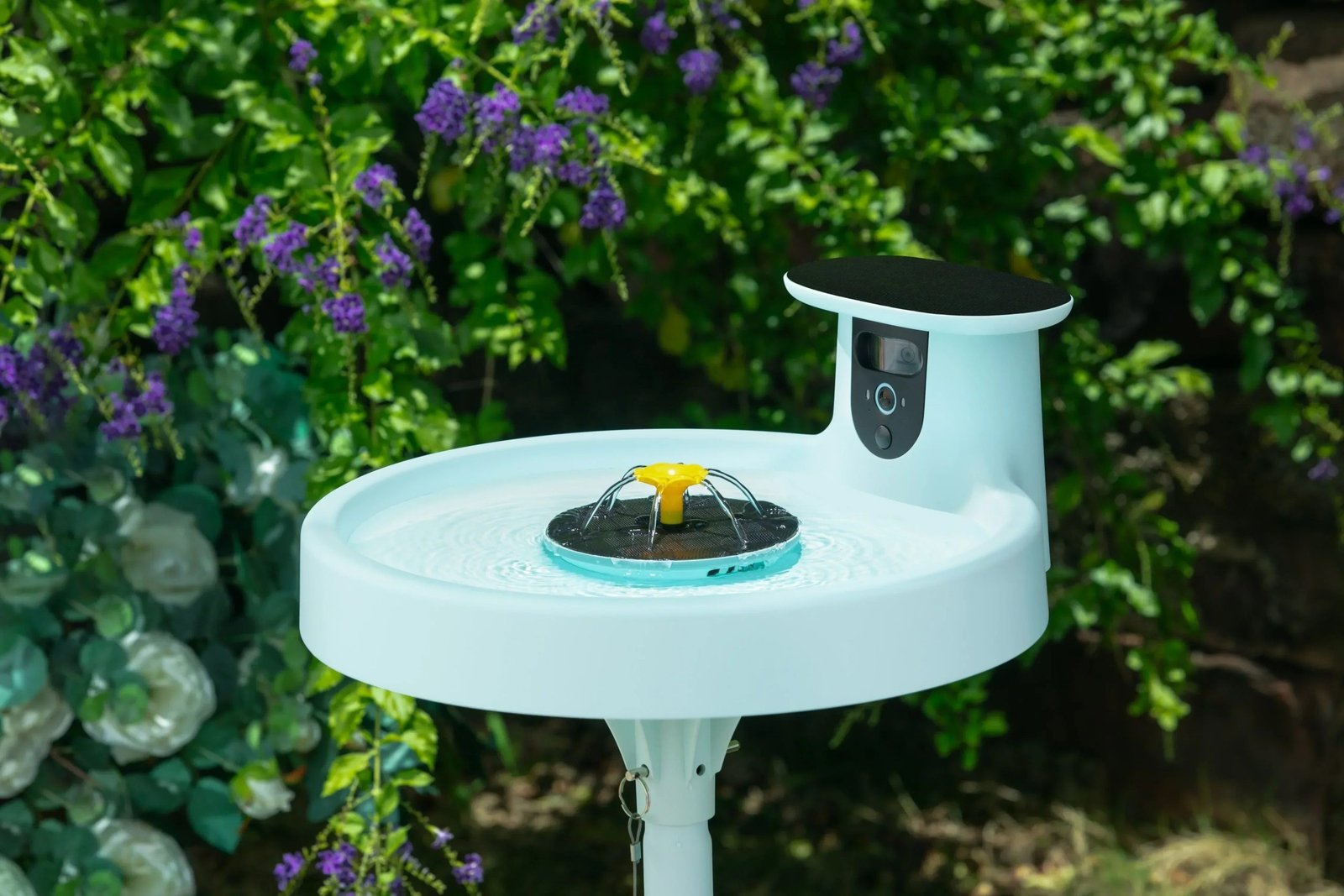
Moving water attracts birds because it looks fresh and lively. You can add a small fountain or dripper to your birdbath. The gentle sound of dripping water catches birds’ attention. Even a simple solar-powered pump creates ripples that make birds feel safer. Movement helps keep the water clean and oxygenated. This encourages birds to stay longer and visit often.
Incorporating Decorative Elements
Decorative items can make your birdbath more inviting. Use natural stones or pebbles inside the basin for birds to perch on. Surround the birdbath with plants or flowers to provide shelter and cover. Bright colors nearby can attract curious birds. Avoid sharp or shiny decorations that might scare birds. Keep the design simple and natural to blend with the environment.
Planting Bird-friendly Flora
Planting bird-friendly flora around your birdbath can transform your garden into a vibrant bird sanctuary. The right plants provide food, shelter, and safe spaces, encouraging birds to visit and stay longer. This natural approach not only attracts more species but also supports the local ecosystem.
Selecting Native Plants
Choosing native plants is key to attracting local bird species. These plants offer the right kind of seeds, berries, and insects that birds are adapted to feed on. Plus, native plants require less water and care, making your garden easier to maintain.
Think about plants like coneflowers, black-eyed Susans, or elderberries if you live in North America. They are favorites for many birds, providing both nourishment and shelter. Have you noticed how often birds visit areas with native bushes and trees? That’s no coincidence.
Creating Layers For Various Species
Birds of different sizes and habits prefer different heights and types of cover. To attract a variety of species, create layers of plants from ground cover to tall trees.
- Ground cover:Low-growing plants like creeping thyme or clover offer insects and protection for smaller birds.
- Shrubs:Medium-height bushes such as holly or serviceberry provide berries and hiding spots.
- Tall trees:Mature trees like oaks or pines serve as perches and nesting sites for larger birds.
This layered approach mimics natural habitats and invites more bird species to your birdbath area. How diverse is your garden’s plant structure? Adding layers could be the secret to seeing new feathered visitors.

Credit: www.birdfy.com
Seasonal Birdbath Adjustments
Adjusting your birdbath with the changing seasons can make a big difference in attracting more birds year-round. Birds rely on fresh, accessible water, especially when natural sources freeze or dry up. Simple seasonal tweaks can keep your birdbath inviting and safe, no matter the weather.
Winterizing Techniques
Cold temperatures can turn your birdbath into an icy hazard. To keep water available, try adding a birdbath heater or placing a floating ball in the water to prevent freezing. These small changes can keep birds coming even on the coldest days.
Cleaning your birdbath before winter is crucial. Remove debris and scrub the surface to prevent mold and bacteria buildup. This helps keep the water fresh and healthier for birds who depend on it in harsh conditions.
Consider moving your birdbath closer to sheltered areas like dense shrubs or near your home’s warmth. This placement offers birds protection from wind and predators while they hydrate.
Summer Care Tips
In summer, water can quickly become warm and stagnant, which deters birds. Change the water frequently—at least every two days—to keep it cool and fresh. Adding a drip or small fountain feature can attract birds by the sound of moving water.
Shade your birdbath during the hottest parts of the day. Position it under a tree or use a garden umbrella to keep the water temperature lower. This simple step makes your birdbath a refreshing spot for thirsty birds.
Watch out for mosquitoes laying eggs in standing water. Use a fine mesh cover or introduce natural mosquito predators like certain fish if your birdbath is large enough. Keeping the water safe ensures it remains a healthy stop for birds and your family.
Frequently Asked Questions
How Do I Make My Birdbath Attractive To Birds?
Place fresh, clean water in the birdbath daily. Add shallow water depth and position it near shrubs or trees for safety. Use a gentle water dripper or fountain to create movement, which attracts birds. Avoid harsh chemicals and keep the area clean to encourage visits.
What Is The Best Location For A Birdbath?
Choose a quiet, sheltered spot with some nearby cover like trees or bushes. Position the birdbath where birds can easily spot predators. Avoid placing it in direct harsh sunlight or windy areas. A shaded area helps keep water cool and fresh longer.
How Often Should I Clean My Birdbath?
Clean your birdbath at least twice a week to prevent algae and bacteria buildup. Use a scrub brush and mild soap, then rinse thoroughly. During hot weather, clean more frequently to maintain healthy water for birds.
Can Adding Plants Around Birdbath Help Attract Birds?
Yes, plants provide shelter, food, and safety, making birds feel secure. Native flowering plants attract insects, which are food for many birds. Adding plants also enhances the natural look, encouraging birds to visit your birdbath regularly.
Conclusion
A birdbath can bring life and joy to your garden. Keep the water clean and fresh to invite birds often. Place the birdbath where birds feel safe and can see around. Add shallow water and small stones for easy perching.
Watch quietly and enjoy the beautiful bird visits. Small efforts make a big difference in attracting birds. Your garden will become a peaceful place full of nature’s charm. Try these simple tips and see your birdbath come alive.

