
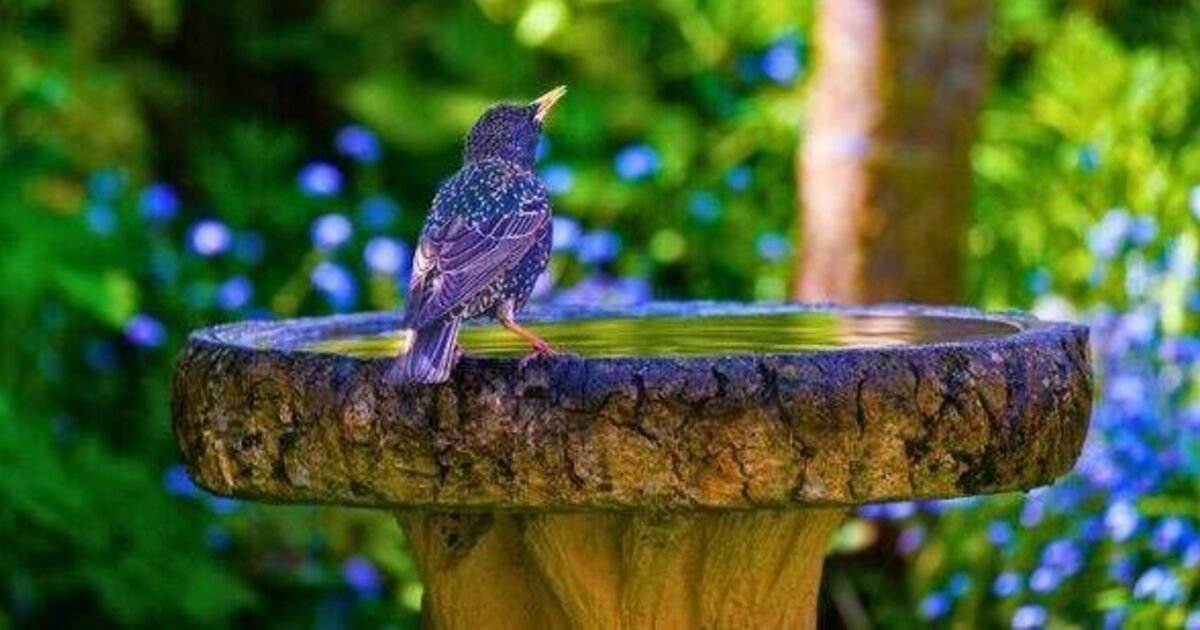
Imagine turning your yard into a lively haven where colorful birds come to drink and play. Installing a birdbath is one of the easiest ways to invite nature right to your doorstep.
Not only does it add charm to your outdoor space, but it also supports local wildlife and brings peaceful moments to your day. If you’ve ever wondered how to set up a birdbath that attracts birds and looks great, you’re in the right place.
Keep reading, and you’ll discover simple, step-by-step tips to make your yard a favorite spot for feathered friends.

Credit: www.amazon.ca
Choosing The Right Birdbath
Choosing the right birdbath is key to attracting birds to your yard. A good birdbath fits well in your space and meets birds’ needs. It should be safe, easy to clean, and look nice in your garden. Understanding different materials and design options helps you pick the perfect birdbath for your outdoor area.
Material Options
Birdbaths come in many materials. Each has its own benefits and drawbacks. Here are common types:
- Concrete:Heavy and stable, good for windy spots.
- Ceramic:Decorative and colorful but can break easily.
- Metal:Durable and modern looking but may heat up fast.
- Plastic:Lightweight and affordable, but less natural in appearance.
- Stone:Natural look and very sturdy, often blends well with plants.
Choose a material that suits your climate and garden style. Avoid materials that can get too hot or cold for birds.
Size And Design Considerations
Birdbaths vary in size and shape. Small birdbaths suit tiny yards and attract smaller birds. Larger ones allow more birds to visit at once.
Design matters for bird safety and comfort. Look for these features:
- Shallow basin, about 1 to 2 inches deep.
- Sloped edges for easy bird access.
- Stable base to prevent tipping.
- Textured surface to help birds grip.
Pick a design that fits your yard and invites birds to bathe and drink safely.
Selecting The Perfect Location
Choosing the right spot for your birdbath can make all the difference in attracting colorful birds and keeping the water clean. The location affects how often birds visit and how safe they feel while drinking or bathing. Think about the natural environment in your yard and how the birdbath fits into it.
Sunlight And Shade Balance
Birds love warmth but also need a break from the sun. Place your birdbath where it gets morning sunlight and afternoon shade. This helps keep the water cool during hot days and prevents rapid evaporation.
Too much direct sun can heat the water quickly, making it less appealing. Too much shade, on the other hand, can encourage algae growth. Have you noticed how your backyard changes from morning to afternoon? Use those patterns to find a spot that offers a good mix.
Proximity To Trees And Shrubs
Trees and shrubs near your birdbath provide birds with shelter and a quick escape route from predators. But placing it too close might make birds feel trapped or vulnerable.
A distance of about 5 to 10 feet from dense foliage works well. This way, birds can easily spot danger and fly away but still feel safe enough to linger. Look around your yard—are there bushes or low branches that could act as a natural waiting area?
Preparing The Ground
Preparing the ground is an important step before placing a birdbath in your yard. A stable and well-prepared surface keeps the birdbath steady and safe. It also helps water stay clean and prevents damage from weather.
Leveling The Surface
Start by choosing a spot that receives some sunlight and shade. Clear the area of grass, rocks, and debris. Use a shovel or garden trowel to remove uneven soil. Press the soil down firmly to avoid sinking later.
Check the level with a carpenter’s level or a flat board. Adjust the soil by adding or removing dirt until the surface is flat. A level base stops the birdbath from tipping over or spilling water.
Addressing Drainage Issues
Good drainage prevents water from pooling around the birdbath base. Poor drainage can cause mud and attract unwanted insects. Dig a shallow trench or hole about 6 inches deep under the birdbath area.
Fill the hole with gravel or small stones to help water drain quickly. Avoid placing the birdbath in a low spot where water collects. Proper drainage keeps the area dry and clean, making it safer for birds.
Installing The Birdbath
Installing a birdbath in your yard is a simple yet rewarding project. It not only adds charm to your outdoor space but also invites birds to visit, creating lively natural scenes. Let’s walk through assembling your birdbath and securing it to ensure it stays stable and safe for your feathered friends.
Assembling The Birdbath
Start by unpacking all the parts carefully. Most birdbaths come with a basin, a pedestal or base, and sometimes a decorative top piece. Lay everything out so you can identify each component easily.
Follow the instructions to fit the pieces together. Usually, the basin sits on top of the pedestal and may require screws or adhesive to hold it securely. If the birdbath includes a decorative top, attach it last to avoid damage during assembly.
Check the assembled birdbath for any loose parts. A wobbly basin can spill water and discourage birds from landing. Tighten any fittings or bolts until the structure feels solid and stable.
Securing The Base
Next, choose a flat, level spot in your yard to place the birdbath. Stability is key; an uneven surface can tip the bath, spilling water and harming birds. If your yard’s soil is soft, consider using a concrete or stone slab as a foundation.
To anchor the birdbath, you can use ground stakes or heavy weights around the base. This step is especially important in windy areas. If your birdbath is made of lightweight materials, securing it prevents it from blowing over during storms.
Think about safety too. Avoid placing the birdbath too close to shrubs or tall plants where predators might hide. Open spaces give birds a clear view of their surroundings, helping them feel safe while drinking or bathing.
Adding Water And Maintenance
Adding water to your birdbath and keeping it clean are essential steps that invite birds to visit regularly. Clean, fresh water not only attracts more feathered friends but also keeps them healthy. Maintaining your birdbath well can turn your yard into a lively sanctuary for birds all year round.
Filling The Birdbath
Fill your birdbath with fresh water each day, especially during hot weather. Birds prefer shallow water, so keep the water level low—about 1 to 2 inches deep. This depth allows them to splash safely without risk of drowning.
If you have a large birdbath, consider using a garden hose with a gentle flow to avoid disturbing any birds already visiting. You might notice more birds coming early in the morning or late afternoon, so timing your refills around these periods can be helpful.
Regular Cleaning Tips
Clean your birdbath at least once a week to prevent algae buildup and harmful bacteria. Use a scrub brush and a mixture of mild soap and water to clean the basin thoroughly.
Rinse well to remove all soap residues before refilling. Avoid harsh chemicals—they can harm birds. If you spot stubborn algae, a diluted vinegar solution works well and is safe.
- Scrub the basin with a stiff brush to remove debris.
- Empty and refill the birdbath every 2–3 days during warm weather.
- Place the birdbath in a shady spot to slow algae growth.
Have you noticed how much cleaner water encourages more frequent visits from birds? Keeping the birdbath inviting is simpler than you might think, and the reward is a thriving yard full of nature’s charm.

Credit: www.gardenista.com
Enhancing The Surroundings
Enhancing the area around a birdbath makes it more inviting for birds and pleasant for people. Thoughtful surroundings create a natural feel that birds enjoy. It also helps the birdbath blend well with the yard’s look.
Plants and flowers near the birdbath bring color and life. They attract insects, which birds eat. The right plants provide shade and shelter, making birds feel safe.
Incorporating Plants And Flowers
Choose native plants for easy care and to support local wildlife. Low-growing flowers and shrubs work best close to the birdbath. Avoid plants with sharp leaves or thorns to keep the area safe.
- Lavender and coneflowers add color and attract pollinators.
- Grasses offer cover and a natural look.
- Herbs like mint and basil can repel pests.
Planting in clusters helps create a mini habitat. It gives birds places to rest after a drink.
Creating A Safe Environment For Birds
Safety is key for birds to visit often. Keep the birdbath away from places where cats or other predators hide. Clear tall grass near the birdbath to reduce hiding spots for predators.
- Place the birdbath near shrubs or trees for quick escape routes.
- Use a sturdy stand or base to prevent tipping.
- Keep the water clean to avoid diseases.
Adding small stones or pebbles at the bottom helps birds grip the surface. Avoid slippery or smooth bases that can cause accidents.
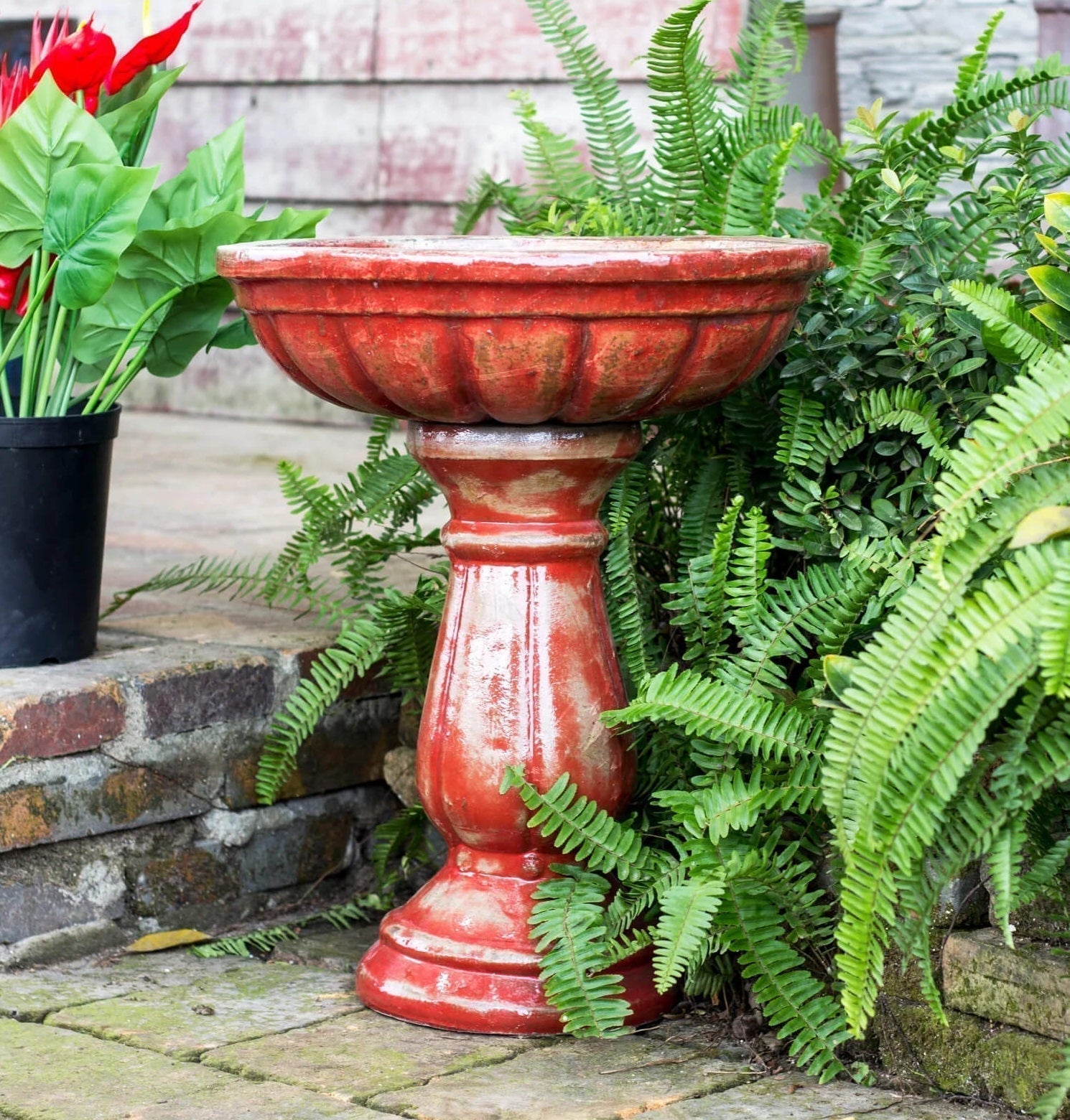
Credit: tenthousandpots.com
Frequently Asked Questions
How Do I Choose The Best Location For A Birdbath?
Pick a spot with partial shade to keep water cool. Avoid areas near dense bushes to reduce predator risks. Ensure the location is visible for birds and easy for you to access for cleaning and refilling.
What Materials Are Ideal For A Birdbath?
Choose durable, non-toxic materials like stone, ceramic, or metal. These materials withstand weather and are safe for birds. Avoid plastics that may heat up quickly or degrade outdoors.
How Often Should I Clean My Birdbath?
Clean your birdbath weekly to prevent algae and bacteria buildup. Use a mild soap and water solution, then rinse thoroughly. Regular cleaning keeps birds healthy and water clear.
Can I Install A Birdbath Myself Easily?
Yes, installing a birdbath is simple with basic tools. Choose a stable base, assemble if needed, and position it securely. Follow manufacturer instructions for best results.
Conclusion
Installing a birdbath brings life to any yard. Birds visit for water and play. Choose a safe, sunny spot for your bath. Keep water fresh and clean for birds’ health. Regular care helps your birdbath last longer. Enjoy watching colorful birds every day.
Simple steps create a welcoming space outside. Your yard becomes a peaceful, lively place. Easy to set up, fun to watch. Start today and invite nature closer home.

