
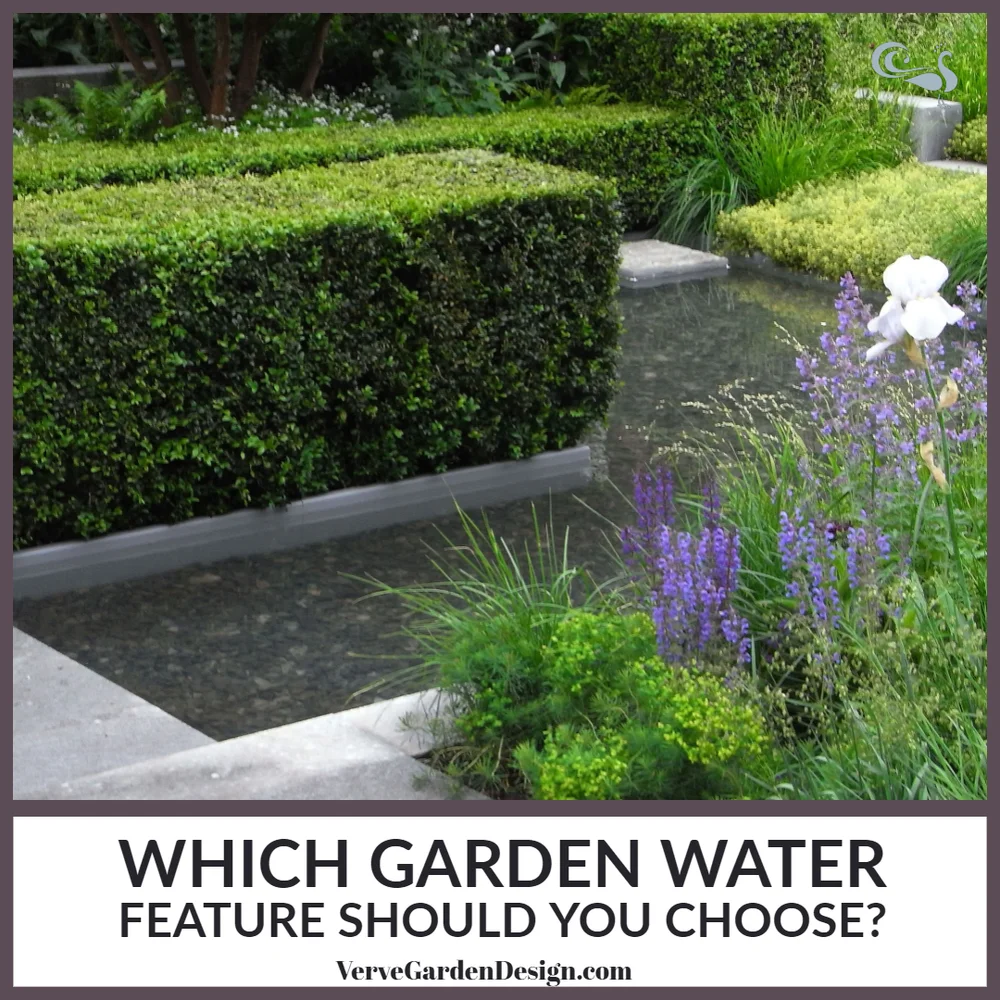
Are you thinking about adding a water feature to your space but don’t know where to start? Choosing the right style can feel overwhelming with so many options out there.
Your water feature should not only look great but also match your taste, space, and lifestyle. Imagine stepping outside to the soothing sound of flowing water that perfectly fits your garden or patio. You’ll discover simple ways to pick a water feature style that feels just right for you.
Keep reading, and soon you’ll be ready to transform your space with a feature that brings calm and beauty every day.
Types Of Water Features
Choosing the right type of water feature can dramatically change the feel of your outdoor space. Each style offers its own unique charm and sound, fitting different garden sizes and moods. Understanding the types will help you find one that suits your lifestyle and environment perfectly.
Fountains
Fountains are a classic choice and come in many shapes and sizes. They work well in small to medium spaces and often serve as a focal point in gardens or patios.
You can select from tiered fountains, wall-mounted designs, or modern minimalist styles. Consider how the sound of splashing water will blend with your surroundings. Are you looking for a gentle trickle or a more dramatic cascade?
Ponds
Ponds bring a natural, serene vibe to your yard and can attract wildlife like birds and frogs. They need more space and maintenance but offer a peaceful retreat right at home.
Think about adding aquatic plants or fish to enhance the ecosystem. Would you enjoy spending time near a water garden that evolves with the seasons?
Waterfalls
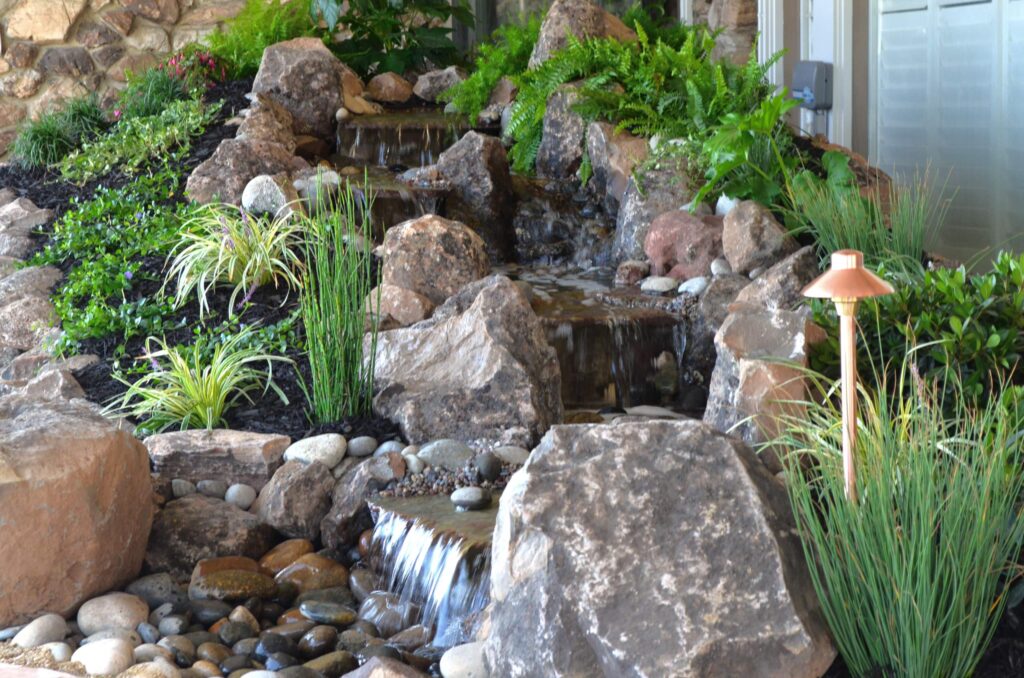
Waterfalls create a bold statement with their dynamic flow and soothing noise. They can be integrated into rock formations or built as standalone features.
The sound of falling water can mask unwanted noise, making your garden a private oasis. How much space do you have to accommodate a waterfall, and what style matches your landscape?
Streams And Brooks
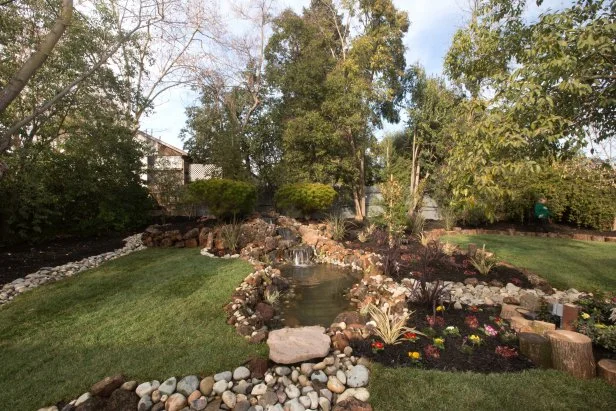
Streams and brooks mimic natural watercourses and bring movement and life to larger gardens. They offer a winding, tranquil water path that can connect different areas of your yard.
Building a stream requires more planning but can transform your outdoor space into a peaceful sanctuary. Would you like a water feature you can walk alongside or cross over with a small bridge?
Credit: jpmlandscape.com
Assessing Garden Space
Assessing your garden space is the first essential step before choosing a water feature style. Understanding the physical limits and natural flow of your garden helps you pick a feature that fits perfectly without overwhelming or underwhelming the area.
Size Considerations
Measure the available space carefully. A large pond might look stunning in a spacious backyard but could crowd a small patio. On the other hand, a small fountain can add charm to a tiny balcony or courtyard.
Think about the scale of other garden elements around. You don’t want your water feature to overpower your plants or seating areas. Ask yourself: how much room can you realistically dedicate without sacrificing usability?
Landscape Integration
Look at your garden’s natural style and existing elements. Is your garden modern and minimal, or wild and natural? Matching the water feature’s design to your garden’s character ensures it feels like a natural part of the space.
Consider where water naturally flows or pools in your garden. Positioning your feature in harmony with these spots can make installation easier and the effect more organic. Could a rock-lined stream complement your garden’s rugged corners?
Accessibility And Maintenance
Think about how often you’re willing to clean and maintain the water feature. If you prefer low maintenance, a simple bubbler or small fountain might be better than a large pond with fish and plants.
Place your water feature where you can reach it easily for regular care. Avoid spots that are hard to access or require moving heavy furniture or plants. How much time do you realistically want to spend on upkeep?
Choosing A Style
Choosing the right style for your water feature sets the tone for your outdoor space. It’s not just about aesthetics but also about how the feature complements your environment and personal taste. Think about what feeling you want to create—calm, vibrant, natural, or exotic—and let that guide your choice.
Traditional Styles
Traditional water features often include classic elements like tiered fountains, ornate basins, and symmetrical designs. These styles work well in formal gardens or historic homes, providing a timeless charm. If you appreciate craftsmanship and details like carved stone or wrought iron, traditional might be your best bet.
Imagine a courtyard with a fountain that has been a conversation starter at family gatherings. It’s not just decoration; it anchors the space and invites you to pause. Does your yard have a classic feel that could be enhanced by such elegance?
Modern And Contemporary
Modern water features focus on clean lines, minimalism, and sleek materials like stainless steel or glass. They suit urban settings or anyone wanting a bold yet simple statement piece. These designs often use geometric shapes and smooth surfaces to create a striking visual impact.
If your style is more about sharp edges and less fuss, this approach fits well. Think about a reflecting pool or a linear waterfall that doubles as a sculptural element. How could a modern feature transform your outdoor space into a stylish retreat?
Natural And Rustic
Natural and rustic water features blend seamlessly into the landscape using stones, logs, and plants. They create a sense of tranquility and mimic natural water bodies like streams or ponds. This style is perfect if you want your water feature to feel organic and part of the environment.
Consider the soothing sound of water trickling over rocks or a pond surrounded by wildflowers. It’s a refreshing escape right in your backyard. Are you drawn to a low-maintenance feature that looks like it’s always been there?
Asian-inspired Designs
Asian-inspired water features emphasize balance, harmony, and simplicity, often incorporating bamboo, stone lanterns, and koi ponds. These designs bring a meditative, peaceful atmosphere and can include elements like small waterfalls or stone basins. They work well if you want to create a serene spot for reflection.
Picture a quiet corner with a bamboo water fountain, the gentle splash inviting calmness. This style encourages mindfulness and connection with nature. Could an Asian-inspired feature help you carve out a moment of zen in your busy life?
Material Selection
Choosing the right material for your water feature shapes its look and durability. The material affects how the water feature fits your space and style. Some materials offer a natural feel, while others create a modern vibe. Considering your budget and maintenance needs also helps in material selection. Below are popular materials to think about for your water feature.
Stone And Rock
Stone and rock create a natural, timeless look. They blend well with gardens and outdoor spaces. These materials are strong and last long. Each piece has unique shapes and colors. Stone water features need little upkeep. They resist weather and wear easily.
Metal Options
Metal water features bring a sleek, modern style. Common metals include copper, stainless steel, and bronze. Copper develops a green patina over time, adding character. Stainless steel gives a shiny, clean look. Metal can be sculpted into many shapes. It requires some care to avoid rust or tarnish.
Glass And Acrylic
Glass and acrylic offer a bright, elegant appearance. They reflect light beautifully, adding sparkle. Acrylic is lighter and less fragile than glass. These materials suit indoor and outdoor water features. They need regular cleaning to keep clear. Glass and acrylic features often look more contemporary.
Eco-friendly Materials
Eco-friendly materials reduce environmental impact. Recycled metals and reclaimed wood are popular choices. Natural clay and bamboo can also be used. These options support sustainability and add unique charm. Eco-friendly water features often connect well with nature themes. They may require gentle care to last.
Incorporating Lighting
Lighting transforms a water feature from simple to stunning. It highlights shapes and creates mood after dark. Choosing the right lighting style enhances the water’s movement and sound. Light also improves safety around ponds or fountains. Consider brightness, color, and placement for the best effect.
Submersible Lights
Submersible lights sit underwater to create a glowing effect. They illuminate fountains, ponds, and waterfalls from inside. These lights make water sparkle and add depth. Most use LED bulbs for low energy use and long life. Waterproof design keeps them safe and durable.
Spotlights And Pathway Lighting
Spotlights highlight specific water features like statues or cascades. They bring focus and drama to your garden. Pathway lighting guides visitors safely near the water. Use soft, warm lights to avoid glare. Place lights at angles to reduce shadows and bright spots.
Solar-powered Options
Solar lights charge during the day and glow at night. They save energy and require no wiring. Ideal for small water features or remote locations. Many designs offer easy installation and movement. Brightness varies with sunlight, so plan placement carefully.
Credit: www.hgtv.com
Enhancing Soundscapes
Enhancing soundscapes with a water feature brings life to any outdoor space. The sound of flowing water calms the mind and blocks unwanted noise. Choosing the right style helps create the perfect atmosphere for your garden or patio. Sound can be soft and soothing or lively and bright, depending on the water flow and design.
Creating Gentle Sounds
Soft water sounds add peace and calm to the environment. Features like small fountains or trickling streams produce gentle, soothing noise. These are perfect for quiet spaces meant for relaxation or meditation. Use shallow basins or smooth rocks to slow water flow and soften sound. The light splash of water can help reduce stress and improve focus.
Using Water Flow For Ambiance
Water flow shapes the mood of your outdoor area. Fast-moving water creates lively, energetic sounds. This works well in busy garden spots or social areas. Slow, steady streams build a more relaxing ambiance. Adjust pumps or waterfall height to control water speed. Experiment with different flow rates to find the perfect sound.
Balancing Sound Levels
Too loud or too soft water sounds can harm your outdoor experience. Balance is key to making the space enjoyable. Consider nearby noise sources like traffic or neighbors. Choose a water feature that blends naturally with background sounds. Position the feature where sound carries evenly. Use plants or walls to soften overly strong water noise.
Considering Wildlife
Choosing the right style of water feature involves more than just aesthetics. You need to think about the wildlife it will attract and support. A well-planned water feature can become a lively hub for birds, butterflies, and aquatic creatures, adding natural beauty and balance to your garden.
Attracting Birds And Butterflies
Birds and butterflies are drawn to water features that offer fresh water and shelter. A shallow basin with gently sloping edges makes it easy for birds to drink and bathe safely. Adding native plants around the feature provides food and hiding spots, encouraging these visitors to stay longer.
Have you noticed how a small fountain or dripping water can catch the attention of hummingbirds? Moving water is especially attractive to butterflies and birds because it signals freshness. Think about including a small waterfall or bubbler to keep the water moving.
Supporting Aquatic Life
Water features can support frogs, fish, and beneficial insects if designed thoughtfully. Avoid using chemicals that harm wildlife; instead, rely on natural filtration like aquatic plants. Plants such as water lilies and reeds offer shade and oxygen, creating a balanced environment.
Consider the depth of your water feature. Shallow areas allow tadpoles and insects to thrive, while deeper zones offer refuge for fish. This variety promotes a healthy ecosystem and keeps the water clear.
Ensuring Safety For Pets
Pets often explore water features out of curiosity, so safety is crucial. Make sure edges aren’t too steep or slippery to prevent accidents. You can add ramps or stones to help your pet climb out easily if they fall in.
Think about the size and location of the water feature in relation to your pets’ habits. Small ponds might be risky for larger dogs, while fountains with steady flow can be safer. Regularly check water quality to keep your pets safe from harmful bacteria or chemicals.
Budget Planning
Budget planning is a key part of choosing the style of your water feature. It helps avoid surprises and keeps your project on track. Knowing the costs involved lets you pick a design that fits your financial plan. Consider all expenses before making a final choice.
Cost Of Materials
The price of materials varies by style and size. Natural stone and metal often cost more than plastic or resin. Water pumps, liners, and lighting add to the total. Check prices from different suppliers to find the best deals.
Installation Expenses
Installation costs depend on complexity and labor needed. Simple fountains may require less work and cost less. Large ponds or custom-built features need skilled professionals. Include permits or landscaping changes in your budget too.
Ongoing Maintenance Costs
Maintenance keeps your water feature clean and working well. Regular cleaning, water treatment, and pump repairs add to costs. Plan for electricity bills to run pumps and lights. Budget for seasonal care and unexpected fixes.
Diy Vs Professional Installation
Choosing between DIY and professional installation affects your water feature’s outcome. Each option has pros and cons. Understanding these helps make the best choice for your space and skills.
Assessing Skill Levels
DIY installation suits those with basic plumbing and electrical skills. Comfort with tools and following detailed instructions helps. Mistakes can cause leaks or electrical issues.
Professionals bring experience in design and installation. They handle complex plumbing and electrical work safely. Professionals ensure the feature works correctly and lasts longer.
Time And Effort Required
DIY projects demand significant time and patience. Expect several days to complete the installation. Tasks include digging, wiring, and assembling parts. Mistakes can add more time.
Professional installation is faster and less stressful. Experts finish work in a few hours to a day. They bring all tools and materials needed.
When To Hire A Professional
- The water feature is large or complex.
- Electrical or plumbing work goes beyond your skills.
- You want a guaranteed, long-lasting installation.
- Time is limited and you prefer a quick setup.
- Local rules require permits or inspections.

Credit: torontopoolsupplies.ca
Frequently Asked Questions
What Factors Influence Choosing A Water Feature Style?
Consider space size, garden theme, budget, and maintenance needs. Also, think about water flow type and material preferences. These factors help pick a style that fits your outdoor space perfectly and enhances its beauty.
How To Match Water Feature Style With Garden Design?
Choose a style that complements your garden’s theme and plants. For modern gardens, sleek fountains work well. Natural ponds suit rustic settings. Matching style creates harmony and elevates overall garden appeal.
Which Materials Work Best For Outdoor Water Features?
Common materials include stone, concrete, metal, and resin. Stone and concrete offer durability and a natural look. Metal provides a modern touch. Resin is lightweight and budget-friendly. Select materials based on style and weather resistance.
How Much Maintenance Does Each Water Feature Style Need?
Maintenance varies by style and water source. Fountains require regular cleaning and water refills. Ponds need algae control and filter upkeep. Cascades demand less maintenance but check water flow often. Choose a style fitting your maintenance preference.
Conclusion
Choosing the right style of water feature adds charm to your space. Think about your garden size and personal taste first. Consider the sound and movement you enjoy most. Small fountains suit cozy areas well. Large ponds create a calm, natural feel.
Materials like stone or metal change the look and mood. Remember, simple designs often work best. A well-picked water feature brings peace and beauty every day. Take time to decide what fits your lifestyle and space. Your perfect water feature awaits.

