
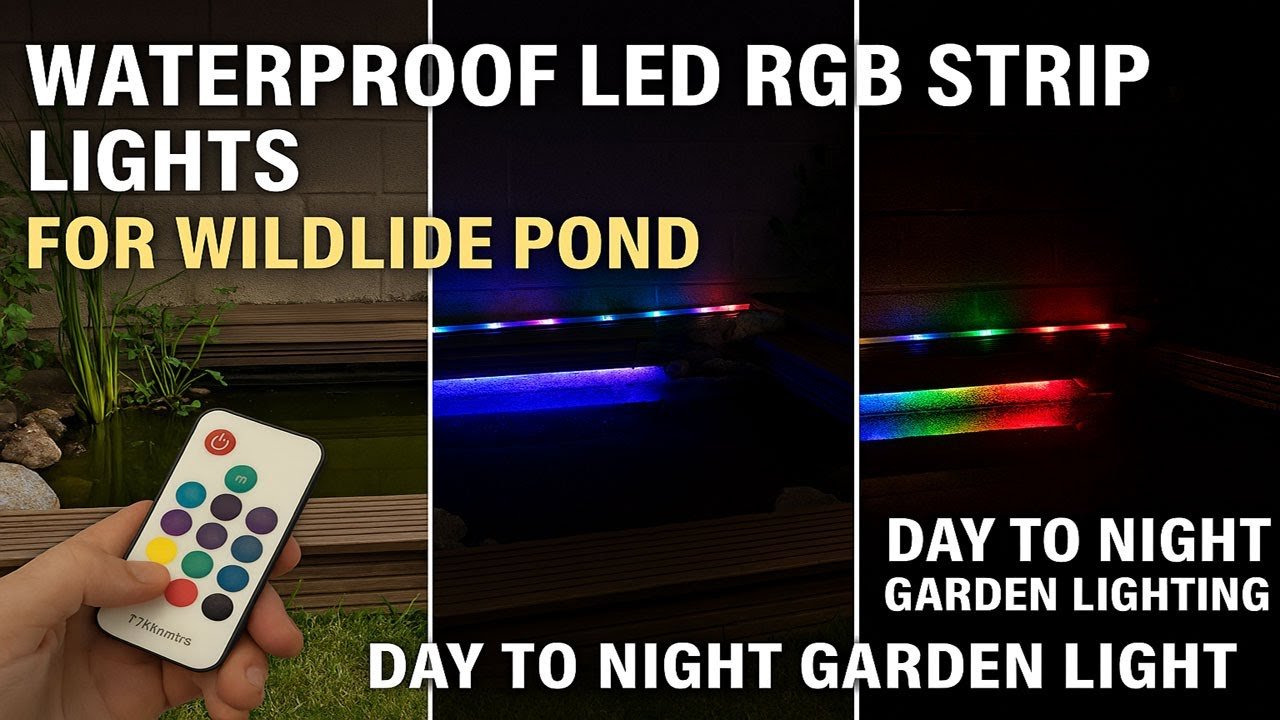
Are you looking to make your pond glow with a magical touch after the sun goes down? Adding LED lights to your pond is an easy and affordable way to create a stunning nighttime display that will impress your friends and transform your outdoor space.
Imagine the peaceful sound of water combined with soft, colorful lights that highlight your pond’s beauty. In this guide, you’ll discover simple steps to install LED lights safely and effectively, even if you’ve never done it before. Keep reading to learn how you can bring your pond to life and enjoy its charm day and night.
Choosing The Right Led Lights
Choosing the right LED lights for your pond is key to creating a beautiful and safe nighttime environment. The correct lights highlight the water features and plants while using energy efficiently. Understanding the different types of LED lights and the factors that matter will help you make the best choice for your pond.
Types Of Led Lights For Ponds
Pond LED lights come in several styles, each suited for different effects and placements. Here are common types:
- Underwater LED Lights:Designed to be fully submerged, these lights create a glowing effect beneath the water’s surface.
- Floating LED Lights:These lights float on the water, adding soft illumination and moving gently with the water.
- Spotlights:Used to highlight specific features like waterfalls, statues, or plants around the pond.
- Strip LED Lights:Flexible strips that can line edges or be hidden under rocks for continuous light.
Factors To Consider When Selecting
Several factors affect your choice of LED lights for ponds. These include:
- Waterproof Rating:Look for lights with at least IP68 rating for safe underwater use.
- Brightness:Choose brightness based on pond size and desired effect. Too bright can be harsh.
- Color Options:White lights offer a natural look, while colored LEDs create mood lighting.
- Energy Efficiency:LED lights use less electricity, but check the wattage to keep costs low.
- Durability:Pick lights made from corrosion-resistant materials to withstand pond chemicals.
- Ease of Installation:Some LED lights plug in easily, while others need professional wiring.
Essential Tools And Materials
Adding LED lights to your pond can transform your outdoor space, making it magical after dark. Before you start, gathering the right tools and materials is crucial to ensure a smooth installation and a lasting result. Having everything at hand saves you from interruptions and helps you work safely and efficiently.
Gathering Necessary Equipment
You will need specific tools and materials tailored for pond lighting to achieve the best effect. Start with waterproof LED lights designed for underwater use—these prevent damage and ensure safety. Choose between solar-powered or low-voltage wired lights depending on your pond setup and budget.
- Waterproof LED lights:Submersible or pond-specific models
- Low-voltage transformer:To control the power supply safely
- Waterproof cables and connectors:Designed for outdoor and wet environments
- Wire cutters and strippers:For precise cable preparation
- Shovel or pond vacuum:To clear areas for installing lights
- Timer or remote control system:For easy light management
Have you checked whether your pond has existing electrical access? This can influence your choice of lighting type and installation method.
Safety Precautions To Follow
Working around water and electricity demands careful attention. Before you handle any electrical components, disconnect the power source to avoid shock risks. Use a ground fault circuit interrupter (GFCI) outlet to add an extra layer of protection.
Waterproofing connections is essential. Moisture can cause short circuits or damage your lighting system, so seal all cable joints with waterproof tape or connectors. Keep tools dry and wear rubber-soled shoes to reduce the risk of slipping or electrical hazards.
Think about your safety gear—gloves and eye protection are simple precautions that prevent injuries. What steps will you take to ensure your installation does not compromise your safety or that of your family?
Planning The Lighting Design
Planning the lighting design for your pond is the foundation of a beautiful nighttime landscape. It helps you visualize how different lights will interact with the water, plants, and surrounding features. Thoughtful planning ensures your pond looks stunning and functions safely after dark.
Mapping Out The Pond Area
Start by sketching the shape and size of your pond on paper or using a digital tool. Mark key features like waterfalls, rocks, and plants. This map will guide where to place lights for maximum effect and safety.
Consider the pond’s depth and edges—these affect what types of lights you can use. Shallow areas are great for submersible lights, while deeper spots might need floating or spotlights from the shore. Don’t forget nearby pathways and seating areas; lighting them increases usability and ambiance.
Ask yourself: which parts of the pond do you want to highlight? Mapping helps avoid random light placement that can look cluttered or uneven. Your goal is a balanced, inviting glow.
Deciding On Lighting Effects
Think about the mood you want to create around your pond. Soft, warm lights offer a cozy feel, while bright, cool tones make the water sparkle. Mixing light colors and intensities can add depth and interest.
Explore different effects like underwater lights that illuminate fish, or spotlights that highlight a waterfall. You might want subtle path lights for safety and stronger accent lights to showcase your favorite plants.
Have you thought about dynamic features like color-changing LEDs or timers to control when lights turn on? These can transform your pond’s atmosphere and save energy. Planning your effects upfront helps you select the right bulbs and fixtures without overspending.

Credit: easypro.com
Installing Led Lights
Installing LED lights in your pond creates a magical atmosphere at night. It highlights water features and adds safety by illuminating pathways. Proper installation ensures long-lasting performance and beautiful effects. Focus on positioning and securing the lights for the best results.
Positioning The Lights Correctly
Place LED lights where they enhance the pond’s natural beauty. Use soft lighting around plants and rocks to create a gentle glow. Avoid direct lighting that causes glare or harsh shadows. Spread lights evenly to balance brightness throughout the pond.
- Focus on areas with interesting features like waterfalls or fountains.
- Keep lights below the water surface for underwater effects.
- Angle lights slightly upward to highlight plants and decorations.
- Ensure lights do not blind viewers or disrupt wildlife.
Securing Lights In Place
Secure LED lights firmly to prevent movement or damage. Use stakes or clips designed for pond lighting. Check that cables are hidden and safe from water exposure. Proper securing avoids electrical hazards and keeps the setup tidy.
- Anchor underwater lights to the pond floor using weights or stakes.
- Fix cables along rocks or pond edges using clips or ties.
- Test stability by gently shaking lights before finalizing placement.
- Choose waterproof connectors and seal any openings carefully.
Connecting Power Supply
Connecting the power supply to your pond’s LED lights is a critical step that demands attention to safety and functionality. Without a reliable and secure power source, your beautiful lighting setup won’t shine as expected and could even pose hazards. Let’s look at how to safely power your pond lights and handle the wiring like a pro.
Choosing A Safe Power Source
Your first priority is selecting a power source that matches the LED lights’ specifications and suits outdoor use. Look for a transformer designed for low-voltage lighting—typically 12V or 24V—to minimize the risk of electric shock. Outdoor-rated, waterproof power supplies are essential because pond environments are wet and unpredictable.
Have you checked if your transformer has built-in overload protection or a timer? These features can protect your lights and save energy. Also, consider placing the power source in a dry, sheltered spot away from direct water contact to extend its lifespan.
Wiring The Led Lights
Wiring LED lights to your pond involves careful planning to avoid tangled cables and ensure durability. Use waterproof connectors and cables rated for outdoor use to prevent short circuits. Running wires underground or along secure paths can keep them safe from damage and maintain a clean look.
Test each connection before burying cables or mounting lights. A simple continuity tester can reveal faulty wiring early, saving you from future headaches. Have you planned how to handle excess cable length? Coil it neatly in a waterproof junction box rather than leaving it exposed.
Testing And Adjusting
After installing LED lights in your pond, testing and adjusting them is essential to ensure everything works perfectly. This step helps you spot any issues early and fine-tune the lighting for the best effect. Taking the time to check and adjust will save you frustration and enhance your pond’s beauty.
Checking For Proper Functionality
Start by turning on the lights during both day and night. Observe if all LEDs are illuminating as expected without flickering or dim spots. Pay attention to the wiring connections and waterproof seals to make sure no water interference is affecting the lights.
Look for any unusual heat coming from the LED units. Overheating can indicate electrical problems or poor placement. Also, confirm the lights respond correctly to your control system or timer.
Making Necessary Adjustments
If you notice any lights not working properly, double-check the wiring and connections. Sometimes a loose wire or insufficient waterproofing causes issues that are easy to fix. Adjust the angle and position of the lights to highlight key pond features or create your desired mood.
Think about how the light spreads across the water surface—too much brightness can cause glare, while too little may hide your pond’s charm. Don’t hesitate to reposition or swap out bulbs until you achieve a natural, inviting glow.
Have you considered how seasonal changes might affect your pond lighting? Testing now gives you a baseline for future tweaks as plants grow or water levels fluctuate. How will your adjustments improve your pond’s appearance and safety?
Maintaining Led Lights
Maintaining your LED lights in the pond is crucial to keep them shining bright and functioning well. Neglecting regular care can lead to dim lights or complete failure, which can spoil the ambiance you worked hard to create. By dedicating a little time to maintenance, you ensure your pond stays beautifully illuminated throughout the year.
Regular Cleaning And Checks
Dirt, algae, and mineral deposits can quickly build up on your LED lights underwater. This buildup dims the light output and may cause overheating. Make it a habit to gently clean the light covers with a soft cloth and mild soap every few weeks.
Also, inspect the wiring for any signs of wear or damage. Water and electricity don’t mix well, so look for cracks or corrosion on connectors. Have you noticed any flickering or dimming? That’s often a sign you need to clean or check the connections.
Troubleshooting Common Issues
If your LED lights suddenly stop working, the problem might be simpler than you think. First, check the power source—sometimes the transformer or timer settings are off. Resetting these can fix the issue immediately.
Another common issue is water intrusion. If moisture gets inside the light housing, it may cause short circuits. Make sure all seals and gaskets are intact and replace any damaged parts promptly. Have you ever found a loose wire or a cracked seal? Fixing these small issues can prevent costly replacements later.

Credit: www.amazon.ca

Credit: easypro.com
Frequently Asked Questions
What Types Of Led Lights Work Best For Ponds?
Submersible and waterproof LED lights are ideal for ponds. They provide safe, long-lasting illumination and enhance pond aesthetics without harming aquatic life.
How Do You Safely Install Led Lights In A Pond?
Use waterproof lights with proper insulation. Turn off power before installation. Secure cables to avoid tripping hazards and ensure connections stay dry.
Can Led Pond Lights Be Solar-powered?
Yes, solar-powered LED lights are eco-friendly and cost-effective. They charge during the day and automatically illuminate the pond at night.
How Many Led Lights Do I Need For My Pond?
The number depends on pond size and desired brightness. Typically, 3-5 evenly spaced lights create balanced, attractive illumination.
Conclusion
Adding LED lights to your pond can create a beautiful night view. Choose the right lights and place them safely around the water. Use waterproof and energy-saving LED options for best results. Simple steps make your pond look magical and inviting.
Enjoy the calm and charm that lights bring to your outdoor space. Small efforts lead to big changes in your pond’s appearance. Try it today and see the difference yourself.

