
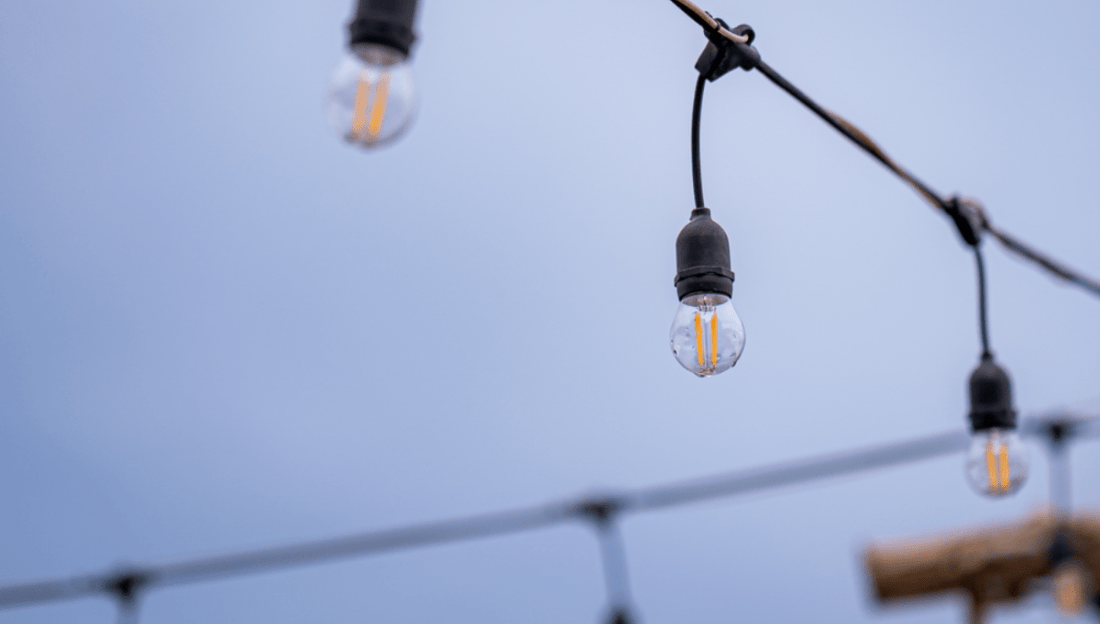
Are your outdoor lights flickering or failing every time it rains? You’re not alone.
Rain can damage your outdoor lighting, leaving your space dark and unsafe. But don’t worry—protecting your lights from the weather is easier than you think. You’ll discover simple, effective ways to keep your outdoor lights shining bright no matter how hard it pours.
Ready to make your outdoor lighting last longer and work better? Let’s get started.
Choose Weatherproof Fixtures
Choosing weatherproof fixtures is essential if you want your outdoor lights to last through rain and harsh weather. These fixtures are designed to keep water out, preventing damage and electrical hazards. Picking the right one saves you money and keeps your lighting reliable.
Understanding Weatherproof Ratings
Look for fixtures with an IP (Ingress Protection) rating. A rating like IP65 or higher means the light is protected against water jets from any direction.
Without a proper rating, rain can seep into your lights, causing short circuits or corrosion. Have you checked the IP rating on your current outdoor lights?
Materials That Withstand Rain
Choose fixtures made from rust-resistant materials like stainless steel, aluminum, or durable plastics. These materials handle moisture better than plain metals.
Plastic fixtures with UV protection also resist cracking in sunlight and rain. Your fixture’s material can be the difference between frequent replacements and years of service.
Sealed Design Features
Weatherproof fixtures have sealed joints and gaskets to block water entry. These features prevent moisture from sneaking inside even during heavy downpours.
Look for fixtures with silicone or rubber seals around screws and glass covers. These small details make a big difference in protection.
Choosing Fixtures With Proper Mounting
How you mount your outdoor lights affects how well they stay dry. Fixtures that sit flush against walls or ceilings reduce places where water can pool.
Consider angled or downward-facing fixtures. They naturally shed rainwater, keeping the electrical components safer for longer.
Install Proper Sealing
Installing proper sealing is essential to keep your outdoor lights safe from rain damage. Without a good seal, water can sneak inside the fixture, leading to short circuits or corrosion. Protecting your lights with the right sealing not only extends their life but also ensures they work reliably in wet conditions.
Choose The Right Sealant For Outdoor Use
Not all sealants are made equal. Look for waterproof sealants labeled for outdoor or electrical use. Silicone-based sealants are often the best choice because they remain flexible and resist weather changes.
Have you noticed how some sealants crack after a few months? That’s a sign you picked the wrong one. Investing in a quality sealant pays off by saving you time and money on repairs.
Seal All Entry Points Carefully
Every hole, screw, or wire entry is a potential spot for water to enter. Apply sealant generously around these areas, but avoid overdoing it to prevent mess and difficulty in future maintenance. A smooth, continuous bead of sealant creates a strong barrier against rain.
Try running your finger along the seal after application to ensure there are no gaps or bubbles. Would you trust a leaky seal on your phone? Your outdoor lights deserve the same attention to detail.
Use Weatherproof Gaskets And Covers
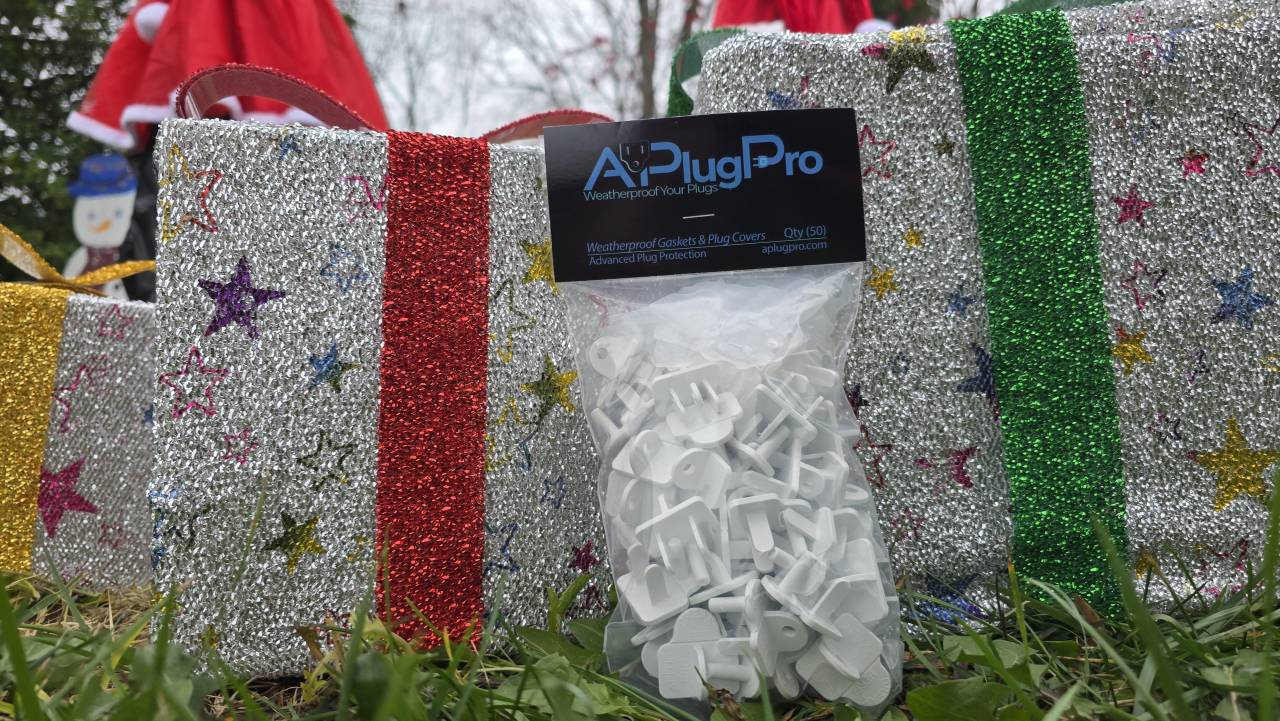
Sealing isn’t just about applying sealant. Adding weatherproof gaskets or rubber covers around connectors and switches provides extra protection. These components act like shields, blocking water before it even reaches the sealant.
Think about how a raincoat keeps you dry — the gaskets and covers do the same for your lights. Have you checked if your outdoor lights came with these protective parts? If not, adding them is a smart upgrade.
Use Waterproof Covers
Water and electricity do not mix well. Outdoor lights exposed to rain need extra care. Using waterproof covers protects lights from moisture damage. These covers act as a shield against rain and wet conditions. They help lights last longer and work better.
Choosing the right waterproof cover is important. Covers come in different shapes and materials. A proper cover fits well and keeps water out. It also allows heat to escape, preventing overheating.
Types Of Waterproof Covers For Outdoor Lights
- Silicone covers: Flexible and durable, good for various light shapes.
- Plastic covers: Clear and sturdy, protect without blocking light.
- Rubber covers: Tight fit, great for sockets and plugs.
- Polycarbonate covers: Strong and impact-resistant, ideal for harsh weather.
How To Choose The Right Waterproof Cover
- Check the size of your outdoor light fixture.
- Look for covers with IP65 or higher rating.
- Pick materials that resist UV rays and rain.
- Ensure easy installation and removal for maintenance.
Tips For Installing Waterproof Covers
- Clean the light surface before covering.
- Secure the cover tightly to prevent water entry.
- Use sealant or waterproof tape if needed.
- Inspect covers regularly for damage or wear.

Credit: stackheating.com
Elevate Lighting Fixtures
Elevating your outdoor lighting fixtures is a smart way to protect them from rain and moisture damage. By positioning lights higher off the ground, you reduce the chances of water pooling around the base or splashing onto sensitive parts. This simple adjustment can extend the life of your lights and maintain their brightness during wet weather.
Choose The Right Height For Installation
Consider the typical rainfall and drainage patterns in your outdoor space. Mount your lights at least 6 to 8 feet above the ground to avoid water spray from puddles or irrigation systems. If your area experiences heavy rain, go even higher to prevent direct exposure.
Think about the type of light fixture as well. Some designs are better suited for higher placement, ensuring the beam covers the desired area without creating shadows. What areas around your home need the most protection from rain?
Use Sturdy Mounting Hardware
Secure your elevated fixtures with strong brackets or poles designed for outdoor use. Rust-resistant materials like stainless steel or powder-coated aluminum will hold up better in wet conditions. Loose or weak mounts can cause the fixture to tilt, exposing it to rain damage.
Check your mounts periodically, especially after storms, to ensure they remain stable. A reliable installation not only protects your lights but also keeps your outdoor space safe and well-lit.
Consider Adjustable Fixtures For Flexibility
Adjustable mounts let you change the angle and height of your lights as needed. This flexibility helps you avoid water exposure during different weather conditions. You can also reposition lights seasonally to adapt to changing outdoor environments.
Have you ever wished you could easily redirect your outdoor lighting? Adjustable fixtures give you that control while protecting your investment from rain.
Secure Electrical Connections
Securing your outdoor lights’ electrical connections is key to keeping them safe from rain and moisture. Loose or exposed connections can cause short circuits and even damage your lighting system. Taking simple steps to protect these connections can save you time, money, and frustration.
Use Waterproof Connectors And Covers
Waterproof connectors are designed to seal electrical joints tightly. They prevent water from seeping into wires and causing corrosion. Adding waterproof covers over junction boxes or plugs adds an extra layer of protection against heavy rain.
Wrap Connections With Electrical Tape And Heat Shrink Tubing
After joining wires, wrap the connection firmly with high-quality electrical tape. This blocks moisture from entering the wire joint. For even better protection, slide heat shrink tubing over the taped connection and use a heat gun to seal it snugly.
Elevate And Secure Wiring Off The Ground
Keeping wires off the wet ground reduces the risk of water damage. Use cable clips or hooks to fasten wires along walls or fences. This also prevents accidental pulling or tripping that could loosen connections.
Seal Outdoor Electrical Boxes Properly
Make sure all outdoor electrical boxes have tight-fitting, weatherproof lids. Use silicone caulk to seal any gaps around the box edges. This stops rainwater from dripping inside and shorting your lights.
Inspect And Maintain Connections Regularly
Even the best-protected connections can wear down over time. Check your outdoor lights every few months, especially after storms. Look for signs of rust, frayed wires, or loose fittings and fix them promptly.
Have you ever experienced flickering outdoor lights during rain? Securing electrical connections might be the simple fix you need to keep your garden glowing no matter the weather.
Apply Protective Coatings
Applying protective coatings is a smart way to shield outdoor lights from rain. These coatings form a barrier that prevents water from reaching sensitive parts. This helps extend the life of your lights and keeps them working well during wet weather.
Protective coatings come in different types. Some are clear sprays, while others are thick paints or sealants. Choosing the right one depends on the material and design of your lights.
Choose The Right Coating For Your Lights
Pick a coating that fits your light’s material. For metal lights, rust-resistant sprays work best. For plastic lights, waterproof sealants provide strong protection. Check product labels to ensure they are safe for outdoor use and rain exposure.
Clean Lights Before Applying Coatings
Remove dirt, dust, and grease from lights before coating. Use a mild soap and water solution. Dry lights completely to help coatings stick better. Clean surfaces improve the coating’s durability and effectiveness.
Apply Coatings Evenly And Thoroughly
Spray or brush the coating evenly over all exposed areas. Pay close attention to joints, seams, and electrical parts. Apply multiple thin layers rather than one thick layer. Let each layer dry fully before adding the next.
Reapply Coatings Regularly
Protective coatings wear off over time. Check your lights every few months. Reapply coatings as needed to maintain water resistance. Regular maintenance keeps your lights safe from rain damage.
Regular Maintenance Checks
Regular maintenance checks are essential to keep your outdoor lights safe and working well through rainy seasons. These checks help you spot small problems before they become costly repairs. By paying close attention to your lights, you can enjoy bright and reliable outdoor lighting all year round.
Inspect Seals And Gaskets
Water can sneak in through worn or damaged seals around your light fixtures. Check the rubber gaskets and seals regularly for cracks or stiffness. Replacing these parts is usually inexpensive but can prevent water damage to the electrical components inside.
Look For Rust And Corrosion
Metal parts exposed to rain often develop rust or corrosion, which weakens the structure and electrical connections. Examine the mounting brackets, screws, and wiring for any signs of rust. Cleaning off rust spots and applying a protective coating can extend your lights’ lifespan.
Test Electrical Connections
Loose or wet connections can cause flickering or complete failure of your outdoor lights. Use a screwdriver to tighten screws and connectors, and make sure wires are secure and dry. If you notice any exposed wires, cover them with weatherproof electrical tape or replace the damaged section.
Clean Light Covers And Lenses
Dirt, mud, and water spots reduce the brightness of your outdoor lights. Wipe down covers and lenses with a soft cloth and mild detergent regularly. Clean lights not only look better but also improve safety by providing clearer illumination.
Check For Proper Drainage
Water pooling around your fixtures can cause damage over time. Observe the areas around your lights after a rainstorm to ensure water drains away quickly. Adjust the placement or add gravel or drainage solutions if you see water collecting near the base.

Credit: www.youtube.com
Consider Solar-powered Options
Solar-powered outdoor lights offer a smart way to keep your garden bright without worrying about rain damage. These lights use energy from the sun, so they do not need electrical wiring. This reduces risks related to water and electricity. Solar lights are designed to be weather-resistant, making them perfect for rainy conditions.
Choosing solar-powered options means fewer maintenance tasks. There is no need to check wires or replace bulbs as often. Most models come with waterproof casings that protect the solar panel and battery from moisture.
How Solar Lights Work In Rainy Weather
Solar lights charge during the day using sunlight. They store energy in built-in batteries. At night, they use this stored energy to shine. The waterproof design stops rain from damaging the internal parts. This ensures the lights stay bright even after heavy rain.
Benefits Of Solar-powered Outdoor Lights
- Easy to install with no wiring needed
- Safe to use in wet conditions
- Energy-saving and eco-friendly
- Automatically turn on and off
- Low maintenance requirements
Choosing The Right Solar Lights For Rain Protection
- Look for lights with an IP65 or higher rating for water resistance
- Select models with durable, rust-proof materials
- Check battery capacity for longer lighting time
- Pick solar panels that absorb sunlight efficiently even on cloudy days
- Consider lights with adjustable settings for brightness and timing
Credit: www.mantripping.com
Frequently Asked Questions
How Can I Waterproof Outdoor Lights Effectively?
To waterproof outdoor lights, use silicone sealant around connections. Choose weatherproof fixtures with IP65 or higher rating. Also, install protective covers and ensure proper drainage to avoid water buildup.
What Materials Protect Outdoor Lights From Rain?
Use waterproof casings made of plastic, rubber, or metal. Silicone and rubber gaskets also help seal joints. These materials prevent water from damaging electrical components.
Should I Use Led Or Incandescent Lights Outside In Rain?
LED lights are better for outdoor use in rain. They are more durable, energy-efficient, and produce less heat. Most LEDs come with higher waterproof ratings compared to incandescent bulbs.
How Often Should I Check Outdoor Lights For Water Damage?
Inspect outdoor lights every 3 to 6 months. Look for cracks, rust, or moisture inside fixtures. Early detection helps prevent electrical hazards and extends the light’s lifespan.
Conclusion
Protecting outdoor lights from rain keeps them working longer. Use waterproof covers and seal gaps to stop water entry. Place lights under eaves or roofs for extra safety. Regularly check wires and bulbs for damage or wear. Simple care helps prevent costly repairs and power issues.
Bright, safe outdoor lighting makes your space welcoming. Keep your lights dry and enjoy their glow every night.

