

Your rock garden is a beautiful space, but have you ever thought about how lighting could make it even more stunning? Proper lighting can highlight the textures, colors, and shapes of your rocks, turning your garden into a magical spot after dark.
If you want to create a warm, inviting atmosphere that draws attention and makes your outdoor space come alive, this guide is for you. Keep reading to discover simple tips and creative ideas that will help you light up your rock garden like a pro.
Your garden will never look the same again!
Choosing The Right Lighting
Choosing the right lighting is key to enhancing a rock garden’s beauty at night. Good lighting highlights textures and shapes. It also sets a mood that invites relaxation. The right lights make your garden safe to walk through after dark. Select lights that match your garden’s style and needs.
Types Of Lights Suitable For Rock Gardens
- Solar Lights:Easy to install and eco-friendly. They charge during the day and glow softly at night.
- LED Spotlights:Bright and energy-efficient. Great for focusing on specific rocks or plants.
- Path Lights:Low to the ground. They outline pathways and prevent trips.
- String Lights:Add a whimsical touch. Perfect for draping over rocks or nearby shrubs.
- Underwater Lights:Ideal for ponds or water features in rock gardens. Create a magical effect.
Factors To Consider For Light Selection
- Brightness:Choose lights with the right brightness for the area’s size and purpose.
- Color Temperature:Warm white lights create a cozy feel. Cool white lights look modern and bright.
- Durability:Pick weatherproof lights that resist rain and dust.
- Power Source:Decide between solar, battery, or wired lights based on convenience.
- Placement:Position lights to avoid glare and highlight key features.
Designing Your Lighting Plan
Designing your lighting plan is the foundation of a beautiful rock garden at night. Thoughtful planning creates a warm, inviting space. It highlights the garden’s natural beauty while ensuring safety and usability. A well-planned lighting layout balances brightness and shadows. This balance adds depth and interest to your garden. The goal is to enhance key features without overwhelming the space.
Mapping Out Key Features
Start by identifying the most important parts of your rock garden. These could be large stones, unique plants, water features, or pathways. Mark these spots on a simple sketch of your garden. This map helps you decide where to place lights. Focus on features that tell a story or catch the eye. Lighting these points draws attention and creates focal areas. Avoid lighting every element; highlight only the best parts.
Balancing Light And Shadow
Good lighting mixes bright spots with soft shadows. Shadows give your garden a natural, three-dimensional look. Use low lights near rocks to create gentle contrasts. Avoid harsh light that flattens the scene. Layer different light types like spotlights and ambient lights. This layering adds texture and mood. Keep light levels low to maintain a calm atmosphere. Remember, subtlety often looks better than brightness.
Highlighting Rock Features
Highlighting the rock features in your garden can transform an ordinary space into a captivating nightscape. Proper lighting brings out the natural beauty and textures of the rocks, making them focal points after dark. You want your garden’s unique elements to stand out, drawing attention and creating a sense of wonder.
Spotlighting Unique Rock Formations
Focus your lighting on the most interesting rock formations to create visual interest. Use spotlights with narrow beams to emphasize sharp edges or unusual shapes. This technique adds drama and makes the rocks pop against the darker surroundings.
Think about the angle of the light. Lighting from below can create striking shadows, while side lighting highlights texture. I once lit a jagged boulder from two sides, and it completely changed how the garden felt at night—more dynamic and alive.
Choose warm white bulbs to bring out the natural colors of the rocks. Harsh, cool lighting can wash out details and make the scene feel cold. Do you know which formation in your garden deserves this special attention?
Creating Depth With Layered Lighting
Layering your lights adds depth and complexity to your rock garden’s nighttime look. Combine different types of fixtures such as uplights, downlights, and path lights to create multiple layers of illumination.
Place low-level lights closer to the ground to reveal textures and shadows, while higher lights can highlight bigger formations. This layering helps your garden feel three-dimensional and inviting.
Use dimmers to adjust brightness and create mood. I often switch between soft glows and brighter highlights depending on the occasion. How might layering your lighting change the way you experience your rock garden at night?
Enhancing Plant Life
Lighting your rock garden is more than just making it visible at night—it’s about bringing your plants to life in new and exciting ways. Thoughtful lighting can highlight the textures, shapes, and colors of your plant life, creating a dynamic outdoor space that changes as the sun sets. How can you make sure your plants stand out and look their best under the glow of garden lights?
Accentuating Foliage And Flowers
Use focused lighting to draw attention to unique leaves and blooms. Spotlights work well to create dramatic shadows and highlight interesting plant structures.
Try placing lights low to the ground, shining upward. This technique emphasizes the height and form of plants, making even small flowers appear more vibrant.
Think about the texture of your foliage—rough, smooth, spiky—and how light will interact with it. You can create contrast by mixing soft ambient lighting with sharper directional lights.
Using Colors To Complement Plant Hues
Colored lighting can enhance the natural tones of your plants. Warm white or amber lights bring out reds and oranges, while cool white highlights greens and blues.
Experiment with subtle color washes rather than bright, overwhelming hues. Soft blues or purples can make flowers pop without looking artificial.
Consider how the colors of your plants change through seasons. Use adjustable lights to adapt the mood and complement your garden’s evolving palette.
Incorporating Water Elements
Incorporating water elements into a rock garden creates a soothing and dynamic atmosphere. The sound and movement of water bring life and relaxation to the space. Lighting these features enhances their beauty and extends enjoyment into the evening hours. Careful placement of lights highlights water’s natural sparkle and flow.
Illuminating Waterfalls And Streams
Spotlights and underwater lights work well for waterfalls and streams. Position lights to shine upward from below the water surface. This creates a shimmering effect on the falling water. Use soft white or colored LEDs to add mood and depth. Avoid harsh lighting that can cause glare or shadows.
Consider small, waterproof fixtures that blend into the rocks. Light angles that follow the water’s path highlight its movement. Timers or sensors can automate lighting for convenience and energy savings.
Reflections And Ambient Lighting
Water surfaces reflect surrounding lights beautifully. Use low-level ambient lighting to create a warm glow around ponds or pools. Place lights near rocks and plants to enhance textures and shapes. Reflections add a sense of space and calm to the garden.
Floating LED lights or lanterns offer gentle illumination on still water. They create a magical, peaceful scene. Combine different light sources to balance brightness and shadow, making the garden inviting at night.

Credit: www.angi.com
Solar And Eco-friendly Options
Lighting up your rock garden with solar and eco-friendly options is a smart choice that benefits both your outdoor space and the environment. These lighting solutions use renewable energy and reduce your carbon footprint while enhancing the natural beauty of your garden. Let’s look at how these options can brighten your garden sustainably and efficiently.
Benefits Of Solar Lighting
Solar lights are easy to install because they don’t need wiring or electricity. You simply place them where they can catch sunlight during the day, and they automatically light up at night.
They save you money on electricity bills since they run entirely on sunlight. Plus, they are low maintenance—no need to replace batteries often or worry about electrical faults.
Imagine a garden that glows softly every evening without adding to your energy costs. Have you considered how much you could save by switching to solar lights?
Energy-efficient Lighting Choices
LED bulbs are the top pick when it comes to energy-efficient lighting. They use less power than traditional bulbs and last much longer, which means fewer replacements and less waste.
- Choose warm white LEDs to create a cozy and inviting atmosphere.
- Look for lights with adjustable brightness to control how much light you want.
- Consider motion sensor LEDs to light up only when needed, saving even more energy.
Using energy-efficient lighting reduces environmental impact and gives you more control over your garden’s look. What kind of mood do you want your rock garden to set after dark?
Safety And Maintenance Tips
Lighting a rock garden not only enhances its beauty but also keeps the area safe. Proper care and regular checks help prevent accidents and extend the life of your lights. Following safety and maintenance tips ensures your garden stays bright and secure all year.
Ensuring Safe Installation
Choose lights designed for outdoor use to avoid electrical hazards. Place cables where they won’t trip people or get damaged by garden tools. Use waterproof connectors to protect wiring from rain and moisture.
Secure all fixtures firmly in the ground or on rocks. Avoid placing lights near flammable materials. Test the lights before final installation to confirm they work properly and safely.
Routine Maintenance And Troubleshooting
Regularly clean light covers to keep the shine bright. Remove dirt, leaves, and debris that block light output. Check connections for corrosion or loose wires often.
Replace burnt-out bulbs quickly to maintain consistent lighting. Inspect solar lights to ensure panels get enough sunlight. For electric lights, verify timers and sensors work correctly.
- Look for cracked or damaged fixtures and replace them.
- Trim plants that may block or damage the lights.
- Clear snow or ice buildup during winter to avoid strain on the system.
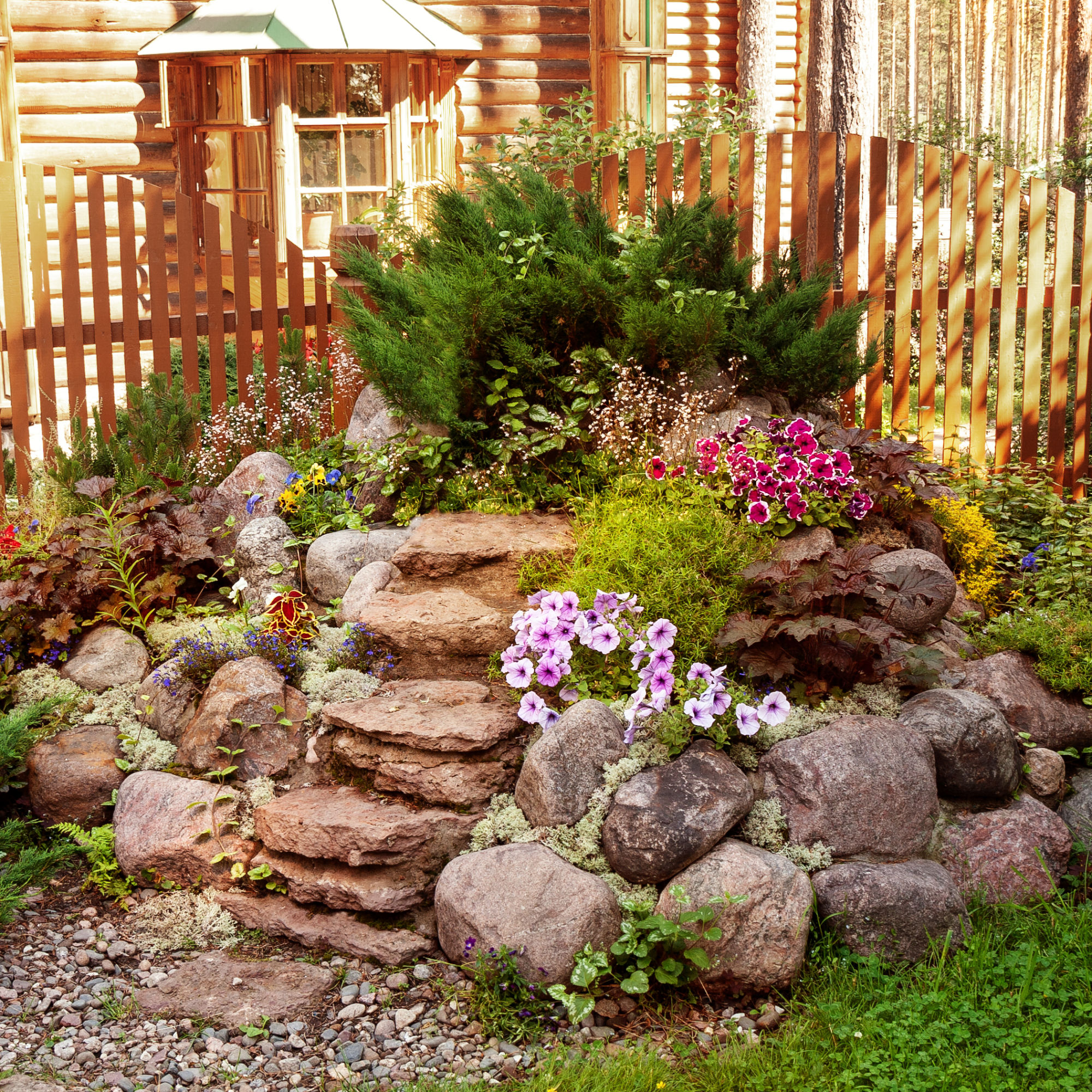
Credit: www.gardeningknowhow.com

Credit: www.amazon.ca
Frequently Asked Questions
What Types Of Lights Work Best For Rock Gardens?
LED spotlights and solar-powered lights are ideal for rock gardens. They highlight textures and save energy. Choose warm white bulbs for a natural look. Waterproof fixtures ensure durability. Low-voltage lighting adds safety and enhances aesthetics.
How Do I Position Lights In My Rock Garden?
Place lights to emphasize rock shapes and plants. Use uplighting for dramatic shadows and downlighting for soft glow. Space lights evenly to avoid dark spots. Adjust angles to reduce glare. Experiment with layering for depth and dimension.
Can I Use Solar Lights To Illuminate A Rock Garden?
Yes, solar lights are energy-efficient and easy to install. They charge during the day and light up at night. Choose high-quality solar fixtures with strong batteries. Position them where they receive ample sunlight. Solar lights are eco-friendly and cost-effective.
How Does Lighting Improve A Rock Garden’s Appearance?
Lighting enhances texture, color, and depth in a rock garden. It creates ambiance and highlights focal points. Proper lighting extends garden enjoyment into the evening. It also increases safety by illuminating pathways and uneven surfaces.
Conclusion
Lighting up your rock garden creates a warm, inviting space. Choose soft lights to highlight stones and plants gently. Place lights where shadows add depth and charm. Solar lights offer easy, eco-friendly options without wiring. Experiment with colors to set the mood you want.
Keep safety in mind by avoiding trip hazards. A well-lit rock garden looks beautiful day and night. Small changes can make a big difference in your outdoor space. Enjoy the calm and beauty your lights bring.

