
Winter can be tough on your outdoor string lights. If you want to keep them shining bright season after season, you need to protect them from cold, snow, and ice.
Imagine enjoying a cozy, well-lit backyard even on the chilliest nights—without worrying about broken bulbs or damaged wires. You’ll discover simple and effective ways to shield your outdoor lights from winter’s harshest elements. Keep reading to learn how to save time, money, and frustration while making your outdoor space glow all winter long.

Credit: www.inspirerendehobby.no
Choosing Weatherproof String Lights
Choosing weatherproof string lights is key for winter outdoor use. These lights stand up to rain, snow, and cold temperatures. They last longer and stay safe in harsh weather. Picking the right lights saves money and effort over time.
Look for lights with strong materials and secure seals. These features keep moisture out and prevent damage. The lights should also have a protective coating to stop rust and corrosion. This helps maintain bright, clear lighting all winter.
Check The Ip Rating
The IP rating shows how well lights resist dust and water. A higher IP number means better protection. For winter, choose lights rated at least IP65. This rating means they are dust-tight and can handle water jets.
Use Durable Materials
Choose lights made from sturdy plastic or coated metals. These materials resist cracking and rust. They handle freezing and thawing without breaking. Avoid fragile bulbs or thin wires that can snap easily.
Look For Cold-resistant Bulbs
Some bulbs work better in cold weather. LED bulbs are a good choice. They do not get hot and last much longer. LED lights also use less power, saving energy in winter.
Ensure Proper Sealing
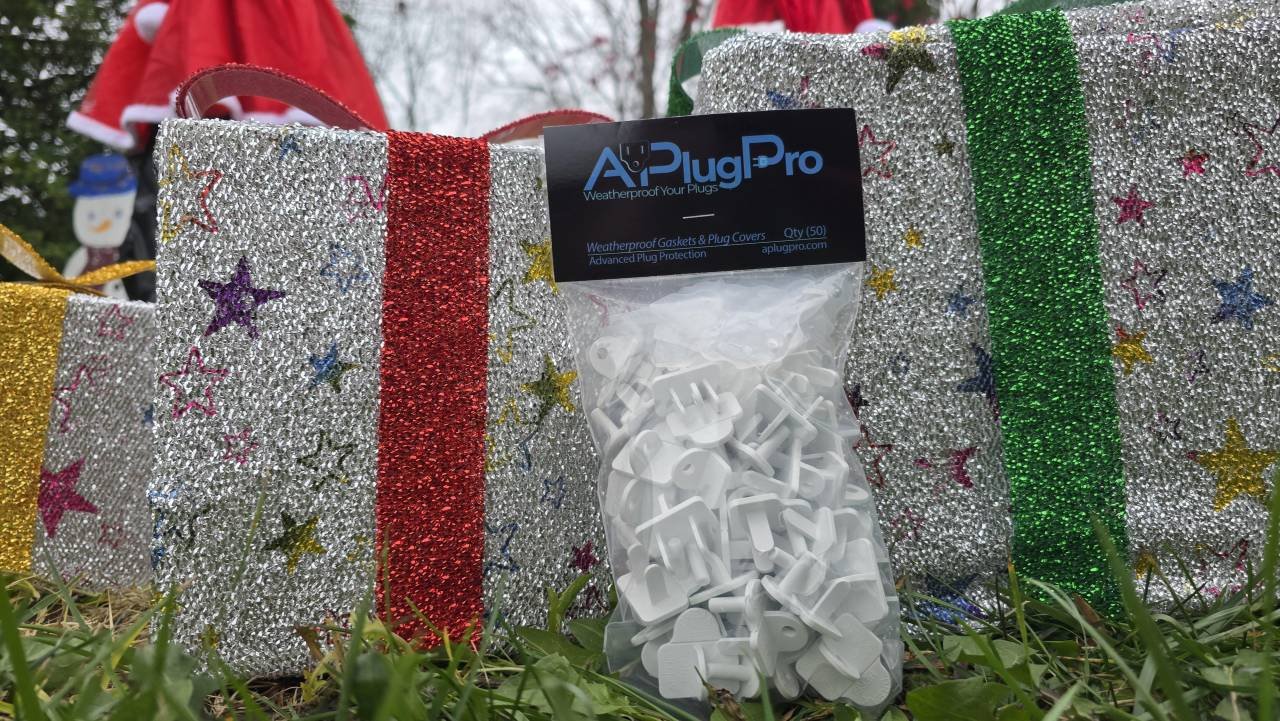
Water can enter through gaps and cause problems. Check that all connections are tightly sealed. Look for rubber gaskets or silicone seals around plugs and sockets. This stops water and snow from getting inside.
Proper Installation Techniques
Proper installation techniques are key to keeping outdoor string lights safe during winter. These methods prevent damage caused by harsh weather. Careful setup helps lights last longer and shine brightly.
Securing Lights Against Wind
Strong winds can pull lights loose or cause breaks. Secure string lights tightly to sturdy supports. Use weather-resistant clips or hooks to hold them firmly.
- Attach lights to stable surfaces like walls or fences.
- Wrap lights around poles or branches for extra grip.
- Check tension often to avoid sagging.
- Use zip ties to fasten loose ends securely.
Keeping lights steady avoids damage and outages in winter storms.
Using Protective Covers
Protective covers shield lights from snow, ice, and moisture. Cover bulbs and connectors with clear plastic sleeves or weatherproof boxes.
- Choose covers designed for outdoor use.
- Ensure covers fit snugly without crushing wires.
- Inspect covers regularly for cracks or wear.
- Replace damaged covers immediately to keep lights dry.
Proper covers reduce the risk of electrical shorts and prolong light life.
Insulating Electrical Connections
Insulating electrical connections is vital for protecting outdoor string lights during winter. Cold weather and moisture can cause wires to short or corrode. Proper insulation keeps connections dry and safe. This prevents electrical failures and extends the life of your lights.
Using Waterproof Connectors
Waterproof connectors are designed to block moisture from entering the wiring. They create a tight seal around the connection points. Using these connectors reduces the risk of electrical shorts caused by water. Choose connectors rated for outdoor use and cold temperatures. They are simple to install and provide strong protection against winter weather.
Sealing With Electrical Tape
Electrical tape adds an extra layer of protection over connectors. Wrap the tape tightly around all exposed wires and joints. Use high-quality, weather-resistant electrical tape for the best results. Make sure to cover every gap to stop water and cold air from getting in. This method is affordable and easy to do for any outdoor string light setup.

Credit: www.safetyandhealthmagazine.com
Regular Maintenance Checks
Regular maintenance checks keep outdoor string lights safe and bright during winter. Cold weather and moisture can cause damage over time. Routine inspections help spot problems early. Small fixes prevent bigger issues. Clean lights also shine better and last longer. Set a schedule to check lights often throughout the season.
Inspecting For Damage
Look closely at wires and bulbs for cracks or breaks. Check for frayed or exposed wires that can cause short circuits. Bulbs may be loose or burnt out. Replace damaged parts immediately to avoid electrical hazards. Pay special attention to connection points and plugs. Water can enter these spots and cause rust or corrosion.
Cleaning Debris Accumulation
Remove leaves, dirt, and snow from lights and cords. Debris traps moisture and speeds up wear and tear. Use a soft cloth or brush to clean gently. Avoid using harsh chemicals that can damage the plastic coating. Make sure lights are dry before turning them on. Clean lights glow brighter and reduce fire risks.
Storing Lights During Extreme Weather
Storing outdoor string lights properly during extreme weather is vital for their longevity. Cold temperatures, moisture, and strong winds can damage the wires and bulbs. Taking the right steps to pack and store the lights can prevent costly replacements. It also keeps them ready for use next season without hassle.
Proper Packing Methods
Start by gently removing the lights from their outdoor setup. Avoid pulling or tugging on the wires. Untangle any knots carefully to prevent wire damage.
- Wrap the lights around a sturdy piece of cardboard or a spool to keep them neat.
- Use twist ties or soft string to secure the coil and prevent unraveling.
- Place the wrapped lights inside a plastic bag to protect from moisture.
- Add silica gel packets to absorb any leftover humidity inside the bag.
Proper packing keeps the lights organized and shields them from moisture and breakage.
Ideal Storage Locations
Choose a dry, cool place away from direct sunlight. Avoid locations with extreme temperature swings.
- Indoor closets or storage bins in basements work well.
- Keep the lights off the floor to protect from water damage.
- Store away from heavy items that could crush or damage the lights.
- Avoid places with high humidity or dampness to prevent corrosion.
Proper storage ensures your string lights stay in good condition all winter long.
Utilizing Smart Light Timers
Utilizing smart light timers is a smart strategy to protect your outdoor string lights during winter. These devices automatically control when your lights turn on and off, reducing unnecessary usage. This helps you save energy and extends the life of your lights without any extra effort on your part.
Energy Efficiency Benefits
Smart light timers help cut down on wasted electricity by ensuring your string lights only operate when needed. You can set specific on and off times, like dusk to 11 PM, so the lights don’t run all night. This not only lowers your energy bills but also reduces your carbon footprint.
Have you ever forgotten to switch off your outdoor lights? Timers eliminate that problem completely, making your energy use more predictable and controlled. Plus, some models can even adjust automatically based on sunset times, adding convenience.
Prolonging Light Lifespan
Running your outdoor string lights continuously can wear them out faster, especially in harsh winter conditions. Smart timers prevent overuse by limiting how long the lights stay on each day. This reduces heat buildup and stress on the bulbs and wiring.
By giving your lights regular breaks, timers help avoid early burnout and reduce the risk of electrical failures caused by moisture or freezing temperatures. This means fewer replacements and less hassle for you. Have you noticed how small changes like this can save you time and money over the season?
Selecting The Right Extension Cords
Selecting the right extension cords is a crucial step to keep your outdoor string lights safe and functional during winter. The wrong cords can cause electrical hazards or simply fail under harsh weather conditions. Paying attention to the type and length of the cords you use can make a big difference in how well your lights perform throughout the cold months.
Choosing Outdoor-rated Cords
Always pick extension cords specifically rated for outdoor use. These cords are designed with thicker insulation to resist moisture, cold, and physical damage. Using indoor cords outside can lead to shorts, shocks, or even fires.
Look for cords labeled as “weather-resistant” or “waterproof.” These features help protect your connection points from snow and ice buildup. I once used a regular indoor cord, and within a week, the insulation cracked because of freezing temperatures. That experience taught me the importance of outdoor-rated cords firsthand.
Managing Cord Length
Choose an extension cord just long enough to reach your lights without stretching. Excessively long cords can cause voltage drops, dimming your lights and stressing the wiring. Too short, and you risk creating tripping hazards or pulling on plugs.
If you need to connect multiple cords, make sure each is outdoor-rated and avoid daisy-chaining too many together. Consider placing power sources closer to your lights or using a heavy-duty extension cord designed for longer runs. How often do you check if your cords are properly laid out to avoid damage?
Credit: blog.1000bulbs.com
Frequently Asked Questions
How Do I Protect Outdoor String Lights From Winter Weather?
Use waterproof covers and secure lights tightly to prevent damage from snow and wind. Regularly check for wear and replace damaged bulbs promptly.
Can I Leave String Lights Outside During Winter?
Yes, if they are rated for outdoor use and properly insulated. Always unplug lights during storms to avoid electrical hazards.
What Materials Protect String Lights Best In Winter?
Silicone-coated or rubberized wires resist moisture and cold. Using weatherproof connectors and sealing tape adds extra protection against the elements.
How Should I Store String Lights After Winter?
Remove lights carefully, coil them loosely, and store in a dry, cool place. Avoid tangling and crushing to prolong their lifespan.
Conclusion
Protecting outdoor string lights during winter keeps them safe and bright. Use covers and secure plugs to stop water damage. Store lights in a dry place when not in use. Check for any damage before hanging them again. Simple care helps your lights last through cold months.
Enjoy warm, glowing lights all winter long.

