
Are you tired of seeing green slime take over your beautiful water feature? Algae not only looks unpleasant but can also harm the health of your pond or fountain.
The good news is, you don’t have to let algae ruin your peaceful water space. By understanding simple, effective steps, you can keep your water clear and inviting all year round. Keep reading to discover how you can easily prevent algae and enjoy a sparkling water feature that becomes the highlight of your garden.

Credit: www.amazon.com
Understanding Algae Growth
Algae growth in water features is a natural process but often unwanted. Understanding how algae develop helps keep ponds and fountains clear and healthy. Algae thrive under certain conditions that can be controlled. Knowing the causes and types of algae is key to prevention.
Causes Of Algae In Water Features
- Excess sunlight fuels algae growth rapidly.
- High nutrient levels, like nitrogen and phosphorus, feed algae.
- Warm water temperatures speed up algae reproduction.
- Poor water circulation allows algae to settle and grow.
- Organic debris, such as leaves, breaks down and adds nutrients.
Types Of Algae Commonly Found
- Green Algae:Bright green and slimy, it covers surfaces easily.
- Blue-Green Algae (Cyanobacteria):Looks like paint and can release toxins.
- Filamentous Algae:Forms long threads and mats on water surfaces.
- Brown Algae:Less common but appears as brownish patches.

Credit: www.moosejawtoday.com
Proper Water Circulation
Proper water circulation keeps your water feature clean and clear. It stops algae from settling and growing. Water movement prevents stagnant areas where algae thrive. Good circulation also helps oxygen reach all parts of the water. This supports fish and beneficial bacteria that fight algae naturally.
Benefits Of Good Water Flow
- Prevents algae by disrupting their growth environment
- Keeps water oxygenated for healthy aquatic life
- Reduces debris buildup by moving particles to filters
- Improves water clarity and overall appearance
- Supports beneficial bacteria that compete with algae
Choosing The Right Pump System
Select a pump that matches your water feature size. Too weak a pump cannot move water efficiently. Too strong a pump may disturb plants and fish. Look for energy-efficient models to save costs. Consider pumps with adjustable flow settings for flexibility.
Place the pump to encourage full water circulation. Position it to avoid dead spots in the feature. Use additional water movers or fountains if needed. Check the pump regularly for clogs or damage to maintain flow.
Regular Cleaning Practices
Keeping your water feature free from algae starts with consistent cleaning. Regular cleaning practices remove the nutrients and debris algae need to thrive. This not only keeps the water clear but also protects the health of plants and aquatic life in your feature.
Effective Cleaning Tools
Using the right tools makes cleaning easier and more efficient. A sturdy pond net helps scoop out leaves and floating debris quickly. A soft brush is perfect for scrubbing algae off surfaces without damaging liners or stones.
Consider adding a small pond vacuum to your toolkit. It removes sludge and sediment from the bottom where algae often hide. These tools save time and effort, making your cleaning routine less of a chore.
Scheduling Maintenance Routines
How often do you clean your water feature? Setting a regular schedule keeps algae growth under control. Weekly or biweekly maintenance prevents buildup before it becomes a problem.
Mark your calendar with specific cleaning days and stick to them. Pay attention to seasonal changes—algae grows faster in warm weather, so you might need to clean more often during summer months. Consistency is key to enjoying a crystal-clear water feature year-round.
Utilizing Natural Algae Inhibitors
Utilizing natural algae inhibitors is a smart way to keep your water features clear and healthy without relying on harsh chemicals. These natural options work by balancing the ecosystem, making it harder for algae to take over. By adding the right plants and beneficial bacteria, you create an environment where algae struggles to grow, saving you time and effort in maintenance.
Plants That Prevent Algae
Certain aquatic plants compete directly with algae for nutrients and sunlight, effectively starving the algae. Adding floating plants like water liliesor duckweedshades the water surface, reducing sunlight exposure that algae need to thrive.
Submerged plants such as hornwortand anacharisabsorb excess nutrients before algae can use them. These plants also oxygenate the water, creating a healthier environment for fish and other aquatic life.
Have you noticed how a well-planted pond stays clearer longer? That’s because plants naturally keep algae in check by balancing the water’s nutrients and light.
Beneficial Bacteria For Water Features
Beneficial bacteria break down organic debris and excess nutrients, which are prime food sources for algae. Adding these bacteria to your water feature helps maintain a clean and balanced ecosystem.
You can buy bacteria supplements specifically designed for ponds and fountains. When introduced regularly, these bacteria multiply and reduce the amount of nutrients available for algae growth.
Think about it—if you reduce the food source, algae simply cannot flourish. Using beneficial bacteria is a natural, low-maintenance way to keep your water clear without constant scrubbing.
Chemical Treatments For Algae Control
Chemical treatments offer a quick and effective way to control algae growth in water features. These treatments help maintain clear water and a healthy ecosystem. Choosing the right chemicals and using them properly is vital to avoid harm to plants, fish, and beneficial bacteria.
Chemical control works by targeting algae cells directly. It stops their growth or kills them, preventing green water or slippery surfaces. Proper use also reduces the chance of algae coming back quickly.
Safe Algaecides For Use
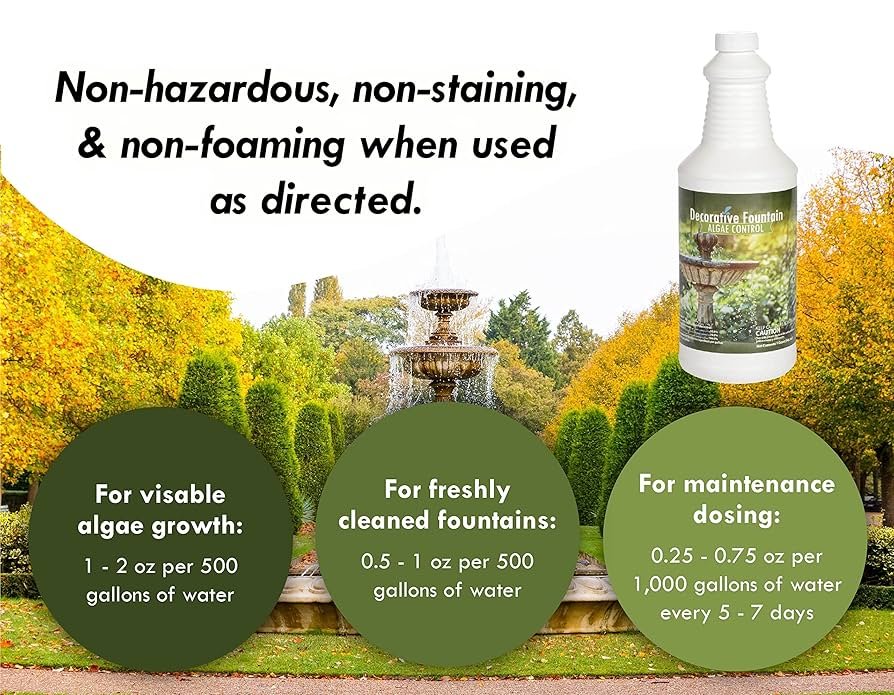
Safe algaecides kill algae without damaging the water feature. Common safe options include copper-based and non-copper algaecides.
- Copper-based algaecides:Effective but must be used carefully to avoid harming fish.
- Non-copper algaecides:Safer for aquatic life and plants.
- Natural algaecides:Made from plant extracts, these are gentle on the environment.
Always follow the label instructions for dosage and application. Overuse can cause chemical buildup and water imbalance.
Balancing Chemicals In Water
Balanced water chemistry prevents algae growth naturally. Check and adjust these key levels:
- pH:Keep water pH between 6.5 and 8.0 for best results.
- Phosphates and nitrates:Low levels reduce algae food sources.
- Oxygen:Aeration helps beneficial bacteria outcompete algae.
Use water test kits regularly to monitor chemical levels. Adjust with water treatments as needed to maintain balance and clear water.

Credit: www.aquatix-2u.co.uk
Managing Sunlight Exposure
Sunlight plays a major role in algae growth in water features. Algae need sunlight to thrive and multiply. Managing how much sunlight your water feature receives helps keep algae under control. Adjusting sunlight exposure slows down algae growth and keeps water clear and fresh.
Positioning Water Features
Place water features in areas with partial shade. Avoid spots with full sun all day. A location near trees or buildings offers natural shade. This reduces the time sunlight hits the water. Moving the feature away from direct sunlight limits algae growth.
Using Shade Structures
Shade structures protect water features from intense sun. Use umbrellas, pergolas, or shade sails to cover the water. These structures block sunlight without harming plants or fish. They also create a cooler environment, which discourages algae. Easy to install and adjust, shade structures offer flexible sunlight control.
Monitoring Water Quality
Monitoring water quality is essential for keeping your water feature clear and free from algae. It helps you understand the chemical balance and identify issues before they turn into a green mess. Regular checks give you control over your water environment, making maintenance easier and more effective.
Testing Water Parameters
Start by testing key water parameters like pH, ammonia, nitrites, and nitrates. These factors directly affect algae growth and the health of any plants or fish in your feature. You can use simple test kits available at garden centers or online, which provide quick and easy readings.
Test your water weekly, especially during warm months when algae tend to grow faster. Keep a log of your results to track trends and spot sudden changes. This habit helped me catch an ammonia spike early, saving my pond from turning into an algae swamp.
Interpreting Test Results
Understanding what your test results mean is key to taking the right action. For instance, a pH level outside the 6.5 to 8.0 range can encourage algae growth. High nitrates and phosphates usually signal excess nutrients, often from overfeeding fish or decaying plant material.
If your test shows high nutrient levels, reduce feeding and remove debris promptly. Adjusting pH may require adding specific chemicals, but always follow product instructions carefully. Ask yourself: what changes in my water feature environment could be causing these imbalances?
Expert Tips For Long-term Prevention
Keeping algae out of water features takes consistent care and smart choices. Long-term prevention means using several techniques at once. This approach helps stop algae from growing and keeps your water clear and healthy.
Applying expert tips can save time and effort later. It keeps your water feature looking beautiful and functioning well. Small daily habits and regular checks make a big difference over time.
Integrating Prevention Strategies
Combine different methods for the best results. Use these key strategies:
- Regularly clean your water feature to remove debris.
- Install a good filtration system to keep water clear.
- Introduce aquatic plants that compete with algae for nutrients.
- Use UV clarifiers to kill algae spores effectively.
- Limit direct sunlight by adding shade or floating plants.
- Control fish feeding to avoid excess nutrients in water.
Mixing these steps creates a balanced environment that discourages algae growth. Maintaining this balance is crucial for long-term success.
Common Mistakes To Avoid
Many make simple errors that let algae thrive. Watch out for these pitfalls:
- Ignoring regular cleaning leads to buildup of algae-friendly debris.
- Overfeeding fish increases nutrients that feed algae.
- Skipping filtration allows algae spores to multiply unchecked.
- Using harsh chemicals can harm beneficial plants and fish.
- Allowing too much sunlight encourages algae to grow fast.
- Neglecting water circulation creates stagnant areas perfect for algae.
Steering clear of these mistakes helps maintain clear water and a healthy ecosystem.
Frequently Asked Questions
What Causes Algae Growth In Water Features?
Algae thrive in water with excess sunlight, nutrients, and warmth. Organic debris and poor circulation also encourage growth. Controlling these factors helps prevent algae buildup in water features.
How Often Should I Clean My Water Feature?
Clean your water feature at least once a month. Regular cleaning removes debris and reduces nutrients that feed algae. This helps maintain clear water and prevents algae from spreading.
Can Plants Help Reduce Algae In Water Features?
Yes, aquatic plants compete with algae for nutrients and shade the water. Adding plants like water lilies limits sunlight and nutrient availability, which naturally controls algae growth.
Is Chemical Treatment Safe For Algae Control?
Chemical treatments can be effective but should be used cautiously. Always follow instructions to avoid harming fish and plants. Natural methods are preferable for long-term algae management.
Conclusion
Preventing algae in water features keeps them clean and beautiful. Regular cleaning stops algae before it grows. Use proper filtration to keep water clear. Control sunlight exposure to reduce algae growth. Adding plants helps balance the water naturally. Small steps make a big difference over time.
Enjoy a fresh, clear water feature all year. Keep these tips in mind for best results. Your water feature will stay healthy and inviting. Simple care leads to long-lasting beauty and fun.

