
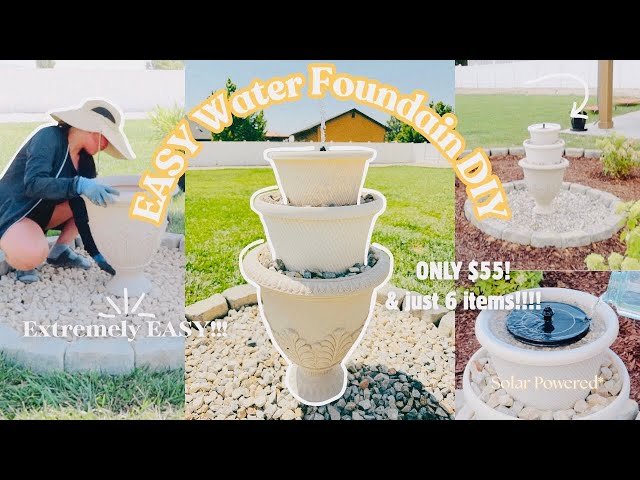
Are you looking to add a charming touch to your garden that also attracts beautiful birds? Making your own DIY ceramic birdbath is easier than you think, and it gives you a unique piece that reflects your style.
Imagine watching colorful birds splash and play in a birdbath you created with your own hands. In this guide, you’ll discover simple steps to craft a stunning ceramic birdbath that fits perfectly in your outdoor space. Let’s get started and bring more life and joy to your garden!
Materials Needed
Gathering the right materials is the first step toward creating a beautiful DIY ceramic birdbath. The quality and type of materials you choose will affect not only the look but also the durability of your project. Knowing exactly what to prepare keeps your process smooth and enjoyable.
Choosing The Right Clay
Start by selecting clay that can withstand outdoor weather conditions. Stoneware clay is a popular choice because it fires at high temperatures and resists water absorption, making it ideal for birdbaths.
Earthenware clay is easier to work with but less durable outside, so consider how much time you want to spend on maintenance. Think about your local climate—does it rain a lot? Clay that absorbs water could crack in freezing temperatures.
Tools And Supplies
You’ll need basic pottery tools to shape and finish your birdbath. A pottery wheel is helpful but not necessary; hand-building techniques work just as well.
- Sculpting tools (wire cutters, ribs, and smoothing tools)
- Rolling pin or slab roller for flattening clay
- Plastic or wooden boards as a work surface
- Glaze brushes for finishing touches
- A kiln or access to one for firing your piece
Don’t forget safety gear like gloves and a dust mask, especially when sanding or glazing.
Optional Decorative Elements
Adding decorative elements personalizes your birdbath and can make it a true garden centerpiece. You might want to include mosaic tiles, pebbles, or glass beads embedded into the clay before firing.
Consider using non-toxic, waterproof glazes in vibrant colors to attract birds and enhance durability. What unique touch will you add to make your birdbath stand out?
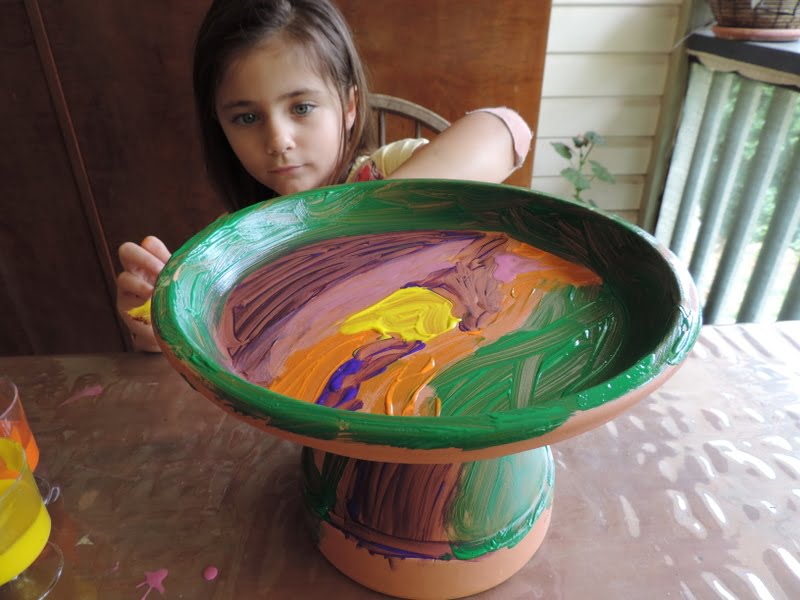
Credit: www.theempowerededucatoronline.com
Preparing The Clay
Preparing the clay is a key part of making a DIY ceramic birdbath. Proper preparation ensures the clay is soft and workable. It helps avoid cracks and uneven shapes during drying and firing. Taking time to prepare the clay well will improve your results and make the crafting process smoother.
Conditioning The Clay
Start by kneading the clay to remove air bubbles. Air pockets can cause cracks during firing. Work the clay with your hands on a clean surface. Press, fold, and push repeatedly until it feels soft and even.
If the clay is too dry, add a small amount of water. Add water slowly to avoid making the clay sticky. If the clay is too wet, let it dry for a while before kneading again. Proper conditioning makes the clay flexible and easy to shape.
Shaping Techniques
Choose the shape of your birdbath base and bowl. Use simple forms like a shallow bowl or flat plate. Roll the clay into slabs or coils depending on your design.
- Slab method: Roll clay flat with a rolling pin. Cut out shapes using a template or knife.
- Coil method: Roll clay into long ropes. Stack and smooth coils to build up walls.
Smooth the surfaces with a damp sponge or your fingers. Join pieces by scoring (making small scratches) and using slip (clay mixed with water) as glue. Take your time to shape the birdbath evenly and neatly.
Forming The Birdbath Base
Forming the birdbath base is a crucial part of creating a durable and attractive birdbath. This stage sets the foundation and defines the shape of the entire piece. A well-formed base keeps the birdbath steady and ensures it lasts through different weather conditions.
Creating A Stable Foundation
Start by choosing a solid surface to build your birdbath base. Use a thick slab of clay or a sturdy ceramic plate as the base. Make sure the base is flat and wide enough to support the basin’s weight.
Press the clay firmly onto your work surface. Smooth out any bumps or cracks. The base should be even to prevent wobbling. Let the clay dry slightly until it is leather-hard but still workable.
Building The Basin
Shape the basin by gently molding clay upwards from the base’s center. Use your fingers or a small tool to create a shallow bowl shape. The basin should be deep enough to hold water but shallow enough for birds to access safely.
Keep the walls even in thickness to avoid cracks during drying. Smooth the edges carefully. You can add texture or simple designs for decoration. Allow the entire base and basin to dry slowly to prevent warping.

Credit: www.dukemanorfarm.com
Adding Decorative Features
Adding decorative features to your DIY ceramic birdbath is where your creativity truly shines. These details not only enhance its beauty but also give your birdbath a unique personality. Think about how these touches will interact with the natural surroundings and attract birds.
Carving Designs
Carving simple patterns or motifs into the clay can add depth and charm. You might try leaf shapes, swirls, or even bird footprints to keep the theme consistent. Use basic tools like a wooden skewer or a small loop tool to gently etch your design before the clay dries.
Have you ever noticed how subtle carvings catch sunlight differently? This effect can make your birdbath look more inviting to birds and people alike. Don’t worry about perfection—natural, hand-carved lines often feel more organic.
Adding Texture
Texture brings a tactile element that makes your birdbath stand out. Press items like lace, leaves, or even crumpled foil into the wet clay to leave interesting imprints. You can also create raised bumps or ridges by pinching or rolling the clay surface.
Textures can help prevent birds from slipping, so think about combining beauty with function. Have you tried mixing smooth and rough areas? This contrast not only looks appealing but also adds practical value.
Attaching Embellishments
Small ceramic or natural objects can be attached to your birdbath to give it character. Consider adding tiny ceramic flowers, shells, or small pebbles before firing the clay. Use slip (a liquid clay mixture) as glue to securely attach these pieces.
Embedding found objects can also tell a story or reflect your garden’s theme. What unique items do you have on hand that could make your birdbath truly one-of-a-kind? Just remember, all attachments must be firmly fixed to withstand outdoor conditions.
Drying And Firing
Drying and firing are crucial stages in creating your DIY ceramic birdbath. These steps transform your shaped clay into a durable, weather-resistant piece. Skipping or rushing through them can lead to cracks or breakage, so understanding how to handle drying and firing will save you frustration and ensure your birdbath lasts.
Proper Drying Methods
Before firing, your birdbath must dry completely to avoid steam damage in the kiln. Dry it slowly in a cool, shaded area to prevent uneven drying, which causes cracks. You can cover it loosely with plastic to control the drying speed if the air is too dry.
Place your piece on a flat surface and turn it occasionally to ensure all sides dry evenly. How do you know it’s ready? The clay should feel room temperature and solid without any cold or damp spots. If it still feels cool or soft, give it more time.
- Keep drying time flexible—small pieces may take a few days, larger birdbaths up to two weeks.
- Avoid direct sunlight or heat sources that dry too quickly.
- Use a moisture meter if you want to be precise.
Kiln Firing Process
Once dried, it’s time to fire your birdbath in a kiln to harden the clay. Firing turns your fragile creation into a solid, waterproof piece. You need to follow the kiln’s firing schedule carefully, increasing temperature gradually to avoid thermal shock.
Start with a slow ramp-up to about 200°C (392°F) to allow any remaining moisture to escape safely. Then, continue to your target temperature, usually between 900°C and 1100°C (1652°F – 2012°F) depending on your clay type. Hold this peak temperature for at least an hour to ensure full vitrification.
After firing, cool the kiln slowly to prevent cracks from rapid cooling. Have you ever seen a beautifully shaped birdbath crack right after firing? Slow cooling helps avoid that disappointment.
- Consult your clay’s firing instructions for exact temperatures.
- Use kiln shelves and stilts to keep your piece stable during firing.
- Wear protective gear and never open the kiln while it’s hot.
Glazing And Finishing
Glazing and finishing your DIY ceramic birdbath is where your creation truly comes to life. This stage not only adds color and shine but also protects the ceramic from water and weather damage. The choices you make here impact both the look and durability of your birdbath.
Selecting Glazes
Choosing the right glaze depends on the style and function of your birdbath. You want a glaze that is waterproof and safe for outdoor use. Matte glazes offer a natural, earthy feel, while glossy glazes create a bright, eye-catching surface.
Think about the colors that will complement your garden. Blues and greens often mimic water and nature, but don’t hesitate to pick bold colors if you want your birdbath to be a standout feature. Some glazes also have textures or speckles that add unique character.
Applying Glaze
Applying glaze evenly is key to a smooth finish. You can dip your birdbath pieces into the glaze or brush it on carefully. If you use a brush, work in thin layers to avoid drips and uneven spots.
Make sure to clean off the base before glazing to prevent the piece from sticking to the kiln shelf. If you’re glazing multiple colors or patterns, plan your design and let each layer dry before adding the next.
Final Firing
Firing the glazed birdbath in the kiln solidifies the finish and makes it waterproof. The temperature and firing time depend on the type of clay and glaze you use. Follow the glaze manufacturer’s instructions closely to avoid cracking or dull finishes.
After firing, inspect your birdbath for any rough edges or glaze flaws. Sometimes a second firing is needed to fix imperfections. Have you noticed how the final firing brings out the true depth and richness of your glaze choices? It’s a rewarding moment worth the patience.
Placement And Maintenance
Placing and maintaining your DIY ceramic birdbath correctly ensures it stays attractive and functional for years. Thoughtful location choice attracts more birds, while regular upkeep keeps the water fresh and the structure intact. Let’s look at how to pick the right spot and keep your birdbath clean and cared for throughout the seasons.
Choosing The Best Location
Pick a spot that gets a mix of sun and shade. Birds like sun to warm the water but also need shade to cool off and stay safe from predators.
Place the birdbath near trees or shrubs. This gives birds a place to perch and hide if they feel threatened.
Think about visibility from your favorite window. Watching birds up close can be a peaceful break in your day.
Cleaning Tips
Dirty water can harm birds, so clean your birdbath weekly. Use a scrub brush and mild soap, then rinse thoroughly to remove soap residue.
Avoid using harsh chemicals or bleach, as these can be dangerous for wildlife. Instead, a solution of vinegar and water works well to remove algae and mineral build-up.
Empty the birdbath before refilling it with fresh water. This stops mosquitoes from breeding and keeps the water inviting for birds.
Seasonal Care
In warmer months, check the water daily. Hot weather causes evaporation and can quickly make the bath too shallow for birds.
During winter, consider bringing your ceramic birdbath indoors if freezing temperatures crack it. If you keep it outside, use a birdbath heater or change the water frequently to prevent ice build-up.
Fall leaves and debris can dirty the water fast. Cover your birdbath when not in use or clean it more often during this time.

Credit: www.dukemanorfarm.com
Frequently Asked Questions
What Materials Are Needed For A Diy Ceramic Birdbath?
You need clay, a ceramic mold or wheel, glaze, a kiln, and basic sculpting tools. These materials help shape and finish your birdbath.
How Long Does It Take To Make A Ceramic Birdbath?
Making a ceramic birdbath typically takes 2-3 days. This includes shaping, drying, firing, glazing, and final firing.
Can I Make A Birdbath Without A Kiln?
Yes, you can use air-dry clay but it’s less durable. Kiln-fired ceramics are stronger and weather-resistant for outdoor use.
How Do I Ensure My Birdbath Is Bird-friendly?
Use non-toxic glaze, smooth edges, and shallow water depth. This ensures safety and comfort for visiting birds.
Conclusion
Creating a DIY ceramic birdbath brings joy to any garden space. It invites birds to visit and adds a peaceful touch. The process is simple and fun to try. Using basic materials keeps the project affordable and easy. With some patience, anyone can build a beautiful birdbath.
Enjoy watching birds gather and splash in your handmade creation. This small project brightens outdoor areas and connects you with nature. Give it a go and see the difference it makes.

