
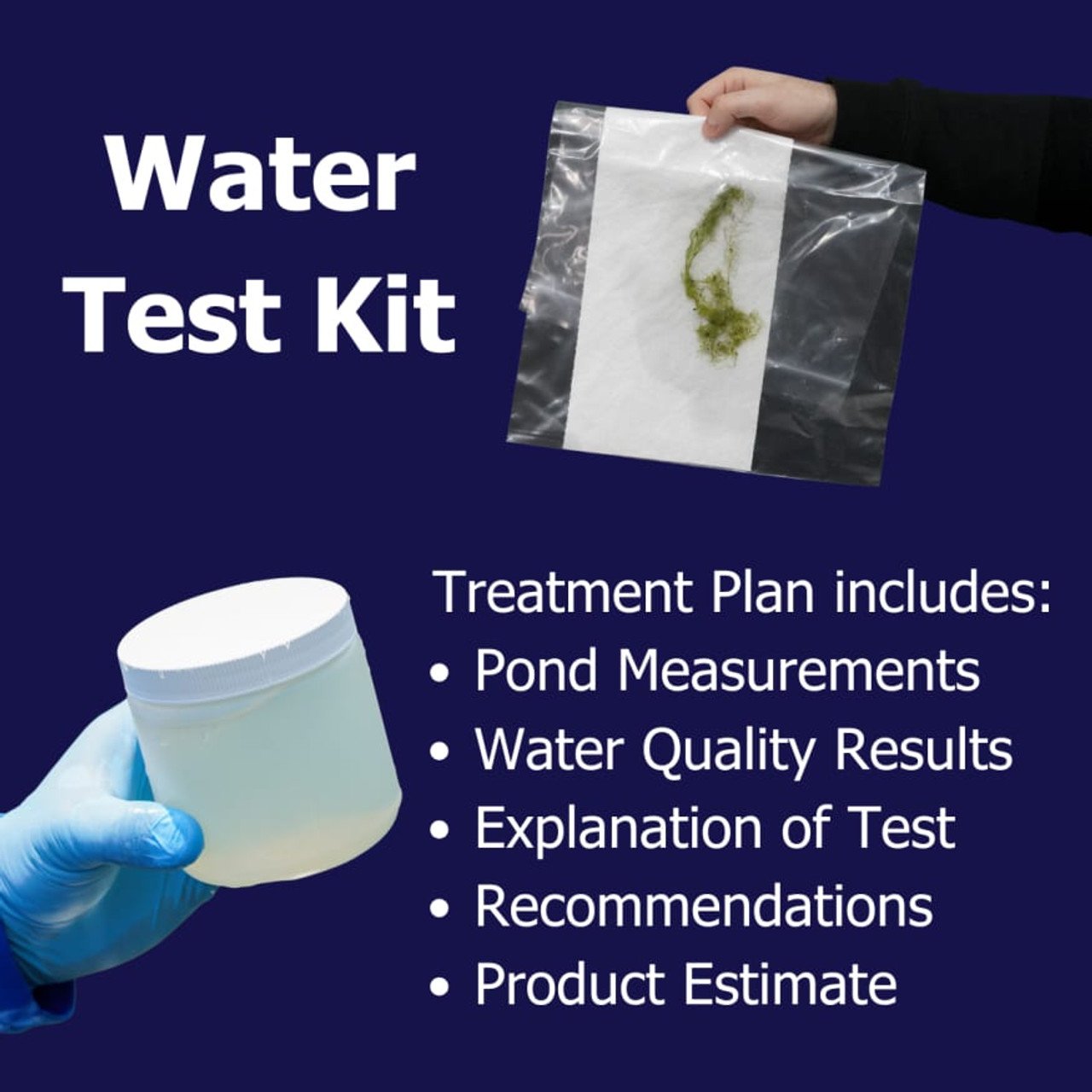
If you have a pond, you know how important it is to keep the water clean and healthy. But how can you be sure your pond water is safe for fish, plants, and even you?
Testing your pond water is the key. It helps you spot problems early and take action before things go wrong. You’ll learn simple and effective ways to test your pond water. By the end, you’ll feel confident about maintaining a clear, balanced pond that thrives all year round.
Ready to dive in? Let’s get started!
Importance Of Testing Pond Water
Testing pond water is essential for maintaining a healthy environment. It helps keep fish, plants, and other wildlife safe. Regular testing reveals problems early, allowing quick fixes. Clear water and balanced chemistry result from proper care. Healthy ponds attract more wildlife and look better.
Protecting Aquatic Life
Water quality directly affects fish and plants. Poor water conditions cause stress and disease. Testing identifies harmful chemicals and toxic levels. Keeping water safe supports strong, thriving aquatic life.
Preventing Algae Overgrowth
Excess nutrients cause algae blooms that hurt ponds. Testing measures nutrient levels like nitrogen and phosphorus. Managing these keeps algae under control. Clear water means a balanced pond ecosystem.
Maintaining Water Clarity
Turbidity or cloudiness reduces sunlight for plants. Testing for suspended solids helps identify causes. Clean, clear water improves plant growth and pond beauty.
Ensuring Safe Water Parameters
Parameters like pH, ammonia, and oxygen affect pond health. Testing monitors these to keep them in safe ranges. Balanced water chemistry supports all pond life.
Saving Money On Repairs
Early detection of water issues avoids costly damage. Testing stops problems before they worsen. Regular checks extend pond life and reduce repair costs.
Essential Tools And Kits
Testing your pond water accurately begins with having the right tools and kits at hand. Without these essentials, you risk misreading your pond’s health and making wrong decisions. Let’s look at what you really need to keep your water clean and safe for your fish and plants.
Types Of Pond Water Test Kits
There are several types of test kits available, each designed to check specific water parameters. Some kits test for basic factors like pH, ammonia, nitrites, and nitrates. Others offer more detailed analysis including hardness, alkalinity, and chlorine levels.
Choose a kit that matches the level of detail you want. Basic kits are great for beginners, while advanced kits suit those managing complex ecosystems.
Essential Tools Included In Test Kits
- Test tubes or vials:For collecting water samples safely.
- Color comparison charts:To match your water’s color and determine chemical levels.
- Droppers or pipettes:For adding precise amounts of reagents.
- Reagent bottles:Contain chemicals that react with water samples to indicate levels of substances.
Having these tools organized makes testing quicker and more accurate. You’ll avoid contamination and reduce errors by using the right equipment each time.
Digital Meters Vs. Chemical Test Kits
Digital meters provide instant and precise readings for parameters like pH, temperature, and dissolved oxygen. They are easy to use but usually cost more upfront.
Chemical test kits, on the other hand, are affordable and widely available. However, they require careful interpretation of color changes, which can sometimes be tricky.
Consider your budget and how often you test your pond. Would a digital meter speed up your routine checks or is a chemical kit sufficient for your needs?
Additional Tools To Consider
- Thermometer:Temperature affects fish health and chemical reactions in water.
- Sample containers:Useful for collecting water from different pond areas.
- Protective gloves:Keep your hands safe when handling reagents.
These extras might seem small but can improve your testing experience significantly. Have you ever spilled reagents or gotten confused by unclear results? The right tools can prevent these common issues.
Collecting Water Samples
Collecting water samples is the first step in testing pond water accurately. Proper sampling ensures you get a true picture of your pond’s health. It involves selecting the right spots and timing the collection carefully. Following these tips will help you gather clean and reliable water samples.
Choosing Sampling Locations
Pick spots that represent the whole pond. Avoid places near the edge with plants or mud. Areas with visible algae or debris can show pollution levels. Take samples from different depths if possible. This helps detect variations in water quality.
- Sample near the center for open water data.
- Collect near inlets or outlets to check inflow and outflow quality.
- Include shaded and sunny areas to compare results.
Best Time For Sampling
Test water during calm, dry weather for accurate results. Rain can dilute or change water quality. Early morning samples show stable conditions before the sun heats the water. Avoid sampling right after heavy rain or storms. Regular sampling over time gives the best overview of pond health.

Credit: shop.naturalwaterscapes.com
Testing Key Water Parameters
Testing key water parameters is vital for healthy pond water. These tests help maintain a safe environment for fish and plants. Regular checks prevent harmful conditions and promote clear water. Focus on essential factors like pH, ammonia, nitrite, nitrate, and oxygen levels. These parameters reveal water quality and potential risks.
Measuring Ph Levels
pH shows how acidic or basic the water is. The ideal pH for most ponds ranges between 6.5 and 8.5. Use a pH test kit or digital meter for accuracy. Test water at different times to track changes. Sudden shifts in pH can stress fish and plants.
Checking Ammonia And Nitrite
Ammonia and nitrite are toxic to aquatic life. They come from fish waste and decaying matter. Use test strips or liquid kits to measure their levels. Both should be close to zero for a safe pond. High levels require immediate action to protect pond inhabitants.
Assessing Nitrate Concentrations
Nitrate is less harmful but high amounts can cause algae growth. Ideal nitrate levels stay below 40 ppm (parts per million). Test nitrate regularly to prevent over-fertilization. Maintain a balance with plants that absorb excess nutrients.
Evaluating Dissolved Oxygen
Dissolved oxygen is crucial for fish survival and beneficial bacteria. Use an oxygen test meter or kit for measurement. Oxygen levels should be above 5 mg/L to support healthy life. Aerate your pond if oxygen drops too low, especially in hot weather.
Interpreting Test Results
Interpreting pond water test results helps maintain a healthy environment. Test kits provide numbers or color changes. Understanding these results guides your next steps. Each parameter tells a story about your pond’s water quality. Let’s explore how to read and use this information effectively.
Understanding Ph Levels
pH measures how acidic or basic the water is. A pH between 6.5 and 8.5 is best for most ponds. Below 6.5 means water is acidic. Above 8.5 means it is too alkaline. Both extremes can harm fish and plants. Adjust pH slowly to avoid stress on pond life.
Reading Ammonia And Nitrite Results
Ammonia and nitrite are toxic to fish even at low levels. Ideal readings are zero or very close to zero. Higher levels show poor filtration or too many fish. Immediate action is needed to reduce toxicity. Use water changes or beneficial bacteria products to fix this.
Checking Nitrate Concentration
Nitrates are less harmful but still important to monitor. Levels under 40 ppm are safe. Higher nitrate can cause algae blooms and poor water quality. Regular partial water changes help control nitrate buildup. Keep plants healthy to absorb excess nitrates.
Assessing Hardness And Alkalinity
Hardness shows mineral content in water. Alkalinity helps stabilize pH. Both affect pond health and water clarity. Ideal hardness and alkalinity depend on your pond’s natural water source. Test regularly to keep levels balanced and stable.

Credit: shop.naturalwaterscapes.com
Common Water Quality Issues
Maintaining good water quality in your pond is key to a healthy aquatic environment. Recognizing common water quality issues can help you act quickly before problems worsen. Let’s look at some typical challenges you might face when testing your pond water.
Algae Blooms
Algae blooms occur when algae grow rapidly, turning your pond water green or murky. This often happens after heavy rains wash fertilizers into the pond, feeding the algae. Have you noticed your pond water becoming cloudy or slimy? That’s a sign algae are taking over, which can block sunlight and harm fish.
Controlling algae means reducing nutrient inputs and sometimes using natural algae eaters like certain fish. Testing for chlorophyll levels in the water can give you an early warning. Regularly removing excess algae manually also helps keep the balance.
Excess Nutrients
Too many nutrients, especially nitrogen and phosphorus, can upset your pond’s ecosystem. These nutrients usually come from nearby fertilizers, animal waste, or decaying plants. When nutrient levels spike, algae blooms and plant overgrowth often follow.
Testing for nitrate and phosphate levels will tell you if nutrients are too high. You can then take steps like adding aquatic plants that absorb excess nutrients or improving runoff management around your pond. Have you checked how nearby land use might affect your water quality?
Low Oxygen Levels
Oxygen is essential for fish and beneficial bacteria in your pond. Low oxygen levels often occur at night or during hot weather when oxygen-demanding organisms use it up faster than it’s replaced. Do you see fish gasping at the surface? That’s a clear warning sign.
Measuring dissolved oxygen regularly helps you spot problems early. Aerators or fountains can increase oxygen levels, and reducing excess organic matter in the pond prevents oxygen depletion. How often do you check oxygen levels during summer months?
Maintaining Healthy Pond Water
Keeping your pond water healthy is key to supporting vibrant aquatic life and preventing issues like algae overgrowth or fish stress. Clean and balanced water creates a thriving environment where plants and animals can flourish. It’s not just about testing once; maintaining water quality is an ongoing commitment that pays off with a beautiful, lively pond.
Regular Testing Schedule
Testing your pond water regularly helps you catch problems early before they become serious. Aim to test at least once every two weeks, but increase frequency during hot weather or after heavy rain. Keep a simple journal to track pH, ammonia, nitrite, and nitrate levels over time—patterns will emerge that help you adjust care routines.
Have you noticed sudden fish behavior changes? Chances are your water chemistry is shifting. Testing often lets you respond quickly and keep your pond stable.
Water Treatment Options
If tests reveal imbalances, you have several treatment options to restore water quality. Use water conditioners to neutralize chlorine or chloramines if you add tap water. Beneficial bacteria supplements can break down harmful ammonia and nitrites naturally.
Sometimes, adding activated carbon filters or using barley straw helps control algae growth without harsh chemicals. Always read product instructions carefully and avoid over-treating, which can stress your pond’s ecosystem.
Aeration Techniques
Aeration is often overlooked but essential for maintaining oxygen levels in your pond. Adding an air pump, fountain, or waterfall increases oxygen circulation, benefiting fish and helpful bacteria. Without enough oxygen, your pond can become stagnant, leading to foul smells and unhealthy water.
Consider where you place aeration devices to maximize water movement across the surface. How could better aeration improve the health of your pond right now?

Credit: shop.naturalwaterscapes.com
Frequently Asked Questions
How Often Should I Test My Pond Water?
Test pond water at least once a month. Frequent testing helps detect changes early and maintain a healthy environment for fish and plants.
What Are The Key Pond Water Parameters To Test?
Test for pH, ammonia, nitrite, nitrate, and dissolved oxygen. These parameters indicate water quality and aquatic life safety.
Which Tools Are Best For Testing Pond Water?
Use a reliable pond water test kit with color-coded strips or digital meters. They offer quick and accurate results for key parameters.
How Do I Collect A Pond Water Sample Correctly?
Collect water from below the surface, avoiding debris. Use a clean container and test immediately for accurate results.
Conclusion
Testing pond water helps keep your pond healthy and safe. Regular checks show if water quality is good or needs fixing. Simple tests for pH, ammonia, and nitrate levels give clear answers. Clear water means happy fish and plants. Use easy kits and follow steps carefully.
Keep testing often to catch problems early. Clean water keeps your pond beautiful and lively. Small efforts make a big difference in pond care. Stay consistent and enjoy a thriving pond all year.

