
Imagine stepping into your backyard and feeling instantly calm as the gentle sound of water soothes your senses. Creating a beautiful landscape around your water feature can transform your outdoor space into a personal oasis.
But how do you make sure your plants, stones, and lighting work together perfectly? In this guide, you’ll discover simple yet powerful tips to design around your water feature that not only look stunning but also thrive naturally. Keep reading to unlock the secrets that will make your water feature the heart of your garden.
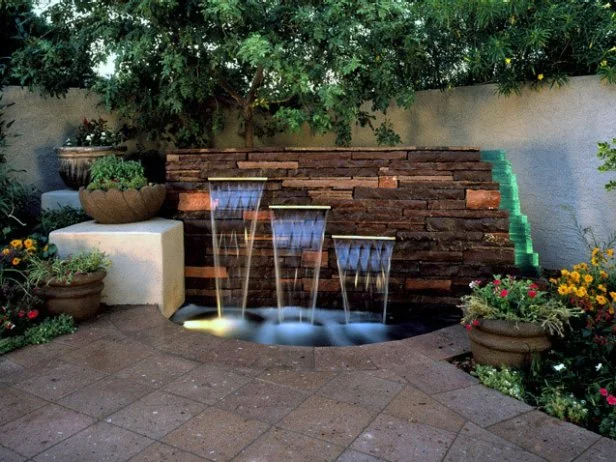
Credit: www.hgtv.com
Choosing The Right Water Feature
Choosing the right water feature can transform your outdoor space into a relaxing retreat. It’s more than just picking something that looks good; you need to consider how it fits with your yard’s style and your lifestyle. Think about what kind of sound, movement, and size will bring you the most joy and peace.
Types Of Water Features
Water features come in many shapes and forms, each with a unique appeal. You can choose from:
- Fountains:These are great for adding movement and soothing sounds without taking up much space.
- Ponds:If you want to attract wildlife or create a natural look, a pond is a good choice.
- Waterfalls:These add drama and a strong visual focus, especially when paired with rocks or plants.
- Birdbaths:Perfect for smaller yards, they invite birds and add charm.
Think about which style matches your garden’s vibe and how much maintenance you’re willing to do.
Size And Scale Considerations
Your water feature should match the size of your yard to avoid overpowering the space. A large pond in a small garden can feel overwhelming, while a tiny fountain might get lost in a big backyard.
Measure your available space carefully and imagine how much room you want the feature to take. Would you prefer a central focal point or something subtle tucked in a corner?
Also, consider the depth and volume, especially for ponds or waterfalls, as this affects maintenance and safety.
Placement In Your Yard
Where you place your water feature impacts both its beauty and function. Near seating areas, it can create a calming atmosphere. Placing it where you can easily see it from inside your home lets you enjoy it year-round.
Think about sunlight too—some water plants need full sun, while others thrive in shade. Also, avoid spots where leaves will constantly fall into the water, increasing upkeep.
Have you noticed how a well-placed water feature can draw your eye and invite you outdoors more often? That’s the power of smart placement.

Credit: www.poposoapsolar.com
Selecting Plants For Water Features
Selecting the right plants for a water feature enhances its beauty and creates a natural balance. The plants should suit the environment around the water and the style you want. Choosing plants with different needs and appearances adds texture and color. Consider how much water each plant requires and their growth habits. This keeps the area healthy and attractive year-round.
Water-loving Plants
These plants thrive in wet soil or shallow water. They bring lush greenery close to the water’s edge. Examples include:
- Cattails
- Water lilies
- Pickerelweed
- Marsh marigolds
Water-loving plants help keep the water clean by absorbing nutrients. They also provide shelter for wildlife.
Drought-tolerant Options
Plants that tolerate dry conditions balance the wetter areas. They survive on less water, reducing maintenance. Common drought-tolerant plants near water features are:
- Lavender
- Succulents
- Daylilies
- Ornamental grasses
These plants add texture and color while using less water.
Seasonal Plant Choices
Select plants that bloom at different times to keep interest year-round. Mixing spring, summer, and fall bloomers ensures color in every season. Consider:
- Spring bulbs like tulips
- Summer flowers like coneflowers
- Fall plants like asters
Seasonal plants create a dynamic, changing landscape around the water.
Designing The Surrounding Landscape
Designing the surrounding landscape around a water feature creates harmony and enhances beauty. It blends the water element with the garden for a seamless look. Thoughtful design invites relaxation and enjoyment in the outdoor space.
Creating Natural Transitions
Soft edges help the water feature blend with the garden. Use plants with varying heights to create depth. Choose native plants for easy care and natural appeal. Gradually shift from water plants to groundcover and shrubs. This creates a smooth flow from water to land.
Using Rocks And Mulch
Rocks add texture and structure near the water. Use different sizes for a natural look. Place larger stones close to the water’s edge. Smaller rocks or gravel work well for paths or borders. Mulch keeps soil moist and reduces weeds. Choose organic mulch for a rich, earthy feel.
Incorporating Paths And Seating
Paths invite visitors to explore the water feature up close. Use stepping stones or gravel for easy walking. Place benches or chairs where views are best. Seating areas encourage rest and reflection. Position seats in shaded spots for comfort.
Maintaining Water Feature Landscaping
Maintaining the landscaping around your water feature is essential to keep it looking fresh and inviting. Proper care not only enhances the beauty of your garden but also ensures the health of both plants and water elements. With the right routine, your water feature can remain a peaceful focal point all year round.
Regular Cleaning Tips
Cleaning your water feature regularly prevents debris buildup that can cloud the water and harm aquatic life. Remove fallen leaves, twigs, and other organic material at least once a week.
Use a net or skimmer for surface cleaning, and consider a gentle scrub for the sides of the feature to avoid algae buildup. Don’t forget to check and clean any pumps or filters to keep water flowing smoothly.
Pruning And Plant Care
Plants around water features can quickly become overgrown, overshadowing the water and reducing airflow. Trim back plants regularly to maintain a balanced look and prevent them from choking the water’s edge.
Pay attention to the health of your plants. Remove dead leaves and stems to encourage new growth and reduce the chance of disease spreading. Are you noticing any plants struggling? Adjust their placement or soil conditions to better suit their needs.
Preventing Algae And Pest Issues
Algae can turn your clear water into a green mess, while pests can damage both plants and the water feature itself. Control algae growth by limiting excess sunlight and maintaining proper water circulation.
Introduce natural predators like certain fish or use safe algaecides sparingly. For pests, regularly inspect plants and treat any infestations early with organic solutions to avoid harsh chemicals near your water.
Lighting And Decorative Elements
Lighting and decorative elements bring life and charm to any water feature. They create an inviting atmosphere and draw attention to the water’s movement and sparkle. Thoughtful lighting and well-chosen accessories enhance the space’s beauty, especially after dark. These features make your garden or yard feel magical and relaxing.
Choosing Waterproof Lighting
Use lights designed for wet environments. Waterproof lighting prevents damage and ensures safety. Low-voltage LED lights work well around water. They consume less power and last longer. Solar-powered lights offer an eco-friendly option. Place lights in spots where water cannot reach directly. Submersible lights add a glowing effect from within the water.
Highlighting Features At Night
Position lights to emphasize water movement and texture. Use uplighting to create dramatic shadows on rocks and plants. Soft, warm lights invite calmness and relaxation. Avoid harsh, bright lights that spoil the natural look. Blink or color-changing lights can add fun for special occasions. Combine multiple lights for layered effects and depth.
Adding Sculptures And Accessories
Sculptures add personality and style near water features. Choose materials that resist moisture like stone or metal. Small statues or animal figures fit well in garden ponds. Decorative stones and pebbles create natural borders. Floating accessories bring movement and interest to the water surface. Keep accessories simple to avoid clutter and maintain harmony.
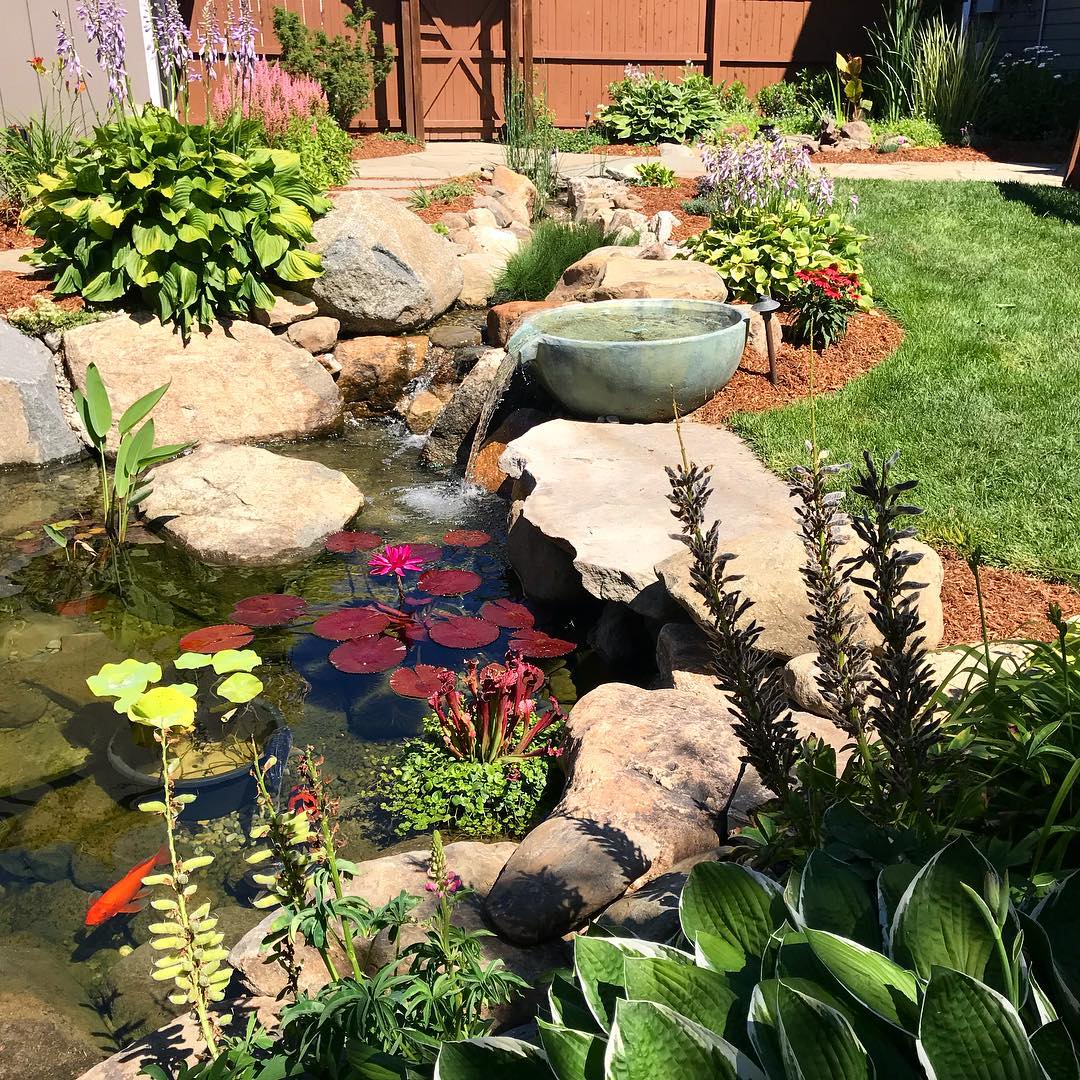
Credit: www.extraspace.com
Frequently Asked Questions
What Plants Work Best Around Water Features?
Choose moisture-loving plants like ferns, hostas, and irises. These thrive near water and add natural beauty. Avoid plants that need dry soil to prevent damage.
How To Prevent Soil Erosion Near Water Features?
Use ground covers, mulch, and rocks to stabilize soil. Planting deep-rooted vegetation helps hold soil in place. Avoid heavy foot traffic to minimize erosion risk.
Can Lighting Enhance Water Feature Landscaping?
Yes, lighting adds ambiance and highlights water features at night. Use waterproof LED lights for safety and energy efficiency. Proper placement enhances visual appeal and creates a relaxing atmosphere.
How To Maintain A Clean Water Feature Landscape?
Regularly remove debris, fallen leaves, and algae growth. Clean filters and pumps often to ensure water circulation. Keep surrounding plants trimmed to prevent overgrowth and mess.
Conclusion
Landscaping around a water feature adds beauty and calm to your space. Choose plants that like water and sunlight. Use rocks and mulch to keep the area neat and safe. Think about colors and textures for a natural look. Keep the space clean to avoid problems.
Small steps make a big difference. Enjoy your peaceful garden spot every day. Simple care keeps it fresh and inviting. Your water feature can become the garden’s heart.

