
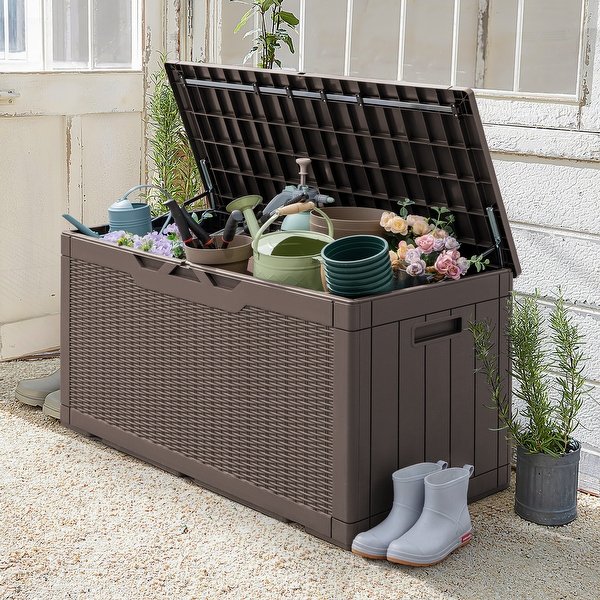
Are you tired of dealing with messy blankets cluttering your outdoor space? Storing blankets in a deck box is a smart and simple solution that keeps them clean, dry, and ready whenever you need them.
But how do you make sure your blankets stay fresh and well-organized inside the box? You’ll discover easy tips and tricks to store your blankets perfectly in a deck box, so you can enjoy your outdoor moments without any hassle.
Keep reading to find out how to protect your blankets and make the most of your storage space!
Credit: www.walmart.ca
Choosing The Right Deck Box
Choosing the right deck box is essential for keeping your blankets safe, dry, and ready to use. The perfect deck box doesn’t just hold your blankets; it protects them from weather and pests while fitting seamlessly into your outdoor space. Understanding what to look for can save you time and frustration later.
Material Options
Deck boxes come in several materials, each with its pros and cons. Plastic boxes are lightweight, affordable, and easy to clean, but they might not last as long under intense sun exposure. Wood offers a classic look and good durability but requires regular maintenance to avoid rot or warping.
Metal deck boxes are sturdy and weather-resistant but can get hot in the sun, potentially damaging delicate fabrics like blankets. Think about your climate and how often you’ll access your blankets before deciding on the material. What kind of material feels right for your outdoor setup?
Size Considerations
Size matters when storing blankets. If you buy a box that’s too small, you’ll have to fold blankets tightly, risking wrinkles or damage. Too large, and it might waste space or look awkward on your deck.
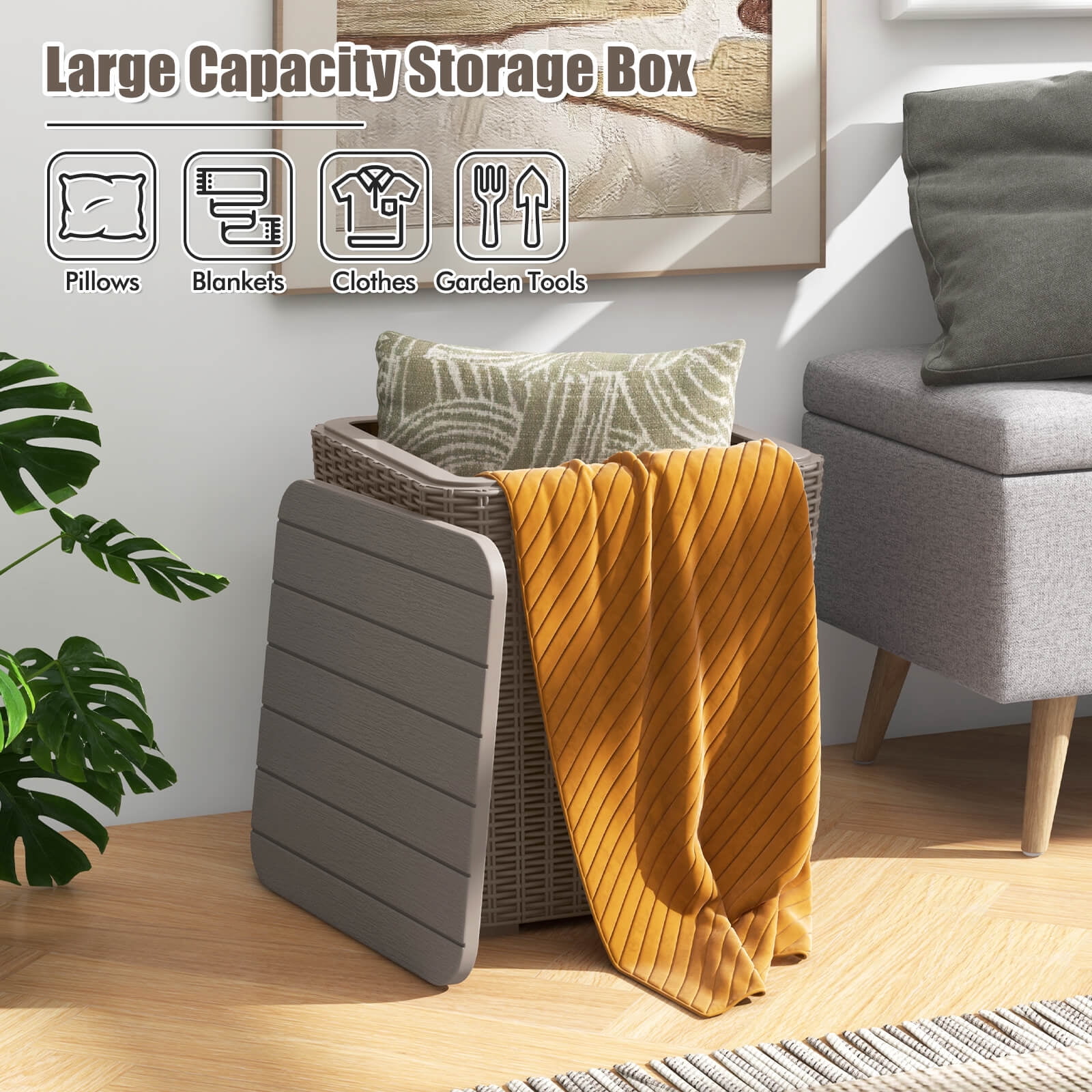
Measure the blankets you want to store and add extra room for air circulation. Also, consider if you want to store other items like pillows or cushions alongside your blankets. Would a multi-purpose box better suit your needs?
Weather Resistance
Weather resistance is crucial to protect your blankets from moisture and mildew. Look for deck boxes with tight-fitting lids and built-in drainage to prevent water buildup. Some boxes feature weatherproof seals or coatings that block rain and UV rays.
If your deck faces heavy rain or intense sun, prioritize a box designed to withstand those conditions. How often do you check your outdoor storage for signs of weather damage? Choosing a weather-resistant box can save you from unpleasant surprises.

Credit: www.amazon.com.au
Preparing Blankets For Storage
Preparing your blankets properly before storing them in a deck box can extend their life and keep them fresh. Skipping this step might lead to unwanted odors, stains, or even damage from moisture. Let’s focus on three key areas to prepare your blankets: cleaning and drying, folding techniques, and using vacuum bags.
Cleaning And Drying
Always clean your blankets before storage. Dirt, body oils, and food stains attract pests and cause unpleasant smells over time. Check the care label and choose the right cleaning method—machine wash, hand wash, or dry clean.
After washing, dry your blankets completely. Moisture trapped inside can lead to mold and mildew, damaging the fabric. If drying outside, avoid direct sunlight to prevent fading. Using a dryer with a low heat setting or air-drying in a well-ventilated area works well.
Folding Techniques
How you fold blankets affects how much space they take and how easily you can access them later. A neat fold reduces wrinkles and prevents creases that weaken fibers. Try folding blankets into thirds lengthwise, then fold again into a compact rectangle.
For thick or bulky blankets, rolling them instead of folding can save space and reduce pressure points. This is especially useful for storage in tighter deck boxes. You might want to label your blankets to find them quickly without disturbing the whole stack.
Using Vacuum Bags
Vacuum bags are a smart choice if you want to maximize deck box space. These bags compress your blankets, cutting down on volume by up to 75%. It’s perfect for seasonal blankets you won’t use for months.
Be careful not to leave blankets in vacuum bags for too long, especially natural fibers, as lack of air circulation can weaken them. Also, ensure blankets are fully dry before sealing to avoid mold. Have you tried vacuum bags before? They might surprise you with the extra space they create!
Maximizing Space Inside The Deck Box
Maximizing space inside your deck box helps keep blankets neat and easy to find. Proper organization lets you store more without clutter. Use smart techniques to make the most of every inch.
Layering Blankets Efficiently
Start by folding blankets flat and evenly. Place the heaviest blankets at the bottom. Stack lighter ones on top to avoid crushing. This keeps blankets fresh and easy to grab. Avoid overstuffing to maintain shape and air flow.
Adding Storage Bins Or Dividers
Use small bins or dividers to separate different blanket types or sizes. This prevents blankets from mixing and tangling. Clear bins help spot blankets quickly. Choose stackable bins to save floor space inside the box. Dividers keep blankets upright and organized.
Utilizing Vertical Space
Take advantage of the deck box’s height by stacking blankets vertically. Roll blankets tightly to fit more in less space. Use vertical dividers or tension rods to keep rolls in place. This method keeps blankets visible and easy to pull out without disturbing the stack.
Protecting Blankets From Moisture And Pests
Keeping your blankets safe from moisture and pests in a deck box requires some careful planning. Moisture can cause mold and mildew, ruining the fabric, while pests like insects and rodents can chew through and damage your blankets. Protecting your blankets effectively ensures they stay fresh and ready for use whenever you need them.
Using Silica Gel Packs
Silica gel packs are a simple yet powerful tool to absorb moisture inside your deck box. Placing a few packs around your blankets helps keep the air dry, preventing dampness and mold growth. You can find these packs online or in stores, often used in packaging electronics or shoes.
Don’t forget to replace or recharge the silica gel packs periodically to maintain their effectiveness. Have you noticed how a small pack can prevent a big problem? It’s a small effort that pays off in blanket longevity.
Sealing The Deck Box Properly
A well-sealed deck box is your first line of defense against moisture and pests. Check that the lid fits snugly and that any rubber gaskets or seals are intact and functional. If your box doesn’t have a seal, consider adding weather stripping or a foam gasket to create a tighter closure.
Also, avoid placing the deck box directly on the ground where moisture can seep in from below. Elevating it slightly or placing it on a dry surface reduces the risk of dampness. How often do you check your deck box for gaps or cracks? A quick inspection can save your blankets from serious damage.
Regular Maintenance Checks
Regularly inspecting your deck box is key to catching moisture or pest issues early. Open the box every few weeks to air out your blankets and check for any signs of mold, mildew, or insect activity. This simple habit can prevent long-term damage and keep your blankets fresh.
If you spot any moisture or pest problems, clean the box thoroughly and add fresh silica gel packs before storing your blankets again. How much time do you dedicate to maintaining your storage spaces? A few minutes now can protect your blankets for years.
Additional Tips For Long-term Storage
Keep blankets clean and dry before storing to avoid mold and odors. Use breathable bags to protect from dust and moisture. Place lavender sachets or cedar blocks inside for a fresh scent and to deter pests.
Storing blankets in a deck box requires some thoughtful planning. Proper storage ensures your blankets stay fresh and ready for use. Here are some tips for long-term storage that can help keep your blankets in excellent condition.Avoiding Direct Sunlight
Place your deck box in a shaded area. Direct sunlight can fade and weaken fabrics over time. Ensure the box is sheltered or under a cover. This helps in maintaining the color and texture of your blankets.Rotating Blankets Seasonally
Rotate your blankets with the change of seasons. This practice helps in keeping them fresh and prevents uneven wear. Use lighter blankets in warm months and switch to heavier ones in cooler months. Regular rotation can extend the life of your blankets.Labeling And Organizing
Label each blanket to know its size and material. Use tags or labels on the blankets for easy identification. Organize them based on their use or season. This method saves time when you need a specific blanket. It also maintains an orderly storage system.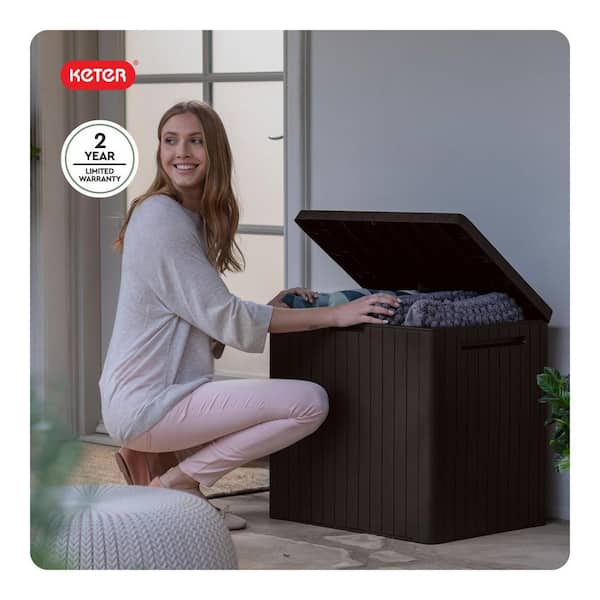
Credit: www.homedepot.com
Frequently Asked Questions
How Do I Prepare Blankets Before Storing In A Deck Box?
Clean and dry blankets thoroughly to prevent mold and odors. Fold them neatly to save space and maintain shape. Use breathable storage bags to protect from dust and moisture inside the deck box.
What Is The Best Deck Box For Storing Blankets?
Choose a waterproof and airtight deck box with ample space. Look for one with ventilation to avoid moisture buildup. Durable materials like resin or plastic ensure long-term protection for blankets.
Can I Store Blankets Outdoors In A Deck Box?
Yes, if the deck box is waterproof and sealed tightly. Avoid placing the box in direct sunlight to prevent fabric fading. Regularly check blankets for moisture or pests to maintain freshness.
How Can I Prevent Moisture In Deck Box When Storing Blankets?
Place silica gel packets or moisture absorbers inside the deck box. Ensure blankets are completely dry before storage. Ventilate the box occasionally to keep blankets fresh and dry.
Conclusion
Storing blankets in a deck box keeps them dry and clean. Use bags or liners to protect from dust and bugs. Fold blankets neatly to save space and avoid wrinkles. Place the box in a shaded, cool area to prevent damage.
Check blankets often to keep them fresh and ready. This simple method helps your blankets last longer. Enjoy cozy warmth anytime without hassle. Easy, safe storage makes a big difference. Keep your outdoor space tidy and your blankets safe.

