
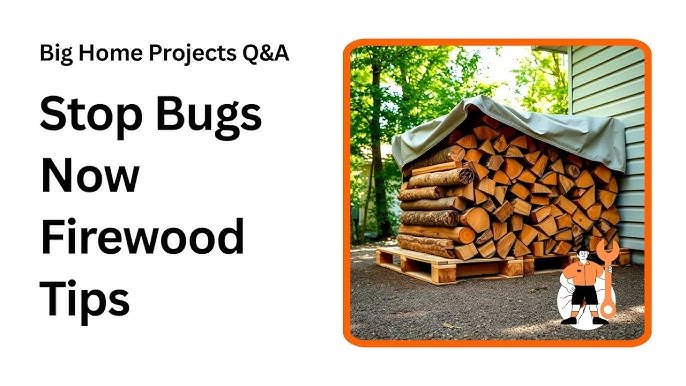
Are you tired of dealing with unwanted pests hiding in your firewood? Those creepy crawlers can quickly turn your cozy firewood pile into a nightmare.
But what if you could stop them before they even get inside? You’ll discover simple, effective ways to keep pests away from your firewood. By following these easy tips, you’ll protect your home and enjoy a clean, safe firewood supply all season long.
Keep reading to learn how to take control and keep those pests out for good!
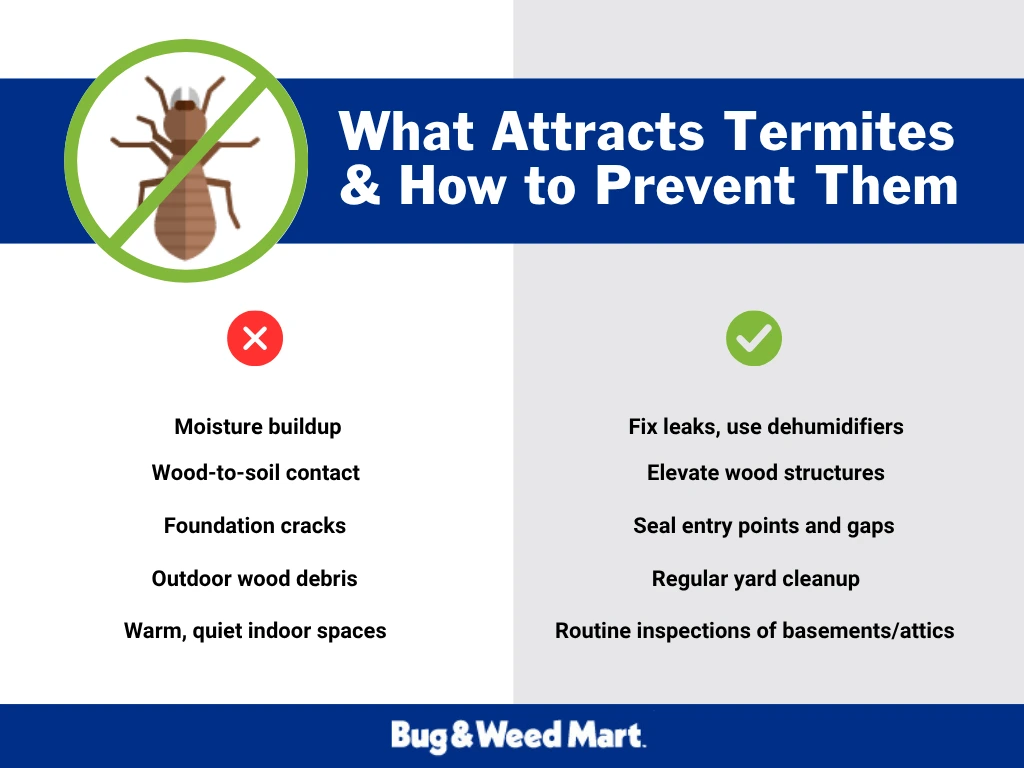
Credit: bugweedmart.com
Choose The Right Firewood
Choosing the right firewood plays a crucial role in keeping pests away from your woodpile and home. The type and condition of the wood you bring in can either invite unwanted insects or help you maintain a pest-free environment. Paying attention to what you select can save you from a lot of headaches later.
Select Seasoned Wood
Seasoned wood means the wood has been dried for at least six months to a year. This drying process reduces moisture, making the wood less attractive to pests like termites and beetles. Moist wood is a perfect breeding ground for insects, so always opt for wood that looks dry, cracks at the ends, and feels lighter than fresh-cut logs.
I once brought in freshly cut wood without realizing its moisture content. Within weeks, I noticed small holes and sawdust around the pile—clear signs of infestation. That taught me the hard way how essential it is to choose seasoned wood from the start.
Avoid Infested Logs
Inspect each log carefully before adding it to your stack. Look for signs such as tiny holes, sawdust piles, or webbing, which indicate insect activity. If you spot any signs of infestation, don’t bring those logs home, no matter how tempting it is to use free or cheap wood.
Consider buying firewood from reputable sellers who store their wood properly. They usually keep the wood off the ground and covered, reducing the risk of infestation. Remember, a single infested log can spread pests to your entire pile, causing bigger problems down the road.

Credit: maggiesfarmproducts.com
Proper Firewood Storage
Proper firewood storage plays a crucial role in keeping pests at bay. If you stack your wood carelessly, you create an inviting home for insects, rodents, and other unwanted critters. Taking simple steps to store firewood correctly can save you from a lot of trouble and protect your home.
Elevate Wood Off The Ground
Keeping your firewood off the ground is one of the easiest ways to prevent pests. Moisture from soil attracts insects, so raising the wood helps it stay dry and less appealing to bugs.
You can use pallets, bricks, or a firewood rack to create a barrier. I once ignored this and found ants crawling all over my pile. After elevating the stack, the problem disappeared within days.
Store Away From Home
Placing your firewood too close to your house invites pests right into your living space. Bugs and rodents often travel from the woodpile directly into walls and basements.
Keep the pile at least 20 feet away from your home’s foundation. This distance creates a buffer that reduces the chance of pests making their way indoors.
Use Protective Covers
Covering your firewood protects it from rain and snow, which helps keep moisture levels down. Damp wood is a magnet for termites and mold.
Use breathable tarps or specially designed firewood covers that block water but allow air circulation. I learned this the hard way after using a plastic sheet that trapped moisture, worsening the pest problem.
Maintain Clean Storage Areas
Maintaining clean storage areas is key to keeping pests away from firewood. Dirt, leaves, and old wood scraps can attract insects and rodents. A tidy space makes it harder for pests to find shelter. Clean areas also help wood dry faster, reducing the chance of mold and insects. Regular care protects your firewood and your home from unwanted visitors.
Remove Debris Regularly
Clear away leaves, bark, and wood chips near your firewood stack. Piles of debris offer hiding spots for bugs and small animals. Use a broom or rake to sweep the area often. Keep the ground around the wood free from clutter. This simple step stops pests from settling close to your firewood.
Control Moisture Levels
Wet wood attracts many pests, including termites and mold. Store firewood off the ground on pallets or racks. Cover the top to keep rain off, but leave sides open for air flow. Make sure water drains away from the wood pile. Dry wood is less inviting to insects and stays ready to burn.

Credit: winnerpestcontrolmackay.com.au
Inspect Firewood Before Use
Inspecting firewood before use is vital to keep pests out of your home. Pests often hide in wood piles, ready to invade indoor spaces. Careful inspection can stop this problem early. Spotting pests early helps protect your living area and keeps your firewood safe.
Look For Signs Of Pests
Check firewood for visible damage and unusual marks. Look for small holes on the bark or wood surface. Watch for sawdust piles near the wood. These are signs of wood-boring insects. Also, inspect for webs, larvae, or tiny insects moving on the wood. Dark spots or mold can indicate fungal growth, which attracts pests. Use a flashlight to see into cracks and crevices clearly.
Separate Infested Pieces
Set aside any wood showing signs of infestation. Keep these pieces away from clean firewood stacks. Place them outside, far from your home or storage area. Avoid burning infested wood indoors as it can spread pests. Dispose of or treat infested wood properly to stop pests from spreading. Regularly check and clean your firewood pile to prevent new infestations.
Natural Pest Deterrents
Keeping firewood dry and stacked off the ground helps stop pests from settling in. Using natural oils like cedar or eucalyptus can repel insects effectively. Regularly moving and inspecting wood prevents unwanted bugs from making a home.
Preventing pests in firewood is crucial to maintaining the health of your home and garden. Natural pest deterrents offer an eco-friendly way to manage this challenge, providing solutions that are kind to the environment and effective at the same time. By using natural methods, you not only keep pests at bay but also avoid the harsh chemicals that can harm beneficial insects and plants around your yard.Use Essential Oils
Essential oils can be powerful allies in your quest to keep pests out of your firewood. Oils like peppermint, tea tree, and cedarwood have natural repellent properties that can deter insects effectively. Simply mix a few drops of these oils with water and spray the solution lightly on your firewood stack. Have you ever noticed how ants avoid the area where peppermint oil is applied? It’s because the scent disrupts their ability to communicate with each other. This same principle applies to other pests that might invade your woodpile. Be sure to reapply the solution regularly, especially after rain, to maintain its effectiveness.Introduce Beneficial Insects
Nature has its own way of balancing ecosystems, and you can leverage this by introducing beneficial insects to your garden. Ladybugs and praying mantises are fantastic at keeping pest populations in check without the need for chemical interventions. Consider purchasing these insects from garden centers and releasing them near your firewood storage. Imagine the satisfaction of seeing ladybugs munching away on aphids that could otherwise damage your plants. These insects are not only fascinating to watch but also play a critical role in maintaining a healthy garden environment. By encouraging these natural predators, you ensure that your firewood remains pest-free while contributing to the biodiversity of your yard.Chemical Treatments And Precautions
Chemical treatments can help protect firewood from pests that damage wood or spread disease. Choosing the right chemicals and using them safely is vital. Chemicals must be effective without harming people, pets, or the environment.
Understanding which insecticides are safe for firewood ensures pests are controlled properly. Applying these treatments with care prevents accidents and keeps your firewood clean and pest-free.
Safe Insecticides For Firewood
Select insecticides labeled for use on wood or firewood. Look for products that target common pests like termites, beetles, and ants. Some safe options include:
- Permethrin-based sprays
- Boric acid powders
- Pyrethrin insecticides
Choose insecticides that are non-toxic to humans and pets once dried. Avoid harsh chemicals that can leave harmful residues on firewood.
Application Tips And Safety
Wear gloves, masks, and protective clothing before applying any insecticide. Spray firewood outdoors or in a well-ventilated area. Follow the product instructions for mixing and application rates carefully.
- Apply evenly to all wood surfaces
- Allow wood to dry completely before storage or use
- Keep treated firewood away from children and pets
- Store chemicals safely out of reach
Dispose of any leftover chemicals properly. Regularly check stored firewood for signs of pests even after treatment. Using chemicals carefully helps prevent pest problems and keeps your firewood safe to burn.
Frequently Asked Questions
How Can I Keep Pests Out Of Firewood?
Store firewood off the ground and away from your home. Use a raised rack with good air circulation. Cover the woodpile with a tarp to prevent moisture, which attracts pests. Regularly inspect and rotate the firewood to spot and remove any infested pieces early.
What Pests Commonly Infest Stored Firewood?
Common firewood pests include termites, carpenter ants, beetles, and spiders. These insects seek shelter and food inside the wood. Identifying these pests early helps prevent infestations inside your home. Proper storage and handling reduce the risk of pest invasion.
Does Seasoning Firewood Prevent Pest Infestation?
Yes, seasoning firewood reduces moisture, making it less attractive to pests. Dry wood is harder for insects to penetrate and breed in. Proper seasoning also improves firewood efficiency and reduces smoke. Aim for at least 6-12 months of drying before use.
Should Firewood Be Stored Indoors Or Outdoors?
Store firewood outdoors to avoid bringing pests inside. Keep wood at least 20 feet away from your home’s foundation. Outdoor storage minimizes pest migration into living areas. Use a firewood rack and cover to keep wood dry and pest-free.
Conclusion
Preventing pests in firewood keeps your home safe and clean. Store wood off the ground and away from your house. Use dry, seasoned wood to avoid inviting insects. Check wood regularly for signs of bugs or damage. Keep firewood covered but well-ventilated to stop moisture buildup.
Taking these simple steps helps protect your firewood and home from pests. Enjoy cozy fires without unwanted visitors in your woodpile. Small actions make a big difference in pest control. Stay proactive and keep your firewood pest-free all year long.

