
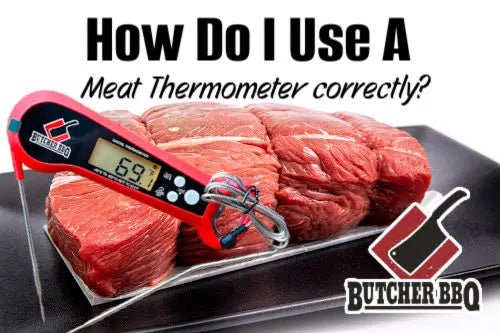
If you love smoking meat, you know that getting the temperature just right can make all the difference. But how do you make sure your food is cooked perfectly every time?
That’s where a smoker thermometer comes in. Using it effectively means juicier, tastier results without the guesswork. You’ll discover simple tips and tricks to master your smoker thermometer so your next cookout turns into a mouth-watering success. Keep reading and take your smoking skills to the next level!

Credit: www.goodhousekeeping.com
Choosing The Right Smoker Thermometer
Choosing the right smoker thermometer can make a big difference in your BBQ results. It helps you keep track of your food’s temperature accurately. This way, your meat cooks perfectly every time. Picking the best one depends on your needs and how you use your smoker.
Types Of Smoker Thermometers
- Analog Thermometers:Simple and easy to use. No batteries needed but less precise.
- Digital Thermometers:Show exact temperature on a screen. Usually faster and more accurate.
- Wireless Thermometers:Let you monitor temperature from a distance. Good for long cooking sessions.
- Probe Thermometers:Insert a probe into the meat for direct reading. Often come with alarms.
Features To Look For
- Accuracy:A small error can overcook or undercook your meat.
- Durability:Should handle heat, smoke, and outdoor conditions.
- Ease of Use:Clear display and simple controls save time.
- Alarm Functions:Alerts you when the food reaches the right temperature.
- Probe Length:Long probes can reach deep inside large cuts.
- Temperature Range:Should cover both low smoking temps and high grilling temps.
Budget Considerations
Smoker thermometers come in many price ranges. Basic analog types cost less but may lack precision.
Mid-range digital models offer good features and better accuracy. Wireless thermometers usually cost more.
Think about how often you smoke and what features matter most. Spending a bit more can give better results and last longer.

Credit: blog.thermoworks.com
Setting Up Your Smoker Thermometer
Setting up your smoker thermometer correctly ensures precise temperature control. It helps cook your food evenly and safely. Proper setup involves placing the probe right, calibrating the device, and sometimes using more than one probe.
Proper Placement For Accurate Readings
Place the probe in the thickest part of the meat. Avoid touching bones, fat, or gristle. Insert the probe at least an inch deep for best results. Keep the probe away from direct heat or flame. Position the smoker thermometer’s receiver outside the smoker if wireless. This prevents heat damage and maintains accuracy.
Calibrating Your Thermometer
Check your thermometer’s accuracy before each use. Use the ice water method for simple calibration. Fill a glass with ice and water, then insert the probe. It should read 32°F (0°C). Adjust the thermometer if it shows a different temperature. Regular calibration keeps readings reliable and consistent.
Using Multiple Probes
Use multiple probes for different parts of the meat. This monitors temperature variations inside larger cuts. One probe can measure the smoker’s air temperature. Another can check the meat’s internal temperature. Multiple probes help avoid undercooking or overcooking. They provide a complete view of your cooking process.
Monitoring Temperature During Cooking
Monitoring temperature during cooking is crucial for smoking meat perfectly. It ensures the meat cooks evenly and stays juicy. Using a smoker thermometer helps track the heat inside the smoker and the meat’s internal temperature. This prevents overcooking or undercooking, making every bite delicious.
Target Temperature Ranges For Different Meats
Each type of meat needs a specific internal temperature for safe eating and best taste. Here are common target ranges:
| Meat | Target Temperature (°F) |
|---|---|
| Beef Brisket | 195 – 205 |
| Pork Shoulder | 195 – 205 |
| Chicken (Whole) | 165 |
| Ribs | 190 – 203 |
| Turkey | 165 |
Check your smoker thermometer often to hit these numbers accurately.
Reading And Interpreting Data
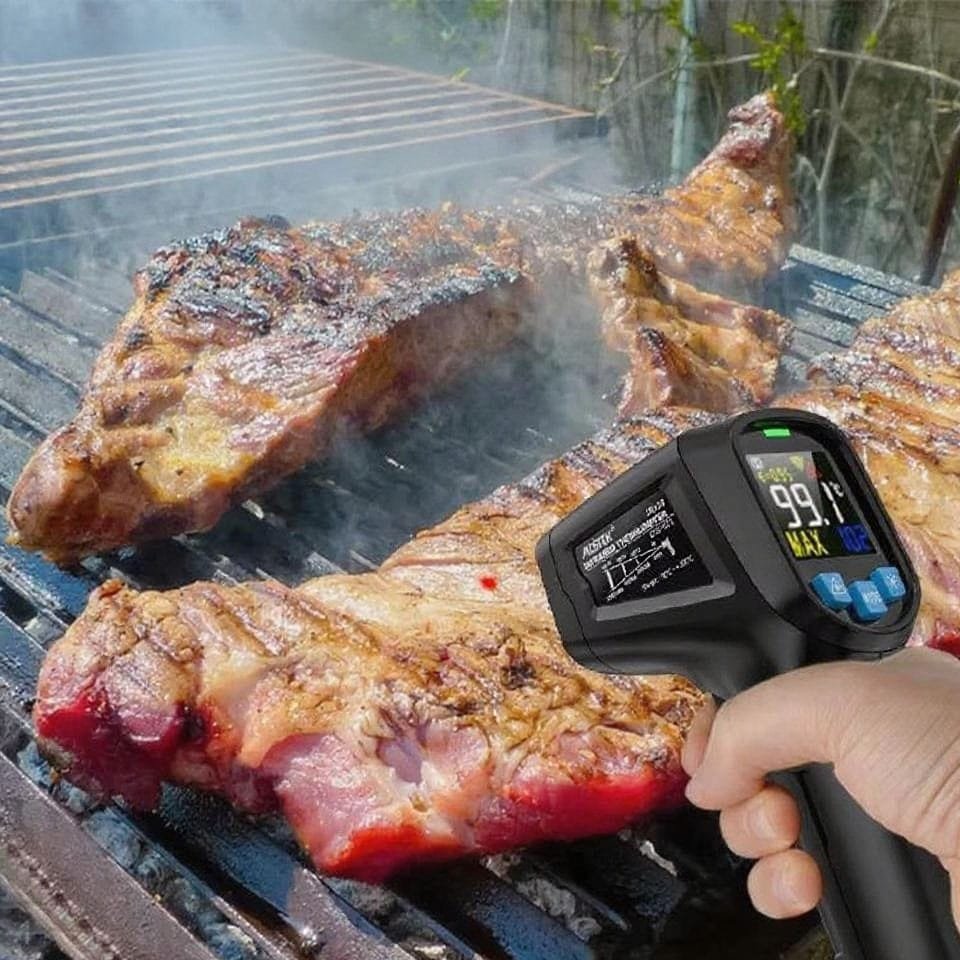
Smoker thermometers show two key temperatures: ambient smoker heat and meat internal heat. The ambient temperature tells how hot your smoker is. The internal temperature shows how cooked the meat is inside.
Watch for steady temperature readings. Sudden drops or spikes mean you need to adjust your smoker. Keep notes on how temperatures change over time. This helps improve your smoking skills.
Adjusting Heat And Smoke Levels
Use the thermometer data to control heat and smoke. If the smoker temperature is too low, add more fuel or open vents. If it’s too high, close vents slightly or reduce fuel.
For smoke, adjust wood chips or chunks. Too much smoke can taste bitter. Too little smoke means less flavor. Balance is key. The thermometer helps you find the right heat and smoke combo.
Credit: mestekinstruments.com
Tips For Maintaining Consistent Heat
Keeping a steady temperature is key to smoking food properly. Consistent heat ensures your meat cooks evenly and stays juicy. Sudden temperature changes can dry out your food or leave it undercooked. Use these tips to control heat and get the best smoking results.
Managing Airflow And Fuel
Airflow controls how hot your smoker gets. Open vents let more oxygen in, increasing the heat. Closing vents lowers the temperature by reducing oxygen. Adjust vents slowly to keep heat steady.
Fuel type affects heat too. Use good-quality charcoal or wood for steady burning. Avoid adding too much fuel at once; it can cause spikes in temperature. Add small amounts of fuel gradually to maintain consistent heat.
Avoiding Temperature Fluctuations
Check your smoker thermometer often to catch changes early. Avoid opening the smoker door too much. Every time you open it, heat escapes and causes temperature drops.
Place the thermometer at meat level to get accurate readings. Keep the thermometer away from direct heat sources inside the smoker. This helps avoid false high readings and keeps your heat consistent.
Using Water Pans Effectively
Water pans help stabilize temperature inside the smoker. They absorb heat and release it slowly, smoothing out temperature swings. Fill the pan with hot water before smoking to start the process quickly.
Check the water level during long cooks. Refill as needed to keep the temperature steady. You can add herbs or fruit to the water for extra flavor without affecting heat control.
Troubleshooting Common Issues
Smoker thermometers can sometimes be tricky. Users often face issues. This guide helps you solve them easily. Keep your smoked foods perfect every time.
Inaccurate Temperature Readings
Check the battery first. A weak battery causes wrong readings. Replace it with a new one. Clean the probe tip. Grease or residue affects accuracy. Use a damp cloth for cleaning. Perform a quick test with boiling water. The thermometer should read 212°F. If not, consider recalibration.
Probe Malfunctions
Ensure the probe is correctly inserted. It should be in the thickest part. Avoid touching bone or fat. Check for any visible damage. Bent or broken wires need replacement. Keep the probe dry. Moisture can lead to errors. Store it in a cool, dry place when not in use.
Smoke Flavor Problems
The thermometer itself doesn’t affect flavor. Check the wood chips you’re using. Different woods give different flavors. Ensure the smoker seals well. Leaks can impact flavor. Check for any gaps or cracks. Properly maintain your smoker for best results.
Cleaning And Caring For Your Thermometer
Cleaning and caring for your smoker thermometer keeps it accurate and reliable. Dirt, grease, and smoke can damage the sensor or affect readings. Regular maintenance saves money by avoiding early replacements. Simple care steps help maintain performance and extend lifespan.
Proper Cleaning Techniques
Clean the probe after each use to remove residue. Use warm soapy water and a soft cloth or sponge. Avoid harsh chemicals that can damage the sensor. Never submerge the entire thermometer in water. Wipe the display and buttons gently with a damp cloth. Dry the thermometer thoroughly before storing it.
Storage Tips
Store the thermometer in a dry place to prevent moisture damage. Use a protective case or pouch to avoid scratches. Keep it away from extreme heat or cold. Avoid wrapping the probe tightly to prevent bending or breaking. Check batteries regularly and remove them if not in use for long periods.
Extending Thermometer Lifespan
Handle the probe carefully to avoid damage. Calibrate the thermometer periodically to ensure accuracy. Replace batteries before they run out completely. Keep the device clean and dry at all times. Follow manufacturer instructions for best care practices. Proper care ensures your thermometer works well for years.
Frequently Asked Questions
How Do I Calibrate A Smoker Thermometer?
To calibrate, submerge the thermometer probe in ice water. Adjust the reading to 32°F (0°C). This ensures accurate temperature monitoring while smoking.
Where Should I Place The Smoker Thermometer Probe?
Place the probe in the thickest part of the meat, away from bone and fat. This gives the most accurate internal temperature.
Can I Use A Smoker Thermometer For Other Cooking Methods?
Yes, smoker thermometers work well for grilling, roasting, and baking. They help monitor internal temperatures precisely for various cooking styles.
How Often Should I Check The Smoker Thermometer?
Check the thermometer every 30 minutes to track temperature changes. Frequent monitoring prevents overcooking and ensures perfect smoking results.
Conclusion
Using a smoker thermometer helps keep your food at the right temperature. This makes your meat juicy and tasty every time. Check the thermometer often to avoid overcooking or undercooking. Place the probe in the thickest part of the meat for best results.
Clean your thermometer after each use to keep it accurate. With these simple steps, smoking food becomes easier and more enjoyable. Trust your thermometer, and enjoy delicious meals with less guesswork. Practice will make you more confident over time. Cooking with care always pays off.

