
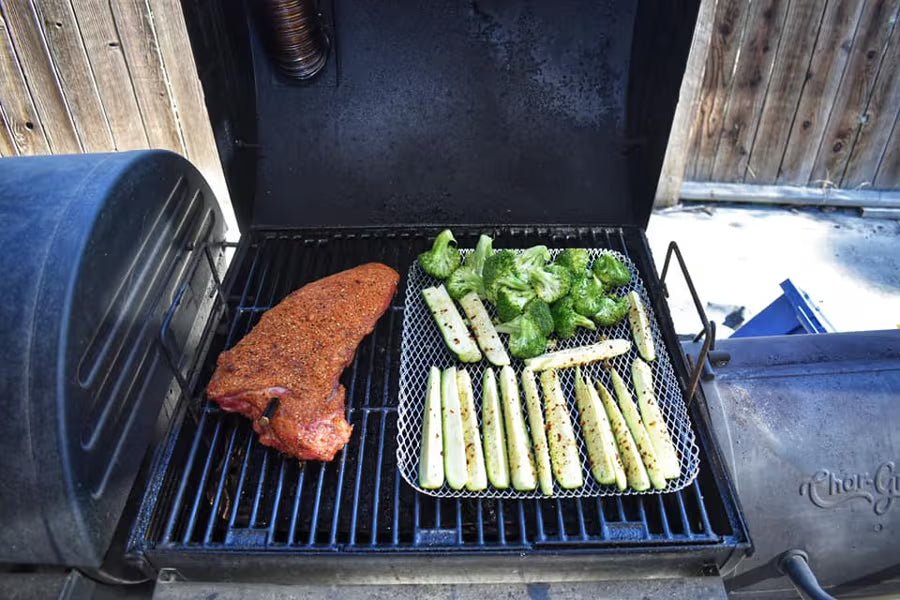
Your propane grill is more than just a cooking tool—it’s the heart of countless summer gatherings and family meals. But without proper care, it can quickly wear out or stop working when you need it most.
Imagine firing up your grill effortlessly, every single time, with food tasting just right. You can make that happen by learning simple, effective ways to maintain your propane grill for a long life. You’ll discover easy steps you can take today to keep your grill in top shape, save money on repairs, and enjoy perfect cookouts season after season.
Keep reading to unlock the secrets to a grill that works like new, year after year.

Credit: monumentgrills.com
Choosing The Right Location
Choosing the right location for your propane grill is key to its long life. Placing the grill in a good spot keeps it safe and working well. It also helps prevent damage from weather and accidents. This section covers tips on safe placement and how to protect your grill from weather.
Safe Placement Tips
- Keep the grill at least 10 feet away from buildings and structures.
- Place the grill on a flat, stable surface to avoid tipping.
- Ensure the area is well-ventilated to prevent gas buildup.
- Do not place the grill under low-hanging branches or roofs.
- Keep the grill away from flammable materials like dry leaves or wood piles.
- Check that the propane tank valve is easily accessible for quick shut-off.
Avoiding Weather Damage
Protect your grill from rain, snow, and strong winds. Use a heavy-duty grill cover to shield it. Store the grill in a covered area during harsh weather. Avoid placing the grill where water can pool around the legs. Rust and corrosion can shorten the grill’s life. Keep the propane tank dry and off the ground to prevent damage.
Regular Cleaning Routine
Keeping a regular cleaning routine helps your propane grill last longer. Dirt, grease, and food particles can build up and cause damage. Cleaning often stops rust and keeps your grill working well. A clean grill also cooks food better and tastes fresher.
Cleaning Grill Grates
Start by heating the grill for 10-15 minutes. Use a stiff wire brush to scrape off leftover food. For a deeper clean, remove the grates and soak them in warm soapy water. Scrub with a sponge or brush, then rinse and dry fully before replacing.
Removing Grease Traps
Grease traps collect fat and juices from cooking. Pull out the tray or pan carefully to avoid spills. Empty the grease into a disposable container or trash bag. Wash the trap with hot water and dish soap. Dry it completely before putting it back in place.
Cleaning Burners And Valves
Turn off the propane and let the grill cool. Remove the burner tubes to check for blockages. Use a soft brush or cloth to clean around the holes. Clear any dirt or spider webs that block gas flow. Wipe the valves gently and check for leaks before reassembling.
Inspecting Grill Components
Inspecting your propane grill components regularly is key to keeping it safe and working efficiently for years. Small issues like a tiny gas leak or a worn-out hose can turn into bigger problems if ignored. Taking the time to check each part carefully helps you catch these problems early and avoid costly repairs or dangerous situations.
Checking For Gas Leaks
Have you ever smelled gas near your grill before lighting it? That’s a clear sign you need to check for leaks immediately. To do this safely, mix a little dish soap with water and brush it over the gas connections and hose.
If you see bubbles forming, it means gas is escaping. Turn off the propane right away and tighten connections or replace faulty parts. This simple soap test is quick, effective, and can prevent accidents.
Examining Hoses And Connections
Look closely at the hoses for cracks, brittleness, or any signs of wear. Over time, hoses can become damaged from heat, weather, or regular use. Feel along the hose for soft spots or stiffness, which can indicate internal damage.
Connections should be secure but not over-tightened. Loose fittings can cause leaks, while overtightening might crack the connectors. Replace any worn hoses with ones designed specifically for propane grills to ensure safety.
Assessing Ignition System
Your grill’s ignition system is the spark behind every great cookout. If the igniter is slow to light or doesn’t work at all, it’s time to inspect it closely. Remove any grease or debris that might be blocking the spark area.
Sometimes, the battery in a push-button igniter needs replacing. If your grill uses a piezo ignition, check the electrode for cracks or wear. Fixing ignition problems early means you won’t be stuck trying to light your grill with matches on a busy weekend.
Proper Storage Practices
Proper storage is key to keeping your propane grill in top shape. Storing it right protects it from weather damage and rust. It also keeps the grill clean and ready to use. Follow simple storage steps to extend your grill’s life and maintain its performance.
Covering The Grill
Use a grill cover made of durable, weather-resistant material. A good cover keeps rain, dust, and insects away. Make sure the grill is cool before covering it. Secure the cover tightly to prevent wind from blowing it off. Avoid plastic covers that trap moisture and cause rust.
Winterizing Tips
Disconnect the propane tank before storing the grill for winter. Clean the grill thoroughly, removing grease and food particles. Check and clean the burners to prevent clogging. Store the grill in a dry place, like a garage or shed. If outdoor storage is necessary, place it on a raised platform to avoid water damage.
Routine Maintenance Tasks
Routine maintenance tasks are essential to keep your propane grill running smoothly and extend its life. Regular care not only prevents breakdowns but also ensures safe and efficient cooking every time you fire it up. Paying attention to small details during maintenance can save you from costly repairs down the road.
Replacing Worn Parts
Inspect your grill parts regularly for signs of wear like cracks, rust, or corrosion. Burners, ignition systems, and hoses often wear out first and need timely replacement to keep your grill safe and functional.
Have you checked your burner tubes lately? Clogged or damaged burners can cause uneven heat and flare-ups. Swapping out these parts is usually straightforward and can make a big difference in performance.
Keep a small stock of common replacement parts handy. Having a new igniter or hose ready means you won’t have to wait for repairs when you want to grill. It also helps avoid using damaged parts that could pose a safety risk.
Lubricating Moving Parts
Moving parts on your grill, such as hinges and wheels, need regular lubrication to operate smoothly. Dry or rusty joints can make your grill harder to open and close, and may eventually break.
Use a high-temperature, food-safe lubricant to protect these components. Apply it sparingly to avoid attracting dirt and debris, which can cause additional wear.
Have you noticed squeaky hinges or stiff wheels on your grill cart? A little lubrication can restore ease of movement and prevent damage. Regularly oiling these parts helps your grill feel like new, even after years of use.
Credit: medium.com
Safe Propane Handling
Regular cleaning of burners and checking for leaks keeps your propane grill safe and efficient. Storing the propane tank properly prevents accidents and extends grill life. Routine maintenance ensures better grilling and longer use.
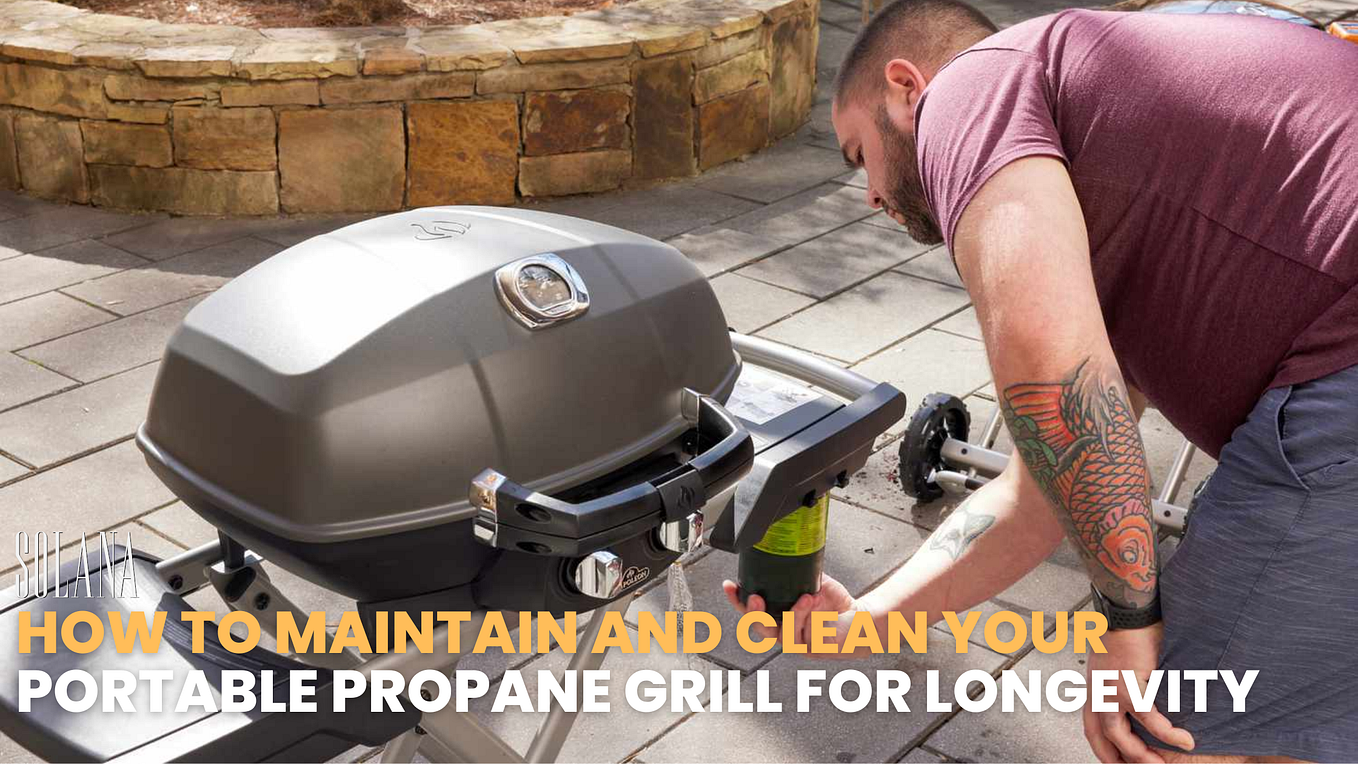
Maintaining a propane grill isn’t just about keeping it clean; it’s also about handling propane safely. Safe propane handling ensures that your grill functions efficiently and lasts longer. Plus, it keeps your family safe during those weekend BBQs. Understanding how to properly store and replace propane tanks is crucial. Let’s explore some key practices.Storing Propane Tanks
Proper storage of propane tanks is essential for safety. Always store propane tanks in a well-ventilated area, away from direct sunlight and extreme temperatures. A cool, dry place is ideal, as high heat can increase pressure inside the tank. Avoid storing tanks indoors, especially in basements, garages, or any confined space. Propane is heavier than air and can accumulate in low areas, posing a risk of explosion. Use a sturdy stand to keep the tank upright, preventing leaks and ensuring stability.Refilling And Replacing Tanks Safely
Refilling or replacing propane tanks requires careful attention to detail. Before removing the tank, make sure the grill’s control knobs are turned off. This simple step prevents any unexpected gas release. When refilling, take your tank to a certified professional. They can check for leaks and ensure the tank is filled to the correct level. Overfilling can lead to dangerous situations, so it’s best to leave it to the experts. Replacing a tank? Always check for any damage or rust before connecting it to your grill. A quick inspection can save you from potential hazards. Tighten the connection securely, but avoid using tools that might damage the valve. By handling propane safely, you extend the life of your grill and enjoy worry-free cooking experiences. What steps will you take to ensure your grill’s longevity?Troubleshooting Common Issues
Maintaining your propane grill means dealing with common problems quickly. Many issues can stop your grill from working well. Troubleshooting these problems keeps your grill safe and ready to use. Understanding these fixes helps you avoid expensive repairs.
Fixing Uneven Heat
Uneven heat on the grill often comes from clogged burners. Food debris and grease block the gas flow. Clean the burners with a brush and a pipe cleaner. Check for rust or damage on the burners. Replace damaged burners to restore even heat.
Check the grill’s heat shields. These shields spread heat evenly and protect burners. Replace them if they are warped or cracked. Adjust the grill’s cooking grates to sit level. Uneven grates can cause hot and cold spots.
Addressing Ignition Problems
The grill may not light due to a weak spark or no spark at all. Remove dirt and grease from the igniter tip. Use a toothbrush or a small brush for cleaning. Check the igniter battery if your grill uses one. Replace the battery if it is weak or dead.
Inspect the wiring for loose or broken connections. Secure or replace wires as needed. Make sure the gas valve is fully open before lighting. Test the igniter by pressing the button and listening for a spark.

Credit: elitepatiodirect.com
Frequently Asked Questions
How Often Should I Clean My Propane Grill?
Clean your propane grill after every use. Remove grease and food residue to prevent buildup. Deep clean it monthly for long life and better performance.
What Is The Best Way To Inspect Propane Grill Parts?
Regularly check hoses, burners, and connections for leaks or damage. Use soapy water to detect leaks. Replace faulty parts immediately to ensure safety and efficiency.
How Can I Prevent Rust On My Propane Grill?
Keep your grill dry and covered when not in use. Apply a thin coat of cooking oil to metal parts. Store it in a sheltered area to avoid moisture exposure.
When Should I Replace My Propane Grill’s Parts?
Replace parts showing signs of wear, rust, or damage. Burners that don’t ignite properly or hoses with cracks need immediate replacement. Timely maintenance extends grill life.
Conclusion
Keeping your propane grill clean helps it last longer. Check parts often for damage or rust. Always cover your grill after use to protect it. Regular maintenance saves money and keeps cooking safe. Small steps make a big difference over time.
Enjoy grilling without worries by caring for your grill. Simple habits create lasting results. Stay consistent and your grill will serve you well.

