
When you fire up your portable grill, the last thing you want is wind turning your cooking into a struggle. Wind can quickly cool down your grill, blow out flames, and make it hard to keep the right temperature.
But don’t worry—there are simple ways you can protect your grill and keep your food cooking perfectly, no matter how breezy it gets. You’ll discover easy, practical tips to shield your portable grill from the wind and enjoy a smooth grilling experience every time.
Keep reading, and you’ll never let the wind ruin your cookout again!
Choosing The Right Location
Choosing the right location for your portable grill can make a huge difference in how well it performs on windy days. Finding a spot that naturally reduces wind exposure helps keep your grill flame steady and your cooking safe. Let’s look at practical ways to pick a location that protects your grill from gusts and keeps your grilling experience smooth.
Avoiding Open Spaces
Open areas may seem ideal for grilling, but they often expose your grill to strong winds from all directions. Placing your grill in an open field or a large backyard without any barriers can cause flames to flicker or even go out. Have you noticed how wind can suddenly blow out your lighter? The same happens with your grill, making cooking frustrating and uneven.
Try to avoid spots that have no windbreaks or natural barriers. Instead, choose places where the wind is less likely to hit directly. Even a small hill or a garden patch can reduce wind impact significantly.
Using Natural Windbreaks
Trees, bushes, and hedges do more than just beautify your yard—they can also shield your grill from wind. Position your grill near these natural windbreaks to block gusts and stabilize the flame. I once set up my grill beside a dense hedge, and it completely changed how steady the heat stayed, even on a breezy afternoon.
Look for clusters of plants that can act as walls against the wind. Just make sure there’s enough space to keep your grill safe from leaves or branches catching fire.
Positioning Near Structures
Walls, fences, and even your house can serve as effective barriers against wind. Placing your grill close to these structures can create a calm zone where the wind speed drops dramatically. Think about setting up your grill near a garage wall or a sturdy fence—it’s like building a shield for your cooking area.
Keep in mind the heat and smoke direction when choosing a spot near a building. Position your grill so that smoke doesn’t blow back into your living space or create hazards. Would you rather have a wind-blocking wall or be constantly chasing a flickering flame?
Credit: cookout.com.au
Setting Up Wind Barriers
Grilling in windy conditions can be challenging. Setting up effective wind barriers is key. Protecting your portable grill ensures even cooking. Wind barriers help maintain consistent temperatures and prevent flare-ups. With the right setup, grilling remains enjoyable and efficient.
Using Portable Screens
Portable screens are easy to set up. They provide instant wind protection. Look for screens with sturdy frames. These resist strong winds. Choose lightweight materials for easy transport. Adjustable screens offer flexibility in different conditions.
Building Diy Wind Shields
Create your own wind shields using simple materials. Cardboard and plywood work well. Cut them to desired sizes. Attach them around the grill for a snug fit. Ensure they stand firm against gusts. Paint them for weather resistance. This adds durability and style.
Utilizing Outdoor Furniture
Position outdoor furniture strategically around the grill. Tables and chairs act as natural barriers. Ensure they are stable and won’t topple over. Arrange them close to block the wind effectively. This method is quick and requires no extra materials.
Securing The Grill
Keeping your portable grill stable in windy conditions is essential not just for cooking safety but also to protect your equipment. Securing the grill properly prevents it from tipping over, which can cause accidents or damage. Let’s look at some effective ways to keep your grill steady even when the wind picks up.
Anchoring Techniques
One of the simplest ways to secure your grill is by anchoring it to the ground. If you’re grilling on soft surfaces like grass or dirt, you can use ground stakes or tent pegs to hold the grill’s legs in place.
Push the stakes firmly through any holes or around the base of the legs and into the soil. This method works well for light to moderate wind and is quick to set up.
Using Weighted Bases
If you’re grilling on hard surfaces such as concrete or a patio, anchoring won’t work. Instead, add weight to the grill’s base to keep it grounded.
You can use sandbags, heavy bricks, or purpose-built weighted plates designed for grills. Place these weights evenly around the legs or on bottom shelves to distribute the weight and improve stability.
Strapping And Tying Methods
Strapping your grill to a fixed object can offer excellent protection against wind. Use durable bungee cords, ratchet straps, or strong ropes to tie the grill to a nearby fence, post, or heavy furniture.
Make sure the straps are tight but not overly so, to avoid bending the grill frame. This method is especially handy if you’re grilling in a windy, open area with limited options for anchoring or weighting.
Credit: theraleighbeergarden.com
Managing Flames And Heat
Managing flames and heat is key to grilling safely in windy conditions. Wind can cause flames to flicker or grow uneven. This affects cooking and can be dangerous. Controlling the burner settings, using flame guards, and watching the temperature help keep the fire steady. These steps protect your grill and food.
Adjusting Burner Settings
Lowering burner settings helps control flames in strong wind. High flames can blow out or spread quickly. Keep the heat moderate to avoid flare-ups. Adjust burners one at a time for even cooking. This reduces the risk of uneven heat and food burning.
Using Flame Guards
Flame guards block wind from hitting the burners. They act as shields around the grill’s flame area. Guards stop wind from making flames jump or go out. Use metal or heat-resistant flame guards designed for your grill. Place them carefully to maintain airflow but reduce wind impact.
Monitoring Temperature Closely
Wind changes heat fast. Check your grill’s temperature often. Use a built-in thermometer or an external one. Adjust burners as needed to keep a steady cooking heat. Watch for sudden drops or spikes in temperature. Staying alert prevents undercooked or burnt food.
Safety Precautions
Protecting your portable grill from wind is not just about keeping the flames steady; safety should always come first. Wind can cause unexpected flare-ups or spread embers, increasing the risk of fire hazards. Taking the right safety precautions helps you enjoy your outdoor cooking without worry.
Keeping Fire Extinguishers Ready
Always have a fire extinguisher within arm’s reach when grilling. Choose one rated for grease fires (Class B) to handle flare-ups effectively. I once underestimated this and had to scramble for water, which only made the fire worse—don’t let that be you.
Regularly check your extinguisher’s pressure and expiration date. Knowing how to use it quickly can prevent a small flame from turning into a disaster. Could your quick reaction save your grill—and your yard?
Clearing Flammable Materials
Keep the area around your grill free from leaves, paper, and other flammable debris. Wind can easily blow these materials into the fire, causing sudden sparks. I recommend creating a clear zone at least 10 feet around your grill for safety.
Consider the direction of the wind when placing your grill. Avoid positioning it near dry grass or wooden fences. Have you checked your grilling spot for hidden fire hazards lately?
Supervising At All Times
Never leave your grill unattended, especially on windy days. Wind can change quickly, affecting the flame and embers. I’ve seen a quick gust cause smoke to blow into neighbors’ yards because the grill was left alone.
Keep children and pets away from the grill area to avoid accidents. Staying alert ensures you can react immediately if the wind causes flare-ups. How closely do you watch your grill when the wind picks up?
Maintenance Tips For Windy Conditions
Maintaining your portable grill is vital during windy weather. Wind can cause dirt buildup and physical wear. Proper care keeps your grill safe and functional. Follow these maintenance tips to protect your grill from wind damage.
Regular Cleaning
Clean your grill after every use. Remove ashes, grease, and food scraps. Dirt and grease attract dust and debris carried by the wind. Wipe down exterior surfaces to prevent rust. Use mild soap and water for cleaning. Dry the grill completely to avoid moisture damage.
Inspecting For Damage
Check your grill regularly for signs of damage. Look for loose parts, cracks, or rust spots. Wind can loosen screws and joints over time. Tighten any loose bolts and screws. Replace damaged parts promptly to maintain safety. Early inspection prevents bigger problems later.
Protective Covers
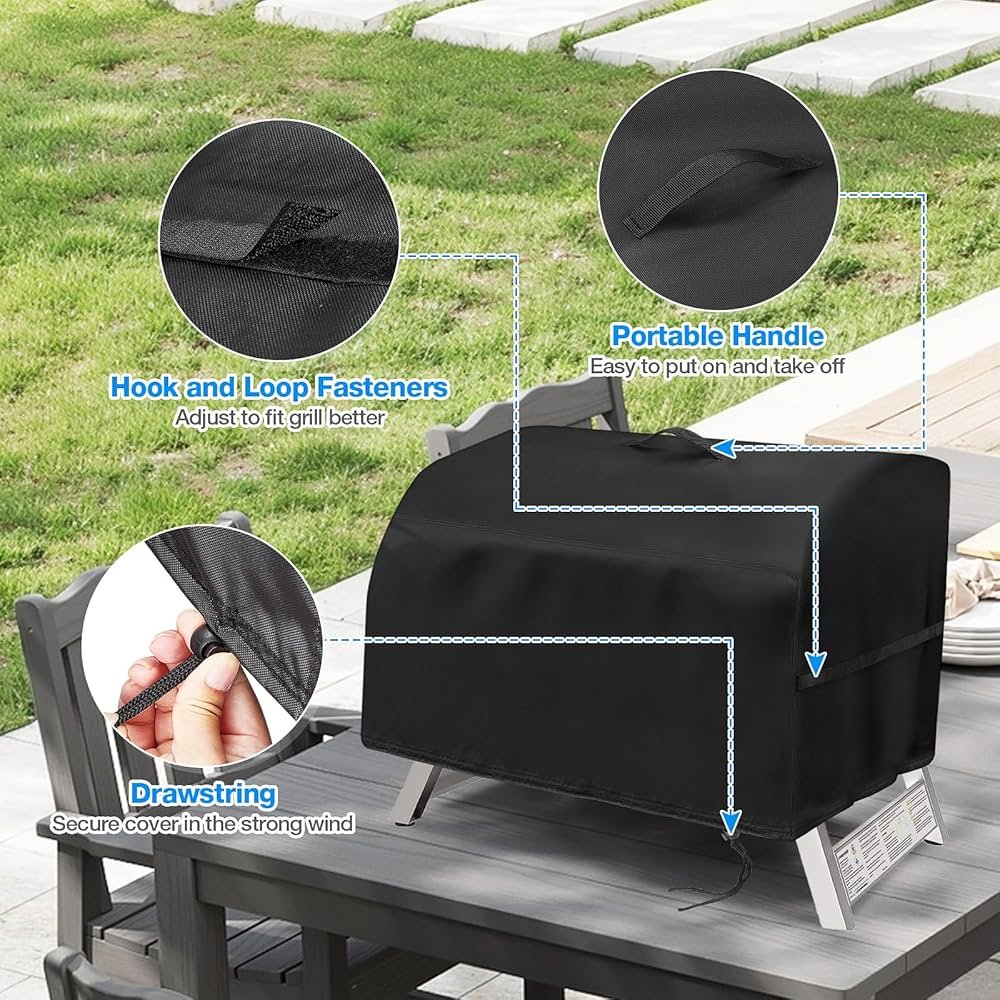
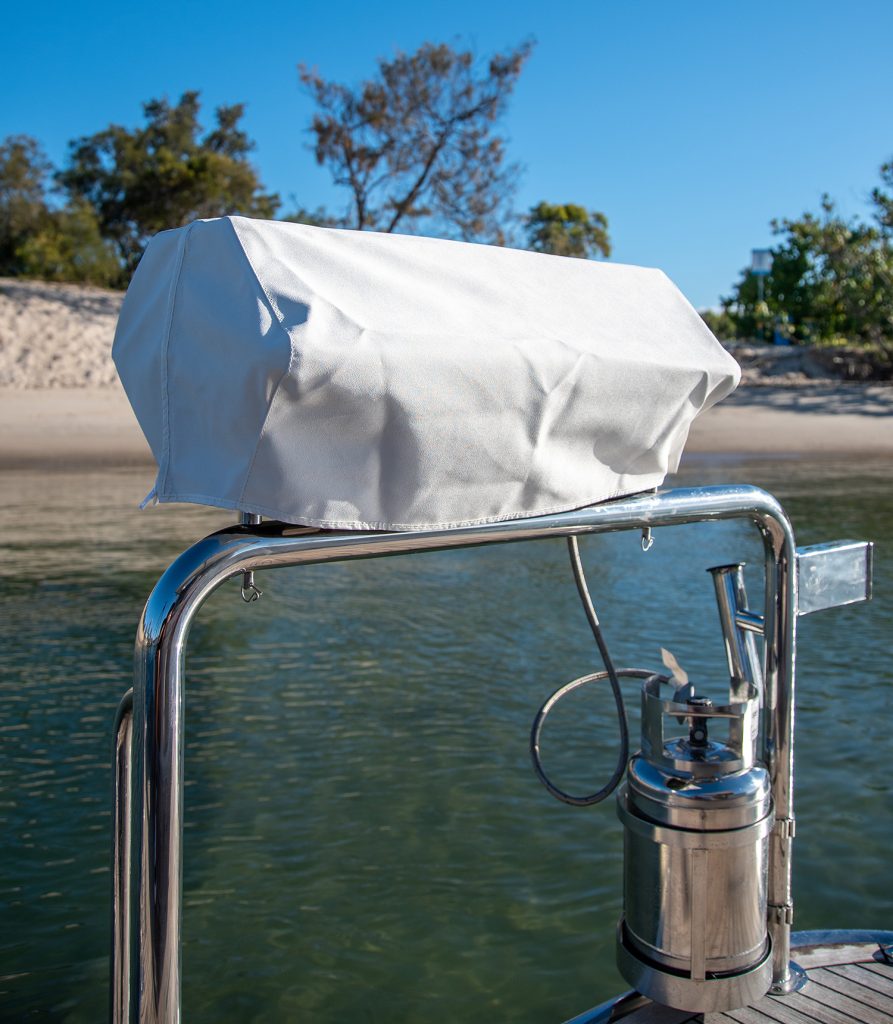
Use a sturdy grill cover designed for windy conditions. Covers protect against dust, dirt, and moisture. Secure the cover tightly to prevent it from blowing away. Choose covers with straps or elastic hems for better fit. Store your grill in a sheltered spot if possible. This extra layer of protection extends your grill’s life.

Credit: www.treelinereview.com
Frequently Asked Questions
How Can I Shield My Portable Grill From Strong Wind?
Use windbreaks like walls or screens to block wind. Position the grill in a sheltered spot. Secure the grill to prevent tipping. These steps help maintain consistent heat and safe cooking.
What Materials Work Best As Wind Barriers For Grills?
Wooden panels, metal screens, and heavy-duty fabric make effective wind barriers. They block wind without trapping heat. Choose materials that are fire-resistant and stable for safety.
Does Wind Affect Cooking Time On Portable Grills?
Yes, wind lowers grill temperature, increasing cooking time. It causes heat loss and uneven cooking. Using wind protection stabilizes temperature and ensures food cooks properly.
Can I Use A Grill Cover To Protect Against Wind?
A grill cover protects from dust and rain but not wind during cooking. Use it when the grill is off. For wind protection during use, employ windbreaks or strategic placement.
Conclusion
Protecting your portable grill from wind is simple with the right steps. Choose a safe spot with a natural wind barrier. Use wind guards or shields to keep the flame steady. Secure your grill to stop it from tipping over.
These easy actions help you cook safely and enjoy your meal. Stay prepared and keep the wind from spoiling your outdoor cooking fun. Grill with confidence, no matter the breeze.

