
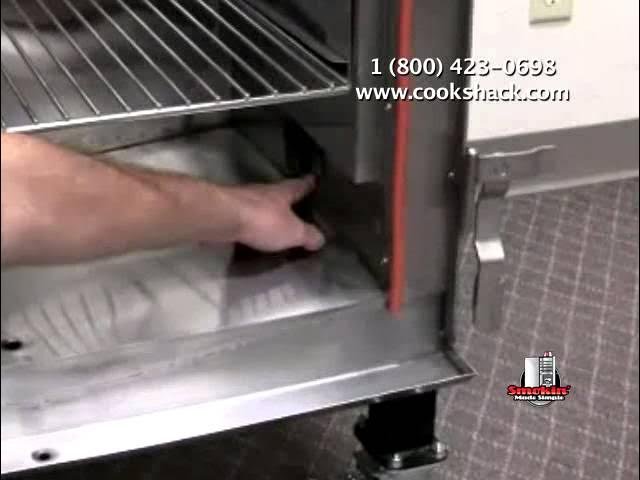
If you want to get the most flavor and perfect texture from your electric smoker, knowing how to adjust the convection is key. You might have noticed uneven cooking or longer smoking times—this often comes down to how air moves inside your smoker.
By mastering convection adjustment, you can control heat and smoke flow to cook your food evenly every time. Ready to unlock the full potential of your electric smoker? Keep reading, and you’ll learn simple steps that make a big difference in your smoking results.

Credit: www.reddit.com
Convection Basics In Electric Smokers
Understanding convection in an electric smoker helps improve cooking results. Convection means moving hot air inside the smoker. This movement spreads heat evenly around the food. Proper convection control keeps the smoker temperature steady. It also helps smoke flavor reach every part of the meat. Adjusting convection correctly makes smoking easier and more consistent.
Role Of Convection In Smoking
Convection moves hot air inside the smoker chamber. Fans or vents create this airflow. This airflow surrounds the food with heat and smoke. It helps cook food evenly from all sides. Without good convection, heat may stay in one area. This causes uneven cooking and hot spots. Convection also helps smoke particles reach the food faster. This improves the smoky flavor and aroma.
How Convection Affects Temperature
Airflow changes how heat spreads inside the smoker. Strong convection moves heat quickly and evenly. This keeps temperature stable throughout the smoker. Weak convection causes temperature drops and hot spots. It may force the smoker to work harder to keep heat. Controlling convection helps manage temperature swings. Adjust vents or fan speed to balance airflow. This creates a better cooking environment for your food.

Credit: www.amazon.com
Identifying Convection Settings
Adjusting convection settings on an electric smoker controls the airflow and heat distribution inside. Understanding these settings helps maintain steady cooking temperatures. This ensures food cooks evenly and stays tender throughout the smoking process.
Identifying Convection Settings Adjusting convection settings on your electric smoker can be the difference between a perfectly smoked brisket and a dry piece of meat. To achieve that smoky perfection, understanding your smoker’s convection settings is key. Whether you’re new to electric smokers or a seasoned pro, knowing how to manipulate these settings can elevate your cooking game.Common Controls On Electric Smokers
Most electric smokers come with a variety of controls that allow you to tailor your cooking process. You’ll often find a digital display panel that lets you set the temperature and time. Some models also include preset cooking options for different types of meat. Look for a dedicated button or knob that adjusts the convection settings. This is crucial because it determines how heat circulates inside the smoker. Adjusting this can help in achieving even cooking and preventing cold spots.Using Built-in Fans And Vents
Built-in fans and vents play a crucial role in maintaining the right convection. The fans ensure consistent airflow, which helps in even heat distribution. Adjust these settings based on the type of meat you’re smoking. Do you ever wonder why some smoked dishes taste better than others? It often boils down to how well the vents and fans are managed. Open the vents slightly to increase airflow for a more intense smoke flavor, or close them for a milder taste. When I first started using an electric smoker, I underestimated the power of these small adjustments. It wasn’t until I played around with the fan and vent settings that I realized how much control I had over the final product. So, the next time you fire up your smoker, take a closer look at these settings. You might be surprised at the difference it makes.Steps To Adjust Convection
Adjusting convection in an electric smoker helps maintain steady heat and even cooking. This process involves controlling the airflow inside the smoker. Proper convection adjustment improves smoke circulation and temperature consistency. Follow these steps to fine-tune your smoker’s convection settings for better results.
Adjusting Fan Speed
The fan moves air and smoke inside the smoker. Adjusting its speed changes how fast the heat circulates. Increase fan speed for quicker heat distribution. Lower the speed to slow down cooking and keep smoke longer. Test different speeds to find the best balance for your recipe.
Modifying Vent Openings
Vents control the air entering and exiting the smoker. Opening vents wider lets in more oxygen, raising the temperature. Closing vents restricts airflow, lowering heat and smoke flow. Adjust vents slowly and watch the temperature gauge. Small changes can make a big difference in cooking results.
Balancing Airflow For Consistent Heat
Balance between fan speed and vent openings is key for steady heat. Too much airflow can dry out food. Too little airflow causes uneven cooking and smoke buildup. Use a thermometer to monitor temperature changes. Adjust fan and vents together to keep heat steady and smoke flavor rich.

Credit: www.amazon.com
Tips For Perfect Smoke
Achieving the perfect smoke with your electric smoker depends largely on how well you control the convection process. Getting this right means balancing temperature, smoke density, and airflow to enhance flavor without overwhelming your food. Let’s dive into key tips that can help you master these elements and impress with every cook.
Maintaining Stable Temperature
Temperature swings can ruin your smoke session. Keep your electric smoker’s temperature steady by adjusting the convection fan speed carefully. Slowing the fan reduces airflow and heat loss, while increasing it helps distribute heat evenly.
Have you noticed how a small temperature drop affects your meat’s texture? Using a good digital thermometer helps you catch these changes quickly. Try closing the smoker door gently to avoid sudden heat escapes.
Avoiding Over-smoking
Too much smoke can make your food bitter and unpleasant. Control the amount of wood chips and the airflow to prevent over-smoking. A well-adjusted convection fan helps burn wood chips evenly and reduces excess smoke buildup.
Think about how long your food has been exposed to smoke. Sometimes less is more, especially with delicate items like fish or chicken. Don’t hesitate to open the smoker briefly to let out thick smoke if it feels overwhelming.
Monitoring Smoke Quality
Clear, thin smoke is a sign of good combustion and flavor. Thick, white smoke indicates incomplete burning and can leave a harsh taste. Adjust your smoker’s ventilation to improve smoke quality and keep the fan running at a steady speed.
Have you ever smelled acrid smoke during a cook? That’s a warning sign to tweak your setup. Regularly clean out your smoker to avoid residue buildup that can affect smoke purity. Your nose is the best tool for judging smoke quality—trust it.
Troubleshooting Convection Issues
Troubleshooting convection issues in an electric smoker helps keep your cooking consistent. Convection problems affect heat circulation and temperature control. Identifying the problem quickly leads to better smoking results. Let’s explore common convection problems and when to clean or repair parts.
Common Problems And Fixes
- Uneven heat distribution:Check if the fan is running smoothly. Clear any blockages around the fan area.
- Fan not working:Test the power connection to the fan. Replace the fan motor if it doesn’t start.
- Temperature fluctuations:Inspect the thermostat sensor. Adjust or replace the sensor if readings are off.
- Smoke buildup:Ensure vents are open and not clogged. Clean vents to restore airflow.
- Strange noises:Tighten loose screws near the fan. Lubricate the fan bearings if needed.
When To Clean Or Repair Components
Regular cleaning improves airflow and prevents damage. Clean the fan blades and vents every few uses. Remove grease and ash buildup inside the smoker.
Repair or replace parts when cleaning does not fix the issue. Replace the fan motor if it stops working. Change the thermostat sensor if temperature control fails. Fix loose or broken wiring to avoid electrical problems.
Enhancing Flavor With Convection Control
Controlling convection in your electric smoker can deeply improve the taste of smoked foods. Adjusting airflow and heat circulation changes how smoke and heat touch the meat. This control helps create juicier, more flavorful results.
Proper convection settings allow smoke to spread evenly. This means the meat absorbs the smoky flavor better. The right airflow also keeps the temperature steady, avoiding dry or overcooked meat.
Adjusting For Different Meat Types
Different meats need different convection settings for best flavor. For example:
- Beef:Use moderate airflow to develop a strong smoke ring.
- Pork:Lower airflow keeps pork tender and moist.
- Chicken:Higher airflow helps crisp the skin without drying meat.
- Fish:Gentle convection preserves delicate texture and smoky taste.
Knowing these settings helps keep meat juicy and full of flavor.
Using Wood Chips And Moisture
Wood chips add essential flavor during smoking. The right convection setting controls how smoke from chips moves around the meat.
- Low airflow keeps smoke thick and intense.
- High airflow creates lighter smoke, good for mild flavors.
Adding moisture inside the smoker slows airflow and keeps meat juicy. Use a water pan or spray bottle to maintain humidity. Moist air helps smoke stick to the meat better.
Frequently Asked Questions
How Do I Control Convection In An Electric Smoker?
To control convection, adjust the smoker’s fan speed or vent openings. This regulates airflow, ensuring even heat distribution. Proper convection helps cook food evenly and maintains consistent temperatures throughout the smoking process.
Why Is Adjusting Convection Important In Electric Smokers?
Adjusting convection ensures uniform heat circulation. It prevents hot or cold spots, leading to perfectly smoked food. Proper convection also helps maintain steady temperature, improving cooking efficiency and flavor.
Can I Increase Convection Without Overheating The Smoker?
Yes, increase fan speed or open vents slightly to boost convection. Monitor temperature closely to avoid overheating. Adjust in small increments to balance airflow and temperature effectively.
What Happens If Convection Is Set Too Low?
Low convection causes uneven heat and longer cooking times. Food may cook inconsistently or develop unwanted texture. Proper airflow is essential for consistent smoking results.
Conclusion
Adjusting convection on your electric smoker helps cook food evenly. Controlling airflow and fan speed improves heat distribution inside. Small changes can affect cooking times and flavor greatly. Keep an eye on temperature and adjust as needed. Practice makes it easier to find the right settings.
Enjoy tender, smoky meals by managing convection well. This simple skill enhances your smoking experience every time.

