
Are you tired of unevenly cooked food on your portable grill? Knowing how to adjust heat zones can change the way you grill forever.
Imagine perfectly seared steaks, juicy burgers, and tender veggies—all cooked just the way you like. In this guide, you’ll discover simple steps to control your grill’s heat, giving you more flavor and less hassle. Keep reading to unlock the secret to grilling like a pro every time you fire up your portable grill.
Credit: www.aughog.com
Types Of Portable Grills
Portable grills come in different types, each with unique heat control features. Knowing the type helps adjust heat zones effectively. The main types are charcoal, gas, and electric grills. Each type offers a distinct cooking experience and heat management style.
Charcoal Grills
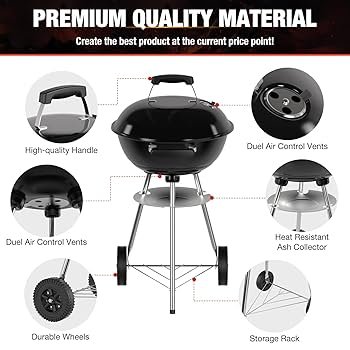
Charcoal grills use burning charcoal to create heat. Heat zones are adjusted by moving coals closer or further from the food. You can also create direct and indirect heat zones by piling coals on one side. Adjusting the grill vents controls airflow and temperature. These grills take more time to heat up but give smoky flavor to food.
Gas Grills
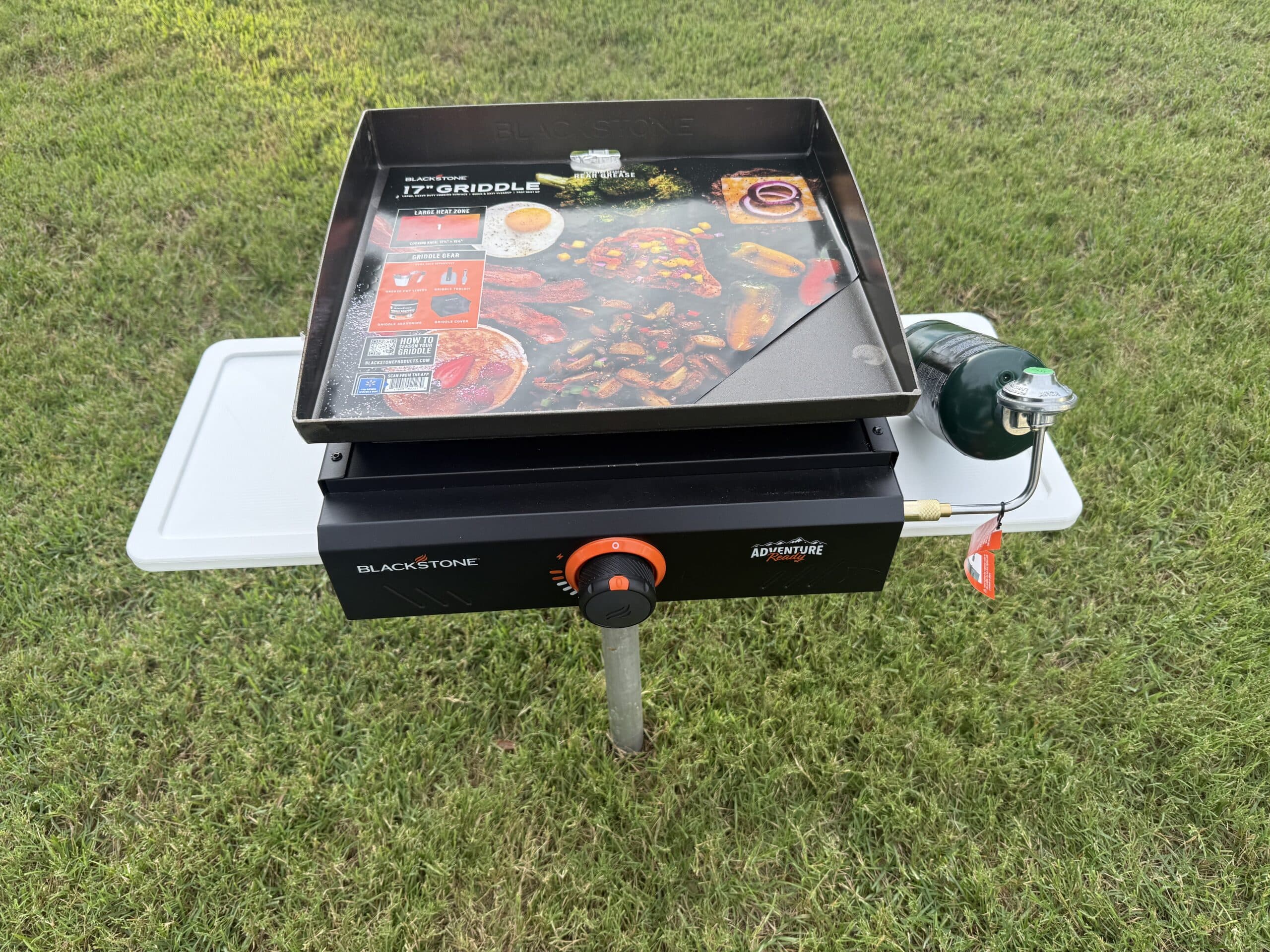
Gas grills use propane or natural gas as fuel. They offer quick heat control with knobs for each burner. Adjust burners to create high or low heat zones. Many models have multiple burners allowing precise temperature zones. Gas grills heat up fast and keep steady temperatures during cooking. They are easy to control for grilling different foods.
Electric Grills
Electric grills use electricity to generate heat. They have adjustable temperature controls, often with digital settings. Heat zones are created by setting different temperatures on the grill surface. These grills are convenient for places where open flames are not allowed. They heat evenly but may lack the smoky flavor of charcoal or gas grills.
Basics Of Heat Zones
Understanding the basics of heat zones on your portable grill can change how you cook and the results you get. Heat zones allow you to manage different cooking temperatures on the same grill, giving you more control and flexibility. Whether you want a quick sear or slow cooking, knowing how to set these zones helps you get there.
Direct Vs Indirect Heat
Direct heat means placing your food right above the flames or heat source. This method cooks food quickly and is perfect for grilling steaks, burgers, or anything you want to sear.
Indirect heat, on the other hand, involves cooking food next to or away from the heat source. This is ideal for larger cuts of meat or delicate items like fish, allowing them to cook slowly without burning.
Think about the last time you grilled chicken breasts. Did you notice how they cooked unevenly over direct heat? Using indirect heat for thicker pieces can solve that problem by cooking them through without charring the outside.
Importance Of Heat Control
Controlling heat zones prevents overcooking or undercooking your food. It gives you the ability to start food on high heat for a good sear, then move it to a cooler zone to finish cooking evenly.
Adjusting heat zones also saves fuel and reduces flare-ups. By managing where the heat is strongest, you reduce the chances of fat dripping onto flames and causing sudden bursts of fire.
Have you ever dealt with burnt edges and raw centers? Mastering heat control means you won’t have to toss out half-cooked meals anymore. It’s a simple skill that improves your grilling game significantly.
Setting Up Heat Zones On Charcoal Grills
Setting up heat zones on charcoal grills is essential for cooking different foods perfectly at the same time. It gives you control over your grill’s temperature, allowing for both direct and indirect cooking. This technique helps avoid overcooking delicate items while searing thicker cuts to lock in juices.
Arranging Charcoal For Hot And Cool Areas
Start by piling your charcoal on one side of the grill. This creates a hot zone for searing and fast cooking. Leave the other side empty or with fewer coals for a cooler zone, ideal for slow cooking or warming.
Use lighter fluid or a chimney starter to get the charcoal burning evenly. Spread out the hot coals slightly if you want a larger hot zone. You can adjust the amount of charcoal depending on how much heat you need on each side.
Have you ever tried cooking a thick steak and vegetables at the same time? This arrangement lets you sear the steak over the hot coals, then move it to the cooler side to finish cooking without burning the veggies.
Using A Two-zone Fire
A two-zone fire means having one side of the grill hot and the other side cooler, creating two distinct cooking zones. This setup gives you flexibility to manage different foods simultaneously.
Place your food that needs high heat directly over the charcoal. Move items that require slower cooking or indirect heat to the cooler side. This method helps you avoid flare-ups and control cooking times better.
Adjust the grill vents to regulate airflow, which controls the temperature. Opening the vents increases heat, while closing them lowers it. Experiment with vent positions to maintain steady temperatures across your zones.
Adjusting Heat Zones On Gas Grills
Adjusting heat zones on a portable grill helps cook food evenly by controlling temperature areas. Move burners or adjust knobs to create hot and cool spots for different foods. This technique makes grilling flexible and easy.
Adjusting heat zones on gas grills is key for perfect grilling. With precise control, you can cook different foods at the same time. This method ensures your meals are delicious and cooked evenly. Let’s explore how to manage heat zones effectively.Controlling Burners
Gas grills often have multiple burners. Each burner can be controlled separately. This allows you to set different temperatures in different areas. Turn one burner to high for searing. Use another on low for gentle cooking. This control helps manage heat zones efficiently.Creating Multi-zone Cooking Areas
Multi-zone cooking is simple with gas grills. Designate one side for high heat. Use the other side for low or indirect heat. This setup is perfect for grilling diverse foods. It helps avoid overcooking or burning. Adjust the burners to create these distinct zones. Enjoy well-cooked meals every time.Managing Heat On Electric Grills
Managing heat on electric grills is key to cooking food evenly and safely. Electric grills offer precise temperature control, making it easier to adjust heat zones. Understanding how to manage these zones helps you grill various foods perfectly. Proper heat management prevents burning or undercooking.
Adjusting Temperature Settings
Most electric grills have a temperature dial or digital controls. Turn the dial to increase or decrease heat in specific areas. Some models allow separate controls for different zones on the grill. This feature helps create hot and cool zones for versatile cooking.
Use a grill thermometer to check the actual temperature. Adjust settings slowly to avoid sudden temperature spikes. Let the grill preheat for 10 to 15 minutes before cooking. This ensures the heat spreads evenly across the surface.
Using Grill Accessories For Heat Control
Accessories can improve heat distribution and control on electric grills. Heat deflectors or plates help spread heat evenly. Grill mats can protect food from direct heat and reduce flare-ups.
- Use a cast iron griddle for steady heat and searing.
- Place a water pan to add moisture and moderate heat.
- Use aluminum foil to block or redirect heat in certain zones.
These tools help create multiple heat zones without changing grill settings. Experiment with accessories to find what works best for your grill and recipes.
Tools To Monitor Heat Zones
Managing heat zones on a portable grill requires accurate temperature readings. Tools to monitor heat zones help you cook food evenly and avoid burning. These devices give real-time heat data, making grilling easier and more precise.
Using Grill Thermometers
Grill thermometers measure the temperature inside the grill. They come in probe or dial styles. Probe thermometers can stay in the grill while cooking. Dial thermometers show the temperature on the grill lid or body.
Place the thermometer near your cooking area to check heat zones. This helps identify hot and cool spots. Adjust the grill vents or move food to balance the heat. Grill thermometers are affordable and simple to use.
Infrared Heat Meters
Infrared heat meters read surface temperatures quickly and without contact. Point the meter at the grill grate or food. It shows the exact heat at that spot on a digital display.
This tool helps spot uneven heat zones fast. Infrared meters work well for portable grills with small cooking areas. They are more precise than basic thermometers but cost more. Use infrared heat meters to fine-tune your grill settings.
Tips For Mastering Heat Zones
Mastering heat zones on your portable grill can transform your cooking experience. Knowing how to control and adjust these zones lets you cook different foods perfectly at the same time. Here are practical tips to help you get the most from your grill’s heat management.
Preheating Strategies
Preheating your grill is more than just turning it on. Give it at least 10-15 minutes to reach an even temperature across the grates. This helps create clear heat zones—hotter areas for searing and cooler zones for slower cooking.
Try placing a thermometer on different parts of the grill to check temperature differences. This simple trick helps you understand where to place your food. Have you noticed how uneven heating can affect your cooking results?
Managing Flare-ups
Flare-ups can ruin your food and make heat control tricky. To manage them, keep a spray bottle of water nearby to gently douse small flames. Avoid heavy spraying that can cool the grill too much and disrupt your heat zones.
Also, trim excess fat from meat to reduce dripping that causes flare-ups. If a flare-up happens, move food to the cooler side temporarily. How do you usually handle sudden flames while grilling?
Adjusting Vents And Lid Position
The vents on your portable grill control airflow and temperature. Opening vents increases oxygen, raising the heat, while closing them lowers the temperature. Experiment with vent positions to fine-tune your heat zones.
Using the lid affects heat retention and cooking speed. Keeping the lid closed traps heat and smoke, creating an even cooking environment. Opening the lid lets heat escape and cools the grill, which is useful if you need to slow down cooking.
Try adjusting vents and lid position during your next cookout to see how the heat zones shift. How often do you change these settings while grilling?
Common Mistakes To Avoid
Adjusting heat zones on a portable grill can make a huge difference in how your food cooks. Yet, many people fall into common traps that undermine their grilling efforts. Avoiding these mistakes will help you get better control over your grill and improve your cooking results.
Overcrowding The Grill
One of the biggest mistakes is packing too much food on the grill at once. Overcrowding blocks airflow and causes uneven heat distribution. Have you noticed how some pieces cook faster while others remain undercooked? That’s a sign your grill is too crowded.
Leave enough space between items so heat can circulate properly. This also makes it easier to move food between hot and cooler zones. If you want perfectly seared steaks and tender veggies, give each piece room to breathe.
Ignoring Temperature Variations
Portable grills often have hot and cool zones, but many users treat the entire surface like it heats evenly. This mistake leads to burnt edges and raw centers. Have you ever flipped a burger only to find one side charred and the other barely cooked?
Use a grill thermometer or test heat zones by holding your hand above the surface for a few seconds. Adjust your food placement accordingly—move items that need slower cooking to cooler zones. Paying attention to these temperature differences can elevate your grilling game significantly.
Recipes Perfect For Heat Zones
Adjust heat zones on your portable grill to cook different foods perfectly at once. Use high heat for searing and low heat for slow cooking. This technique helps prepare recipes that need varied cooking temperatures easily.
Portable grills offer the flexibility of creating different heat zones. This feature enhances the cooking experience. You can cook varied recipes at once. Here are some recipes perfect for mastering these heat zones.Searing Steaks
Searing steaks require high heat. Place steaks over the hottest grill section. This locks in juices and adds a crispy crust. Turn steaks only once for the best sear. Use a meat thermometer to check doneness. Let the steak rest before serving.Slow Cooking Ribs
Ribs need slow cooking for tenderness. Place them in a cooler grill area. Use indirect heat to avoid burning. Add wood chips for smoky flavor. Keep the lid closed to maintain heat. Baste ribs with sauce in the last 30 minutes.Grilling Vegetables
Vegetables grill best over medium heat. Cut vegetables evenly for consistent cooking. Brush them lightly with olive oil. Season with salt and pepper. Turn vegetables occasionally for even grill marks. Remove them when tender yet crisp.
Credit: www.youtube.com

Credit: www.amazon.com
Frequently Asked Questions
How Do I Create Multiple Heat Zones On A Portable Grill?
To create heat zones, adjust the burners to different temperatures or move coals to one side. This allows direct and indirect cooking on the grill simultaneously.
Why Are Heat Zones Important For Grilling?
Heat zones help cook food evenly by using different temperatures. They prevent burning and allow grilling various foods requiring unique heat levels.
Can I Adjust Heat Zones On Any Portable Grill?
Most portable grills allow heat zone adjustments through burner controls or charcoal placement. Check your grill’s manual to confirm specific instructions.
How Do I Maintain Consistent Heat Zones During Cooking?
Monitor the grill temperature regularly and adjust burners or charcoal as needed. Keep the lid closed to maintain stable heat zones.
Conclusion
Adjusting heat zones on your portable grill makes cooking easier and more fun. You can cook different foods at the right temperature at the same time. This helps avoid burning or undercooking your food. Always watch the grill closely and move items as needed.
Practice will help you understand your grill better. Enjoy tasty meals and happy grilling every time you use your portable grill. Simple steps lead to great results. Keep experimenting and have fun outdoors!

