
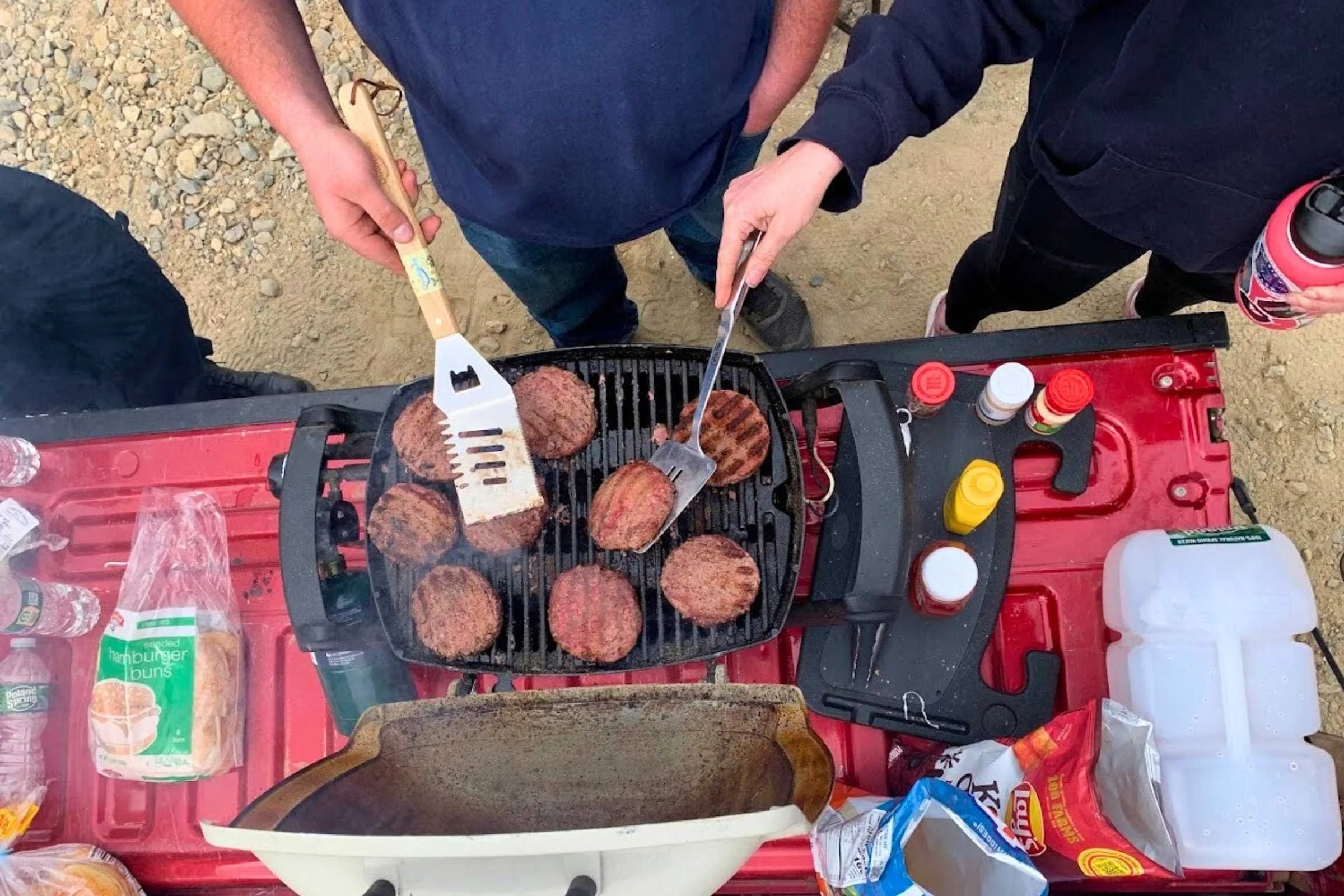
Planning a weekend getaway with your portable grill? You want your grill to work perfectly every time, without any hassle.
But how do you keep it in top shape, ready for every cookout? You’ll discover simple, effective tips to maintain your portable grill. From cleaning to storage, these easy steps will save you time and frustration. Keep reading, and make sure your next grilling adventure is smooth and delicious!
Credit: www.inkl.com
Choosing The Right Portable Grill
Choosing the right portable grill can make or break your weekend getaway experience. It’s not just about picking something that looks good but finding a grill that fits your cooking style, travel plans, and group size. Think about how often you’ll use it and what kind of meals you want to prepare.
Types Of Portable Grills
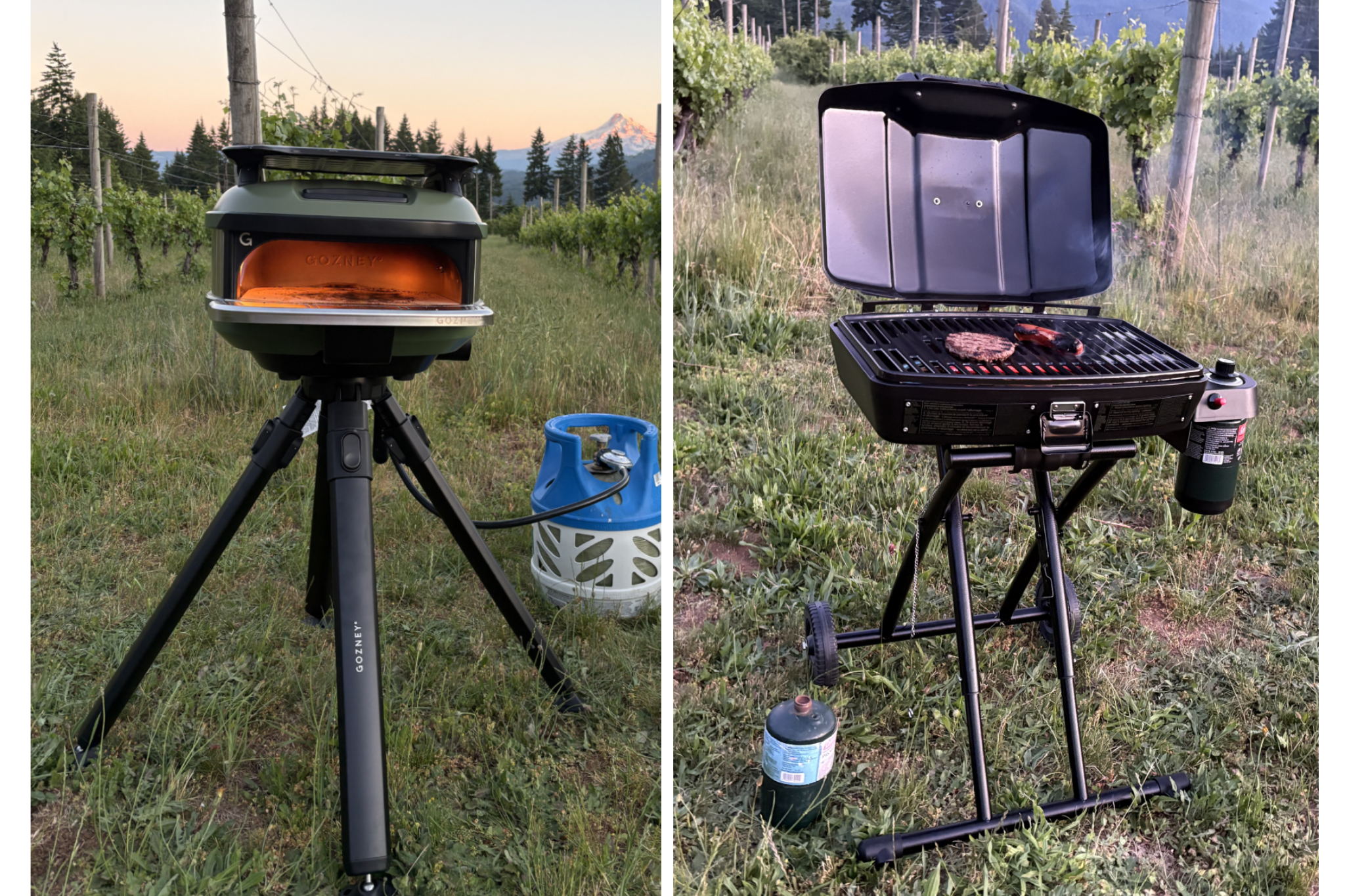
There are several types of portable grills, each with unique benefits. Charcoal grills offer that classic smoky flavor, but they take longer to heat and clean. Gas grills heat up quickly and give you precise temperature control, making them perfect if you want convenience.
Electric grills work well if you’re camping near power sources, and pellet grills provide a mix of convenience and flavor but are usually bulkier. What kind of grilling experience do you prefer—fast and easy or traditional and flavorful?
Materials And Build Quality
Look for grills made from stainless steel or cast iron. These materials last longer and withstand high heat without warping. Cheaper metals might rust or break after a few uses, which can ruin your trip.
Check the grill’s hinges, handles, and legs for sturdiness. A wobbly grill can be frustrating and unsafe. Think about how often you’ll be moving your grill—will it survive being tossed around in your car or backpack?
Size And Portability Factors
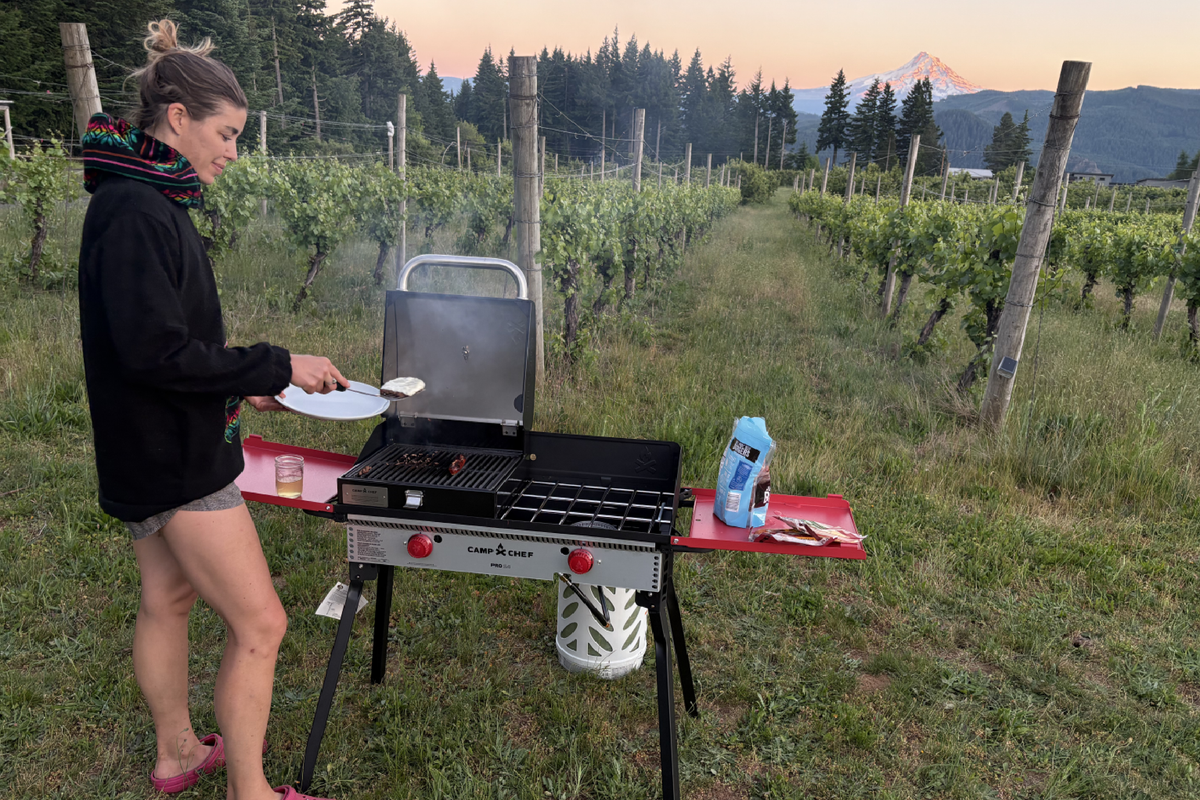
The size of your grill should match the number of people you usually cook for. A small two-burner grill might be perfect for a couple, but larger groups need more cooking space. Don’t forget to consider the grill’s weight—heavier grills can be tough to carry long distances.
Look for features like folding legs, compact shapes, or built-in handles to make transport easier. Ask yourself: Will you carry it by hand, or will it fit in your car or bike basket? The right balance between size and portability is key.

Credit: www.treelinereview.com
Cleaning After Every Use
Cleaning your portable grill after every use is essential to keep it in top shape and ready for your next weekend getaway. Neglecting this step can lead to buildup that affects both the flavor of your food and the grill’s performance. Taking a few minutes to clean right after cooking saves you from tougher scrubbing later and extends your grill’s lifespan.
Removing Food Residue
Start by scraping off any leftover food particles while the grill is still warm but not hot. Use a grill brush or a scraper to gently remove stuck-on bits. This quick cleanup prevents buildup that could turn into stubborn grime if left overnight.
Have you noticed how much easier it is to clean when you don’t wait? That small habit can make a big difference in your grill maintenance routine.
Cleaning Grill Grates
Once the major food residue is removed, wash the grill grates with warm, soapy water. Use a sponge or cloth to scrub gently, avoiding harsh abrasives that could damage the grate’s coating. Rinse thoroughly to remove all soap, then dry completely to prevent rust.
If your grates are cast iron, consider applying a thin layer of cooking oil after drying to keep them seasoned and rust-free. This simple step can keep your grill cooking evenly for many trips to come.
Washing Drip Pans And Accessories
Don’t forget the drip pans and other removable accessories. These parts often collect grease and debris, which can cause flare-ups or unpleasant odors if left dirty. Soak them in hot, soapy water and scrub with a brush to remove buildup.
Regularly cleaning these items also helps you spot any damage or wear early, so you can replace parts before they affect your grilling experience. How often do you check your drip pans after a cookout?
Proper Storage Techniques
Proper storage techniques keep your portable grill safe and ready for use. They prevent damage and extend the grill’s life. Storing your grill correctly avoids rust, dirt buildup, and mechanical problems. Follow these simple tips for best results.
Keeping It Dry
Moisture causes rust and damages grill parts fast. Always dry your grill completely after cleaning. Use a towel to wipe off water from all surfaces. Leave the grill open for a few minutes to air dry. Avoid storing it with damp parts or inside a wet bag.
Using Protective Covers
Protective covers shield your grill from dust, dirt, and weather. Choose a cover made of waterproof material for best protection. Make sure the cover fits snugly over the grill. Remove the cover occasionally to check for moisture or pests. Clean the cover regularly to keep it effective.
Storing In Suitable Locations
Store your portable grill in a dry, cool place away from direct sunlight. Avoid damp areas like basements or garages with poor ventilation. A high shelf or a dedicated storage box works well. Keep it away from flammable materials. Proper location prevents damage and keeps your grill safe.
Routine Maintenance Checks
Planning a weekend getaway with your portable grill? Routine maintenance checks are essential for a smooth grilling experience. Keeping your grill in top condition ensures safety and extends its lifespan. Here’s how to perform essential checks before you hit the road.
Inspecting Gas Connections
Check the gas connections before firing up the grill. Ensure all hoses are firmly attached and free from cracks. Look for leaks by applying soapy water to the connections. Bubbles indicate a leak, which needs fixing before use.
Checking For Rust And Corrosion
Examine your grill for rust or corrosion. Pay special attention to the grates and burners. Use a wire brush to remove surface rust. If any part shows severe corrosion, consider replacing it. This helps maintain efficient heat distribution.
Tightening Loose Parts
Inspect the grill for loose parts, such as handles or knobs. Tighten screws and bolts using a suitable tool. This prevents accidents while grilling. Ensure all components are secure for a hassle-free cooking experience.
Seasoning The Grill
Seasoning your portable grill is a key step to keeping it in top shape during your weekend getaways. It creates a natural, non-stick surface that makes cooking easier and cleaning faster. Plus, seasoning protects the grill from rust and wear, extending its life.
Why Seasoning Matters
Seasoning forms a protective layer on the grill’s surface. This layer prevents food from sticking and helps maintain even heat distribution. Without seasoning, your grill can rust quickly, especially if it’s exposed to moisture during travel.
I once skipped seasoning my grill before a camping trip and ended up scrubbing burnt-on food for hours. After that, I learned seasoning not only saves time but also improves the taste of grilled food by reducing flare-ups.
How To Season Your Grill
Start by cleaning the grill thoroughly with warm soapy water and drying it completely. Next, apply a thin coat of high-smoke-point oil like canola or vegetable oil to the grill grates using a paper towel.
Heat the grill on medium for about 15 to 20 minutes until the oil starts to smoke lightly. This process bonds the oil to the metal, creating that essential non-stick coating. Remember to do this in a well-ventilated area or outdoors to avoid smoke buildup.
Frequency Of Seasoning
How often should you season your portable grill? It depends on usage, but a good rule is to season it after every few uses or when you notice food sticking more than usual.
If you store your grill for a long time, give it a fresh seasoning before your next trip. This simple habit prevents rust and keeps your grill ready to cook delicious meals every weekend.
Safe Transportation Tips
Transporting your portable grill safely is key to enjoying a hassle-free weekend getaway. A few simple precautions can prevent accidents, protect your equipment, and keep you worry-free during the trip. Let’s dive into practical tips that ensure your grill arrives in perfect condition and ready to fire up.
Securing The Grill In Vehicles
Make sure your grill is clean and cooled down before packing it into your vehicle. Secure it firmly using straps or bungee cords to prevent shifting during the drive. If your grill has detachable parts, pack them separately in padded bags to avoid rattling or scratches.
Think about the placement—keeping the grill on a flat surface helps maintain balance. Do you have a tight space? Placing the grill near the center of the vehicle can reduce movement and potential damage.
Handling Fuel Safely
If your grill uses propane or charcoal, handle the fuel with extra caution. Store propane tanks upright and never inside the passenger cabin. Instead, place them in the trunk or bed of a truck, away from direct sunlight and heat sources.
Charcoal should be stored in a sealed container to keep moisture out and prevent accidental fires. Ask yourself—have you checked for leaks or damage on your fuel containers before the trip? A quick inspection can save a lot of trouble.
Avoiding Damage During Travel
Wrap your grill with a protective cover or blanket to guard against scratches and dents. Avoid stacking heavy items on top of it to keep its structure intact. Keep the grill away from sharp or hard objects that could cause dents or breaks.
Consider the bumps and turns of your route—do you have shock absorbers or padding underneath the grill? Adding cushioning can absorb vibrations and reduce wear over time.
Troubleshooting Common Issues
Maintaining a portable grill during a weekend getaway is key to a smooth cooking experience. Sometimes, problems arise that can disrupt your meal plans. Knowing how to troubleshoot these common issues saves time and frustration. Below are simple fixes for frequent grill problems.
Uneven Heat Distribution
Uneven heat can cause some food to burn while other parts remain raw. Start by checking the grill grates for dirt or grease buildup. Clean grates help heat spread evenly. Make sure burners or charcoal are arranged properly for balanced heat.
Adjust the grill vents to control airflow. Too much air can cause hot spots. Use a grill thermometer to monitor temperature across the cooking area. Rotate food regularly to avoid burning on one side.
Ignition Problems
Ignition issues often stop the grill from lighting. Check the fuel source first. Ensure propane tanks are full and connected tightly. For charcoal grills, use dry charcoal and proper kindling.
Clean the burner ports to remove blockages. Dirt or spider webs can clog these small holes. Use a brush or a pin to clear them. If using an electric igniter, replace batteries or check wiring for damage.
Smoke And Flare-ups
Excess smoke or flare-ups can spoil food flavor and cause safety risks. Remove excess grease from the grill to reduce flare-ups. Use a drip pan to catch fat drippings.
Avoid spraying water on flare-ups. Instead, move food to a cooler part of the grill. Keep a spray bottle of water nearby for small flames. Cook fatty foods at lower temperatures to prevent flare-ups.
Credit: www.inkl.com
Frequently Asked Questions
How Often Should I Clean My Portable Grill?
Clean your portable grill after every use. Remove food residue, grease, and ash to prevent buildup. Regular cleaning ensures better taste and extends grill life.
What Is The Best Way To Store A Portable Grill?
Store your portable grill in a dry, cool place. Use a grill cover to protect it from dust and moisture. Proper storage prevents rust and damage.
How Do I Prevent Rust On My Portable Grill?
Apply a thin layer of cooking oil to grill grates after cleaning. Keep the grill dry and covered when not in use. This helps protect against rust and corrosion.
Can I Use Household Cleaners On My Portable Grill?
Avoid harsh household cleaners; they can damage the grill’s surface. Use mild soap and warm water for cleaning. Specialized grill cleaners are best for tough grease.
Conclusion
Keeping your portable grill clean helps it last longer. Always check for damage before each trip. Store it in a dry, safe place after use. Regularly oil the grates to avoid rust. These simple steps save time and money. Enjoy your weekend cookouts with a well-maintained grill.
Ready for your next adventure? A little care goes a long way.

