
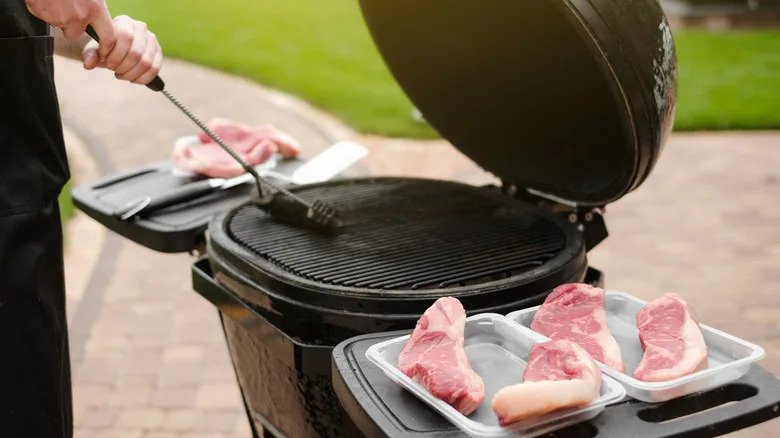
You’re excited to fire up your new portable grill, but hold on—are you sure it’s ready for your first cookout? Cleaning your grill before its first use is a simple step that makes a huge difference.
It ensures your food tastes great and keeps you safe from unwanted residues or dirt. In this guide, you’ll discover easy, effective ways to clean your portable grill quickly, so you can focus on what matters most—enjoying delicious meals outdoors.
Keep reading, and get ready to become a grilling pro from the very first bite!
Why Clean Before First Use
Cleaning your portable grill before first use is very important. It removes unwanted residues and prepares the grill for safe cooking. This simple step helps you enjoy better tasting food and a longer-lasting grill.
Removing Factory Residue
New grills often have oil, dust, or chemicals from the factory. These residues can affect the taste of your food. Cleaning removes these unwanted substances. It ensures your grill is fresh and ready for cooking.
Ensuring Food Safety
Grills can carry dirt or germs from storage or shipping. Cleaning kills bacteria and germs on the grill surface. This step helps keep your food safe and healthy. It reduces the risk of foodborne illness.
Enhancing Grill Performance
A clean grill works better and heats evenly. Removing grease or dust improves heat distribution. This leads to better cooking results and less flare-ups. Your grill will last longer with proper cleaning.
Gathering Cleaning Supplies
Before firing up your portable grill for the first time, gathering the right cleaning supplies is key. It sets the stage for a safe and tasty grilling experience. Think of this step as prepping your tools for a smooth cooking session.
Essential Tools
Start with basic tools that make cleaning easy and effective. A sturdy grill brush with metal bristles is a must for scrubbing off any factory residues or packaging dust. You’ll also need a pair of heat-resistant gloves to protect your hands while cleaning hot surfaces.
Don’t forget a bucket or basin for warm soapy water, plus a soft cloth or sponge for wiping down surfaces after scrubbing. Paper towels or clean rags come in handy for drying your grill to prevent rust. If your grill has removable parts, a small brush or old toothbrush helps reach tight spots.
Recommended Cleaning Agents
Choose mild but effective cleaning agents to avoid damaging your grill’s finish. Dish soap mixed with warm water works well for most cleaning tasks. Avoid harsh chemicals that can leave harmful residues or affect your grill’s taste.
For tougher grime or grease, a paste made from baking soda and water can be a gentle yet powerful scrubber. White vinegar is another natural option that helps break down grease and deodorizes the grill. Have you tried these natural cleaners before? They’re often safer and just as effective as commercial products.
Initial Grill Inspection
Before using a portable grill for the first time, a careful inspection is essential. This step ensures safety and helps identify any damage or missing parts. It also makes the cleaning process easier and more effective. Taking time for an initial grill inspection protects your investment and improves your grilling experience.
Checking Components
Start by examining the grill’s main parts. Look at the grill body, lid, and legs. Check for dents, cracks, or rust. Inspect the fuel source area, like the gas connection or charcoal tray. Ensure all parts feel sturdy and fit well together. Loose or damaged components may cause problems during use.
Identifying Removable Parts
Identify parts that you can remove for cleaning. These often include grill grates, drip trays, and burners. Removable pieces make cleaning simpler and more thorough. Knowing which parts come off helps avoid damage when washing. Keep track of all parts to prevent losing any before assembly.

Credit: www.kickstarter.com
Step-by-step Cleaning Process
Cleaning your portable grill before the first use is essential to remove any factory residues and ensure your food tastes fresh and safe. Following a clear and simple cleaning process can save you from unexpected flavors and potential health risks. Let’s walk through each part of the grill to get it spotless and ready for your first cookout.
Disassembling The Grill
Start by carefully taking apart your grill. Remove the grill grates, drip pans, and any trays or removable parts. This makes it easier to clean each piece thoroughly and prevents water damage to electrical components or burners.
Have you checked your grill’s manual? Some parts may require special handling or tools for safe removal. Taking your time here avoids breaking anything and sets you up for a smoother cleaning experience.
Cleaning Grill Grates
Grill grates often have a coating to prevent sticking, so handle them gently. Use warm, soapy water and a soft brush or sponge to scrub away any residue. Avoid harsh steel wool or abrasive pads that can scratch the surface.
If you notice stubborn spots, soak the grates in soapy water for 15-20 minutes. This loosens grime and makes scrubbing easier. A tip I learned the hard way: don’t rush this step—you’ll thank yourself when the grill heats evenly during cooking.
Washing Drip Pans And Trays
Drip pans and trays catch grease and debris, so they tend to get messier. Use a degreaser or dish soap with hot water to clean them thoroughly. A sponge or cloth usually works well unless there’s heavy buildup, then a gentle scrub brush can help.
Check for any holes or damage while cleaning. A compromised drip pan can cause flare-ups or leaks during grilling. Keeping these parts in good shape is key for safety and performance.
Cleaning The Exterior
Don’t forget the outside of your grill. Wipe down the body with a damp cloth and mild detergent. This removes dust, fingerprints, and any manufacturing residues without damaging the finish.
Be careful around knobs and vents to avoid water getting inside. If your grill has stainless steel parts, use a cleaner made for stainless steel to keep it shiny and rust-free. How often do you clean your grill’s exterior after use?
Drying And Reassembling
After washing, dry every part completely with a clean towel or allow them to air dry in a well-ventilated area. Moisture left on metal parts can cause rust or damage over time.
Once dry, reassemble your grill carefully. Check that all components fit securely and nothing is loose. Now your grill is ready for its first meal—clean, safe, and performing at its best.
Seasoning The Grill Grates
Seasoning the grill grates is a crucial step before firing up your portable grill for the first time. It helps create a natural non-stick surface and protects the metal from rust. Proper seasoning improves your grilling experience and extends the life of your grill.
Choosing The Right Oil
Not all oils are suitable for seasoning grill grates. You want an oil with a high smoke point, which means it can handle high heat without burning.
- Vegetable oil is a popular choice due to its availability and heat tolerance.
- Canola oil works well and is budget-friendly.
- Avocado oil has a very high smoke point, making it excellent if you want to invest in quality seasoning.
Have you ever tried seasoning with olive oil? It tends to burn quickly and can leave a sticky residue, so avoid it for this purpose.
Applying Oil Properly
Applying oil evenly is key to getting a smooth, protective coating on your grates. Use a clean cloth or paper towel to spread a thin layer over every inch of the surface.
Don’t pour oil directly onto the grates—that can create uneven patches and flare-ups when heated. Instead, dab some oil onto your cloth, then rub it onto the metal.
Ask yourself: Is the layer thin enough that you can still see the metal underneath? If not, wipe off the excess to prevent sticky buildup.
Heating For Seasoning
After oiling, heat your grill to bond the oil to the metal. Preheat your grill on medium-high for about 15-20 minutes.
You’ll notice the oil starts to smoke and polymerize, forming that durable, non-stick coating. This process may smell a bit strong, so make sure you’re in a well-ventilated area.
Once cooled, your grill grates will be ready to handle your first cookout. How does your grill feel after seasoning—slick and smooth or rough? If it’s the latter, consider repeating the process for better results.

Credit: argentineasado.com
Safety Tips During Cleaning
Always clean your portable grill before first use to remove dust and chemicals. Use warm soapy water and a soft brush for safety. Avoid harsh chemicals that may damage the grill or affect food taste.
Before firing up your portable grill for the first time, it’s crucial to clean it thoroughly for safe and optimal performance. However, cleaning isn’t just about scrubbing until it shines; it’s about doing so safely. This ensures not only the longevity of your grill but also your well-being.Handling Cleaning Chemicals
Using cleaning chemicals requires caution. Always read the labels on your cleaning products to understand their potential hazards. Wear gloves to protect your skin from harsh chemicals. Ventilation is key. Clean your grill in a well-ventilated area to avoid inhaling fumes. If possible, work outside to keep the air fresh and clear. Rinse thoroughly. Any residue from cleaning agents can affect the taste of your food, so make sure every part you clean is thoroughly rinsed with water.Avoiding Damage To Components
Your grill is made up of various materials, each requiring specific care. Check your grill’s manual to identify any parts that might be sensitive to certain cleaning methods. Use soft brushes and non-abrasive sponges to avoid scratching surfaces. Wire brushes might seem effective, but they can damage the grill’s coating. Pay attention to electronic components. If your grill has any electronic parts, ensure they remain dry during cleaning. Water and electronics don’t mix, and a careless splash could lead to a costly repair. By focusing on these safety tips during cleaning, you not only maintain your grill’s efficiency but also ensure your culinary adventures start on the right note. What additional precautions do you take when cleaning your grill?Maintaining Cleanliness After Use
Keeping your portable grill clean after each use is key to enjoying tasty, safe meals every time. Neglecting this simple habit can lead to buildup that’s harder to remove later and might even affect the flavor of your food. Let’s look at some easy ways to keep your grill in top shape.
Routine Cleaning Tips
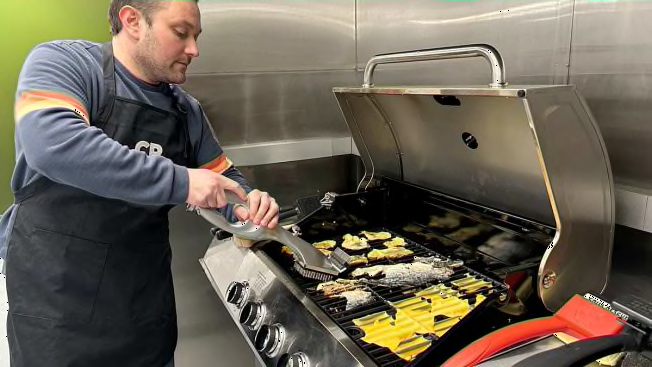
After each cookout, while the grill is still warm (but not hot), use a grill brush to scrape off leftover food and grease. This quick step saves you from stubborn grime later.
Wipe down the exterior with a damp cloth to remove any splatters or spills. Avoid harsh chemicals—mild soap and water usually do the trick.
Don’t forget to empty the grease tray regularly. A full tray can cause flare-ups and make cleaning more difficult next time.
Storage Recommendations
Store your grill in a dry, sheltered spot to prevent rust and damage. If you use it outdoors often, invest in a weatherproof cover that fits snugly.
Before storing, double-check that the grill is completely cool and dry. Moisture can lead to rust, which shortens your grill’s lifespan.
Have you thought about where you set your grill down after cleaning? A designated spot keeps it safe and reminds you to clean it before the next use.
Credit: www.consumerreports.org
Frequently Asked Questions
How Do I Clean A Portable Grill Before First Use?
Wipe the grill grates with warm, soapy water. Rinse thoroughly and dry. This removes dust and factory residues. Preheat the grill to burn off any remaining impurities before cooking.
What Tools Are Needed To Clean A Portable Grill?
You need a grill brush, warm soapy water, a sponge, and a cloth. Optional: baking soda for stubborn stains. These tools help remove debris and ensure a clean cooking surface.
Can I Use Soap To Clean Grill Grates?
Yes, mild dish soap is safe for grill grates. Avoid harsh chemicals that can leave harmful residues. Rinse well to ensure no soap remains before grilling.
How Often Should I Clean My Portable Grill?
Clean before first use and after every cooking session. Regular cleaning prevents buildup and improves grill performance. Deep clean monthly if used frequently.
Conclusion
Cleaning your portable grill before first use keeps it safe and ready. Remove dust, dirt, and any factory residues carefully. Use warm water and mild soap for best results. Dry all parts well to avoid rust or damage. A clean grill helps food taste better and prevents flare-ups.
Take a few minutes to clean—it’s worth it. Enjoy cooking outdoors with a fresh, clean grill every time. Simple steps make a big difference in your grilling experience.

