
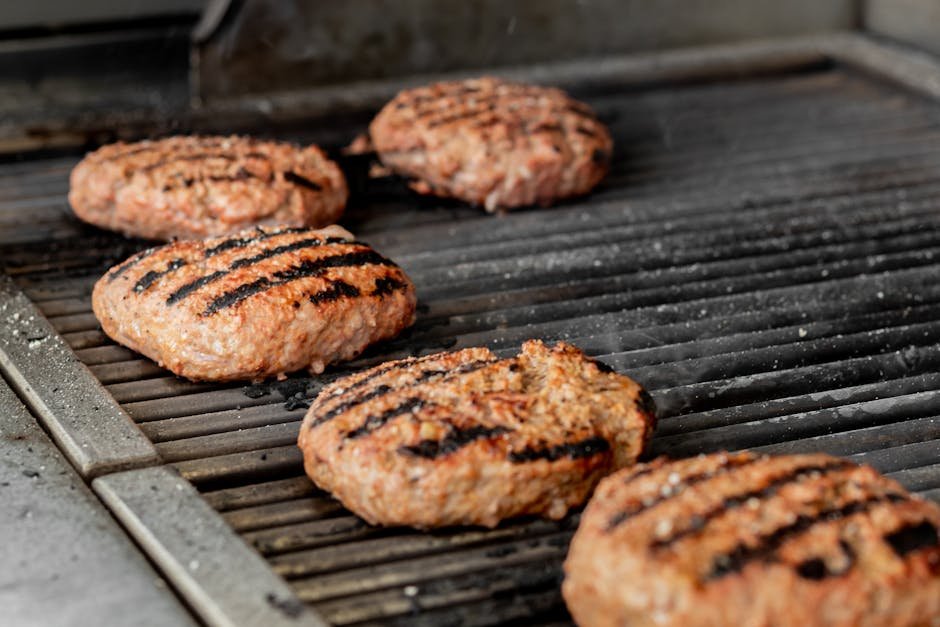
Your outdoor kitchen gas grill is the heart of every backyard gathering. Imagine firing it up, knowing it’s clean, safe, and working perfectly every time.
But without proper care, your grill can quickly wear down, leaving you frustrated and missing out on those delicious moments. In this guide, you’ll discover simple, effective steps to keep your gas grill in top shape. Follow along, and you’ll enjoy better tasting meals, longer grill life, and stress-free cookouts all year round.
Ready to become the grill master your friends admire? Let’s get started!
Choosing The Right Grill
Choosing the right grill sets the foundation for a great outdoor kitchen. It affects cooking quality, maintenance, and overall enjoyment. Picking a grill means thinking about materials, size, and features. These factors determine how long the grill lasts and how easy it is to clean. A well-chosen grill makes outdoor cooking simple and fun.
Material Matters
Grills come in various materials that affect durability and heat retention. Stainless steel is popular because it resists rust and lasts long. Cast iron holds heat well but needs more care to avoid rust. Porcelain-coated grills offer easy cleaning and resist corrosion. Think about your climate and how much effort you want for upkeep.
Size And Features
Size depends on how many people you cook for regularly. A small grill suits a family, while larger grills fit big gatherings. Look for grills with adjustable burners for better heat control. Built-in thermometers help monitor temperature easily. Extra features like side burners or storage space add convenience. Choose features that match your cooking style and space.

Credit: www.yahoo.com
Regular Cleaning Routine
Keeping your outdoor kitchen gas grill in top shape requires a regular cleaning routine. This habit not only extends your grill’s life but also ensures every meal tastes fresh and safe. Cleaning might seem like a chore, but setting aside a few minutes regularly makes a huge difference.
Daily Cleaning Tips
After each grilling session, take a moment to brush off the grill grates. Use a stiff wire brush to remove leftover food particles while the grill is still warm. This prevents buildup and makes deeper cleaning easier later on.
Wipe down the exterior surfaces with a damp cloth to remove grease and dust. Don’t forget to check the grease tray and empty it regularly to avoid flare-ups. These small steps keep your grill ready for the next cookout.
Deep Cleaning Steps
Once a month, give your grill a thorough cleaning. Start by disconnecting the gas supply for safety. Remove the grates, burners, and heat deflectors to clean separately.
Soak the grates and deflectors in warm, soapy water for at least 30 minutes. Scrub them with a non-abrasive sponge to remove stubborn grime. Use a vacuum or brush to clean out debris from the burner tubes, ensuring the gas flows smoothly.
Check for any rust or damage during this process and replace parts if needed. Reassemble everything carefully and run the grill on high for 15 minutes to burn off any residual cleaning agents.
Cleaning Grill Grates
Grill grates deserve special attention because they directly affect your food’s flavor and safety. After cooking, heat the grill on high for 10 minutes to burn off grease. Then, scrape the grates with a wire brush to clear charred bits.
For a deeper clean, soak the grates in a mixture of vinegar and baking soda. This combo loosens tough residue without harsh chemicals. Rinse thoroughly and dry completely to prevent rust.
Have you noticed how cleaner grates create better grill marks and reduce sticking? Taking care of your grates changes the grilling experience more than you might expect.
Inspecting Gas Components
Inspecting the gas components of your outdoor kitchen grill is crucial for safe and efficient operation. Regular checks can prevent unexpected breakdowns and keep your cooking experience enjoyable. Paying close attention to each part ensures you catch small issues before they become costly repairs.
Checking Gas Lines
Start by visually inspecting the gas lines for any signs of wear or damage. Look for cracks, brittleness, or discoloration that may indicate aging or exposure to weather. If you notice anything unusual, it’s best to replace the gas line immediately to avoid safety risks.
Feel the lines for any soft spots or bulges. These are warning signs of internal damage that aren’t always visible. Make sure the connections are tight but not over-tightened, which can cause leaks.
Examining Burners And Valves
Burners and valves are the heart of your grill’s gas system. Remove the burner covers and check for rust, blockages, or dirt buildup. Cleaning the burners with a wire brush can improve gas flow and flame quality.
Test the valves by turning them on and off to ensure they operate smoothly. Stiff or leaking valves need professional attention. Proper valve function controls the gas flow and prevents flare-ups or weak flames.
Detecting Gas Leaks
Gas leaks are dangerous but often easy to find with simple tests. Mix a solution of dish soap and water, then apply it to all gas connections and joints using a brush or spray bottle. If bubbles form, you’ve found a leak.
Never ignore a suspected leak—always shut off the gas supply immediately. You can also use a handheld gas leak detector for more precise checking. Remember, safety isn’t optional when dealing with gas.

Credit: abell.co.uk
Preventing Rust And Corrosion
Keep your outdoor gas grill clean and dry to stop rust from forming. Apply a protective coating or oil to metal parts regularly. Cover the grill when not in use to shield it from rain and moisture.
Preventing rust and corrosion on your outdoor kitchen gas grill is crucial for maintaining its longevity and performance. Environmental factors like humidity and rain can accelerate rust formation, making it essential to implement protective measures. Taking a few proactive steps can save you time and money while ensuring your grill stays in top shape.Using Protective Covers
Investing in a high-quality grill cover is your first line of defense against rust. A cover acts as a shield, protecting your grill from rain, snow, and UV rays. Look for a cover that fits snugly and is made from durable, weather-resistant material. After using your grill, allow it to cool down completely before covering it. This prevents moisture from being trapped inside, which could lead to rust. Ensure the cover is secure, particularly during windy conditions, to keep it in place.Applying Rust Inhibitors
Rust inhibitors are an excellent way to provide an extra layer of protection for your grill. These sprays or coatings are designed to repel moisture and prevent rust from forming on metal surfaces. Apply the inhibitor to the grill’s surface after cleaning and drying it thoroughly. Regular application can significantly reduce the likelihood of rust and corrosion. Be sure to follow the product instructions for the best results. Consider this small investment in inhibitors as a long-term saving on potential repair costs. Taking these preventive measures can drastically reduce the risk of rust. How do you protect your grill against the elements? Share your tips and join the conversation in the comments below!Proper Storage Practices
Proper storage practices are key to keeping your outdoor kitchen gas grill in top shape. Neglecting how you store your grill can lead to rust, clogged burners, and other issues that cut short its lifespan. Taking time to store your grill correctly protects your investment and ensures it’s ready to cook when you are.
Winterizing Your Grill
Before the cold months arrive, give your grill a thorough cleaning. Remove grease and food particles to prevent buildup that attracts pests or causes corrosion. Detach the propane tank and store it in a cool, dry place away from direct sunlight or extreme temperatures.
Cover your grill with a heavy-duty, weather-resistant grill cover that fits snugly. A loose cover lets in moisture and dirt, which can damage metal parts. If possible, move your grill to a sheltered area like a garage or shed to protect it from snow and ice.
Have you ever noticed how moisture can make your burners rust fast? Taking time to dry all parts before covering makes a big difference. Use a towel or allow your grill to air dry completely after cleaning.
Off-season Storage Tips
During the off-season, regular checks help catch any issues early. Inspect your grill monthly for signs of rust, pest nests, or loose connections. Tighten screws and clean burners if needed to keep everything in working order.
Store grill accessories like utensils, thermometers, and cleaning brushes inside your home or a dry storage box. This keeps them rust-free and ready to use. Labeling storage containers can save you time when grilling season returns.
- Remove and clean drip trays to avoid buildup and unpleasant odors.
- Check propane hoses for cracks or damage before reconnecting.
- Lubricate moving parts with a food-safe lubricant to prevent stiffness.
Is your grill’s storage spot easy to access? Keeping it convenient means you’re more likely to maintain and use it regularly. A little effort in storing your grill properly pays off with smooth, hassle-free cooking all year.
Maintaining Grill Performance
Maintaining your outdoor kitchen gas grill ensures it cooks evenly and lasts longer. Regular care keeps the heat steady and the flavors perfect. Pay attention to small details for best results.
Calibrating Temperature Controls
Temperature controls guide how hot the grill gets. Check these controls for accuracy often. Use a grill thermometer to compare the dial setting and actual heat. Adjust the knobs to match the thermometer reading. This keeps the grill cooking at the right temperature. Proper calibration avoids overcooking or undercooking food.
Replacing Worn Parts
Parts like burners and valves wear out with use. Inspect these parts regularly for rust or damage. Replace cracked or clogged burners to keep flames steady. Change out old valves to prevent gas leaks. Use parts made for your grill model to ensure fit and safety. Fresh parts help the grill run smoothly and safely.
Safety Measures
Safety is the cornerstone of maintaining your outdoor kitchen gas grill. Ignoring simple precautions can lead to accidents that are easily avoidable. Taking the right safety measures protects you, your guests, and your home while ensuring your grill performs well for years.
Safe Ignition Techniques
Never start your grill with the lid closed. This can cause gas to build up and lead to flare-ups or explosions. Always open the lid first before turning on the gas and igniting the burners.
If your grill has an electronic ignition, check the batteries regularly. Weak batteries might cause delayed sparks, increasing the risk of gas buildup. For manual ignition, use a long match or a grill lighter to keep your hands safe from the flames.
Have you ever heard a hissing sound before lighting the grill? That’s a sign of a gas leak. Always smell and listen carefully before ignition. If you detect a leak, turn off the gas immediately and fix the problem before lighting again.
Fire Prevention Tips
Keep a fire extinguisher or a bucket of sand nearby. Water can make grease fires worse, so having the right fire control method is essential. Check the extinguisher’s pressure gauge regularly to ensure it’s ready when you need it.
- Clean grease traps and trays frequently to avoid flare-ups.
- Do not leave your grill unattended when in use.
- Keep children and pets away from the grill area.
- Position your grill away from structures, trees, and flammable materials.
Imagine the last time you grilled. Did you keep an eye on the flames? If not, what could have happened? Staying attentive can prevent small sparks from turning into dangerous fires.
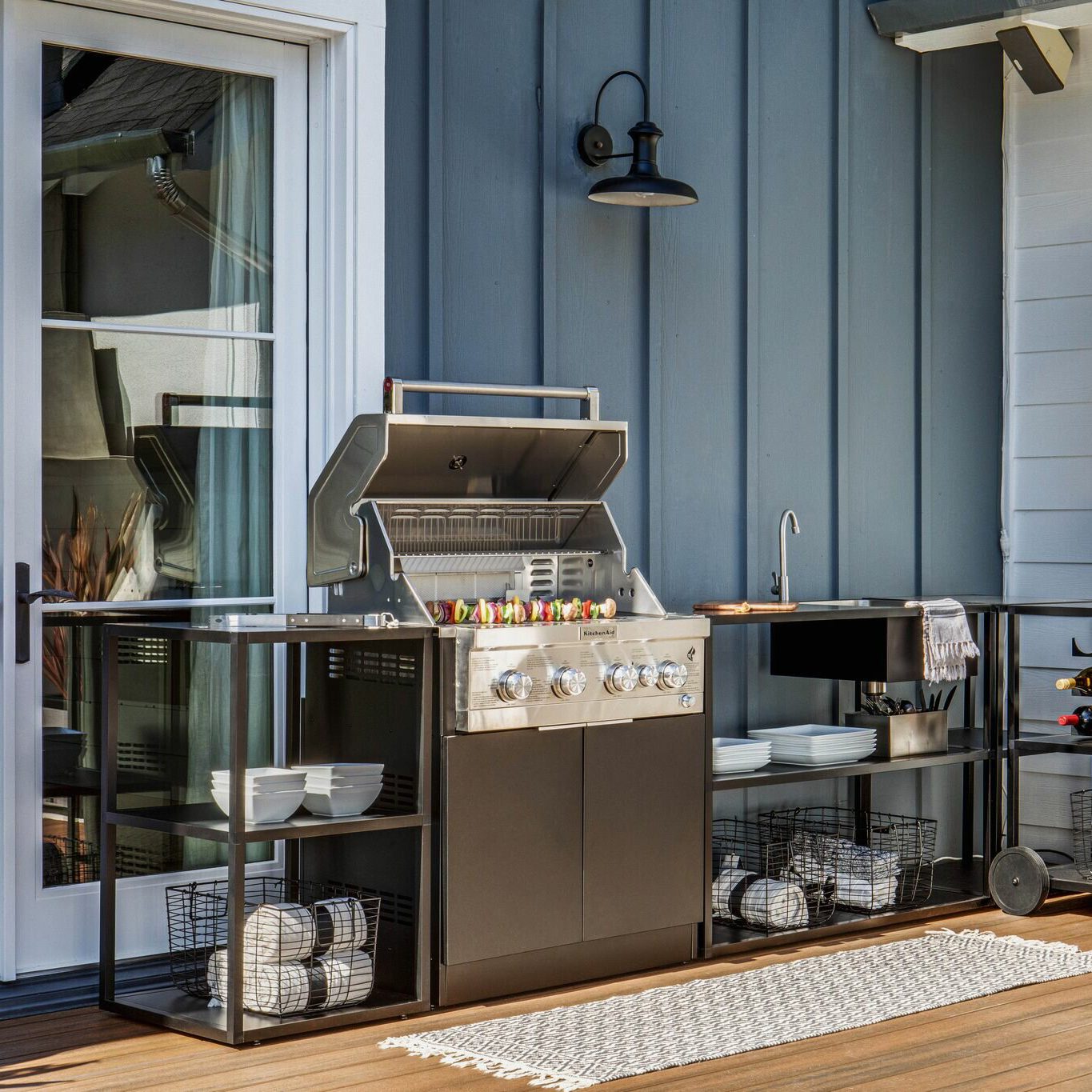
Credit: www.familyhandyman.com
Frequently Asked Questions
How Often Should I Clean My Outdoor Kitchen Gas Grill?
Clean your gas grill after every use to prevent grease buildup. Deep clean it at least once a month to maintain performance and hygiene.
What Is The Best Way To Protect My Gas Grill?
Use a high-quality grill cover to shield from weather. Store the grill in a shaded area when not in use.
How Do I Check For Gas Leaks Safely?
Apply soapy water to gas connections and hoses. Bubbles indicate leaks; if found, tighten connections or replace faulty parts immediately.
When Should I Replace Grill Burners And Parts?
Replace burners if flames are uneven or weak. Inspect parts annually and replace rusted or damaged components for safety and efficiency.
Conclusion
Maintaining your outdoor kitchen gas grill keeps it working well. Clean the grill regularly to stop grease build-up. Check the gas connections to avoid leaks and risks. Cover the grill when not in use to protect it. Store tools and accessories in a dry place nearby.
Small steps like these save money on repairs later. Enjoy cooking outside with a grill that works smoothly. Taking care of your grill makes outdoor meals more fun. Keep your grill ready for any barbecue or gathering. Simple care leads to many great cookouts ahead.

