
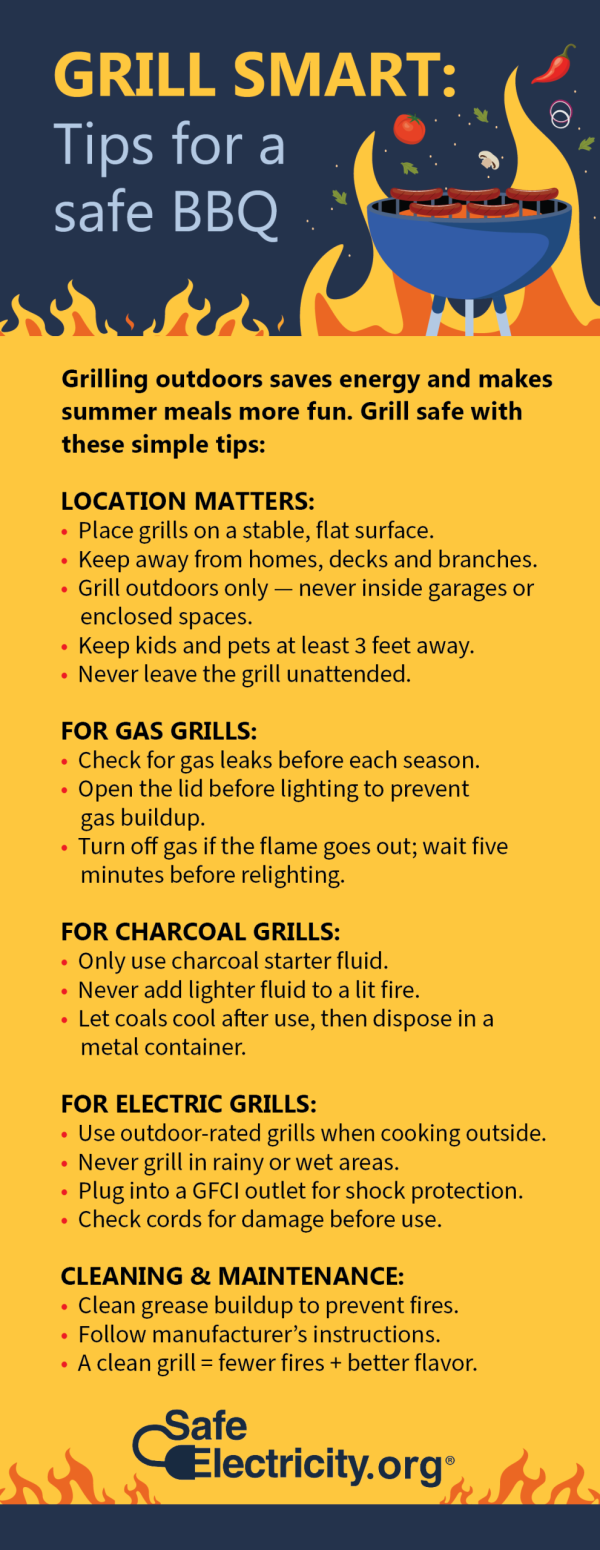
Nothing ruins a great cookout faster than a sudden flare-up on your gas grill. If you’ve ever had flames burst up and char your food, you know how frustrating it can be.
But here’s the good news: you don’t have to let flare-ups steal the show. With a few simple tips and tricks, you can keep your grill under control and enjoy perfectly cooked meals every time. Ready to learn how to prevent flare-ups and become the grill master you deserve to be?
Keep reading—you’ll thank yourself at your next barbecue.

Credit: www.napoleon.com
Causes Of Gas Grill Flare-ups
Flare-ups on a gas grill can surprise any cook. They happen when flames shoot up suddenly. Knowing what causes these flare-ups helps keep grilling safe and enjoyable. Several factors can lead to flare-ups, mostly related to grease, food, and heat. Understanding these will help prevent them effectively.
Grease Buildup
Grease collects on grill parts over time. This buildup comes from dripping fats and oils. When grease gets too hot, it ignites and causes flare-ups. Cleaning the grill regularly reduces this risk. Remove grease from trays and burners after each use.
Fatty Foods And Marinades
Fatty meats like burgers or ribs drip a lot of fat. This fat can fall onto the flame and ignite quickly. Some marinades with sugar or oil also cause flare-ups. These ingredients can drip and burn, creating sudden flames. Choosing leaner cuts and careful marinating helps control flare-ups.
High Heat Settings
Using very high heat makes flare-ups more likely. High temperatures cause fats to melt and drip rapidly. Flames can flare up when these drippings hit hot burners. Cooking at medium heat reduces flare-ups while still grilling well. Adjust the temperature to keep flames steady and safe.

Credit: www.youtube.com
Prepping Your Grill
Properly prepping your grill sets the stage for a safe and enjoyable cooking experience. It reduces the chances of unexpected flare-ups that can ruin your meal or even cause injury. Taking a few moments to get your grill ready can make all the difference in controlling heat and keeping your food tasting great.
Regular Cleaning Routine
Grease buildup is a major cause of flare-ups. After each use, scrape off food residue and grease from the grates using a sturdy grill brush. Every few weeks, give your grill a deep clean by removing grates and cleaning inside the grill body to clear out any trapped grease or debris.
Think about the last time you had a flare-up—was your grill clean? Keeping up with a cleaning routine is like preventing problems before they start. Your food will cook more evenly, and your grill will last longer.
Checking Gas Connections
Loose or damaged gas connections can lead to gas leaks and sudden flare-ups. Before lighting your grill, inspect the hose and fittings for cracks, holes, or signs of wear. Use a soap and water solution to check for leaks—bubbles will form if gas is escaping.
Have you ever noticed a strange smell or heard a hissing sound near your grill? That’s a warning sign you shouldn’t ignore. Tightening connections or replacing faulty parts can keep your grill operating safely and smoothly.
Proper Grill Placement
Where you position your grill influences flare-up risks. Avoid placing it near walls, overhanging branches, or anything flammable. Also, keep your grill on a flat, stable surface to prevent tipping.
Think about airflow too—placing your grill in a windy spot can cause unpredictable flames. Position it in a sheltered area with good ventilation to maintain steady heat without excess flare-ups. Where do you currently set up your grill? Could a small change improve safety and control?
Safe Cooking Techniques
Safe cooking techniques reduce flare-ups on your gas grill. These methods keep your food tasty and your grill working well. They help control heat and avoid sudden flames. Follow simple steps to cook safely and enjoy your grilling.
Managing Heat Zones
Create different heat zones on your grill for better control. Use one side for high heat and the other for low heat. Start food on the hot side to sear. Move it to the cooler side to finish cooking. This stops fat from burning and causing flare-ups.
Using A Drip Pan
Place a drip pan under the grill grates to catch fat and juices. This stops drippings from falling directly on the flames. The pan also helps keep your grill clean. Choose a pan that fits well and is easy to remove. Check it often and empty it to prevent fire risks.
Avoiding Overcrowding
Give each piece of food enough space on the grill. Overcrowding blocks air and traps heat. This makes flare-ups more likely. Arrange items with room to cook evenly. Turn food carefully to avoid dropping fat onto flames. Less crowding means safer grilling and better results.

Credit: www.napoleon.com
Tools And Accessories For Safety
Ensuring safety while grilling is crucial to prevent accidents and enjoy a stress-free cooking experience. Having the right tools and accessories at your disposal can make a significant difference in managing flare-ups and keeping your grilling sessions safe. Let’s explore some essential safety tools that every grill master should consider.
Grill Brushes And Scrapers
Keeping your grill clean is the first step to preventing flare-ups. Residual grease and food particles can ignite unexpectedly. Equip yourself with sturdy grill brushes and scrapers to keep your grill grates free from debris.
Consider using a brush with stainless steel bristles, which can withstand high heat and won’t shed easily. After each grilling session, take a few minutes to scrub away remnants, ensuring your next meal is cooked on a clean surface.
Fire Extinguishers
A fire extinguisher is a must-have when grilling. Even with precautions, flare-ups can happen, and being prepared is key. A small kitchen fire extinguisher can be your best friend in emergencies.
Make sure it’s easily accessible and that you know how to use it. It’s also wise to check its expiry date regularly, ensuring it’s always ready for action when needed. This small step can prevent a minor flare-up from turning into a larger incident.
Long-handled Utensils
Using long-handled utensils can help you maintain a safe distance from the flames. They allow you to flip burgers and rotate skewers without getting too close to the heat.
Invest in high-quality tongs, spatulas, and forks with insulated handles. These tools not only prevent burns but also give you better control over your cooking, reducing the chance of accidental flare-ups.
Have you ever faced a flare-up while grilling? What tools have you found most helpful in maintaining safety?
Emergency Response To Flare-ups
Flare-ups on a gas grill can be sudden and dangerous. Knowing how to react quickly keeps you safe and protects your food. Staying calm helps control the situation. Acting fast reduces the risk of fire spreading or injury.
How To Smother Flames
Close the grill lid immediately to cut off oxygen. This action often puts out small flames quickly. Avoid using water; it can spread grease fires. Use a fire extinguisher made for grease or a baking soda sprinkle if flames persist. Keep a metal lid or grill cover nearby to help smother flames safely.
When To Shut Off Gas
If flames grow large or don’t go out, turn off the gas supply. Locate the gas valve and close it to stop fuel flow. Do this before opening the grill lid to avoid flare-up bursts. Shutting off gas prevents fuel from feeding the fire. Always ensure you know where your gas shutoff valve is located.
Seeking Help If Needed
If the fire spreads beyond the grill or grows uncontrollable, call emergency services immediately. Do not try to fight a large fire alone. Make sure everyone moves away from the grill area to stay safe. Keep a phone nearby during grilling for quick access to help. Safety always comes first in any emergency.
Maintenance Tips To Reduce Risks
Keeping your gas grill in top shape is key to preventing dangerous flare-ups. Simple maintenance routines can make a big difference in how safely and efficiently your grill performs. Let’s look at some practical ways you can reduce risks through proper upkeep.
Regular Inspection Schedule
Set a fixed time each week or month to check your grill. Look closely at burners, gas lines, and ignition systems for cracks, rust, or blockages. Catching problems early helps you avoid unexpected flare-ups during your cookouts.
Ask yourself: Have you noticed any uneven flames or strange smells? These signs often hint at hidden issues that need immediate attention.
Replacing Worn Parts
Parts like burners, hoses, and valves wear out over time and can cause leaks or uneven gas flow. Don’t wait for a problem to appear—replace these parts as soon as you see signs of wear. Using original manufacturer parts ensures your grill keeps working safely.
I once ignored a small crack in my hose and ended up with a flare-up that could have been dangerous. That experience taught me to swap out worn parts promptly.
Storing Your Grill Safely
Proper storage protects your grill from damage and buildup that cause flare-ups. Keep your grill covered and stored in a dry place to avoid rust and debris accumulation. Disconnect the gas supply if you’re not using the grill for a long time.
Think about where you place your grill after cooking. Is it shielded from wind and rain? A little extra care here can prevent many maintenance headaches.
Frequently Asked Questions
How Can I Stop Flare-ups On My Gas Grill?
To prevent flare-ups, keep your grill clean and remove excess grease. Use lean meats and trim fat. Cook on medium heat and avoid pressing food down. Always have a spray bottle of water handy for small flames.
What Causes Flare-ups On Gas Grills?
Flare-ups happen when fat and juices drip onto hot burners. This causes flames to rise and flare up. Excess grease and fatty meats increase flare-ups. Regular cleaning and proper cooking techniques reduce these risks.
How Often Should I Clean My Gas Grill?
Clean your grill after every use to prevent grease buildup. Deep clean burners and drip trays monthly. Regular cleaning reduces flare-ups, improves flavor, and extends grill life.
Can Cooking Temperature Affect Flare-ups?
Yes, high heat increases flare-ups by burning fat quickly. Cooking on medium heat reduces flare-ups. Use indirect heat for fatty foods to avoid flare-ups and cook evenly.
Conclusion
Preventing flare-ups keeps your grill safe and food tasty. Clean your grill regularly to avoid grease buildup. Trim excess fat from meat before cooking. Use a spray bottle with water to control small flames. Keep the lid closed to reduce oxygen and flames.
Watch your grill closely while cooking. These simple steps help you enjoy grilling without worry. Stay safe and make great meals every time.

