

When winter arrives, your smoker needs special care to stay in great shape for the next grilling season. If you leave it outside without proper storage, you risk rust, damage, and a shorter lifespan.
But don’t worry—storing your smoker the right way is easier than you think. You’ll discover simple steps to protect your smoker from cold weather, moisture, and other winter hazards. Keep reading to make sure your smoker is ready to fire up the moment spring returns.
Prepare Smoker For Storage
Preparing your smoker for winter storage is a crucial step to keep it in top shape for the next grilling season. Taking the time to get your smoker ready not only extends its lifespan but also saves you from frustrating repairs later. Let’s dive into the essential tasks you need to tackle before putting your smoker away for the cold months.
Clean Thoroughly
Start by giving your smoker a deep clean. Remove all cooking grates, racks, and trays, then wash them with warm soapy water. Don’t forget to scrub away grease and food residue from the interior walls to avoid buildup that can attract pests or cause rust.
Wipe down the exterior with a damp cloth, making sure there’s no dirt or dust left behind. This simple step helps keep your smoker looking good and protects the finish over winter. Have you noticed how a clean smoker fires up more evenly? That’s because grime can block vents and affect airflow.
Remove Ash And Debris
Empty the ash catcher completely. Ash left inside can hold moisture, which leads to rust and corrosion during storage. Use a small brush or vacuum designed for ash removal to get every bit out.
Also, check the firebox and cooking chamber for leftover charcoal or wood chips and clear them away. Leaving debris inside might cause unpleasant smells or even mold growth. Think about how you feel opening a fresh, clean smoker versus one with old ash and scraps—your choice matters.
Check For Damage
Inspect your smoker carefully for any signs of wear or damage. Look for cracks, rust spots, loose screws, or broken parts that need fixing before storage. Addressing these issues now prevents them from worsening in the cold months.
Pay special attention to seals and gaskets—they can dry out or crack if not maintained. If you find any damaged components, replace them or plan repairs so your smoker is ready to go when spring arrives. What small issue have you ignored in the past that turned into a big problem? Catching damage early saves you hassle and money.
Credit: www.businessinsider.com
Choose The Right Storage Location
Choosing the right storage location for your smoker during winter is key to keeping it in top shape for the grilling season ahead. The spot you pick can protect your smoker from damage caused by weather, moisture, and temperature swings. Think about where your smoker will be safest and most accessible when you’re ready to fire it up again.
Indoor Vs Outdoor Options
Storing your smoker indoors offers the best protection from harsh weather. A garage, shed, or basement can shield it from snow, rain, and ice, preventing rust and wear. However, indoor spaces must be dry and spacious enough to avoid accidental bumps or scratches.
Outdoor storage is possible if indoor space is limited, but it requires more preparation. Use a high-quality cover designed for smokers, and consider a covered patio or a secure spot that blocks wind and direct precipitation. Ask yourself: is your outdoor area truly protected enough to keep your smoker safe all winter?
Avoid Moisture And Extreme Temperatures
Moisture is the biggest enemy of your smoker during storage. Damp environments promote rust and can damage components like the firebox and grates. Always choose a dry location—if humidity is a concern, adding a moisture absorber nearby can help.
Extreme temperatures can also affect your smoker’s metal and seals. Try to avoid places that freeze hard or get scorching hot, as these conditions may cause warping or cracking. Does your storage spot stay relatively stable throughout winter?
Ensure Proper Ventilation
Good airflow around your smoker prevents moisture buildup and keeps odors from settling in. Even in a covered space, leaving some room around your smoker lets air circulate freely. Avoid tightly wrapping it in plastic, which traps condensation and can lead to rust.
Consider leaving a small window or vent open in your storage area if possible. This simple step can make a big difference in preserving your smoker’s condition. How well does your chosen spot allow air to flow?
Protect Smoker From Weather
Protecting your smoker from harsh winter weather is essential to keep it in top shape for the next grilling season. Exposure to rain, snow, and freezing temperatures can cause rust, damage to components, and affect performance. Taking a few simple steps to shield your smoker will save you time and money on repairs later.
Use Weatherproof Covers
A high-quality weatherproof cover is your smoker’s first line of defense against the elements. Look for covers made from heavy-duty, waterproof materials that can withstand snow and rain. Ensure the cover fits snugly to prevent wind from slipping underneath and carrying moisture.
In my experience, investing in a cover with a reinforced bottom and ventilation vents made a noticeable difference. It reduced condensation buildup inside the smoker, which can cause rust over time. Have you checked if your cover allows air flow while keeping water out?
Wrap With Insulating Materials
Adding an insulating layer around your smoker helps protect it from freezing temperatures. You can use thermal blankets or specially designed smoker wraps that trap heat and prevent frost damage. Be careful to avoid materials that retain moisture, as this can worsen corrosion.
One winter, I wrapped my smoker with an insulated foil blanket and noticed it stayed drier and warmer, which made startup easier in the spring. Would your smoker benefit from a bit of extra insulation to keep critical parts safe during cold spells?
Elevate Off The Ground
Placing your smoker on a raised platform prevents it from sitting directly on wet or frozen ground. Moisture from the soil can cause rust and weaken the smoker’s legs or base. Use sturdy blocks, bricks, or a wooden pallet to keep it elevated and dry.
I once skipped this step, and after a wet winter, the bottom of my smoker showed signs of rust. Elevating it next time will be my priority to avoid that damage. How often do you check if your smoker is off the ground during winter storage?
Maintain Smoker During Storage
Clean the smoker thoroughly to remove ashes and grease before storing. Cover it with a waterproof cover to protect from moisture and rust. Store in a dry, sheltered place away from harsh winter weather.
Storing your smoker during the winter is essential for preserving its condition. Proper maintenance ensures it remains ready for use in the warmer months. Let’s delve into some key steps to maintain your smoker during storage.Inspect Periodically
Regular inspections prevent long-term damage. Check for rust spots or paint chips. Address these issues immediately to avoid corrosion. Ensure the smoker cover is intact and fits properly. This prevents moisture from entering and causing damage.Control Humidity Levels
Humidity can be detrimental to your smoker. Store it in a dry location, such as a garage. Use a dehumidifier if necessary. Keep the smoker covered with a waterproof cover. This keeps moisture at bay and prevents rust.Prevent Rodent Access
Rodents can cause havoc on stored equipment. Ensure all food remnants are cleaned from the smoker. Seal any openings where rodents might enter. Use repellents or traps around the storage area. This protects the smoker from unwanted guests.Prepare For Spring Use
Preparing your smoker for spring use ensures it works perfectly after winter. A well-prepared smoker delivers better flavor and cooking results. Taking time to ready your smoker helps avoid damage and extends its life.
Clean Before First Use
Start by removing dust, dirt, and rust from your smoker. Use warm soapy water and a soft brush to clean all surfaces. Wipe down the interior and exterior thoroughly. Remove old ashes and grease build-up. Let the smoker dry completely before using it again.
Check Components And Seals
Inspect all parts like vents, handles, and grates for damage. Check door seals and gaskets for cracks or dryness. Replace any broken or worn-out pieces to keep heat and smoke inside. Tighten loose screws and bolts for safety. Proper checks prevent leaks and improve cooking efficiency.
Season The Smoker
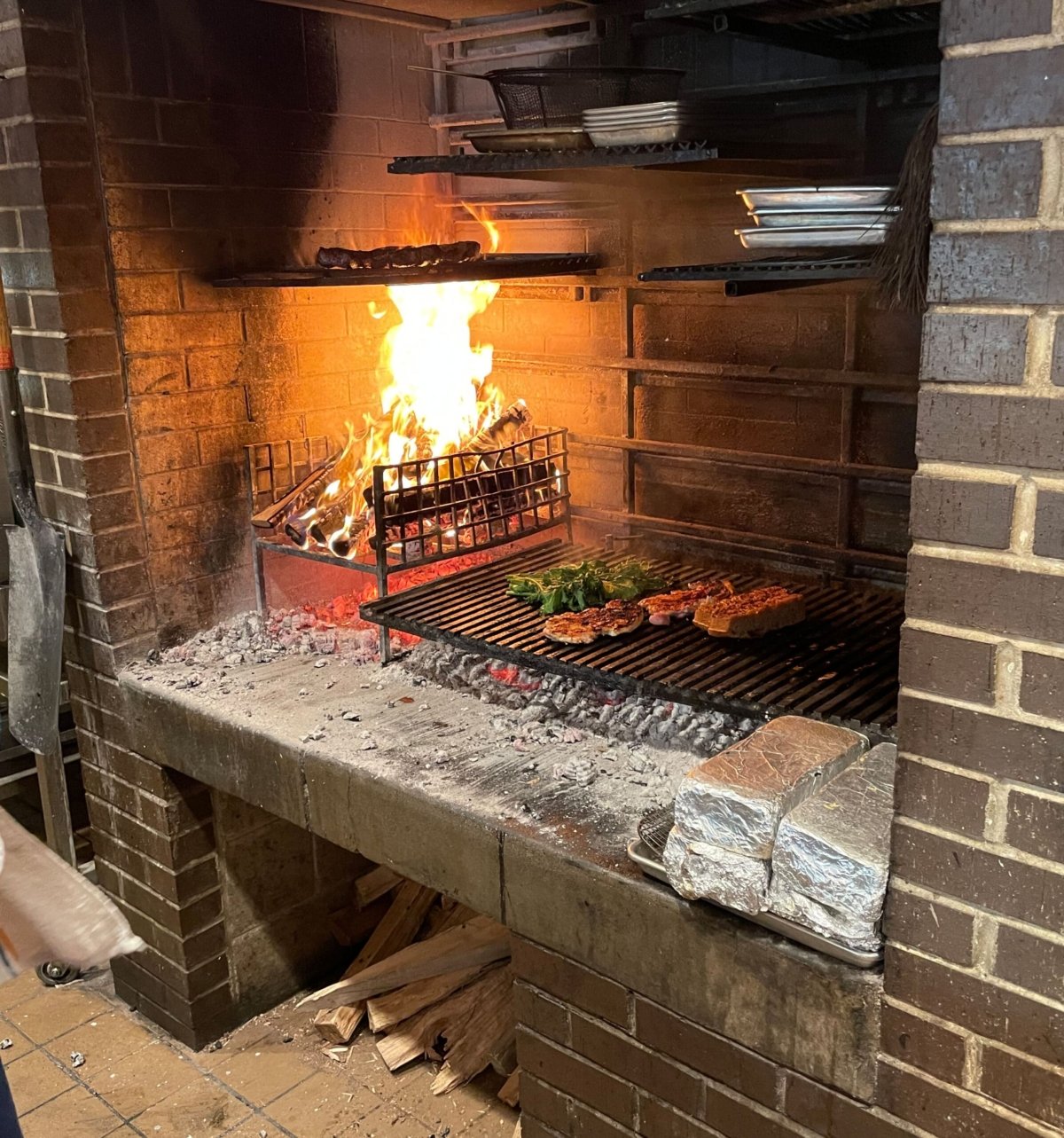
Seasoning your smoker protects it from rust and adds flavor. Light a small fire inside and let it burn for 1-2 hours. Use hardwood for best results. This process coats the metal and prepares the smoker for cooking. Repeat seasoning if the smoker has been unused for a long time.
Credit: amazingribs.com

Credit: www.youtube.com
Frequently Asked Questions
How Do I Clean My Smoker Before Winter Storage?
Clean the smoker by removing ash, grease, and food residue. Use mild soap and warm water. Dry thoroughly to prevent rust.
Should I Cover My Smoker During Winter Storage?
Yes, cover your smoker with a weatherproof cover. This protects it from moisture, dust, and harsh winter elements.
Where Is The Best Place To Store A Smoker In Winter?
Store your smoker in a dry, sheltered place like a garage or shed. Avoid damp or unventilated areas to prevent rust.
Do I Need To Disconnect Propane Before Storing?
Always disconnect the propane tank before storing your smoker. This ensures safety and prevents gas leaks during winter.
Conclusion
Storing your smoker properly keeps it safe through winter months. Clean it well to remove grease and ash. Cover the smoker tightly to block rain and snow. Store it in a dry place, away from wind. Check on your smoker occasionally during storage.
This care helps your smoker last many seasons. Ready for great BBQ when warm weather returns. Simple steps make a big difference in smoker care. Enjoy your smoking season with a well-kept grill!

