
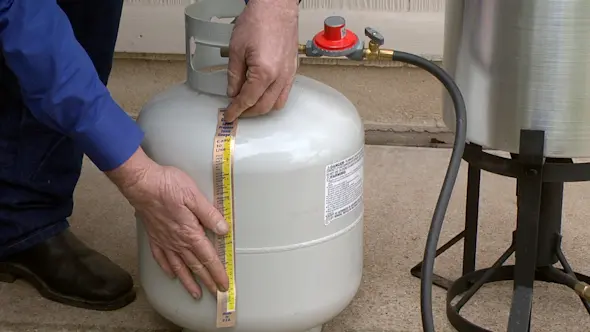
Do you ever wonder how much propane you have left in your tank? Running out unexpectedly can be frustrating, especially when you need it most.
Knowing how to check your propane tank level is easier than you think. With just a few simple steps, you can avoid surprises and keep your appliances running smoothly. Keep reading, and you’ll learn quick, reliable ways to check your propane tank so you’re always prepared.
Types Of Propane Tanks
Understanding the different types of propane tanks can help you manage your fuel supply more effectively. Whether you need a tank for a grill or for home heating, knowing what’s available makes a difference. Let’s look at the main categories and what sets them apart.
Portable Vs. Stationary Tanks
Portable propane tanks are designed for mobility. You can easily take them to a campsite, use them with a portable grill, or connect them to a small appliance. These tanks are usually smaller, making them convenient for short-term or on-the-go use.
Stationary tanks stay put. They are often installed at homes or businesses and connected to heating systems or large appliances. These tanks can hold more propane and require professional installation, but they offer a steady supply without the hassle of refilling frequently.
Think about your needs: Do you want something you can carry around, or a tank that stays in one place to power your home? This choice impacts how you check your propane level and maintain your tank.
Common Sizes And Capacities
Propane tanks come in various sizes to fit different needs. Portable tanks usually range from 5 to 20 pounds, perfect for small grills and heaters.
| Tank Size | Capacity (Gallons) | Typical Use |
|---|---|---|
| 5 lb | 1.2 | Small grills, camping stoves |
| 20 lb | 4.7 | Standard grills, patio heaters |
| 100 lb | 23.6 | Home appliances, backup generators |
| 500 to 1,000+ lb | 120 to 240+ | Home heating, large commercial use |
Choosing the right size helps you avoid running out of propane unexpectedly. If you’ve ever had your grill go cold mid-cookout, you know how inconvenient that can be. A larger tank might not be portable, but it offers peace of mind for longer use.

Credit: www.amazon.com
Signs Of Low Propane
Knowing the signs of low propane helps avoid sudden outages. Propane tanks do not always show clear readings. Watching for changes in your appliances and warning signs can save time and trouble. These indicators point to when your propane supply is running low.
Appliance Performance Changes
Appliances using propane may act differently as fuel runs low. Flames on stoves or heaters might become weak or uneven. Water heaters may take longer to heat water. Gas grills can struggle to maintain heat. These changes mean less propane is reaching the appliance. Pay close attention to any drop in performance.
Warning Indicators
Some signs signal low propane before complete emptying. Propane tanks often have a gauge; check it regularly. A gauge showing near empty means refill soon. Strange odors near the tank can hint at leaks or low pressure. The pilot light on appliances may flicker or go out. These warnings help prevent unexpected propane loss.
Manual Methods To Check Levels
Checking your propane tank level manually can be straightforward and surprisingly accurate without the need for expensive gadgets. These hands-on methods give you a quick sense of how much propane you have left so you can plan refills and avoid running out unexpectedly. Let’s look at two reliable manual ways you can try at home.
Hot Water Test
This simple test uses hot water to help you find the propane level inside your tank. Pour hot water slowly down the side of the tank and then place your hand on the surface.
You’ll feel a noticeable temperature difference where the propane ends—cooler where the liquid propane is and warmer above it. This happens because propane absorbs heat, making that section of the tank feel cooler to the touch.
Try doing this test in a quiet spot without wind to feel the temperature change clearly. Have you ever noticed how a metal bottle feels different when filled versus empty? This test works on the same principle.
Weight Measurement
Weighing your propane tank can give you a precise idea of how much fuel remains. You’ll need a sturdy scale that can support the tank’s weight safely.
First, check the tare weight (empty tank weight) stamped on the tank collar. Then, place the tank on the scale and subtract the tare weight from the total weight. The result is the weight of the propane inside.
For example, if your tank weighs 30 pounds on the scale and the tare weight is 17 pounds, you have about 13 pounds of propane left. Knowing your tank’s full capacity can help you convert this weight into gallons or liters easily. Have you tried weighing your tank before, or does this sound like a new approach?
Credit: www.amazon.com
Using Gauge Tools
Using gauge tools is one of the most straightforward ways to check your propane tank level. These tools give you a clear reading without guesswork, helping you avoid unexpected empty tanks. Understanding the types of gauges available will make your propane management much easier.
Built-in Tank Gauges
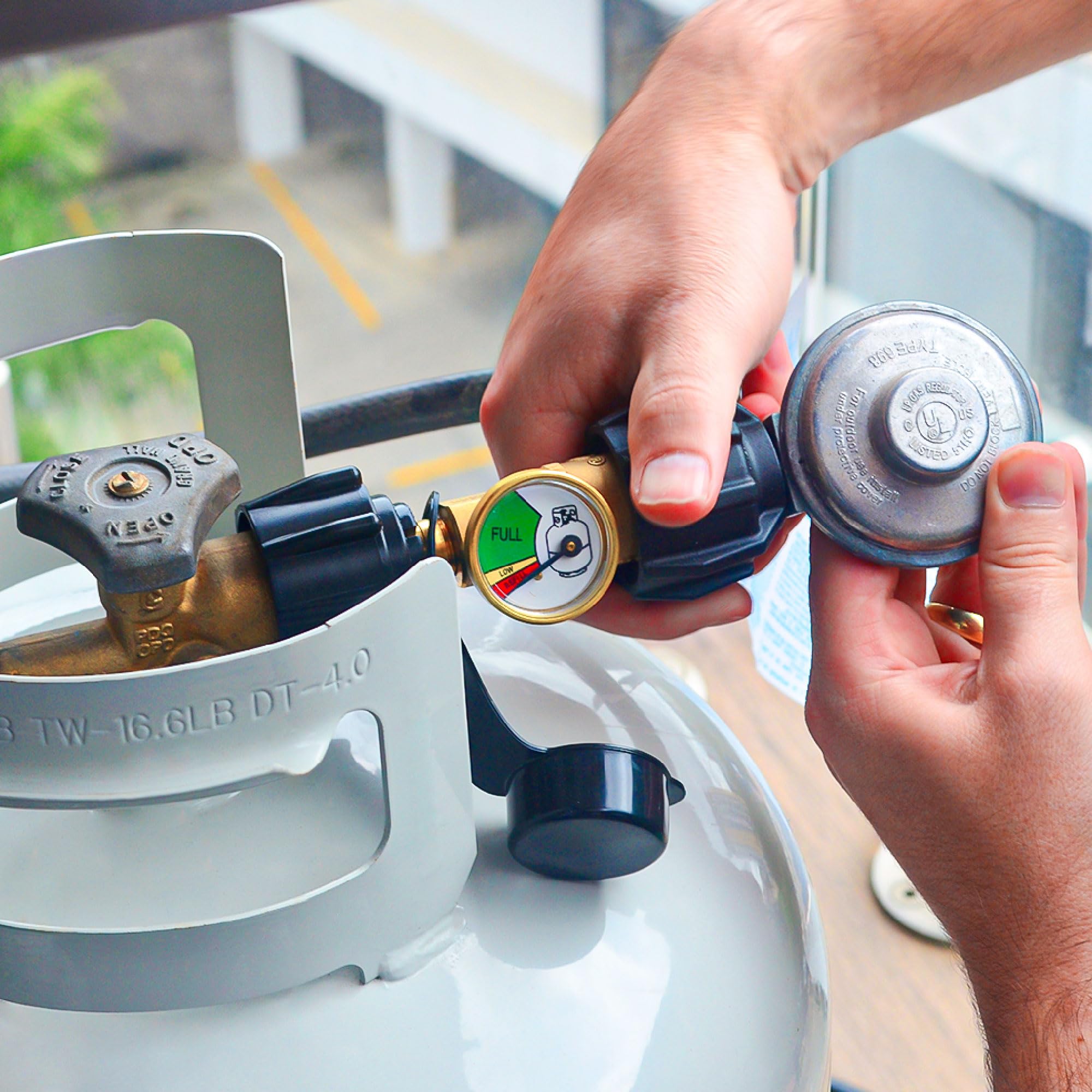
Many propane tanks come with built-in gauges right on the valve. These gauges usually have a needle that points to a color-coded dial, indicating if your tank is full, half-full, or low.
It’s simple to read: green means you have plenty of propane, yellow signals caution, and red means it’s time to refill. However, built-in gauges can sometimes be inaccurate due to temperature changes or wear over time.
Have you ever relied on a built-in gauge only to find your tank empty sooner than expected? That’s why it’s smart to combine this with other checking methods for better accuracy.
External Pressure Gauges
External pressure gauges attach to your propane tank and measure the pressure inside it. This pressure correlates to the amount of propane left, giving you a precise reading.
These gauges often have digital or analog displays and can be moved between tanks easily. They are especially useful if your tank doesn’t have a built-in gauge or if you want a more reliable measurement.
One tip is to check the gauge when the tank is at room temperature for the most accurate reading. Have you considered using an external gauge to save yourself from surprise tank swaps?
Electronic Monitoring Systems
Electronic monitoring systems provide a modern way to check propane tank levels. They offer accurate readings without manual checks. These systems help prevent running out of propane unexpectedly. Easy to install and use, they bring convenience to homeowners and businesses.
Smart Tank Sensors
Smart tank sensors attach directly to the propane tank. They measure the propane level continuously. These sensors use wireless technology to send data. No need to climb or guess the tank’s status. They work in various weather conditions. Some models include alerts for low propane levels. This feature helps plan refills on time.
Mobile App Integration
Many electronic monitoring systems connect with mobile apps. The apps display real-time propane levels on your phone. Users get notifications about tank status and usage. This allows checking propane levels from anywhere. The app also tracks historical data for better usage insights. It simplifies propane management and saves time.
Safety Tips When Checking
Checking your propane tank level is a routine task that requires careful attention to safety. Handling propane improperly can lead to serious hazards, including leaks or explosions. Paying close attention to safety tips ensures you protect yourself, your home, and those around you while keeping your tank in good condition.
Handling Propane Safely
Always make sure the area around your propane tank is well-ventilated. Propane is heavier than air and can collect in low spots, creating dangerous pockets. Avoid smoking, open flames, or sparks near the tank during the check.
Wear protective gloves and eyewear to guard against accidental contact with cold propane or debris. Never force connections or fittings; if something feels stuck, inspect it instead of applying extra pressure. Remember, propane tanks are pressurized containers—treat them with respect.
Have a fire extinguisher rated for flammable gases nearby. In case you detect the smell of gas or hear a hissing sound, leave the area immediately and call a professional. Your senses are your first line of defense.
Avoiding Common Mistakes
Don’t rely solely on the gauge if your tank has one; they can be inaccurate or stuck. Instead, use a propane tank scale or the hot water method for a better estimate. Pour warm water down the side of the tank, then feel for a cool spot—that’s where the propane level ends.
Never use open flames or matches to check for leaks. This common mistake can have catastrophic consequences. Use soapy water on connections instead; bubbles will indicate a leak safely.
Be cautious about overfilling your tank. Overfilled tanks can cause excessive pressure and increase risk. Know the recommended fill level and stick to it. Have you ever thought about how much pressure your tank can handle before it becomes unsafe?
When To Refill Or Replace
Propane tanks need refilling when levels drop below 20%. Replace tanks if they show rust, dents, or leaks for safety. Regular checks prevent running out during use.
When to refill or replace your propane tank is crucial for safety. Knowing the right time prevents disruptions and ensures efficiency. Regular checks keep your home running smoothly. Let’s explore when to refill or replace your propane tank.Scheduling Refills
Regular refills avoid running out of propane unexpectedly. Monitor your usage patterns to predict when refills are needed. Set reminders for checking your tank’s level. This helps maintain a steady propane supply. During colder months, usage may increase. Consider scheduling refills more often. Keep an eye on the gauge to determine propane levels. A proactive approach prevents sudden shortages.Recognizing Tank Wear
Inspect your tank for signs of wear and tear. Rust, dents, or leaks indicate it’s time for a replacement. A damaged tank poses safety risks. Regular visual checks help spot issues early. Listen for unusual noises or gas smells. These can signal a problem with your tank. Ensure fittings and connections are secure. A well-maintained tank lasts longer and operates safely. Replace tanks that are damaged or past their expiration date. This ensures your propane system remains safe and efficient.
Credit: www.gasbottleswimbledon.com
Frequently Asked Questions
How Do I Check My Propane Tank Level Safely?
To check propane safely, use a gauge or hot water method. Avoid flames or sparks near the tank. Always wear gloves and ensure the area is well-ventilated for safety.
What Tools Help Measure Propane Tank Levels Accurately?
A propane tank gauge or a digital meter provides the most accurate level readings. These tools are easy to install and give precise tank status.
Can I Use Hot Water To Check Propane Levels?
Yes, pouring hot water on the tank helps identify the propane level by feeling temperature differences. The tank feels cool where propane is present.
How Often Should I Check My Propane Tank Level?
Check your propane tank level monthly or before heavy usage. Regular checks prevent unexpected outages and ensure continuous supply.
Conclusion
Checking your propane tank level helps avoid running out unexpectedly. Use simple methods like the gauge, hot water test, or scale. Regular checks keep your appliances working smoothly and safely. Knowing your tank level saves time and stress. Stay prepared by checking often, especially before heavy use.
Keep your home warm and your cooking on track. It’s a small step with big benefits.

