
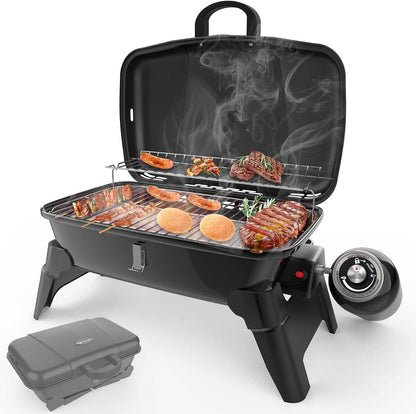
Are you ready to take your outdoor cooking to the next level? A compact gas grill is the perfect tool to make delicious meals quickly and easily, whether you’re in your backyard, at a picnic, or camping.
But if you’ve never used one before, it can feel a bit tricky to get started. Don’t worry—this guide will show you exactly how to use your compact gas grill like a pro. By the end, you’ll know how to set it up, cook safely, and get the best flavor from your food every time.
Keep reading to unlock the secrets of effortless grilling!
Choosing The Right Compact Gas Grill
Choosing the right compact gas grill makes outdoor cooking easier and more fun. This decision affects how well you cook and how much space you need. A good grill fits your needs and lifestyle perfectly. Think about your cooking style and where you want to use the grill.
Key Features To Consider
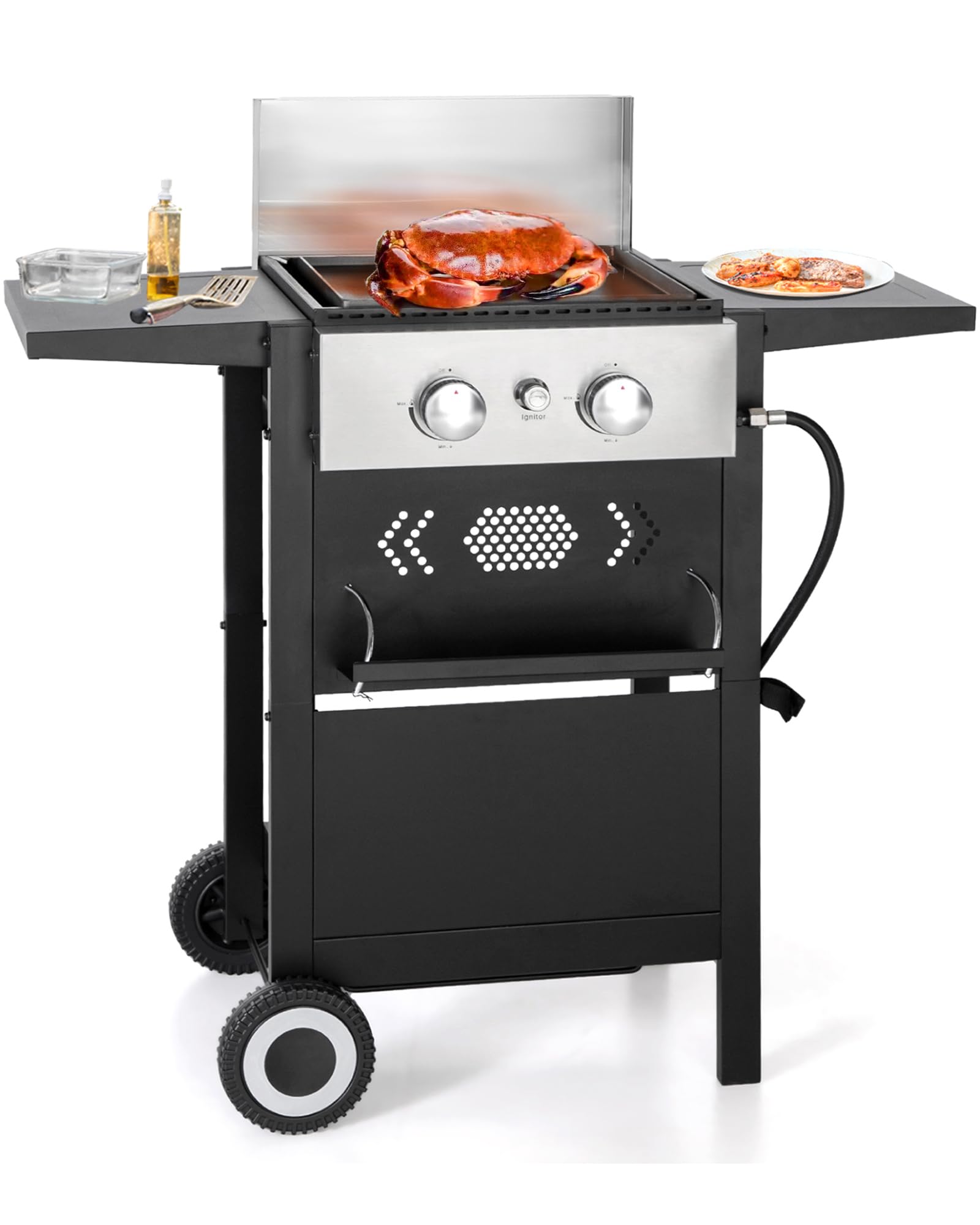
Look for grills with strong burners that heat evenly. A reliable ignition system helps start the grill quickly. Check for easy-to-clean surfaces and removable drip trays. Extra features like side shelves and temperature gauges add value. Durable materials resist rust and last longer.
Size And Portability
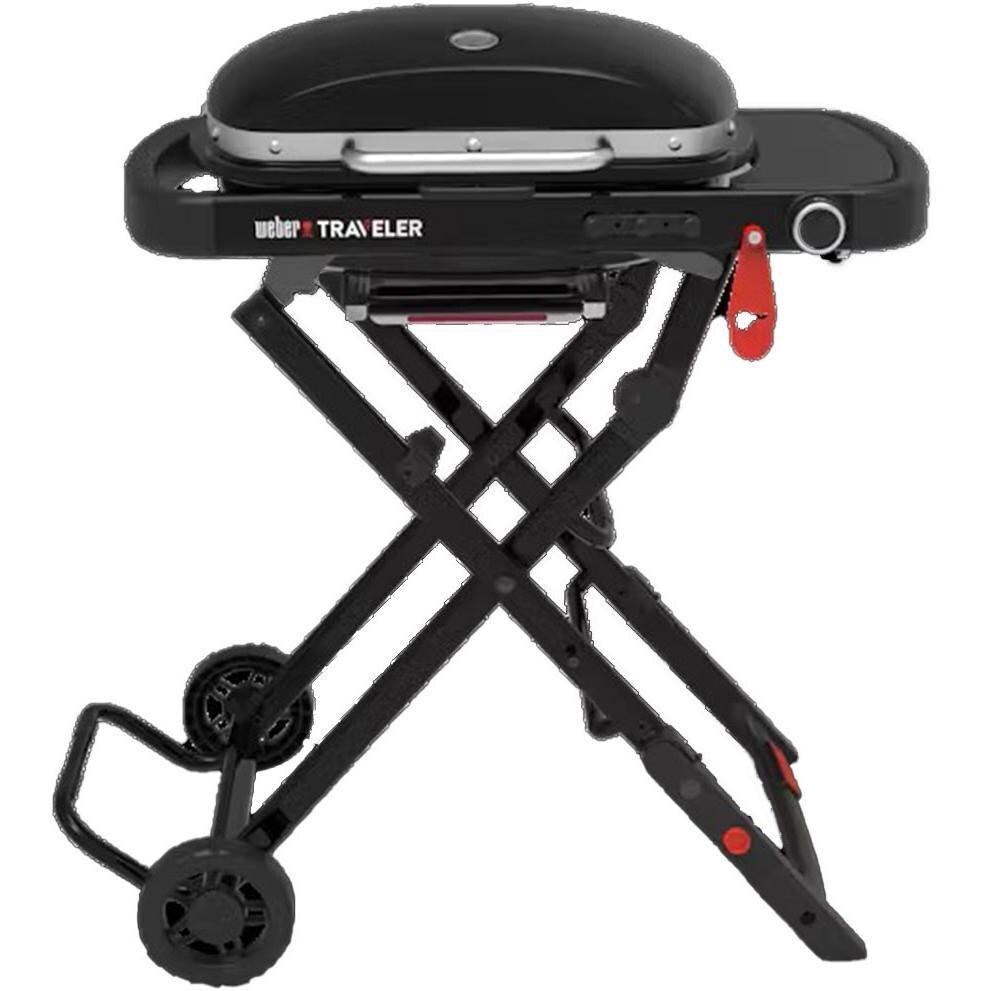
Size matters for space and storage. Choose a grill that fits your patio or balcony. Compact grills should be light enough to move easily. Wheels or handles help with transport. Consider how many people you usually cook for when picking size.
Fuel Efficiency
Fuel efficiency saves money and reduces refills. Look for grills that use propane or natural gas wisely. Smaller burners often use less fuel but still cook well. Sealed burners keep heat inside for better cooking. Efficient grills heat up faster and cook food evenly.
)
Credit: www.bbqguys.com
Setting Up Your Grill Safely
Setting up your compact gas grill safely is crucial to enjoy a great grilling experience without any hazards. Taking the time to prepare your grill properly not only protects you and those around you but also extends the life of your equipment. Let’s dive into some key steps to get your grill ready for action with safety in mind.
Proper Placement
Choose a flat, stable surface outdoors for your grill. Avoid placing it near flammable materials like wooden decks, dry leaves, or curtains. Remember, grills need plenty of space around them—at least 10 feet from buildings or overhangs—to prevent fire risks.
Think about wind direction too. Position your grill so smoke and flames blow away from seating areas and your home’s windows. This small adjustment makes your cooking experience more pleasant and safer.
Connecting The Gas Tank
Before attaching the gas tank, make sure the grill’s control knobs are turned off. Use a wrench or your hands to securely connect the hose to the tank’s valve, ensuring a snug fit without forcing it. A loose connection can cause dangerous gas leaks.
If you’re using a new tank, remove the protective cap carefully. Always open the tank valve slowly to control the gas flow. This cautious approach helps you spot any issues before lighting the grill.
Checking For Leaks
Never skip the leak test before lighting your grill. Mix a small amount of dish soap with water and apply it to the hose and connections using a brush or spray bottle. Turn on the gas (without lighting the grill) and watch for bubbles—these indicate leaks.
If you see bubbles, tighten the connections and test again. Don’t use your grill until the leak is fixed. Your safety depends on catching these leaks early, so take this step seriously every time you set up.
Preparing For Grilling
Preparing your compact gas grill properly sets the stage for a successful cooking session. Taking a few moments before you start cooking can save you from uneven heat, stuck food, and frustrating cleanups later. Let’s dive into key tasks that ensure your grill is ready to deliver tasty results every time.
Preheating The Grill
Preheating is essential for even cooking and searing your food perfectly. Turn on your grill and let it heat up for about 10 to 15 minutes. You want the grates to be hot enough that food sizzles immediately when placed on them.
Have you ever noticed food sticking or cooking unevenly? That’s often because the grill wasn’t hot enough. Preheating also helps burn off any leftover residue, making cleaning easier.
Cleaning The Grates
Clean grates mean better flavor and less chance of flare-ups. Use a sturdy grill brush to scrape off any stuck-on bits from previous grilling sessions. If your grill hasn’t been used in a while, a quick wipe with a damp cloth after brushing can help remove dust or debris.
Consider oiling the grates lightly after cleaning to prevent sticking. This small step can make flipping burgers or veggies much smoother. What’s your go-to method for keeping grill grates spotless?
Selecting The Right Tools
Having the right tools ready makes grilling easier and safer. A good pair of tongs, a spatula, and a grill brush are must-haves. For compact grills, choose tools that are not too bulky to keep your workspace manageable.
Think about heat-resistant gloves to protect your hands and a meat thermometer to check doneness precisely. What tools have you found indispensable for your grilling routine?
Credit: www.amazon.ca
Grilling Techniques For Compact Grills
Compact gas grills heat up quickly and cook food evenly with direct flames. Adjust heat zones for different foods and use a lid to trap heat and flavors. Keep grill grates clean to prevent sticking and enhance taste.
Grilling Techniques for Compact Grills Compact gas grills offer unique advantages. They are easy to store and quick to heat. Their smaller size can be a bit tricky for grilling. With the right techniques, you can achieve great results. Here are some tips to improve your grilling experience.Direct Vs Indirect Heat
Direct heat is ideal for searing. Place food directly over the flame. This method is perfect for steaks and burgers. Indirect heat cooks food slower. Place food away from the flame. This method is great for larger cuts of meat. Knowing when to use each method is key.Managing Temperature Zones
Compact grills have limited space. Creating temperature zones is essential. Use one side for high heat. Keep the other side cooler. This allows more control over cooking. Move food between zones as needed. This ensures precise cooking.Tips For Even Cooking
Ensure even cooking with these tips. Preheat the grill for consistent temperature. Space food evenly on the grill. Avoid overcrowding. Flip food regularly for even exposure. Use a meat thermometer for accuracy. This prevents undercooking or overcooking.Recipes Suited For Compact Grills
Compact gas grills open up a world of cooking possibilities, but choosing the right recipes can make all the difference. Smaller cooking surfaces mean you need meals that cook quickly and fit comfortably without overcrowding. You want dishes that bring out big flavors without demanding too much space or time.
Quick Weeknight Meals
Quick meals are perfect for compact grills because they save time and avoid crowding the grill surface. Think about grilling chicken breasts, shrimp skewers, or thin-cut steaks. These cook fast and fit easily on a small grill.
Try marinating chicken breasts in a simple mix of olive oil, lemon juice, garlic, and herbs for 20 minutes. Then grill each side for about 5-6 minutes. You’ll get juicy, flavorful meat without fuss.
Consider using foil packets for vegetables or fish. They keep things tidy and help cook evenly without flare-ups. Have you tried grilling shrimp with a quick garlic butter glaze? It takes just 4 minutes and tastes amazing.
Vegetarian Options
Vegetables shine on compact grills because they cook quickly and fit well in smaller spaces. Peppers, zucchini, mushrooms, and asparagus all grill nicely without slipping through grates. You can also use a grill basket for smaller veggies like cherry tomatoes or chopped onions.
One favorite is grilled portobello mushrooms. Brush them with balsamic vinegar and olive oil, then grill for 5-7 minutes per side. They turn juicy and meaty, perfect as a main or a burger substitute.
Grilled corn on the cob is another easy, crowd-pleasing option. Wrap it in foil with butter and spices, and it cooks in about 15 minutes. Have you experimented with halloumi cheese? It grills beautifully and adds a tasty twist to your vegetarian lineup.
Grilled Desserts
Grilling isn’t just for savory dishes. Desserts can benefit from that smoky, caramelized flavor too. Fruits like peaches, pineapples, and bananas grill quickly and bring out a rich sweetness.
Try slicing peaches in half, brushing with honey, and grilling cut side down for 3-4 minutes. Serve with a scoop of vanilla ice cream for an easy, impressive dessert.
Banana boats are another fun option. Slice a banana lengthwise (leave the peel on), stuff with chocolate chips and mini marshmallows, wrap in foil, and heat on the grill for 5-7 minutes. What simple dessert could you transform with a bit of grill magic?
Maintaining Your Gas Grill
Maintaining your compact gas grill is key to ensuring it lasts for many grilling seasons. Regular upkeep not only keeps your grill looking good but also helps it perform at its best. You’ll save money and avoid frustrating breakdowns by investing a little time in maintenance.
Regular Cleaning Routine
After each grilling session, clean the grates while they’re still warm. Use a grill brush to scrape off any stuck-on food bits—this prevents buildup that can affect heat distribution.
Every few weeks, give your grill a deeper clean. Remove the grates and burner protectors, then wash them with warm soapy water. Don’t forget to clear out the drip pan to avoid flare-ups.
Inspecting Parts
Check your grill’s components regularly for signs of wear. Look at the burners to ensure the flames are even and blue—yellow or uneven flames signal clogged ports.
Examine hoses and connections for cracks or leaks. A simple soap and water test can help spot leaks—bubbles will form if gas escapes. Replacing damaged parts early keeps your grill safe and reliable.
Storage Tips
If you’re not using your grill for a while, store it in a dry, sheltered area. Cover it with a breathable grill cover to protect against dust and moisture without trapping condensation.
Disconnect the propane tank during extended storage to avoid leaks and rust buildup. Consider moving your grill indoors during harsh winter months if possible.
Credit: www.temu.com
Frequently Asked Questions
How Do I Light A Compact Gas Grill Safely?
To light a compact gas grill, open the lid first. Turn on the gas supply, then ignite the burner using the ignition button or a lighter. Always follow the manufacturer’s safety instructions to prevent gas leaks or flare-ups.
What’s The Best Way To Clean A Compact Gas Grill?
Clean your grill after every use by brushing grates with a grill brush. Wipe down surfaces with a damp cloth. Empty the drip tray regularly to avoid grease buildup and maintain efficient grilling.
How Do I Control The Temperature On A Compact Gas Grill?
Adjust the burner knobs to control the flame intensity. Use low heat for slow cooking and high heat for searing. Close the lid to maintain even heat and improve cooking performance.
Can I Use A Compact Gas Grill Indoors?
No, compact gas grills are designed for outdoor use only. Using them indoors can cause dangerous gas buildup and carbon monoxide poisoning. Always grill in a well-ventilated outdoor area.
Conclusion
Using a compact gas grill makes cooking outdoors simple and fun. It heats up quickly and fits in small spaces. Clean it after each use to keep it working well. Always check the gas connection for safety. Try different foods to enjoy new flavors.
With practice, grilling becomes easier and more enjoyable. Take your compact grill on trips or use it at home. Cooking outside brings friends and family together. Small grill, big taste. Give it a try today.

