
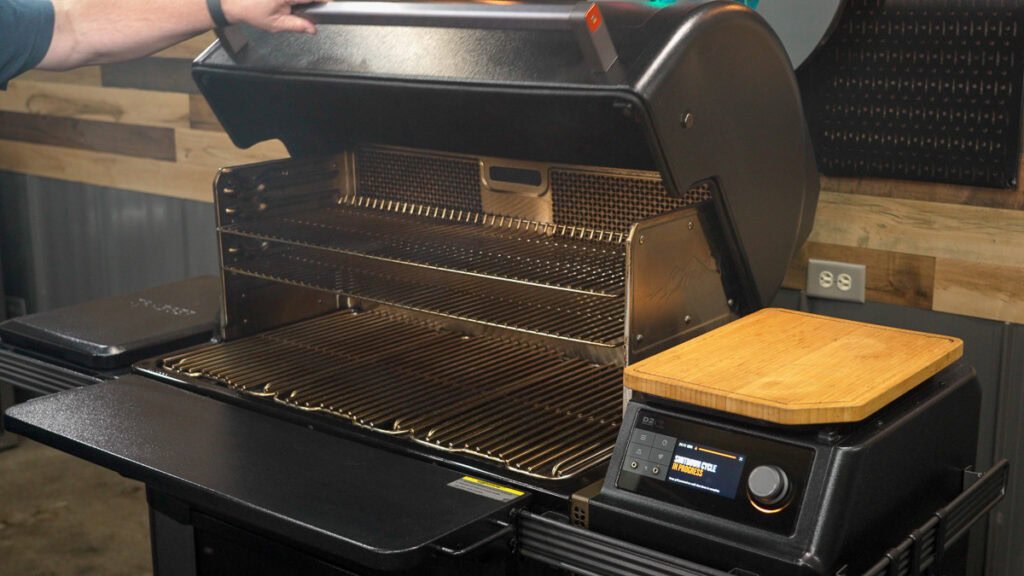
You just finished a delicious BBQ, and your smoker helped create those amazing flavors. But now, the real work begins—cleaning your smoker.
If you want it to last longer and work better every time, you need to clean it properly. In this guide, you’ll learn simple, effective steps to get your smoker spotless without wasting time or effort. Keep reading, and you’ll discover how easy it is to protect your investment and enjoy perfect BBQ sessions again and again.

Credit: www.smokedbbqsource.com
Tools Needed For Cleaning
Cleaning your smoker after a BBQ is easier with the right tools. Proper tools save time and effort. They help keep the smoker in good condition for the next use. Gather these items before starting your cleaning process.
Essential Brushes And Scrapers
- Wire grill brush: Removes stuck-on food from grates.
- Stiff bristle brush: Cleans smoker walls and racks.
- Scraper tool: Scrapes off tough grease and residue.
- Putty knife or plastic scraper: Gentle on surfaces, avoids damage.
Cleaning Solutions And Supplies
- Mild dish soap: Cuts grease without harming smoker parts.
- Warm water: Helps loosen dirt and grime.
- Baking soda: Natural cleaner for stubborn stains.
- White vinegar: Removes smoke residue and odors.
- Spray bottle: Easy application of cleaning solutions.
- Microfiber cloths or sponges: Soft cleaning without scratching.
Protective Gear
- Heat-resistant gloves: Protect hands from hot surfaces.
- Safety goggles: Guard eyes from splashes.
- Apron or old clothes: Keep clothes clean and safe.
- Face mask: Avoid inhaling dust or cleaning fumes.

Credit: www.smokedbbqsource.com
When To Clean Your Smoker
Knowing when to clean your smoker keeps it working well. Regular cleaning stops buildup that can affect flavor and performance. A good cleaning routine protects your investment and ensures tasty results every time.
After Every Use
Clean your smoker after each BBQ session. Remove ashes and leftover charcoal once it cools down. Wipe down cooking grates with a wire brush to clear food bits. This stops rust and keeps smoke flowing evenly. Empty grease trays to avoid flare-ups and bad smells.
Deep Cleaning Schedule
Perform a deep clean every few months or after heavy use. Take out all removable parts like grates and drip pans. Soak them in warm soapy water to remove grease and residue. Scrape inside walls to clear built-up soot and grease. Check and clean air vents for proper airflow. Inspect seals and replace if worn out to keep smoke tight.
Step-by-step Cleaning Process
Cleaning your smoker after a BBQ is essential to keep it working well. A clean smoker improves flavor and lasts longer. Follow these easy steps to clean your smoker properly. Each step helps remove leftover food and grease safely.
Cooling Down The Smoker
Let the smoker cool down completely before cleaning. Hot surfaces can cause burns or damage. Wait at least one hour after cooking. Make sure all coals and flames are out. This step keeps you safe and protects the smoker.
Removing Ash And Debris
Empty ash and leftover charcoal from the smoker. Use a metal scoop or brush to remove ashes. Dispose of the ashes in a metal container. Check the bottom and corners for hidden debris. Removing ash helps air flow and prevents rust.
Scrubbing Grates And Racks
Take out the cooking grates and racks carefully. Use a stiff wire brush to scrub off food bits. For tough spots, soak grates in warm soapy water. Rinse well and dry completely before placing back. Clean grates stop old food from affecting taste.
Cleaning The Interior Walls
Use a scraper or brush to remove grease and soot inside. Wipe the walls with a damp cloth or sponge. For heavy grease, mix water with mild dish soap. Avoid harsh chemicals that can damage the smoker. Keep the interior clean to prevent smoke flavors from changing.
Wiping Down The Exterior
Wipe the outside of the smoker with a soft cloth. Use warm water and mild soap to remove dirt and grease. Dry the surface to avoid rust and water spots. Regular exterior cleaning keeps your smoker looking good and lasting longer.
Dealing With Tough Grease And Residue
Tough grease and residue on smokers need strong cleaning tools and heat. Scrape off leftover bits, then use warm soapy water to remove stubborn grime. Let the smoker dry fully before the next use to avoid rust.
Cleaning your smoker after a BBQ can sometimes feel like tackling a monster, especially when faced with tough grease and residue. These stubborn remnants are more than just unsightly—they can impact the flavor of future BBQs and even damage your smoker over time. But don’t worry; with a little effort and the right tools, you can make your smoker shine again, ready for the next grilling adventure. Let’s dive into how you can deal with that pesky grime effectively.Using Degreasers Safely
Degreasers are a popular choice for cutting through thick grease. But safety should always come first. – Always read the instructions on the label. Some degreasers require dilution. – Use gloves to protect your skin from harsh chemicals. – Ensure good ventilation by cleaning outdoors or in a well-ventilated space. Consider using a brush with sturdy bristles to scrub away residues. A little elbow grease can go a long way in restoring your smoker’s glory.Natural Cleaning Alternatives
If you prefer a more eco-friendly approach, natural alternatives can be just as effective. A mixture of vinegar and water can break down grease without the need for harsh chemicals. Add a few tablespoons of baking soda for added power. This combination not only cleans but also deodorizes, leaving your smoker fresh for your next BBQ session. Lemon juice is another natural cleaner that works wonders. Its acidity helps in breaking down tough residues. Plus, it leaves a pleasant scent behind. Trying these natural methods might make you wonder why you didn’t switch sooner. They are safe, effective, and kind to the environment. Have you tried any of these methods before, or do you have your own secret weapon against BBQ grime? Share your experiences and tips below!Maintaining Your Smoker For Longevity
Maintaining your smoker after a BBQ is key to making it last for years. A well-cared-for smoker not only performs better but also saves you money on repairs or replacements. Taking a little time to clean and inspect it regularly keeps your next cookout smooth and enjoyable.
Seasoning The Smoker
Seasoning your smoker after cleaning helps protect it from rust and keeps the cooking surface non-stick. After washing, apply a thin coat of cooking oil to the interior walls and grates while the smoker is still warm. This process fills in tiny pores in the metal, creating a protective layer.
Ask yourself: Have you noticed your smoker’s paint chipping or rust spots? Seasoning can prevent that. It also improves flavor by building up a natural, smoky coating over time.
Regular Inspections And Repairs
Frequent checks can catch small problems before they turn into costly repairs. Look for cracks in seals, rust on metal parts, and loose bolts or screws. These are easy to fix but often overlooked.
Keep a checklist handy and inspect your smoker every few uses. Tighten any loose parts and replace worn-out gaskets promptly. This helps maintain temperature control and smoke circulation, ensuring consistent cooking results.
Quick Tips For Easy Cleaning
Cleaning your smoker doesn’t have to be a dreaded chore. With the right habits and a few smart tricks, you can keep your smoker in great shape without spending hours scrubbing. These quick tips will help you maintain a clean cooker, so every BBQ session ends on a high note.
Preventive Measures During Cooking
Keeping your smoker cleaner starts while you’re cooking. Use a water pan inside the smoker to catch drippings, which prevents grease buildup on the bottom. This simple addition makes cleanup easier and also helps maintain moist cooking conditions.
Line your grates with aluminum foil or use grill mats to catch food particles. This reduces sticky residue and saves you from tough scrubbing later. You can even spray the grates with a little oil before cooking to prevent food from sticking.
Think about how you handle your wood chips or chunks. Soak them beforehand to reduce excessive smoke and residue. Have you noticed how some smokers get messier than others? This small step can make a big difference.
Cleaning Shortcuts
Right after cooking, while your smoker is still warm, use a grill brush to scrape off leftover food. It’s easier to clean off residue before it hardens. Keep a dedicated brush handy just for this purpose.
Use a damp cloth or sponge with warm soapy water to wipe down accessible surfaces quickly. Focus on the grates, lid, and inside walls. Avoid harsh chemicals that can leave harmful residues on your cooking surfaces.
Empty out ash and debris regularly. If you wait too long, it will compact and become harder to remove. Consider keeping a small shop vacuum nearby for quick ash removal.
Have you tried using natural cleaning agents like vinegar or baking soda? They work well for breaking down grease without damaging your smoker’s finish.

Credit: www.smokedbbqsource.com
Frequently Asked Questions
How Often Should I Clean My Smoker After Bbq?
Clean your smoker after every use to prevent grease buildup. Regular cleaning maintains flavor and extends your smoker’s lifespan. A quick wipe and ash removal after each BBQ ensure optimal performance and hygiene.
What Tools Are Best For Cleaning A Smoker?
Use a stiff wire brush, scraper, and cloth for cleaning. Avoid harsh chemicals; instead, use warm water and mild soap. These tools effectively remove residue without damaging the smoker’s surface.
Can I Use Soap To Clean My Smoker?
Yes, mild soap is safe for cleaning your smoker’s grates. Avoid strong detergents that can leave harmful residues. Rinse thoroughly with water to ensure no soap remains.
How Do I Remove Grease Buildup In A Smoker?
Scrape off grease with a metal spatula or scraper. Use warm soapy water and a brush to clean the surfaces. Regular cleaning prevents dangerous grease fires during future BBQs.
Conclusion
Cleaning your smoker after BBQ keeps it ready for the next cook. Regular cleaning stops rust and bad smells. Use simple tools and safe cleaners to make the job easy. Take your time to remove grease and ash. Keep the smoker covered when not in use.
This small effort saves money and improves taste. Enjoy fresh, smoky flavors every time you grill. Your smoker will last longer and work better. A clean smoker means better BBQ moments ahead.

