
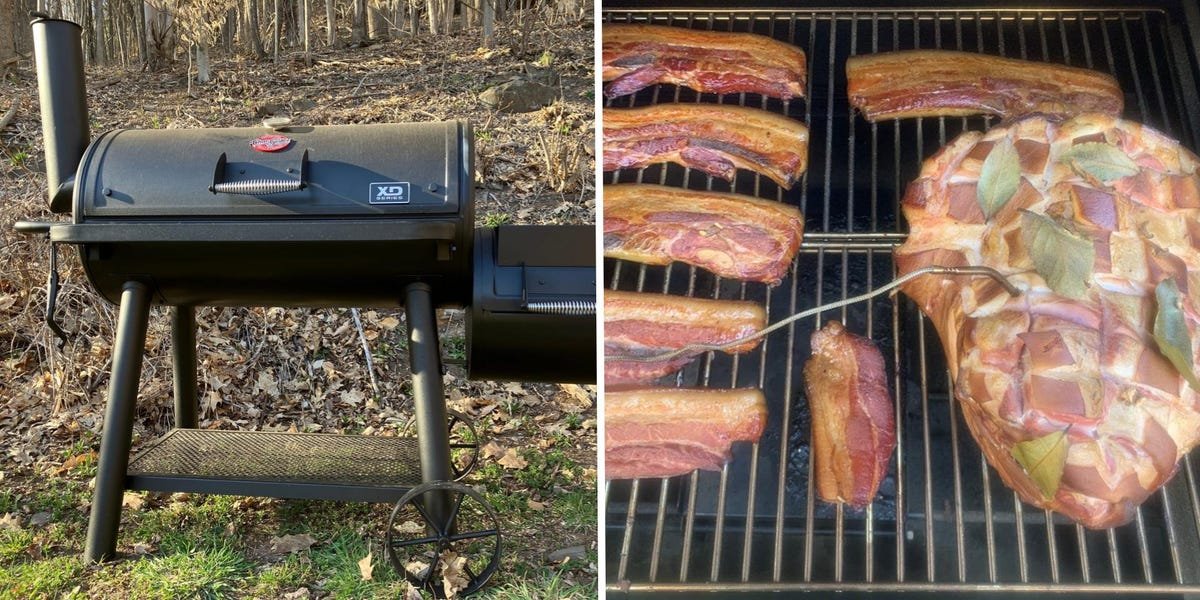
You’ve invested in a high-end smoker because you want the best flavors and perfect cooking every time. But keeping it in top shape takes more than just occasional use.
If you want your smoker to last longer and work flawlessly, you need the right care and maintenance. In this guide, you’ll discover simple, practical steps to keep your smoker running like new. Stick with me, and you’ll enjoy mouth-watering results every time you fire it up.
Ready to get started? Let’s dive in!
Choosing The Right Smoker
Choosing the right smoker sets the foundation for your smoking experience. It affects not only the flavor and texture of your food but also how easy it is to maintain your equipment. Picking a high-end smoker means investing in quality, but understanding the options can help you make a smart choice that fits your cooking style and space.
Types Of High-end Smokers
High-end smokers come in several types, each designed for different cooking techniques and preferences.
- Electric Smokers:These offer precise temperature control and convenience. They’re great if you want consistent results without constant attention.
- Charcoal Smokers:Known for delivering authentic smoky flavors, these require more skill to manage heat but reward you with rich taste.
- Pellet Smokers:Using wood pellets, these combine convenience with smoky flavor. They often come with digital controllers for easy temperature management.
- Gas Smokers:Powered by propane or natural gas, they heat quickly and maintain steady temperatures but may lack the deep smoky aroma of charcoal or wood smokers.
Ask yourself: How much hands-on control do you want? Your answer will narrow down the best smoker type for you.
Materials And Build Quality
The materials used in a smoker impact its durability and heat retention. Stainless steel models resist rust and last longer, especially if you live in humid areas.
Cast iron smokers hold heat well but need more maintenance to prevent rust. Thick steel smokers provide excellent heat retention but can be heavy and harder to move.
Look for features like porcelain-coated grates or insulated walls that improve cooking consistency and make cleaning easier. It’s worth investing in a smoker built to last if you want to avoid frequent repairs or replacements.
Size And Capacity Considerations
Think about how much food you usually smoke. A compact smoker suits small gatherings or solo cooks, while larger smokers handle big batches for parties or meal prepping.
Keep in mind the space where you’ll keep and use your smoker. A bulky unit might not fit well on a small patio or balcony.
Also, consider portability if you plan to take your smoker to tailgates or camping trips. Balancing capacity with convenience ensures your smoker fits your lifestyle perfectly.
Credit: www.businessinsider.com
Initial Setup And Seasoning
Setting up a high-end smoker correctly ensures better cooking results and longer equipment life. The initial setup and seasoning prepare the smoker for use and remove any factory residues. This process helps build a protective coating inside the smoker that enhances flavor and prevents rust. Taking time with this step pays off with better performance and durability.
Cleaning Before First Use
Start by removing all packaging materials from the smoker. Wipe down the interior and exterior surfaces with a damp cloth. Avoid using soap or harsh chemicals. Check the smoker for any loose parts or debris from manufacturing. Clean grates and racks with warm water to remove dust. Ensure all vents and dampers are free from blockages. This basic cleaning removes oils and residues that affect flavor.
Seasoning The Smoker
Seasoning creates a protective layer inside the smoker. It also helps remove any remaining factory oils. Begin by coating the interior surfaces with a thin layer of cooking oil. Use a high smoke point oil like vegetable or canola oil. Light a small fire or use charcoal to heat the smoker slowly. Maintain a temperature around 225°F (107°C) for 2 to 3 hours. Let the smoke circulate inside to build the seasoning layer. Repeat this process if needed for better results.
Essential Tools And Accessories
Having the right tools makes setup and maintenance easier. A few essentials include:
- Heat-resistant gloves for safe handling
- Wire brushes to clean grates
- Oil spray bottle for seasoning
- Thermometer to monitor temperature
- Scraper for removing residue
- Charcoal or wood chips for smoking
Keep these tools handy to maintain your smoker’s performance. They help keep your smoker clean and ready for every cook.
Routine Cleaning Practices
High-end smokers require regular cleaning to function well. Routine cleaning keeps them efficient and extends their life. It also ensures that every cookout delivers great flavors. Here are some essential cleaning practices to maintain your smoker.
Daily Cleaning Tips
Perform a quick clean after each use. This prevents buildup and keeps your smoker ready for the next session. Wipe down the exterior with a damp cloth to remove any grease or residue. Ensure the vents are open to allow any moisture to escape. This helps prevent rust.
Removing Ash And Grease
Ash and grease can impact your smoker’s performance. Use a small brush to sweep ash into a dustpan. Dispose of ash in a metal container. Grease can accumulate in trays or drip pans. Empty these regularly. Use a mild detergent to clean them, then rinse thoroughly.
Maintaining Grates And Racks
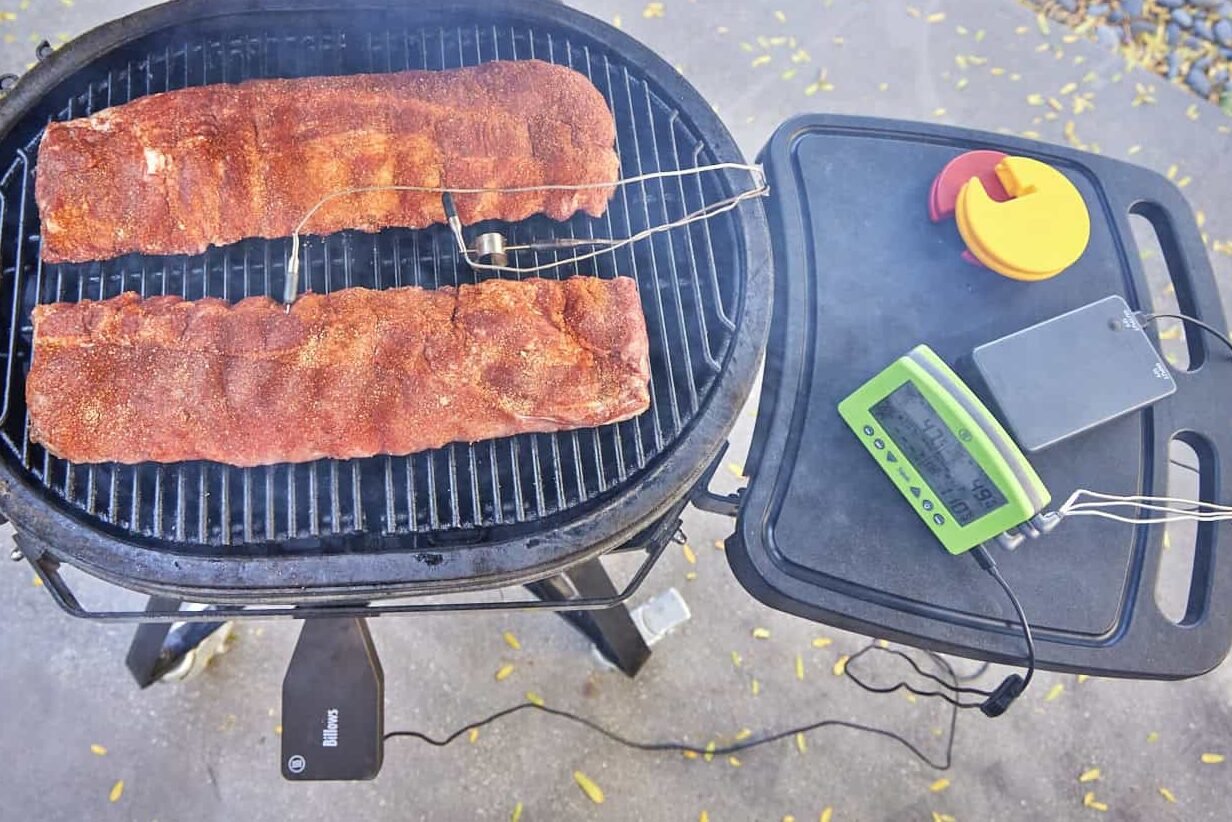
Grates and racks need regular attention to prevent food sticking. After cooking, let them cool slightly. Use a grill brush to remove any food residue. For a deeper clean, soak them in warm soapy water. Rinse and dry completely before storing back in the smoker.
Credit: blog.thermoworks.com
Preventing Rust And Corrosion
Rust and corrosion can silently damage your high-end smoker, reducing its lifespan and performance. Taking simple but consistent steps to prevent these issues can save you time and money. Let’s look at practical ways you can keep your smoker in top shape, starting with how you store it.
Proper Storage Methods
Storing your smoker in a dry, well-ventilated area is essential. Avoid leaving it outside exposed to rain or snow, as moisture accelerates rust formation.
If indoor storage isn’t an option, consider using a covered patio or garage. Elevate the smoker slightly off the ground using bricks or a stand to prevent contact with damp surfaces.
Have you checked your storage space lately for signs of moisture buildup? Even small leaks or condensation can cause corrosion over time.
Using Protective Covers
A quality cover designed specifically for smokers acts as a shield against weather elements. Look for covers made from heavy-duty, waterproof materials with breathable fabrics to prevent trapped moisture.
Make sure the cover fits snugly without leaving gaps where water or dirt can enter. Secure it properly with straps or ties to keep it from blowing away on windy days.
After a long day of smoking, covering your equipment is a small step that makes a big difference. How often do you remember to cover your smoker after use?
Applying Rust Inhibitors
Applying rust inhibitors or protective sprays can add an extra layer of defense. Products containing silicone or wax-based formulas work well to repel moisture and prevent oxidation.
Before applying, clean the smoker’s surface thoroughly to remove any dirt or existing rust. Regular reapplication, especially before the rainy season, keeps your smoker protected.
Have you tried using rust inhibitors on your smoker? Many users notice a significant reduction in corrosion with just a few simple treatments each year.
Maintaining Temperature Control
Maintaining precise temperature control is essential for getting the best results from your high-end smoker. Temperature fluctuations can ruin even the most carefully prepared meat, so keeping it steady is key. Understanding how to manage your smoker’s components will help you achieve consistent heat and perfect smoky flavors every time.
Calibrating Thermometers
Your smoker’s thermometer is your best friend in maintaining temperature control. Over time, these devices can lose accuracy, leading you to cook at the wrong temperature without realizing it.
Test your thermometer by placing it in boiling water (212°F or 100°C at sea level) and checking the reading. If it’s off, adjust it according to the manufacturer’s instructions or consider replacing it. Remember, even a small error can cause big differences in cooking results.
Inspecting Seals And Gaskets
Seals and gaskets keep heat and smoke inside your smoker where they belong. Damaged or worn-out seals let heat escape, causing temperature drops that force you to overcompensate with more fuel.
Check seals for cracks, brittleness, or gaps regularly. Replace any compromised parts promptly to maintain a tight seal and avoid frustrating temperature swings.
Adjusting Air Vents
Air vents control oxygen flow, which directly affects the burn rate of your fuel and the smoker’s temperature. Too much air speeds up the fire, raising the temperature, while too little air cools it down.
Learn how your smoker responds to vent adjustments by experimenting during shorter cooks. Small changes can have a big impact, so adjust incrementally and watch the thermometer closely. What’s your smoker’s sweet spot for vent settings?
Troubleshooting Common Issues
High-end smokers deliver great flavor but need regular care. Troubleshooting common issues keeps them running smoothly. Problems like uneven heat, smoke leaks, or ignition troubles can spoil your cooking. Knowing how to fix these helps maintain consistent results and extends your smoker’s life.
Uneven Heat Distribution
Uneven heat can cause some parts of food to cook faster. Check the placement of heat sources and vents. Clean ash or grease buildup that blocks airflow. Use a good quality thermometer to monitor temperatures in different spots. Rotate food during cooking to balance heat exposure.
Smoke Leakage Problems
Smoke leaks reduce flavor and waste fuel. Inspect seals, door gaskets, and joints for cracks or gaps. Replace worn-out seals to keep smoke inside. Tighten loose screws and bolts on doors and lids. Use high-temperature silicone to seal small leaks. Ensure vents close properly during cooking.
Ignition And Fuel Concerns
Problems starting the smoker affect cooking time. Clean the ignition system regularly to remove soot and dirt. Check fuel supply for blockages or low levels. Use dry, high-quality wood or charcoal for steady heat. Keep backup fuel ready to avoid interruptions. Follow manufacturer guidelines for fuel types and amounts.
Long-term Care Tips
Maintaining a high-end smoker ensures it performs well for many years. Long-term care keeps your smoker safe, efficient, and ready to use. This section offers essential tips to preserve your investment and enjoy tasty meals every time.
Seasonal Maintenance Routines
Perform deep cleaning at least once every season. Remove ash and leftover food debris after each use. Check for rust or paint chips on the smoker’s surface. Apply a heat-resistant paint if you find damage. Clean the interior walls with a wire brush to remove buildup. Oil the hinges and handles to prevent rusting. Store the smoker under a cover or inside during bad weather. Proper storage protects it from moisture and dirt.
Replacing Worn Parts
Inspect seals, gaskets, and thermometers regularly. These parts wear out over time and affect performance. Replace them promptly to maintain temperature control. Use manufacturer-approved parts for the best fit and durability. Check the grill grates for cracks or warping. Swap out damaged grates to ensure even cooking. Keep extra fire bricks or heat deflectors on hand. Replace these if they crack to protect the smoker’s walls.
When To Seek Professional Help
Call a professional if smoke leaks persist despite repairs. Electrical or digital control issues require expert attention. Professionals can service complex parts like motors and fans. Seek help if you notice unusual smells or excessive smoke. Regular inspections by a technician can extend your smoker’s life. Do not attempt repairs beyond your skill level. Proper servicing prevents costly damage and keeps your smoker safe.
Credit: www.businessinsider.com
Frequently Asked Questions
How Often Should I Clean My High-end Smoker?
Clean your high-end smoker after every use. Remove ash and grease to prevent buildup. Regular cleaning ensures optimal flavor and longevity.
What Is The Best Way To Season A New Smoker?
Season your smoker by applying oil to the interior surfaces. Heat it gradually for a few hours. This process protects against rust and improves cooking performance.
How Do I Prevent Rust On My Smoker?
Keep your smoker dry and covered when not in use. Apply a heat-resistant paint or oil coating to metal parts. Regular maintenance prevents rust and extends lifespan.
Can I Use Any Wood Type For Smoking?
Use hardwoods like hickory, oak, or apple for best flavor. Avoid softwoods with resin, such as pine, which cause unpleasant tastes and harmful smoke.
Conclusion
Maintaining a high-end smoker keeps it working well for years. Clean it after each use to avoid buildup and rust. Check seals and parts often to prevent leaks and damage. Use quality wood and avoid harsh chemicals for better flavor.
Store the smoker in a dry place to protect it from weather. Small efforts add up to big savings on repairs. Enjoy better tasting food with a well-kept smoker. Simple care makes your smoking experience easier and more fun. Keep these tips in mind for lasting results.

