
Have you ever been cooking on your portable grill when suddenly flames flare up, ruining your food and causing a stressful mess? You’re not alone, and the good news is you can stop flare-ups before they start.
Imagine grilling your favorite meals with perfect control, no unexpected fires, and delicious results every time. You’ll discover simple, effective tips to keep your portable grill safe and your cooking smooth. Keep reading to make your next grilling experience hassle-free and enjoyable!

Credit: www.napoleon.com
Causes Of Grill Flare-ups
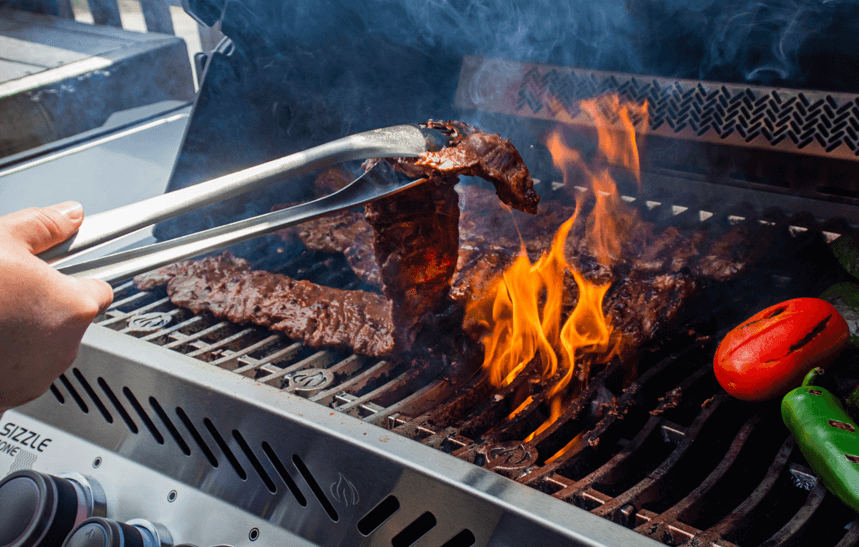
Grill flare-ups happen when fat or juices hit the hot grill surface. They cause sudden flames that can burn food and create uneven cooking. Knowing what triggers flare-ups helps keep grilling safe and tasty. Understanding different causes lets you manage heat and food better.
Common Triggers
- Fat drippings falling onto hot coals or burners
- Grease buildup inside the grill
- Cooking very fatty meats without trimming excess fat
- High grill temperatures causing faster fat ignition
- Using sugary sauces that drip and burn quickly
Types Of Fats And Oils
Different fats burn differently on a grill. Animal fats like beef and pork drip more and cause bigger flames. Chicken and fish fats produce smaller flare-ups. Oils with low smoke points ignite easily, causing quick flames. Choosing lean cuts and stable oils helps reduce flare-ups.
Grill Design Factors
- Grills with poor grease drainage collect fat, causing fires
- Open-flame grills tend to flare up more than gas grills
- Grills with heat shields or flame tamers reduce flare-ups
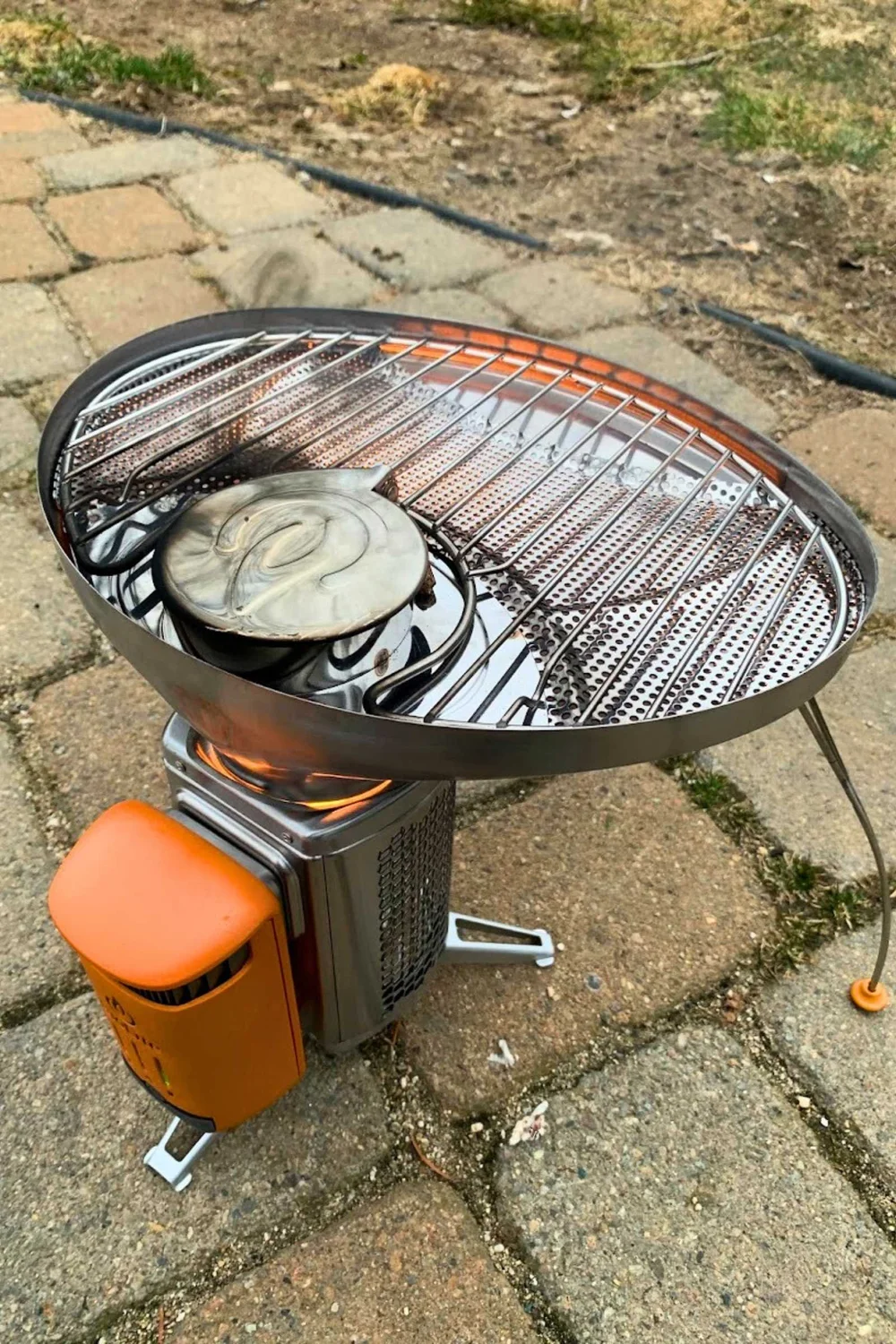
- Small portable grills heat quickly, increasing flare risk
- Grill grate type affects how fat drops and burns
Credit: www.treelinereview.com
Choosing The Right Grill Tools
Choosing the right grill tools helps control flare-ups on a portable grill. Long-handled tongs and spatulas keep hands safe from sudden flames. Tools made of heat-resistant materials prevent burns and make grilling easier.
Choosing the right grill tools can make a world of difference in preventing flare-ups on your portable grill. The right equipment not only enhances your grilling experience but also ensures safety and efficiency. Investing in high-quality tools can save you from frustrating flare-ups that can ruin your perfectly planned barbecue.Essential Accessories
When it comes to essential grill accessories, a sturdy pair of tongs and a spatula are non-negotiable. They allow you to turn and move food with precision, reducing the risk of fat dripping onto the flames and causing flare-ups. Opt for tools with long handles to keep your hands safe from the heat. A grill brush is another must-have tool. Keeping your grill grates clean prevents grease buildup, which is a common cause of flare-ups. Regular cleaning with a brush after each use can significantly reduce this risk. Invest in a meat thermometer. Ensuring your meat is cooked to the right temperature not only improves taste but also prevents overcooking, which can lead to juices dripping onto the flames.Maintenance Equipment
Having the right maintenance equipment is crucial in extending the life of your grill and preventing flare-ups. Consider having a drip pan to catch excess grease and fat that might otherwise cause a fire. A fire extinguisher should always be within reach when you’re grilling. It’s better to be safe than sorry, and having one can give you peace of mind. Regularly inspect your grill for any signs of wear and tear. Replace worn-out parts promptly to avoid any potential hazards. Are you checking your grill before each use? Taking a few minutes to ensure everything is in working order can prevent unexpected flare-ups and ensure a safe grilling experience.Preparing The Grill Safely
Preparing the grill safely is key to avoiding flare-ups and cooking hazards. A clean and well-maintained grill controls heat and prevents grease fires. Proper setup reduces risks and improves grilling results. Focus on two main areas: cleaning before use and managing fuel correctly.
Cleaning Before Use
Start by removing leftover grease and food bits. Use a grill brush to scrub the grates well. Clean grates prevent old fat from catching fire. Wipe the drip pan to avoid grease buildup. Check vents for blockages to ensure airflow. A clean grill means safer and even cooking.
Proper Fuel Management
Use the right amount of charcoal or propane for your grill size. Overfilling can cause excess flames. Avoid using too much lighter fluid; it creates flare-ups. Store fuel away from heat and open flames. Always follow the manufacturer’s fuel guidelines. Proper fuel use controls heat and reduces fire risks.
Food Preparation Techniques
Proper food preparation is key to preventing flare-ups on a portable grill. The right techniques reduce fat drips and uneven cooking. Preparing your food well keeps the grill cleaner and safer.
Focus on trimming fat, marinating smartly, and spacing food properly. These simple steps help control flames and improve grilling results.
Trimming Excess Fat
Cut away large fat pieces from meat before grilling. Fat drips cause flare-ups and burn food. Trim close to the meat but keep some for flavor. This reduces sudden flames and smoke.
Marinating Tips
Use marinades that do not contain too much oil or sugar. Oil and sugar can drip and ignite flames. Marinate meat in the fridge for at least 30 minutes. Pat the food dry before placing it on the grill. This keeps flare-ups low and flavors intact.
Avoiding Overcrowding
Leave space between pieces of food on the grill. Crowding traps heat and fat, causing flare-ups. It also stops even cooking. Arrange food in a single layer with gaps for air to flow. Turn food carefully to keep heat balanced.
Grilling Strategies To Minimize Flare-ups
Flare-ups can turn a perfect grilling session into a frustrating mess. They happen when fat and juices drip onto the heat source, causing sudden flames that char your food and create uneven cooking. Knowing how to manage heat and grease on your portable grill can keep flare-ups in check and improve your grilling experience.
Temperature Control
Keeping your grill temperature steady is key to avoiding flare-ups. High heat causes fat to ignite quickly, while too low heat might leave food undercooked. Aim for medium heat to maintain control and reduce sudden flames.
Use your grill’s built-in thermometer or a handheld one to monitor the temperature closely. Adjust vents or knobs gradually instead of making big changes that can cause spikes. Have you noticed how a small adjustment can stabilize the fire instantly?
Using Indirect Heat
Setting up your grill for indirect heat means placing the food away from the direct flames. This method lets your food cook slowly without fat dripping directly onto the heat source. It’s especially useful for thicker cuts or fatty meats prone to flare-ups.
You can create a two-zone fire by piling coals on one side or turning on burners on only one side of a gas grill. Then, place your food on the cooler side. This simple shift helps you avoid sudden bursts of flame while still cooking evenly.
Managing Grease Drippings
Grease buildup is a major cause of flare-ups. Clean your grill grates and grease trays regularly to prevent fat from accumulating. A quick wipe before and after grilling can make a big difference.
Try trimming excess fat from meats before grilling to reduce dripping. Also, consider using a drip pan to catch juices before they reach the heat source. Have you ever noticed how a clean grill leads to calmer flames and tastier food?
Emergency Flare-up Control
Emergency flare-ups can happen quickly on a portable grill. Knowing how to control them fast keeps you safe and protects your food. Staying calm and acting immediately lowers risks and stops the fire from spreading.
Proper flare-up control helps avoid burns and damage to your grill. It also keeps your cooking smooth and enjoyable, even when flames get out of hand.
Quick Response Actions
- Close the grill lid to cut oxygen supply.
- Move food away from the flames carefully.
- Turn down the heat or shut off the gas.
- Keep a spray bottle of water nearby for small flare-ups.
- Do not use water on grease fires to avoid spreading flames.
Safe Flare-up Suppression Methods
- Use baking soda to smother small grease fires.
- Have a fire extinguisher rated for grease fires close by.
- A wet cloth can block flames but use with caution.
- Remove excess fat or oil from food before grilling.
- Clean grill surfaces often to prevent grease buildup.
Post-grilling Care
Post-grilling care plays a crucial role in preventing flare-ups on your portable grill. Handling your grill properly after cooking not only extends its life but also ensures safer and more efficient use next time. Paying attention to cleanup and storage can save you from unexpected flames and messy grills.
Cleaning The Grill
Cleaning your grill right after it cools down helps remove leftover grease and food particles that can ignite during your next cookout. Use a grill brush to scrub the grates thoroughly; if you notice stubborn residue, a mixture of warm water and mild dish soap can work wonders.
Don’t forget to empty the grease tray regularly. Grease buildup is a common cause of flare-ups. By keeping this area clear, you reduce the risk of sudden flames.
Have you ever experienced a flare-up that ruined your perfectly cooked meal? Taking just a few minutes to clean your grill after each use can prevent this frustration entirely.
Storage Tips
Storing your grill properly protects it from the elements and prevents grease from becoming sticky or rancid, which can cause flare-ups. Choose a dry, covered spot or invest in a grill cover designed for your model.
Before storing, make sure the grill is completely cool and dry. Moisture can cause rust, affecting your grill’s performance and safety.
If you store your grill indoors, place it away from flammable materials. Have you considered how proper storage might make your next grilling experience smoother and safer?
Credit: www.napoleon.com
Frequently Asked Questions
How Can I Stop Flare-ups On My Portable Grill?
To prevent flare-ups, trim excess fat from meats and cook on medium heat. Keep a spray bottle of water nearby to quickly douse flames. Clean grease buildup regularly to avoid sudden fires during grilling.
What Foods Cause Flare-ups On Portable Grills?
Fatty meats like burgers and sausages often cause flare-ups. Marinades with oil can also drip and ignite flames. Choose lean cuts or use grill pans to minimize flare-ups when cooking.
How Often Should I Clean My Portable Grill?
Clean your grill after every use. Remove grease and food residue from grates and drip trays. Regular cleaning reduces flare-ups and improves grill performance and food taste.
Is Using A Water Spray Bottle Effective For Flare-ups?
Yes, a water spray bottle helps control minor flare-ups quickly. Lightly spray flames without soaking food. This method keeps flare-ups manageable without affecting cooking temperature.
Conclusion
Preventing flare-ups keeps your grilling safe and tasty. Keep grease under control and clean the grill often. Use lean meats and trim fat before cooking. Control the heat by adjusting burners or charcoal. Stay near your grill to watch for flames.
These small steps help avoid burns and burnt food. Enjoy cooking outdoors without worry or stress. Grilling can be fun and safe with care. Try these tips to grill better every time.

