
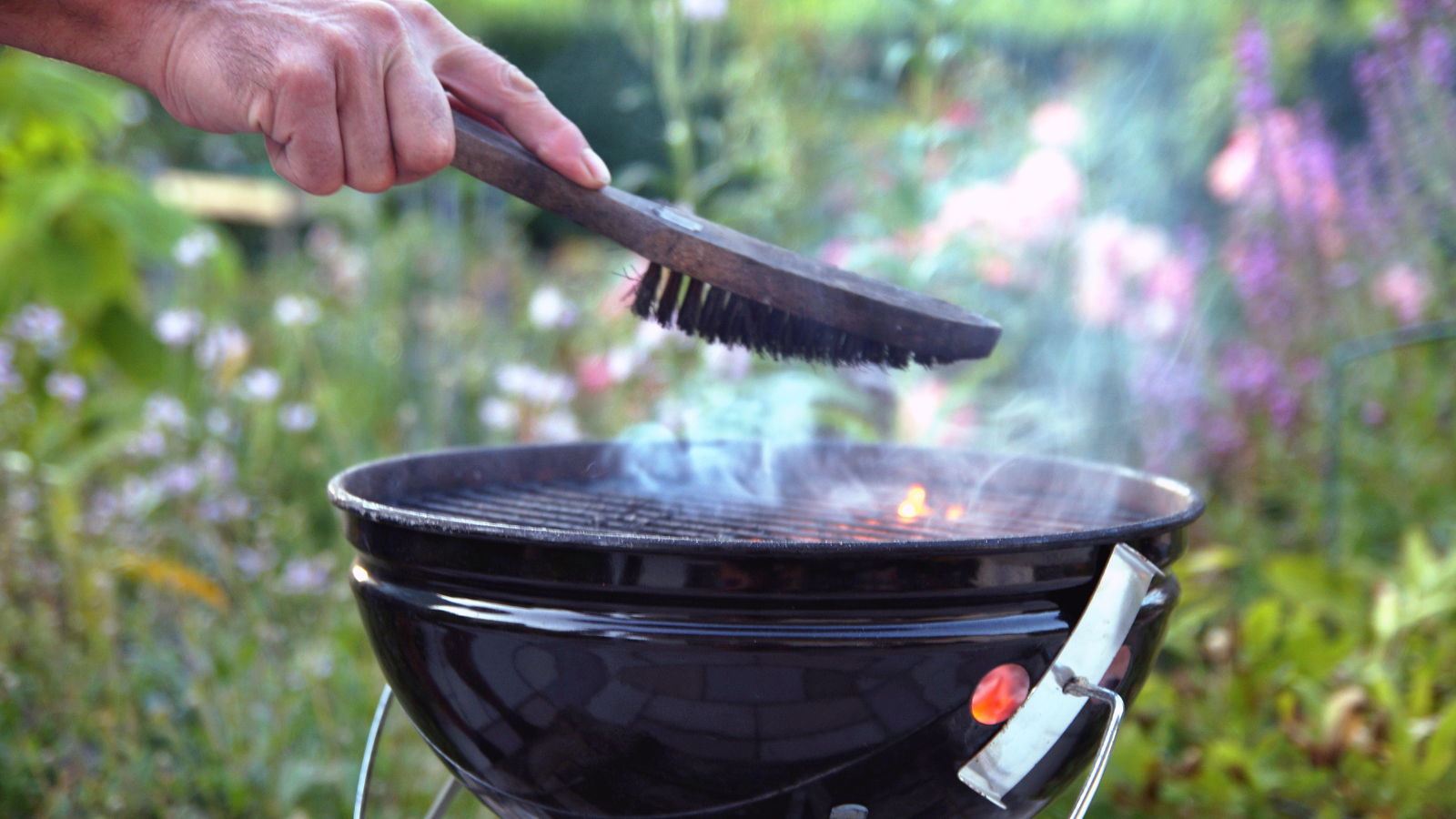
You love grilling, but are your utensils as clean as they should be? Dirty tools can ruin the taste of your food and even cause health problems.
Imagine biting into a perfectly grilled steak, only to find it tastes off because your spatula wasn’t properly cleaned. That’s frustrating, right? You’ll learn simple and effective ways to clean your grilling utensils so they stay in top shape and your meals always taste amazing.
Keep reading—your next barbecue will thank you!
Credit: themeatstick.com
Choosing The Right Cleaning Tools
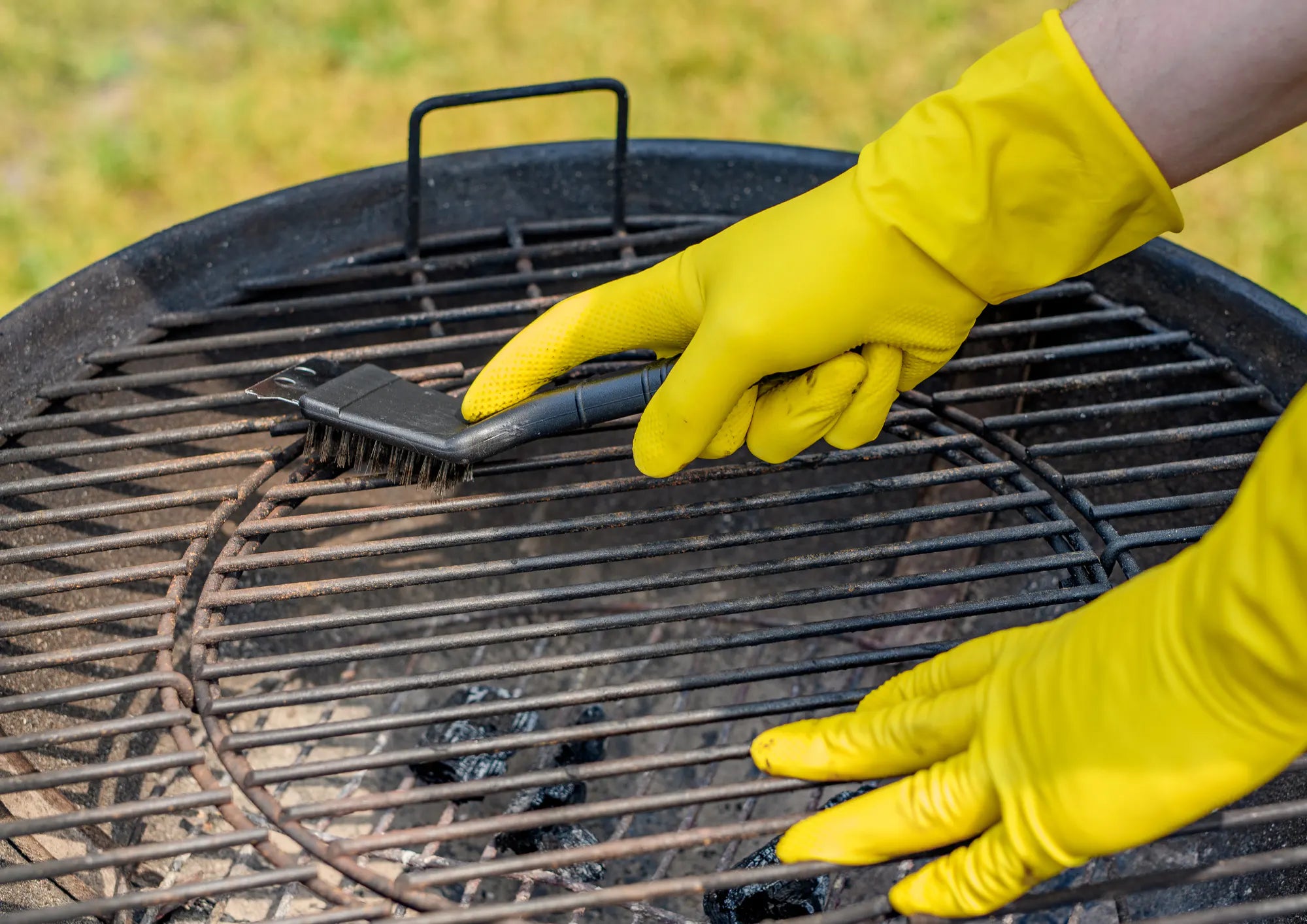
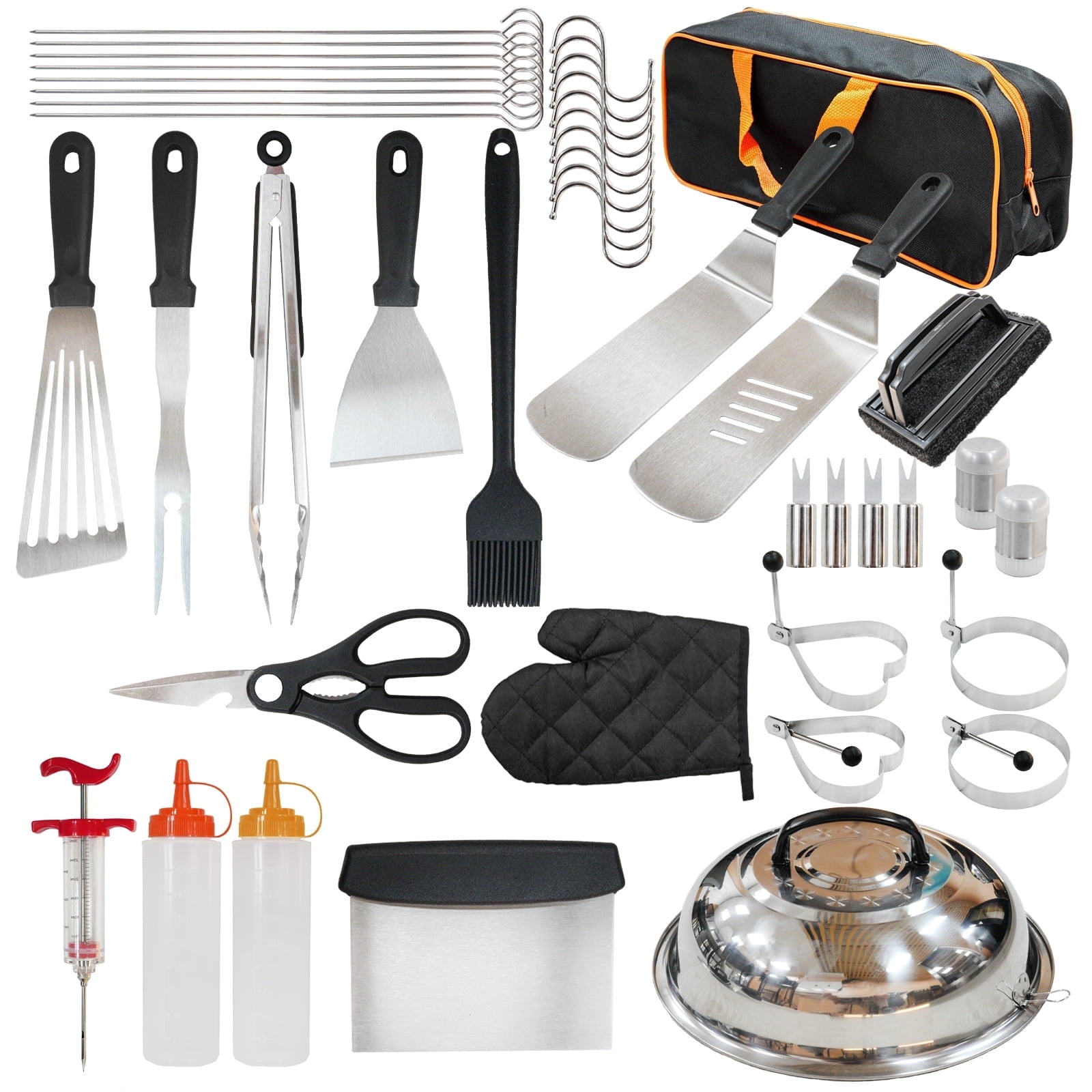
Choosing the right cleaning tools for your grilling utensils makes the job easier and faster. The right tools help remove stuck-on food and grease without damaging the utensils. Clean tools also keep your utensils safe and ready for the next barbecue. Focus on brushes, scrapers, soaps, and gloves for best results.
Brushes And Scrapers
Use a stiff-bristled brush to remove food particles. Brushes with stainless steel bristles work well on metal utensils. Scrapers help to lift tough, burnt-on residue. Plastic or metal scrapers both work, but choose one that won’t scratch your utensils. Replace worn-out brushes to keep cleaning effective.
Soaps And Cleaners
Choose a mild dish soap to clean your utensils. Avoid harsh chemicals that may leave harmful residue. Some soaps have grease-cutting formulas to remove tough stains. Use warm water with soap for best cleaning power. Rinse utensils well to remove all soap traces.
Protective Gloves
Wear gloves to protect your hands from hot water and soap. Gloves also keep your hands clean while scrubbing. Use rubber or latex gloves for a better grip. Gloves prevent skin irritation from cleaning products. Change gloves if they get torn or dirty.
Credit: www.walmart.com
Pre-cleaning Steps
Cleaning grilling utensils starts before washing. Pre-cleaning removes stuck bits and softens grime. This step makes washing easier and quicker. It also helps keep your utensils in good shape. Follow simple actions to prepare your tools for cleaning.
Removing Food Residue
First, scrape off large food bits with a spatula or brush. Use a stiff brush to loosen stuck particles. Wipe utensils with a paper towel to clear grease. Removing residue stops clogging during washing. It also prevents bad smells and stains.
Soaking Utensils
Fill a basin with warm water and dish soap. Place utensils in the water and let them soak. Soaking softens tough grease and burnt food. Leave utensils for at least 15 to 30 minutes. This step reduces scrubbing time and effort.
Cleaning Methods
Cleaning grilling utensils properly is essential to keep them in great shape and ensure food safety. Different cleaning methods suit different types of utensils and levels of grime. Choosing the right approach can save you time and effort while extending the life of your tools.
Hand Washing Techniques
Hand washing gives you full control over cleaning delicate utensils. Start by soaking your tools in warm, soapy water for a few minutes. This loosens stuck-on grease and food particles.
Use a soft sponge or brush to scrub away residue gently. Avoid abrasive materials that can scratch metal or damage wooden handles. Rinse thoroughly with clean water and dry immediately to prevent rust.
Have you noticed how soaking first makes scrubbing so much easier? It’s a simple step that many skip but it really pays off.
Using The Dishwasher
Many grilling utensils are dishwasher-safe, making cleanup quick and convenient. Place metal tools on the top rack to avoid warping from intense heat.
Check the manufacturer’s instructions to confirm if your utensils can handle dishwasher cycles. Plastic or wooden handles often don’t fare well in dishwashers and may crack or fade.
Dishwashers use high temperatures and strong detergents, so they’re great for sanitizing. However, you might still need to hand wash stubborn spots beforehand.
Natural Cleaning Alternatives
If you prefer eco-friendly options, natural cleaners work wonders on grilling utensils. A paste of baking soda and water can remove burnt-on grime without harsh chemicals.
White vinegar is another powerful cleaner that dissolves grease and kills bacteria. Simply soak utensils in a vinegar solution, then scrub and rinse.
These natural methods are gentle yet effective. Have you tried vinegar or baking soda on your grill tools? You might be surprised how well they clean.
Handling Tough Stains
Tough stains on grilling utensils need soaking in warm soapy water before scrubbing. Use a brush or steel wool to remove burnt food easily. Rinse well and dry to keep utensils clean and ready for the next barbecue.
Cleaning grilling utensils can sometimes feel like a daunting task, especially when tough stains seem impossible to remove. But fear not, because with the right techniques, even the most stubborn grime can be tackled effectively. Whether it’s grease, rust, or burnt residue, each challenge has a simple solution. Let’s dive into how you can make your grilling tools sparkle again.Dealing With Grease
Grease is often the most common culprit when it comes to stubborn stains on grilling utensils. Start by soaking your greasy tools in hot, soapy water for about 15-20 minutes. This loosens the grease and makes it easier to scrub off with a scouring pad or brush. To make sure you get every last bit, use a mixture of baking soda and water to form a paste. Apply this paste to the greasy areas and let it sit for a few minutes. Then, scrub it off with a brush—watch as the grease vanishes.Removing Rust
Rust can be a real eyesore on your beloved grilling tools. A simple yet effective solution is to use white vinegar. Submerge the rusty utensils in vinegar and let them soak overnight. After soaking, scrub the rusted areas with a steel wool pad. For stubborn rust spots, try sprinkling a bit of baking soda onto the steel wool for extra abrasion. You’ll be amazed at how your tools regain their former glory.Eliminating Burnt Residue
Burnt residue can cling tenaciously to your grilling utensils, making them look unsightly. Here’s a trick: heat the utensils over the grill for a few minutes to soften the residue. Once they’re cool enough to handle, scrape off the loosened bits with a metal scraper or putty knife. If any residue remains, create a paste using equal parts baking soda and water. Apply it to the burnt areas, let it sit for a while, and then scrub with a scouring pad. Your utensils will soon be as clean as new, ready for your next barbecue session.Drying And Storing Utensils
Drying and storing grilling utensils properly keeps them clean and ready for the next cookout. Water left on utensils can cause rust and damage. Storing them the right way prevents bending and wear. Careful drying and smart storage extend the life of your tools.
Proper Drying Methods
After washing, wipe utensils with a clean towel immediately. This removes most moisture and prevents water spots. Air drying is a good option too. Place utensils on a rack or hang them to dry fully. Avoid stacking wet tools as moisture can get trapped. Make sure handles and metal parts are dry before storing. Use a clean, dry cloth for best results.
Storage Tips To Prevent Damage
Store utensils in a dry, well-ventilated space. Use hooks or a utensil holder to keep tools separated. Avoid tossing them loosely in a drawer. Keep sharp edges away from soft handles to prevent wear. Consider a magnetic strip for metal tools. Store wooden handles away from heat or moisture. Regularly check stored utensils for rust or damage. Proper storage keeps your grilling tools safe and ready.
Maintaining Utensils For Longevity
Maintaining grilling utensils properly extends their life and keeps them safe to use. Good care prevents rust, warping, and damage. Clean and maintain tools after each use to avoid buildup. Proper storage protects utensils from moisture and dirt. Simple habits make a big difference in durability and performance.
Regular Cleaning Schedule
Clean utensils right after grilling to remove grease and food bits. Use warm soapy water and a soft brush or cloth. Avoid soaking metal tools for long to prevent rust. Dry utensils thoroughly with a towel before storing. A quick rinse and dry after every use keeps tools in top shape.
Avoiding Common Mistakes
- Don’t leave utensils outside in rain or snow.
- Avoid harsh scrubbing that can scratch metal surfaces.
- Never put wooden handles in the dishwasher.
- Don’t use metal tools on non-stick grill surfaces.
- Skip abrasive cleaners that wear down finishes.
Seasoning And Care For Wooden Handles
Wooden handles need special care to avoid cracking and drying. Rub with food-safe mineral oil or beeswax every few months. This keeps wood smooth and water-resistant. Avoid soaking handles in water to prevent swelling. Store utensils in a dry place, away from direct sunlight.

Credit: www.amazon.ca
Frequently Asked Questions
How Often Should I Clean Grilling Utensils?
Clean grilling utensils after every use to prevent food residue buildup. Regular cleaning maintains hygiene and prolongs utensil life.
What Is The Best Way To Remove Grease From Utensils?
Use warm soapy water and a scrub brush to remove grease. For tough stains, soak utensils in vinegar or baking soda solution.
Can I Clean Grilling Utensils In A Dishwasher?
Most stainless steel utensils are dishwasher-safe, but check manufacturer instructions. Hand washing is gentler and helps maintain utensil quality longer.
How Do I Prevent Rust On Grilling Utensils?
Dry utensils thoroughly after washing to prevent rust. Store them in a dry place and apply a light coat of oil if needed.
Conclusion
Cleaning grilling utensils keeps them safe and ready for use. Regular washing stops rust and removes grease. Use warm water and soap for best results. Scrub gently to avoid damage. Dry tools well before storing. This keeps your grill tools lasting longer.
Clean utensils make grilling more enjoyable and healthy. Simple care can save time and money. Keep these tips in mind after every cookout. Your grill tools will thank you.

