
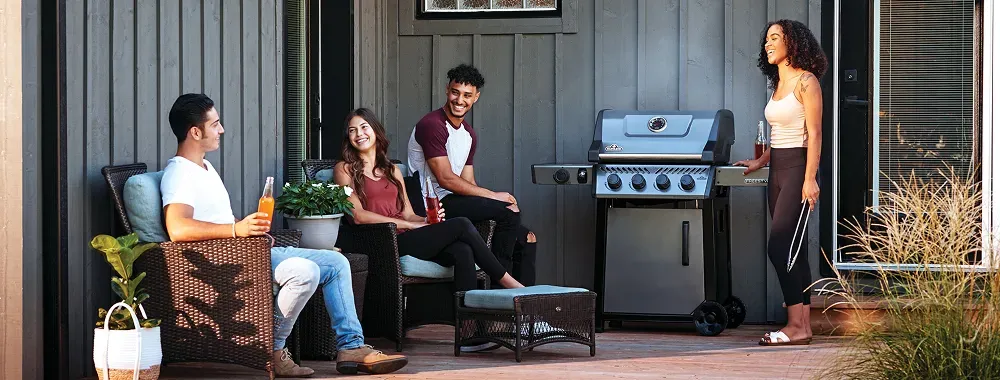
Choosing the right natural gas grill can make all the difference in your outdoor cooking experience. You want a grill that heats evenly, cooks your food perfectly, and lasts for years.
But with so many options out there, how do you know which one is best for you? This guide will help you cut through the noise and find a natural gas grill that fits your needs, budget, and lifestyle. By the end, you’ll feel confident to fire up your grill and impress your family and friends with delicious meals every time.
Keep reading to discover the simple steps that will lead you to your perfect grill.
Benefits Of Natural Gas Grills
Choosing a natural gas grill opens the door to several advantages that can enhance your outdoor cooking experience. These grills not only make your barbecues easier but also offer practical benefits that affect your budget, daily routine, and even the environment. Understanding these benefits can help you decide if a natural gas grill fits your lifestyle and grilling needs.
Cost Efficiency
Natural gas grills can save you money over time compared to propane or charcoal options. Since natural gas is typically cheaper and delivered through a home connection, you don’t need to buy or replace heavy tanks frequently.
This steady fuel supply means you avoid interruptions during cooking and reduce overall fuel costs. Have you checked your local natural gas rates lately? It might surprise you how much you can save each grilling season.
Convenience And Ease Of Use
With a natural gas grill, you get instant heat and precise temperature control. You simply turn a knob, and the grill is ready—no need to light charcoal or swap propane tanks.
This ease lets you focus on cooking and enjoying your time outdoors rather than managing fuel. Imagine hosting a spontaneous cookout without worrying if you have enough gas—doesn’t that sound stress-free?
Environmental Impact
Natural gas burns cleaner than charcoal or propane, producing fewer harmful emissions. This means you reduce your carbon footprint while still enjoying grilled flavors.
Switching to natural gas can be a small but meaningful step toward eco-friendly grilling. How much does your current grill impact the air around you and your neighborhood?

Credit: kismile.com
Key Features To Consider
Choosing the right natural gas grill means paying close attention to certain features that affect your cooking experience and the grill’s longevity. These features help you match the grill to your specific needs, whether you’re cooking for a small family or hosting large gatherings. Think about what matters most to you—space, power, durability, or ease of use—and keep these key features in mind.
Grill Size And Cooking Area
How much space do you have for your grill, and how many people do you usually cook for? The grill size directly impacts the cooking area, which determines how much food you can prepare at once.
Smaller grills with around 200-300 square inches of cooking space suit casual weekend cooks. If you often entertain or have a big family, look for grills offering 500 square inches or more. Consider side burners too; they add versatility for sauces and side dishes.
Btu Rating And Heat Control
BTU (British Thermal Unit) rating tells you how much heat the grill can produce. But higher BTUs don’t always mean better grilling. What really matters is how well the grill distributes and controls that heat.
Look for adjustable burners so you can create different heat zones. This allows you to sear meat on high heat and slow-cook veggies on a cooler side. A grill with precise heat control makes cooking more flexible and enjoyable.
Material And Build Quality
Durability is key if you want a grill that lasts years. Stainless steel is a popular choice because it resists rust and looks good over time. However, not all stainless steel is the same—check the gauge and type used.
Cast iron grates hold heat well but need regular maintenance to prevent rust. Aluminum parts are lightweight but may not be as sturdy. Pay attention to how the grill is assembled and whether it has solid, stable legs or wheels.
Ignition System
A reliable ignition system saves you frustration and time. Most natural gas grills use either a push-button ignition or an electronic system.
Push-button ignitions are simple and usually work well, but electronic ignitions offer quicker starts and more reliability. If you’ve ever struggled with a grill that won’t light, you know how important this feature can be for stress-free grilling.
Fuel Supply And Installation
Choosing a natural gas grill involves understanding fuel supply and installation needs. Proper setup ensures safe and efficient grilling. This section covers essential points about gas lines, installation, and safety.
Natural Gas Line Requirements
Natural gas grills need a steady gas supply from your home’s main line. The gas line must be the right size to support the grill’s demand. Usually, a ½-inch line works for most grills, but larger grills may need bigger pipes.
The line should run outdoors and be free of leaks. It must connect safely to the grill’s gas inlet. Check local codes for any special rules about gas lines.
Professional Installation Tips
Hire a licensed plumber or gas professional for installation. They know how to check gas pressure and ensure proper flow. Professionals use correct fittings and sealants to prevent leaks.
Installation includes connecting the gas line, testing for leaks, and confirming safe operation. Proper placement of the grill helps avoid damage and provides good ventilation.
Safety Precautions
- Turn off the gas supply before installation or maintenance.
- Use soapy water to check for gas leaks around connections.
- Keep the grill away from flammable materials.
- Do not store gas cylinders near the grill.
- Install a gas shut-off valve close to the grill.
Following safety rules protects your home and family from accidents. Always read the grill’s manual and local codes for safe use.
:max_bytes(150000):strip_icc()/faw-ninja-flexflame-propane-grill-and-outdoor-cooking-system-rkilgore-0307-a18a620214504b97869c6911c99dcb50.jpeg)
Credit: www.foodandwine.com
Additional Grill Features
Additional features can make your natural gas grill more useful and fun to use. These extras help with cooking variety, ease, and storage. Choosing a grill with the right features boosts your outdoor cooking experience.
Side Burners And Warming Racks
Side burners let you cook side dishes or sauces beside the main grill. They add flexibility for preparing complete meals outdoors. Warming racks keep food hot without overcooking it. They are perfect for holding cooked items while you finish grilling.
Temperature Gauges
Built-in temperature gauges show the grill’s heat level. They help you cook food evenly and avoid burning. Good gauges give quick, clear readings. This saves time and improves cooking results.
Storage And Mobility Options
Storage space keeps your grilling tools and supplies handy. Look for shelves, cabinets, or hooks for utensils. Mobility features, like wheels, make moving the grill easier. This is helpful for cleaning or changing grill spots.
Maintenance And Longevity
Maintaining your natural gas grill properly can extend its life and keep it performing at its best. Neglecting routine care can lead to rust, wear, and costly repairs. By paying attention to simple maintenance tasks, you ensure your grill stays reliable and ready for every cookout.
Cleaning Tips
Clean your grill after every use to prevent grease buildup and food residue. Use a grill brush to scrub the grates while they’re still warm, which makes it easier to remove stuck-on bits.
Don’t forget to wipe down the exterior with a mild detergent and water. This stops dirt and grime from accumulating and keeps your grill looking new.
Preventing Rust And Wear
Rust can ruin a grill quickly, so protect metal parts by applying a thin layer of cooking oil after cleaning. Store your grill under a cover or in a sheltered area to shield it from rain and moisture.
Check seals and connections regularly to catch any signs of wear early. Small cracks or loose fittings can lead to gas leaks and unsafe conditions.
Parts Replacement
Some grill components wear out faster than others, such as burners, ignition systems, and heat shields. Keep track of these parts and replace them as soon as you notice performance drops or visible damage.
Having spare parts on hand can save you from interrupting your grilling plans. Many manufacturers offer easy-to-install replacements, so you don’t need professional help for most fixes.
Budgeting And Brand Selection
Setting a clear budget helps narrow down natural gas grill options. Choosing a reliable brand ensures better quality and lasting performance. Consider both price and brand reputation before making a decision.
Choosing a natural gas grill requires careful budgeting and brand selection. Understanding your budget helps you find the best grill without overspending. Selecting the right brand ensures quality and satisfaction. Both factors play a crucial role in your decision.Price Ranges And Value
Natural gas grills come in various price ranges. Basic models start at about $150. Mid-range options typically cost between $300 to $600. High-end grills may exceed $1,000. Consider the features and quality each price range offers. Sometimes, a moderately priced grill provides excellent value. Look for durability and cooking performance to ensure lasting satisfaction.Top Brands To Consider
Several brands offer reliable natural gas grills. Weber is known for quality and performance. They provide great customer support too. Broil King offers durable grills with excellent cooking power. Napoleon is another top choice, known for innovative features. Consider brands with a good reputation and positive reviews. Choose a brand that fits your needs and budget.Warranty And Customer Support
Warranty is crucial when buying a natural gas grill. It protects your investment. Look for grills with a minimum one-year warranty. Some brands offer longer warranties on parts and burners. Customer support is also important. A responsive support team can help solve issues quickly. Check online reviews to assess customer service quality.Tips For Perfect Bbq Results
Perfect BBQ results depend on how well you control your natural gas grill. Managing heat and timing can change the taste and texture of your food. Simple tips help you cook evenly and keep flavors rich.
Preheating Techniques
Always preheat your grill before cooking. This helps the grill reach the right temperature. It also prevents food from sticking to the grates.
- Turn on all burners to high for 10-15 minutes.
- Close the lid while preheating to trap heat.
- Use a grill thermometer to check the temperature.
Proper preheating ensures even cooking and better grill marks.
Temperature Management
Control the grill temperature to cook food perfectly. Different foods need different heat levels. Use high heat for searing and low heat for slow cooking.
- Adjust burners to create hot and cool zones.
- Keep the lid closed to maintain stable heat.
- Check the temperature often with a built-in or handheld thermometer.
Good temperature control avoids burning or undercooking your food.
Cooking Different Foods
Each type of food requires a unique cooking approach on your gas grill.
- Steaks:Sear on high heat, then move to low heat to finish.
- Chicken:Cook slowly on medium heat to avoid drying out.
- Vegetables:Grill on medium heat and turn often for even cooking.
- Fish:Use indirect heat and a grilling basket to keep it intact.
Adjust cooking times and heat based on the food’s thickness and type.

Credit: www.abt.com
Frequently Asked Questions
What Factors Should I Consider When Choosing A Natural Gas Grill?
Consider grill size, BTU output, material quality, and cooking features. Also, check ignition type and ease of cleaning for convenience and durability.
How Important Is Btu Rating For Natural Gas Grills?
BTU indicates heat output but isn’t the sole quality measure. Look for consistent heat distribution and efficient fuel usage alongside BTU numbers.
Can I Use A Natural Gas Grill Indoors Safely?
No, natural gas grills are designed for outdoor use only. Indoor use risks carbon monoxide buildup and fire hazards, so always grill outside.
What Maintenance Is Required For A Natural Gas Grill?
Regular cleaning of grates, burners, and drip trays is essential. Check gas connections periodically to ensure safety and prolong grill lifespan.
Conclusion
Choosing the right natural gas grill makes outdoor cooking easy and fun. Think about size, heat control, and cleaning before buying. Good quality and safety matter a lot. Pick a grill that fits your space and cooking style. This way, every barbecue will be enjoyable and tasty.
Take your time to compare options and read reviews. Enjoy grilling with confidence and great flavor every time.

