
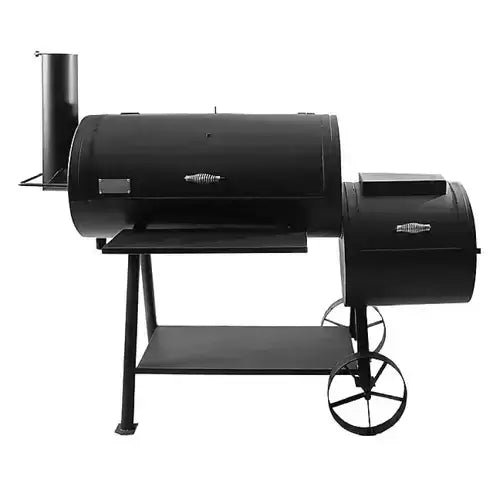
If you own an offset smoker, you know how rewarding it is to cook with that rich, smoky flavor. But to keep your smoker performing at its best, regular care is essential.
You might wonder how to clean it without spending hours or what simple steps prevent rust and damage. This guide will show you easy, effective ways to maintain your offset smoker so it lasts longer and cooks better every time.
Keep reading to discover tips that make your smoking experience smoother and more enjoyable.
Choosing The Right Offset Smoker
Choosing the right offset smoker is key for a great smoking experience. The right smoker ensures better heat control and tasty results. It also lasts longer and needs less maintenance. Focus on key factors like materials, size, and features. These guide your choice and help you enjoy smoking every time.
Materials And Build Quality
Look for smokers made from thick steel. Thicker steel holds heat better and lasts longer. Avoid thin metal that can warp or rust fast. Check the welds and joints. Strong welds mean better durability. Powder-coated or porcelain finishes resist rust and weather damage. These materials make cleaning easier too.
Size And Capacity
Choose a size that fits your usual cooking needs. Small smokers suit small families or occasional use. Larger smokers work well for big gatherings or parties. Remember, bigger smokers take longer to heat up and use more fuel. Balance size with your space and how often you cook.
Features To Consider
- Adjustable air vents for better temperature control
- Built-in thermometer to monitor heat inside
- Side firebox for easy fuel addition
- Multiple cooking grates for more food at once
- Wheels or handles for easy movement
- Storage shelves for tools and fuel
These features improve your cooking and make maintenance easier. Choose a smoker with what fits your style and needs.

Credit: ddrbbqsupply.com
Regular Cleaning Practices
Regular cleaning keeps an offset smoker working well and lasting longer. Dirt, ash, and grease build up quickly and can affect the taste of your food. Clean parts work better and help control the fire and smoke. Spend time cleaning after each use to maintain good results.
Removing Ash And Debris
Start by removing ashes from the firebox and cooking chamber. Ash can block airflow and make fires hard to manage. Use a small shovel or ash tool to scoop out ashes. Dispose of ashes only when completely cool. Clear all loose debris to keep air flowing well.
Cleaning Cooking Grates
Cooking grates hold food particles and grease. Clean grates after every cook for better flavor and hygiene. Use a stiff wire brush to scrape off stuck bits. Wash grates with warm water and mild soap if needed. Rinse and dry thoroughly to avoid rust.
Cleaning The Firebox
The firebox collects soot and creosote. These can build up and cause bad smoke or even fires. Scrape the inside walls with a metal scraper or brush. Remove any grease and stuck-on residue. Check vents and doors to keep airflow clear. Wipe the outside to prevent rust.
Seasoning Your Smoker
Seasoning your offset smoker is a crucial process. It protects the metal from rust and builds a natural non-stick surface. A well-seasoned smoker improves flavor and cooking performance.
Start with a clean smoker. Remove any factory oils or residues. Then, slowly build up layers of seasoning. This creates a durable, protective coating inside the smoker.
Initial Seasoning Steps
- Wash the inside with warm soapy water. Use a sponge or cloth.
- Rinse thoroughly and dry completely to avoid rust.
- Apply a thin layer of cooking oil inside the firebox and cooking chamber. Use oils with high smoke points, like vegetable or canola oil.
- Preheat the smoker gradually. Start at a low temperature around 200°F (93°C).
- Increase the heat slowly over a few hours. Keep the smoker running for 2 to 4 hours.
- Let the smoker cool down naturally before wiping off excess oil.
Maintaining The Seasoned Surface
- After each use, clean the cooking grates with a grill brush.
- Remove ash and debris from the firebox to prevent moisture buildup.
- Wipe the interior with a lightly oiled cloth to maintain the surface.
- Store the smoker in a dry place to avoid rust.
- Perform a light seasoning every few months or after heavy cleaning.
- Check for rust spots and treat them promptly by sanding and re-oiling.
Inspecting And Replacing Parts
Regular maintenance keeps your offset smoker in top condition. Inspecting and replacing parts is crucial for its longevity. This ensures consistent performance and tasty results. Let’s explore essential steps to maintain your offset smoker.
Checking For Rust And Corrosion
Rust and corrosion can damage your smoker. Regularly inspect metal surfaces for rust spots. Use a wire brush to remove rust. Apply high-temperature paint to protect surfaces. This prevents further damage.
Replacing Gaskets And Seals
Gaskets and seals ensure proper heat retention. Check for wear and tear around the doors. Replace worn gaskets to prevent smoke leaks. Use high-quality gasket materials for durability.
Maintaining Thermometers And Vents
Thermometers provide crucial temperature readings. Ensure they are accurate and clean. Test them regularly and replace if faulty. Vents control airflow, affecting cooking temperature. Make sure vents move smoothly and are free of obstructions.
Proper Storage Techniques
Proper storage techniques keep your offset smoker in top shape. Storing it well protects against damage and extends its life. Clean the smoker thoroughly before storage. Remove ashes, grease, and leftover wood. Dry it completely to avoid rust or mold. Choose a storage spot that is dry and ventilated. Avoid damp or humid places to prevent corrosion and bad smells.
Protecting From Weather Elements
Weather can harm your offset smoker if not protected. Rain causes rust and wood damage. Sun can fade paint and dry out seals. Wind may blow dirt and debris inside. Store your smoker in a covered area like a garage or shed. If outdoors, place it on a raised platform to avoid ground moisture. Keep it away from direct rain and strong sunlight. Regularly check for water puddles or damage after storms.
Using Covers And Shelters
A good cover is essential for smoker protection. Use a heavy-duty, waterproof cover that fits well. Covers prevent dust, rain, and UV rays from reaching the smoker. Choose covers with ventilation to avoid moisture build-up underneath. Temporary shelters like pop-up tents work for short-term storage. For long-term, a sturdy outdoor shelter or small shed is better. Secure covers or shelters firmly to avoid wind damage. Clean covers regularly to keep them effective.

Credit: ddrbbqsupply.com
Fuel Management Tips
Fuel management is key to keeping your offset smoker working well. Proper fuel use keeps the heat steady and the smoke clean. This makes your food taste better and helps your smoker last longer. Knowing how to pick and use wood fuels saves time and effort. It also keeps your cooking smooth and enjoyable.
Choosing The Right Wood
Choose hardwood for steady heat and good smoke flavor. Oak, hickory, and maple work great. Avoid softwoods like pine; they create bad smoke and soot. Use dry wood only. Wet wood makes smoke bitter and hard to control. Split wood into small pieces for easy burning. Store wood in a dry place to keep it ready.
Managing Fire For Consistent Heat
Start with a small fire and add wood little by little. Keep the fire low and slow for even heat. Use a fire grate to improve airflow. Check the fire often and add wood before it dies out. Arrange wood to let air pass through. Use a water pan to keep temperature steady. Avoid opening the smoker too often; it cools down the fire. Use a good thermometer to track heat inside the smoker.
Troubleshooting Common Issues
Troubleshooting common issues with your offset smoker can save you a lot of time and frustration. Many smokers face similar problems, but knowing what to check and adjust can keep your smoking sessions smooth and enjoyable. Let’s dive into two key areas that often cause headaches: temperature fluctuations and smoke leaks.
Dealing With Temperature Fluctuations
Temperature swings are a frequent challenge with offset smokers. The key is to maintain steady heat for consistent cooking results. Start by checking your firebox fuel—using dry, well-seasoned hardwood makes a huge difference.
Another trick is to adjust your intake and exhaust vents carefully. Open them slightly to increase airflow and temperature, or close them a bit to lower it. Have you noticed your smoker temperature suddenly dropping? It might be time to add more fuel or rearrange the coals for better airflow.
Using a water pan inside the cooking chamber can also stabilize temperatures by adding moisture and absorbing heat fluctuations. If your smoker still feels unstable, consider the weather: wind and cold can cause rapid temperature changes. Placing a windbreak or insulating the smoker can help keep heat steady.
Eliminating Smoke Leaks
Smoke leaks reduce your smoker’s efficiency and can cause uneven cooking. First, inspect all seams and joints on your smoker for gaps or rust. Small leaks might seem harmless, but they waste fuel and affect smoke flavor.
Seal leaks with high-temperature silicone or furnace cement designed for smokers. Pay close attention to the door and firebox lids, as these areas often develop leaks over time. If you find warped or damaged parts causing leaks, replacing them is usually better than patching.
Have you ever noticed smoke puffing out unexpectedly? That’s a clear sign of a leak that needs fixing. Tighten any loose bolts and use heat-resistant rope gasket on doors for a better seal. These small fixes can transform your smoking experience by improving heat retention and smoke control.

Credit: ddrbbqsupply.com
Frequently Asked Questions
How Often Should I Clean My Offset Smoker?
Clean your offset smoker after every use. Remove ashes and grease to prevent buildup. Deep clean monthly to maintain performance and flavor quality.
What Type Of Wood Is Best For Offset Smokers?
Hardwoods like oak, hickory, and maple work best. They provide steady heat and rich smoke flavor. Avoid softwoods, as they produce harmful resin.
How Do I Control Temperature In An Offset Smoker?
Adjust the intake and exhaust vents to control airflow. Use the firebox to add charcoal or wood gradually. Monitor with a reliable thermometer for consistent heat.
Why Is Regular Ash Removal Important?
Ash buildup blocks airflow and reduces heat control. Removing ashes keeps the fire burning efficiently. It also extends the life of your smoker.
Conclusion
Maintaining your offset smoker keeps it working well and safe. Clean ashes and grease after each use to avoid buildup. Check the seals and vents for proper airflow. Keep the smoker covered to protect it from rain and dust. Regular care helps your smoker last many years.
Enjoy tasty, smoky food every time you cook. Small efforts make a big difference in smoker performance. Take good care and your smoker will reward you. Simple steps ensure great BBQ and happy cooking days ahead.

