
Are you tired of your charcoal grill losing heat just when you’re ready to cook? Keeping a high, steady temperature can be tricky, but it’s the secret to juicy steaks, crispy veggies, and perfectly grilled meals every time.
You’ll discover simple, effective tips to maintain that intense heat on your charcoal grill. Whether you’re a weekend griller or a backyard BBQ pro, mastering this skill will take your cooking to the next level. Keep reading, and get ready to impress your friends and family with grill results that sizzle!
Choosing The Right Charcoal
Choosing the right charcoal is a crucial step to maintaining high heat on your charcoal grill. The type and quality of charcoal you use directly affect how hot your grill can get and how long it will stay that way. Understanding the differences and what suits your grilling style can save you time and improve your cooking results.
Lump Charcoal Vs Briquettes
Lump charcoal is made by burning hardwood in the absence of oxygen. It lights quickly and reaches high temperatures faster than briquettes. If you want intense heat for searing steaks, lump charcoal might be your best bet.
Briquettes, on the other hand, are made from compressed charcoal dust and other additives. They burn more evenly and last longer, making them ideal for slow cooking and maintaining steady heat. However, they take longer to get going and won’t reach as high a temperature as lump charcoal.
Which one fits your grilling needs better: fast, high heat or steady, long-lasting warmth? Your choice can change your entire grilling experience.
Quality And Brand Impact
Not all charcoal is created equal, and brand matters. High-quality charcoal burns cleaner and hotter, while cheap charcoal often contains fillers that produce excess ash and unwanted flavors. This ash can smother your fire and reduce heat over time.
Look for brands that specify 100% natural hardwood and avoid those with added chemicals or fillers. Some premium brands offer uniform size pieces, which help in consistent heat distribution. Have you ever struggled with your fire dying out quickly? Better quality charcoal could be the answer.
Trying a few brands and paying attention to how long they burn and how hot they get can be a simple test. Your grill’s performance will reflect the care you put into choosing the right charcoal.
Preparing Your Grill For High Heat
Preparing your grill for high heat is essential to achieve perfect cooking results. It ensures even heat distribution and prevents flare-ups. Taking time to prep the grill helps maintain consistent temperature throughout cooking.
Start by making sure the grill is clean and free from leftover debris. Then, arrange the charcoal to maximize heat intensity. These steps build a strong foundation for high-heat grilling.
Cleaning The Grill Grate
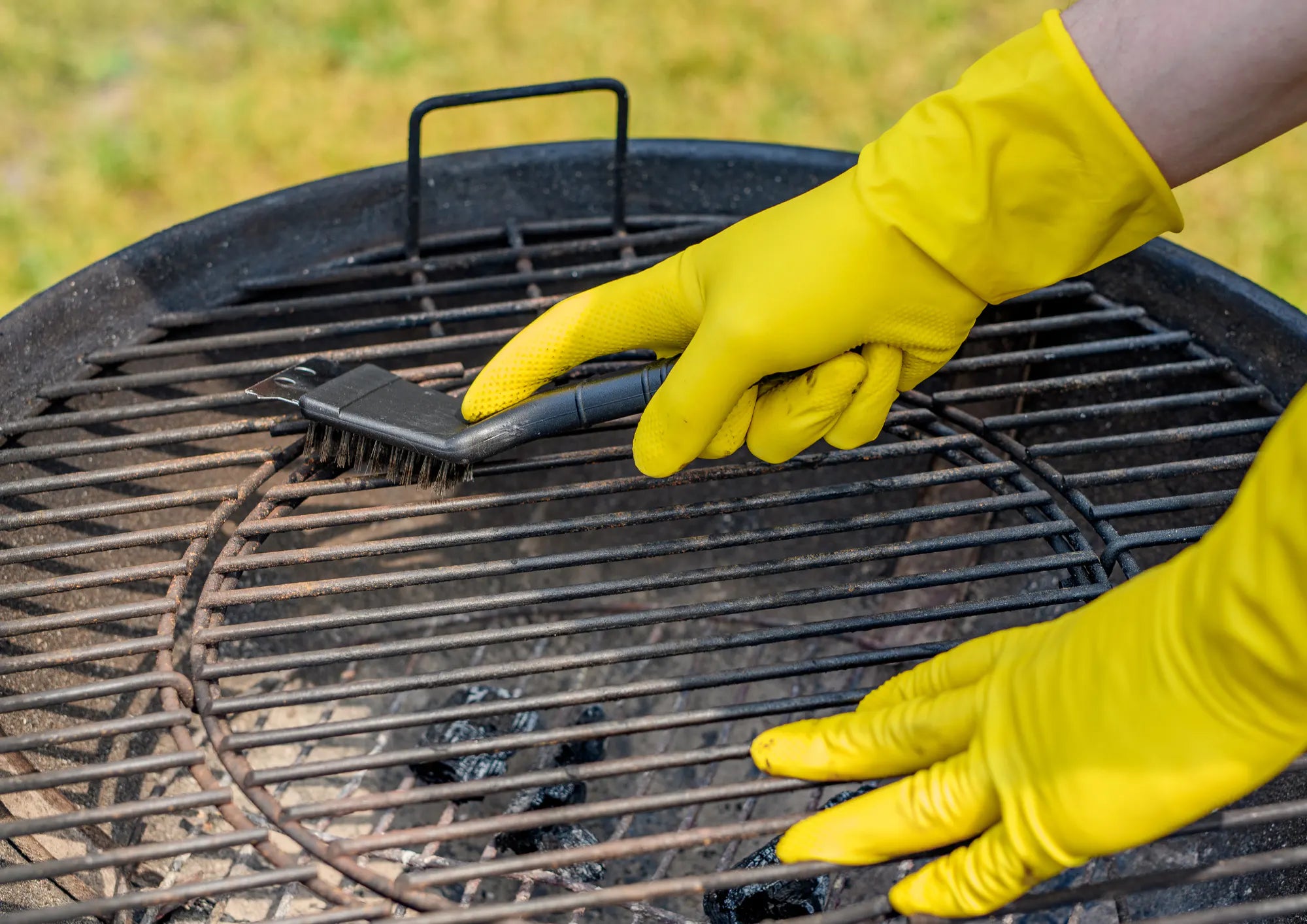
Clean grates improve heat transfer and prevent food from sticking. Use a stiff wire brush to remove old residue. Scrape off any burnt bits after each use.
For a deeper clean, soak grates in warm, soapy water. Rinse well and dry before placing them back. Clean grates also reduce smoke caused by leftover grease.
Arranging The Charcoal Properly
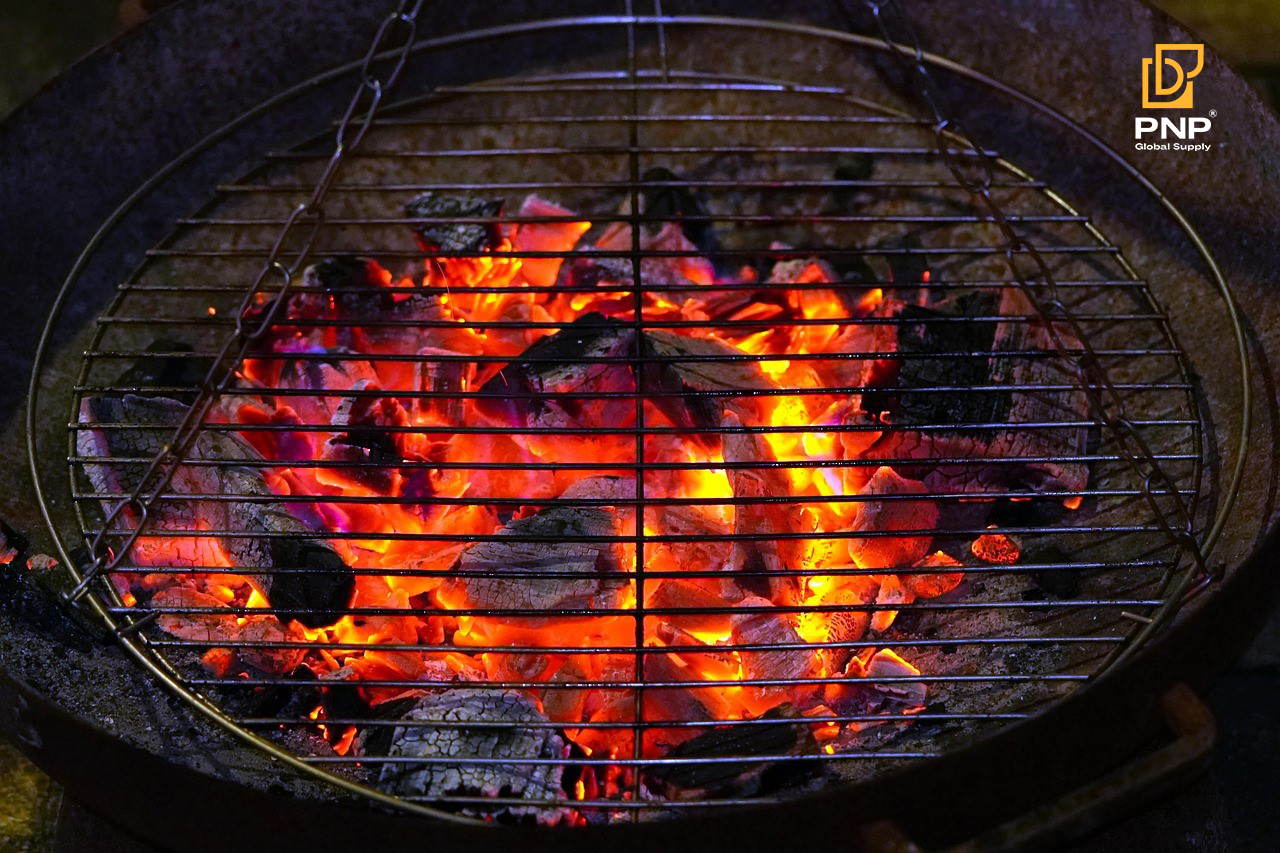
Arrange charcoal in a tight pile for the highest heat. A mound or pyramid shape concentrates heat in one area. This setup creates hot spots ideal for searing.
Use enough charcoal to cover the base of the grill. Light the charcoal fully until covered with gray ash. Spread coals evenly or leave a two-zone setup for heat control.
Lighting Techniques For Maximum Heat
Achieving and maintaining high heat on your charcoal grill starts with how you light it. The lighting technique you choose directly impacts how quickly your coals reach the ideal temperature and how steady that heat remains. Using the right method can save you time and give you better control over your cooking.
Using A Chimney Starter
A chimney starter is a simple tool that helps you light charcoal evenly and quickly without any chemicals. Fill the top chamber with charcoal and place crumpled newspaper or natural fire starters underneath. Light the paper, and the design allows air to flow freely, igniting the coals from the bottom up.
Within 15 to 20 minutes, you’ll see glowing, ashy coals ready to spread across your grill. This method reduces flare-ups and ensures consistent heat. Have you noticed how much faster your grill heats up when you use a chimney starter compared to other methods?
Avoiding Lighter Fluid
Lighter fluid might seem like a quick fix, but it can leave a chemical taste on your food and create uneven heat. Instead, rely on natural fire starters or a chimney starter for clean, steady flames. Using lighter fluid often leads to flare-ups that burn your food and waste charcoal.
Try natural options like paraffin cubes or wood shavings soaked in wax. They burn longer and provide a more controlled heat source. What’s your experience with lighter fluid—have you ever noticed a strange flavor or uneven cooking after using it?
Credit: themeatstick.com
Airflow Management
Managing airflow is key to maintaining high heat on a charcoal grill. Air controls the oxygen supply that fuels the fire. Proper airflow keeps the charcoal burning hot and steady. Too little air cools the fire. Too much air burns the charcoal too fast. Learning to control vents and dampers helps keep the temperature right for grilling.
Adjusting Vents For Optimal Oxygen Flow
Grills have vents at the bottom and top. Bottom vents let fresh air in. Top vents let smoke and hot air out. Open the bottom vents wide to increase oxygen. This makes the fire burn hotter.
Close the top vents partially to keep heat inside. Open them too much, and heat escapes quickly. Adjust vents little by little. Watch how the fire reacts. Find the balance where coals stay red and glowing.
Controlling Heat With Dampers
Dampers work like vents but allow finer control. Use dampers to regulate airflow without fully closing vents. Slightly closing dampers slows oxygen flow. This lowers the heat without killing the fire.
Opening dampers fully boosts oxygen, raising the temperature fast. Adjust slowly to avoid sudden temperature changes. Dampers help maintain steady heat during long cooking times. Check dampers often and tweak as needed.
Maintaining Temperature During Cooking
Control airflow by adjusting vents to keep charcoal burning hot. Spread coals evenly and add fresh charcoal as needed for steady heat. Use a grill lid to trap heat and maintain high temperatures.
Maintaining a steady temperature on a charcoal grill can be challenging. It’s essential for perfect grilling. Uneven heat can lead to undercooked or burnt food. Let’s explore some tips to keep the heat constant.Adding Charcoal Mid-cook
Adding charcoal helps sustain heat. Open the grill lid carefully. Use long tongs or gloves to handle hot coals. Add a few new coals to the fire. Spread them evenly to maintain balance. Close the lid to trap heat. Wait for the new coals to catch fire.Using A Grill Thermometer
A grill thermometer is a vital tool. Place it on the grill grate. It shows the current temperature inside. Adjust the vents based on the reading. Open them to increase heat. Close them slightly to decrease heat. This helps keep the temperature stable.Tips For Sustained High Heat
Maintaining high heat on a charcoal grill requires smart techniques. These tips help keep the fire strong and steady. Proper heat control improves cooking results and saves fuel.
Keep The Lid Closed
Closing the lid traps heat inside the grill. It creates a hot cooking environment like an oven. Avoid lifting the lid often. Each time you open it, heat escapes. This slows down cooking and cools the coals. Keep the lid closed as much as possible to maintain steady heat.
Avoid Overcrowding The Grill
Place food with enough space around each piece. Overcrowding blocks air flow and lowers temperature. Air helps charcoal burn hotter and longer. Give each item room to cook evenly. Overloading the grill forces you to open the lid more. This causes heat loss and uneven cooking. Proper spacing keeps the heat high and food delicious.
Safety Precautions
Maintaining high heat on a charcoal grill requires careful attention to safety. Charcoal and flames can be dangerous without the right precautions. Taking simple safety steps protects you and others during grilling. Safety also ensures a smooth cooking experience with fewer accidents.
Handling Hot Coals Safely
Use long-handled tools to move hot coals. Avoid touching charcoal with bare hands. Wear heat-resistant gloves to prevent burns. Never add lighter fluid to hot or warm coals. Let coals cool completely before disposing. Keep a metal container nearby for ashes. Always place the grill on a stable, heatproof surface.
Proper Ventilation
Grill outdoors in open areas only. Avoid grilling inside garages or tents. Ensure enough airflow around the grill to prevent smoke buildup. Keep windows and doors open if grilling near a house. Carbon monoxide can build up quickly without ventilation. Use a fan or natural breeze to help air flow. Never leave a hot grill unattended in enclosed spaces.

Credit: www.ice.edu
Credit: pnpcharcoal.com
Frequently Asked Questions
How Do I Keep Charcoal Burning Hot Longer?
To maintain high heat, use quality lump charcoal or briquettes. Arrange coals densely and allow proper airflow. Add charcoal gradually to avoid temperature drops. Control vents to regulate oxygen flow, keeping the fire hot and consistent.
What Is The Best Charcoal Arrangement For High Heat?
Use a two-zone fire with coals stacked densely on one side for direct high heat. Leave the other side empty for indirect cooking. This setup concentrates heat while allowing temperature control and food versatility.
How Can I Control Airflow To Maintain Grill Heat?
Adjust the bottom and top vents to control oxygen flow. Open vents increase heat by feeding oxygen; closing them reduces heat. Monitor vents regularly to keep a steady airflow and maintain consistent high temperatures.
Should I Add Charcoal During Cooking To Maintain Heat?
Yes, adding charcoal gradually keeps the fire hot. Add a few pieces at a time to avoid temperature drops. Pre-light new charcoal separately before adding to the main fire for consistent heat.
Conclusion
Maintaining high heat on a charcoal grill takes some effort and care. Keep your charcoal fresh and add more as needed. Control the air vents to manage the temperature well. Avoid opening the lid too often to keep heat inside.
Use a good-quality charcoal for longer burning time. With these simple steps, grilling gets easier and tastier. Enjoy cooking with steady heat and great results every time. Practice makes perfect, so keep trying and learning. Your grill skills will improve fast.

