
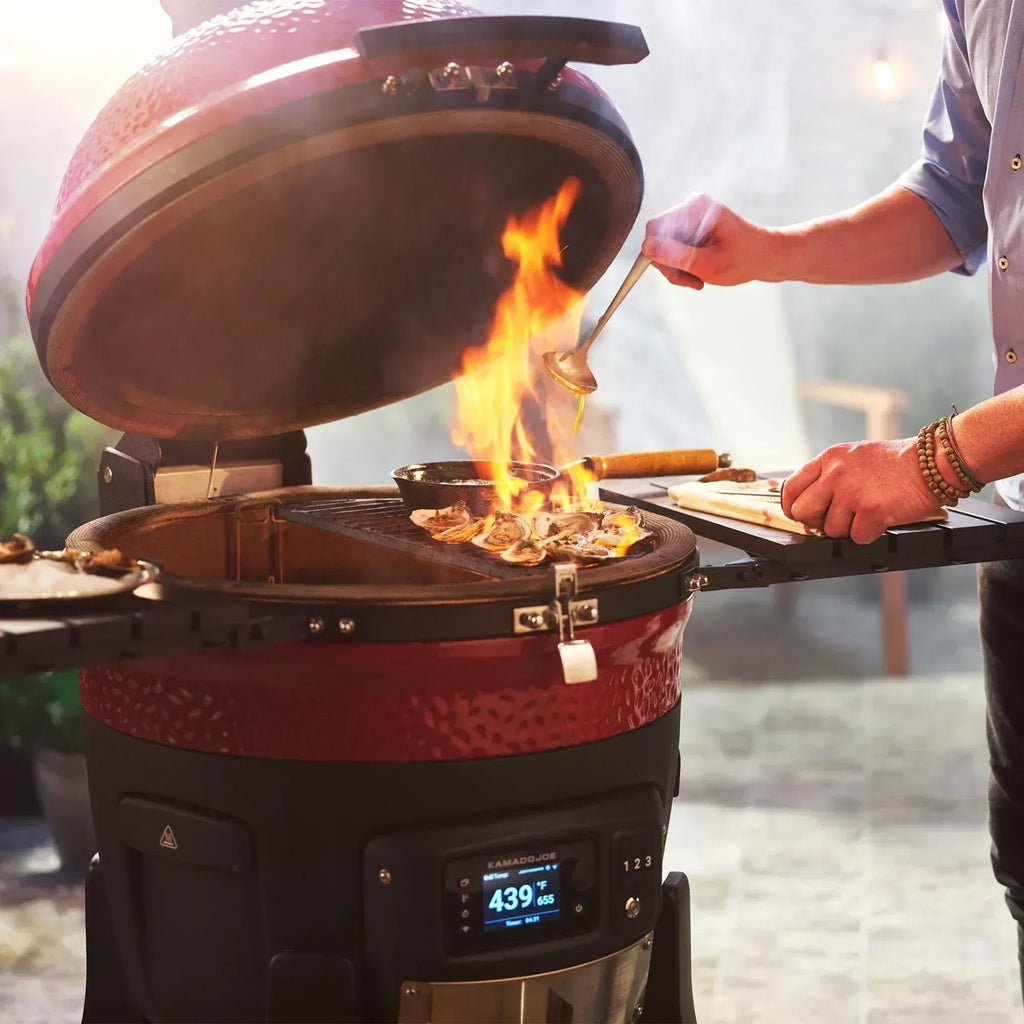
If you want to take your grilling game to the next level, a ceramic grill is your best friend. It’s not just any grill—it holds heat like a champ, cooks food evenly, and keeps your meals juicy and full of flavor.
But how do you get started with it? How do you use your ceramic grill to make mouth-watering dishes every time? You’ll discover simple steps and expert tips that make grilling easier and more enjoyable than ever. Ready to impress your family and friends with perfect grilled meals?
Keep reading, and you’ll be firing up your ceramic grill like a pro in no time.
Choosing The Right Ceramic Grill
Choosing the right ceramic grill is key to enjoying a smooth and satisfying grilling experience. With so many options available, picking the best one for your needs can feel overwhelming. Understanding different types, sizes, and must-have features helps you make a smart choice that fits your cooking style and space.
Types Of Ceramic Grills
Ceramic grills come in various designs, each suited for different cooking techniques and preferences. The classic kamado-style grill is popular for its excellent heat retention and versatility. You’ll also find ceramic grills designed with built-in stands or portable models perfect for small patios or tailgating.
Think about how you plan to use your grill. Do you want something primarily for smoking, searing steaks, or slow-cooking ribs? Knowing this helps narrow down the type that will work best for you.
Size And Capacity Considerations
Size matters when selecting a ceramic grill, especially if you often cook for groups or have limited outdoor space. Smaller grills are easier to move and heat up quickly, but they may not hold enough food for a big family dinner. Larger models offer more cooking surface and better heat distribution, but they require more room and fuel.
Ask yourself how many people you usually cook for and where you’ll place your grill. A medium-sized grill often balances capacity and convenience well for most home cooks.
Essential Features To Look For
Look for features that enhance control, safety, and ease of use. Adjustable air vents let you regulate temperature precisely, which is crucial for consistent cooking. A sturdy stand or cart with wheels adds stability and mobility, making your grill easier to use and store.
Other helpful features include a built-in thermometer, durable ceramic construction, and accessories like heat deflectors or ash catchers. These details can make your grilling sessions more enjoyable and less messy.
Setting Up Your Ceramic Grill
Setting up your ceramic grill correctly is key to enjoying delicious grilled meals. A proper setup ensures safety, ease of use, and better cooking results. Follow these steps to prepare your grill for many great barbecue sessions.
Proper Placement And Safety
Choose a flat, stable surface for your grill. Avoid placing it near flammable materials like wood or dry leaves. Keep the grill away from walls and structures to allow airflow and reduce fire risk. Use the grill outdoors in a well-ventilated area only. Make sure children and pets stay clear while grilling. Always have a fire extinguisher or water source nearby for emergencies.
Assembling The Grill
Unpack all grill parts carefully. Check the instruction manual for specific assembly steps. Attach the legs or stand securely to the ceramic base. Install the grill grates and heat deflectors as shown in the guide. Tighten bolts and screws without overdoing it. Ensure the lid fits properly and opens smoothly. Test the stability of the assembled grill before use.
Preparing For First Use
Clean the grill interior with warm soapy water and a soft cloth. Rinse thoroughly and dry completely. Light a small fire using charcoal or natural lump coal to burn off factory oils. Allow the grill to heat up to around 400°F for one hour. This process cures the ceramic and removes odors. Once cooled, your grill is ready for cooking.
Fuel And Temperature Control
Controlling fuel and temperature is key to mastering your ceramic grill. The right balance can turn simple ingredients into perfectly grilled dishes. Understanding how to use charcoal and manage air flow will help you keep a steady heat and avoid flare-ups or cold spots.
Using Charcoal Efficiently
Choose lump charcoal over briquettes for cleaner burning and better flavor. Start with a small pile to avoid wasting fuel—ceramic grills retain heat well, so you don’t need much. Add more charcoal only if you plan to grill for several hours or need higher temperatures.
Arrange charcoal in a mound or use a chimney starter for quick ignition. After lighting, let the coals ash over to get an even heat source. Have you noticed how too much charcoal can cause uneven cooking? Using less actually gives you better control.
Managing Air Vents
Your ceramic grill’s air vents control oxygen flow, which directly affects temperature. Opening the bottom vent lets air in, feeding the fire, while the top vent allows smoke and heat to escape. Both vents need to be adjusted together to find the right balance.
Start with both vents wide open to ignite the charcoal quickly. Once the fire is stable, close them partially to lower the temperature. Have you tried small adjustments? Even a quarter turn can make a big difference in heat.
Achieving And Maintaining Ideal Heat
Set your grill temperature based on what you’re cooking—225°F for slow smoking, 350°F for roasting, or 500°F for searing. Use a built-in thermometer or an external probe to monitor heat precisely. Avoid opening the lid frequently; it causes heat loss and prolongs cooking time.
If the temperature spikes, partially close the bottom vent to reduce oxygen. To raise heat, open the vents more or add a few charcoal pieces. Patience pays off here—small changes keep your grill stable and your food delicious.

Credit: www.baillios.com
Grilling Techniques For Ceramic Grills
Ceramic grills hold heat well, making even cooking easy. Control air vents to adjust temperature for perfect grilling. Use indirect heat for slow cooking and direct heat for searing meats.
Ceramic grills offer a unique grilling experience. Their heat retention and versatility make them special. You can use various techniques to get the best results.Direct Vs Indirect Cooking
Direct cooking involves placing food directly over the heat. This method is perfect for searing steaks and burgers. It creates a nice crust and grill marks. Indirect cooking is different. You place food away from the heat source. This technique is ideal for slow cooking larger cuts of meat. It prevents burning and ensures even cooking. Experiment with both methods to enhance your grilling skills.Using Grill Accessories
Accessories can enhance your grilling experience. Use a heat deflector for indirect cooking. It helps distribute heat evenly across the grill. A grill rack is useful too. It elevates food, allowing better airflow. This ensures even cooking and prevents sticking. Consider a pizza stone for baking pizzas or bread. It creates a crisp crust. Use tongs and a spatula for handling food. They keep your hands safe from the heat.Timing And Temperature Tips
Proper timing and temperature are vital for great results. Preheat the grill to the desired temperature before cooking. Use a meat thermometer to check doneness. It ensures safe and delicious meals. Keep an eye on the clock. Different foods require different cooking times. Thin cuts cook faster than thick ones. Adjust the vent to control the airflow and temperature. This helps maintain consistent heat throughout the cooking process.Recipes Perfect For Ceramic Grills
Using a ceramic grill opens up a world of delicious possibilities. Its unique heat retention and even cooking make it ideal for a variety of recipes. Whether you prefer classic BBQ meats, plant-based dishes, or bold flavors, the ceramic grill can handle it all with ease.
Classic Bbq Cuts
Thick steaks, ribs, and chicken thighs shine on a ceramic grill. The ability to maintain steady heat lets you sear the outside while keeping the inside juicy and tender. Try smoking ribs low and slow, then finish with a high-heat sear to get that perfect bark.
Have you tried grilling a whole brisket or pork shoulder? The ceramic grill’s insulation makes it easier to hold consistent temperatures for hours, giving you tender, flavorful meat every time. Don’t forget to rest your cuts before slicing to keep all the juices inside.
Vegetarian And Vegan Options
Vegetables, tofu, and plant-based burgers benefit hugely from the ceramic grill’s even heat. You can grill portobello mushrooms until tender and juicy or char sweet corn with a light smoky flavor. Pressed and marinated tofu gets a crisp crust without drying out.
Think beyond just sides—try grilling stuffed bell peppers or eggplant slices for a hearty main dish. Your grill can create complex textures and flavors that simple pan-cooking often misses. What’s your favorite veggie to grill that surprises you every time?
Innovative Marinades And Rubs
The ceramic grill enhances the flavors of marinades and rubs by locking in moisture and creating a perfect crust. Experiment with citrus and herb blends for chicken or smoky chipotle rubs for pork. A good marinade not only flavors but also tenderizes your meat.
Don’t hesitate to try spice mixes with unusual ingredients like coffee grounds, cocoa powder, or ground fennel. These can add surprising depth to your grilled dishes. How bold are you willing to get with your seasoning next time you fire up your ceramic grill?
Maintenance And Cleaning Tips
Keeping your ceramic grill clean and well-maintained extends its life and improves grilling results. Regular care removes grease and food residue. It also prevents rust and other common problems. Follow simple cleaning and maintenance steps to keep your grill ready for every cookout.
Daily Cleaning Routine
After each use, let the grill cool down slightly but stay warm. Use a grill brush with stiff bristles to scrape the grates clean. Remove any leftover food particles to avoid buildup. Wipe the exterior with a damp cloth to remove grease and dirt. Empty the ash catcher to maintain airflow. This quick routine keeps the grill fresh and ready for the next meal.
Deep Cleaning Methods
Deep clean your ceramic grill every few months or after heavy use. Start by removing the grill grates and heat deflector. Soak these parts in warm soapy water for 30 minutes. Scrub gently with a sponge or brush to remove grease. Use a vacuum or brush to clear out ash inside the grill. Check the vents for blockages and clean them. Wipe the interior ceramic surface with a soft cloth and mild cleaner. Avoid harsh chemicals that can damage the ceramic finish.
Preventing Common Issues
Prevent cracks by avoiding rapid temperature changes. Always preheat your grill gradually. Keep the grill covered when not in use to protect it from rain and dust. Use a ceramic-safe cover to shield it from weather damage. Check for rust on metal parts and treat it early with a rust remover. Ensure vents stay clear to control airflow and temperature. Regular maintenance stops small problems from becoming costly repairs.
Troubleshooting Common Problems
Troubleshooting common problems with your ceramic grill can save you time and keep your grilling sessions enjoyable. Knowing how to quickly identify and fix issues lets you focus more on cooking great food rather than dealing with unexpected setbacks. Let’s break down some typical challenges and practical ways to handle them.
Temperature Fluctuations
Temperature swings can ruin your cooking plans and make it hard to achieve consistent results. One common cause is poor airflow control. Make sure the top and bottom vents are adjusted properly to maintain steady heat.
Check if the grill lid seals tightly. A loose lid can cause heat to escape, leading to dips in temperature. Also, avoid opening the lid too often—each time you do, heat escapes and the temperature drops.
Have you tried using a dual-probe thermometer? This can help you monitor both the grill temperature and the food’s internal temperature simultaneously, giving you better control over your cooking.
Smoke Management
Too much smoke can overpower your food, while too little can mean you’re not getting the smoky flavor you want. The key is balancing the type and amount of charcoal or wood chips you use. Using damp or low-quality charcoal often leads to excessive smoke.
Try soaking wood chips for about 30 minutes before adding them to the coals. This helps produce slow, steady smoke instead of thick, harsh bursts. Also, make sure your vents are open enough to allow proper airflow; restricted air causes incomplete combustion and heavy smoke.
Ever noticed your smoke turning bitter? That’s usually a sign of burning resin or sap from green wood—stick to dry, seasoned wood for better flavor and cleaner smoke.
Grill Ignition Issues
Getting your ceramic grill lit can sometimes be frustrating. If you face trouble starting the fire, first check your charcoal and kindling. Damp or old charcoal can fail to ignite properly.
Using a chimney starter can make lighting easier and faster. It helps charcoal ignite evenly without lighter fluid, which can affect taste. If your grill has an electric starter, ensure it’s clean and working correctly.
Have you ever struggled with airflow at ignition? Opening the bottom vent fully during startup helps oxygen flow, feeding the fire and getting it going quicker. Patience here pays off, as rushing can lead to uneven heating later.

Credit: www.nibblemethis.com

Credit: www.kamadojoe.com
Frequently Asked Questions
How Do I Start A Ceramic Grill Properly?
To start a ceramic grill, arrange charcoal in the firebox and light it using a chimney starter. Allow the coals to ash over. Close the lid and adjust vents for airflow. Wait until the grill reaches the desired temperature before cooking.
What Temperature Is Best For Ceramic Grill Grilling?
The ideal grilling temperature is usually between 225°F and 450°F. For low and slow cooking, keep it around 225°F. For searing, increase heat to 450°F or higher. Ceramic grills maintain steady heat, so adjust vents carefully to control temperature.
How Do I Clean A Ceramic Grill After Use?
After cooling, remove ashes and clean the grate with a grill brush. Avoid harsh chemicals; use warm soapy water if needed. Clean ceramic surfaces gently to prevent damage. Regular cleaning helps maintain performance and extends the grill’s lifespan.
Can I Use Wood Chips With A Ceramic Grill?
Yes, wood chips add smoky flavor to your food. Soak chips in water for 30 minutes before use. Place them directly on hot coals or in a smoker box. Adjust chip quantity to control smoke intensity.
Conclusion
Using a ceramic grill makes grilling simple and fun. You can cook food evenly and keep it juicy. Control the heat by adjusting the vents. Clean your grill after each use to keep it working well. Try different recipes to enjoy new flavors.
With practice, grilling becomes easier and more enjoyable. Give it time, and your skills will grow. Grilling outdoors brings great taste and good memories. Enjoy the process and share meals with friends and family.

