
If you love grilling, you know how frustrating it is when your non-stick grill grates get dirty and sticky. Cleaning them the right way not only keeps your food tasting great but also protects the special coating that makes cooking easier.
In this post, you’ll discover simple, effective tips to clean your grill grates without damaging the non-stick surface. Keep reading to learn how to make your grill look and work like new every time you fire it up.
Choosing The Right Cleaner
Choosing the right cleaner is key to protect your grill grates’ non-stick coating. Harsh chemicals or abrasive tools can damage this delicate surface. Using gentle but effective cleaners keeps your grill working well and extends its life.
Focus on cleaners that remove grease and residue without scratching or wearing down the coating. Always check the product label for suitability on non-stick surfaces. Avoid anything with bleach, ammonia, or rough scrubbing agents.
Safe Cleaners For Non-stick Surfaces
- Mild dish soap mixed with warm water
- Specialized non-stick grill cleaners
- Non-abrasive scrubbing pads or soft brushes
- Liquid castile soap
- Baking soda paste (used gently)
These options clean effectively without harming the coating. Avoid steel wool or wire brushes. Always rinse thoroughly to remove cleaner residues.
Homemade Cleaning Solutions
DIY cleaners are safe and budget-friendly. Try these simple recipes:
- Mix equal parts white vinegar and water in a spray bottle.
- Combine baking soda with water to make a gentle paste.
- Use lemon juice mixed with water for natural grease cutting.
Apply these solutions carefully. Let them sit a few minutes, then wipe with a soft cloth. These mixtures break down grime without harsh chemicals.
Preparing The Grill
Preparing the grill is the first step in cleaning grill grates with a non-stick coating. Proper preparation protects the coating and keeps the grates in good condition. It helps remove burnt food and dirt without damaging the surface. Taking time to prepare the grill ensures a safer and easier cleaning process.
Cooling Down The Grates
Allow the grill grates to cool completely before cleaning. Hot grates can cause burns and damage cleaning tools. Cooling also prevents warping of the non-stick coating. Patience at this stage helps preserve the grill’s lifespan. Never use water on hot grates as it may cause cracking.
Removing Loose Debris
Use a soft brush or cloth to remove loose food particles. Avoid metal brushes that can scratch the coating. A gentle sweep clears away dust and crumbs. This step prepares the surface for deeper cleaning. Keeping the grates free of loose debris prevents buildup over time.
Cleaning Techniques
Cleaning techniques for grill grates with a non-stick coating require care. Harsh tools or chemicals can damage the coating. Using gentle methods keeps the grill safe and ready for use. These techniques help remove food residue without scratching.
Gentle Scrubbing Methods
Scrubbing should be soft and careful. Use a sponge or soft cloth with warm, soapy water. Avoid steel wool or hard brushes. Let the soap soak for a few minutes to loosen grime. Light pressure works best to protect the coating. Rinse with clean water and dry with a towel.
Using Soft Brushes And Cloths
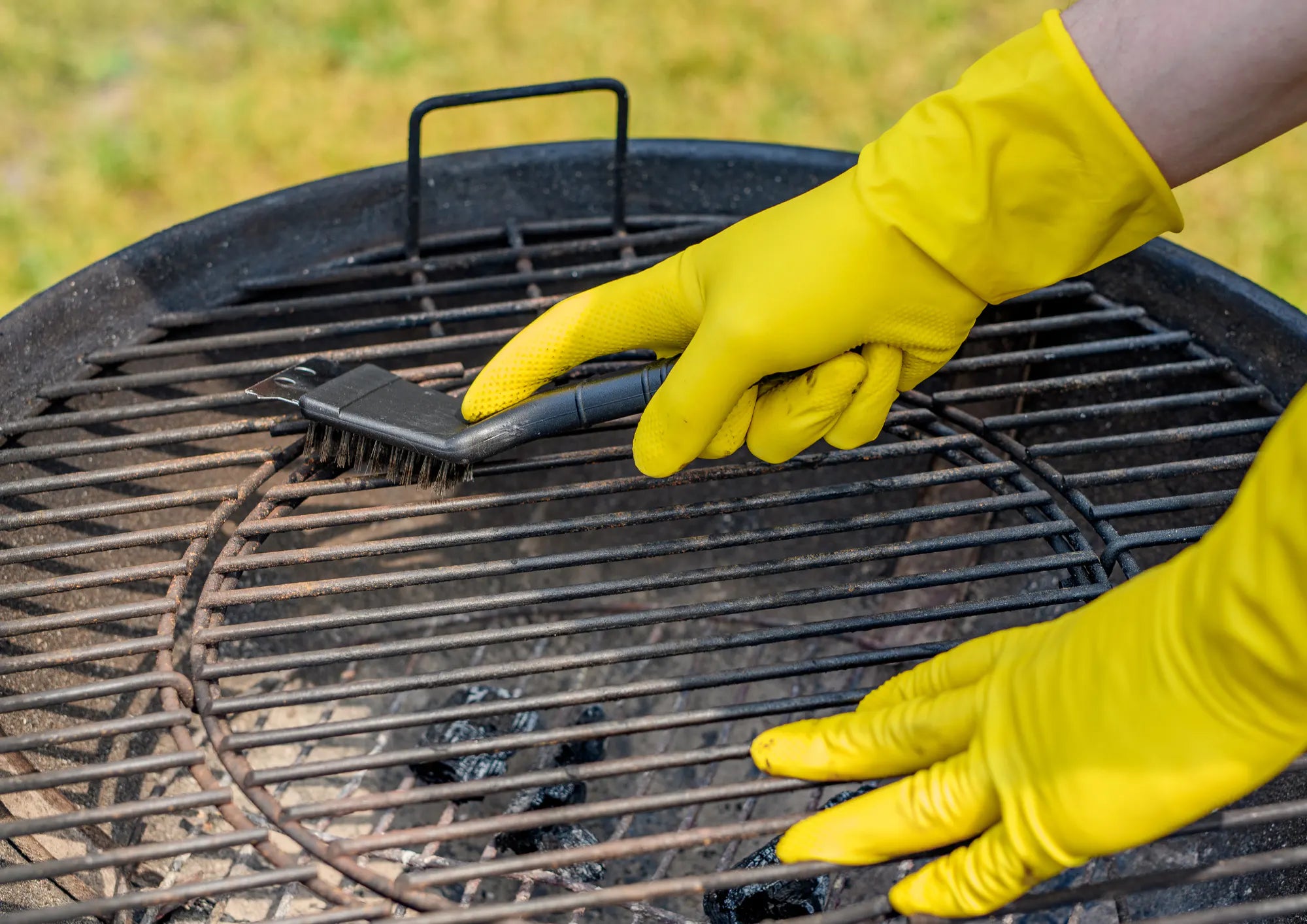
Soft brushes with nylon bristles are perfect for cleaning. They reach grooves without damaging the surface. Microfiber cloths also work well for wiping down grates. These tools remove stuck-on food gently. Clean the brush or cloth after use to avoid buildup. Regular cleaning keeps the grill grates in great shape.
Credit: themeatstick.com
Deep Cleaning Tips
Deep cleaning grill grates is essential for maintaining their non-stick quality. Regular cleaning can prevent buildup and enhance the cooking experience. Follow these tips to keep your grill grates in top condition.
Soaking The Grates
Start by removing the grates from the grill. Fill a large container or sink with hot water. Add dish soap to create a sudsy solution. Submerge the grates in the soapy water. Let them soak for 30 minutes. This helps loosen food and grease.
After soaking, scrub the grates with a stiff brush. Focus on the areas with visible buildup. Rinse the grates thoroughly with clean water. Ensure all soap residue is removed. Dry them completely before placing them back.
Handling Stubborn Residue
Stubborn residue needs extra attention. Create a paste using baking soda and water. Apply the paste to the tough spots on the grates. Let it sit for 15 minutes. This will help break down the residue.
Use a grill brush or scrub pad to remove the residue. Scrub in a circular motion for effective cleaning. Rinse the grates with warm water. Check for any remaining buildup. Repeat the process if necessary.
Drying And Maintenance
Drying and maintenance are key to preserving the non-stick coating on your grill grates. Moisture left on the grates can cause rust, and rough handling during maintenance might damage the coating. Taking care after cleaning extends the life of your grill and keeps your cooking surface safe and efficient.
Proper Drying Methods
After cleaning, wipe your grill grates thoroughly with a dry cloth to remove excess water. Air drying is helpful, but avoid leaving the grates exposed to humidity for too long. Using a hairdryer or heat from the grill itself can speed up the drying process without risking damage.
Have you ever noticed water spots or rust forming despite drying? This might mean your drying technique needs improvement. Experiment with gentle heat or microfiber towels to achieve a spotless, dry surface every time.
Preventing Rust And Damage
Rust can quickly ruin your grill grates, especially if the non-stick coating is compromised. To prevent this, apply a thin layer of cooking oil after drying. This creates a protective barrier against moisture and keeps the surface slick for your next cookout.
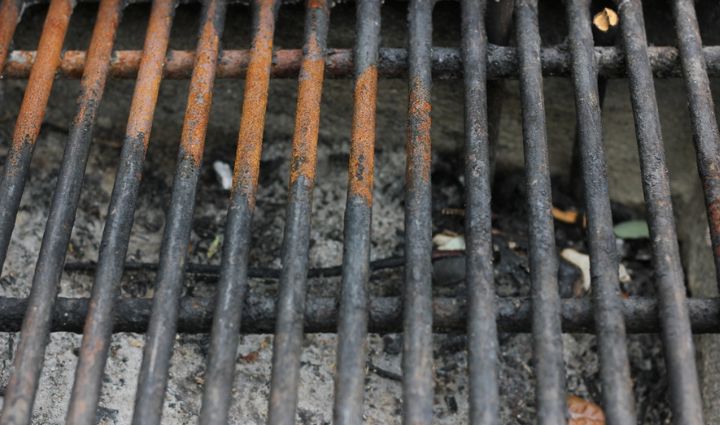
Store your grill grates in a dry place or cover your grill to avoid exposure to rain and humidity. Avoid using metal brushes or harsh scrubbing pads that can scratch the non-stick coating. Instead, use soft brushes or non-abrasive sponges designed for delicate surfaces.
Seasoning Your Grill Grates
Seasoning your grill grates is a simple yet essential step to keep your non-stick coating in top shape. It creates a protective layer that improves cooking performance and extends the life of your grill. Have you ever noticed how some grills resist food sticking better than others? That’s the power of proper seasoning.
Benefits Of Seasoning
Seasoning forms a natural barrier between your food and the grill grates. This barrier prevents rust and corrosion, which can ruin your grill’s surface over time. It also enhances the non-stick properties, making cleaning easier after every cookout.
Additionally, seasoning helps distribute heat evenly, so your food cooks consistently. You’ll save money by avoiding premature replacement or repairs of your grill grates. Plus, seasoned grates give your food those perfect grill marks without sticking or tearing.
Step-by-step Seasoning Process
- Clean the Grates:Start by scrubbing the grates with warm, soapy water to remove any dirt or residue. Dry them thoroughly to prevent rust.
- Apply Oil:Use a high smoke point oil like canola, vegetable, or grapeseed oil. Apply a thin, even layer to all surfaces of the grates using a cloth or paper towel.
- Heat the Grill:Preheat your grill to a medium-high temperature, around 400°F (204°C). Close the lid and let the oil bake into the grates for about 15-20 minutes.
- Cool Down:Turn off the grill and allow the grates to cool completely before using or storing them.
Would you believe that just a few minutes of this process can save you hours of scrubbing later? Seasoning isn’t a one-time task either. Repeating it regularly keeps your grill grates performing their best for every meal.
Common Mistakes To Avoid
Cleaning grill grates with a non-stick coating needs care and attention. Many people make mistakes that damage the coating. These errors reduce the life of your grill and make cooking harder. Avoid common pitfalls to keep your grill grates safe and working well.
Using Harsh Tools
Strong brushes or metal scrapers can scratch the non-stick surface. Once scratched, food sticks more and cleaning gets tougher. Use soft brushes or sponges instead. Avoid steel wool or sharp tools that chip the coating. Gentle cleaning protects the grill and keeps it smooth.
Ignoring Manufacturer Instructions
Each grill model has specific care rules. Ignoring these can cause damage or void the warranty. Always read the manual before cleaning. Follow the recommended cleaning products and techniques. This helps maintain the non-stick coating and ensures safe use.

Credit: flamery.co.uk
Credit: www.grillersspot.com
Frequently Asked Questions
How Do I Clean Grill Grates With Non-stick Coating?
Use a soft brush or sponge with warm, soapy water. Avoid metal scrubbers to prevent damage. Rinse and dry thoroughly after cleaning.
Can I Use Vinegar To Clean Non-stick Grill Grates?
Yes, vinegar can help remove grease and residue. Mix equal parts vinegar and water, spray on grates, and wipe gently.
How Often Should I Clean Non-stick Grill Grates?
Clean grates after every use to maintain the coating and prevent buildup. Regular cleaning extends the grill’s lifespan.
What Cleaning Tools Are Safe For Non-stick Grill Grates?
Use soft brushes, nylon scrubbers, or sponges. Avoid metal tools and harsh abrasives that can scratch the coating.
Conclusion
Cleaning grill grates with a non-stick coating keeps your grill safe and working well. Use gentle tools and mild cleaners to protect the coating. Regular cleaning stops food from sticking and keeps flavors fresh. Take care after each cookout to avoid buildup.
A clean grill means better cooking and longer grill life. Simple steps make a big difference. Enjoy grilling without worry or damage. Your grill will thank you.

