
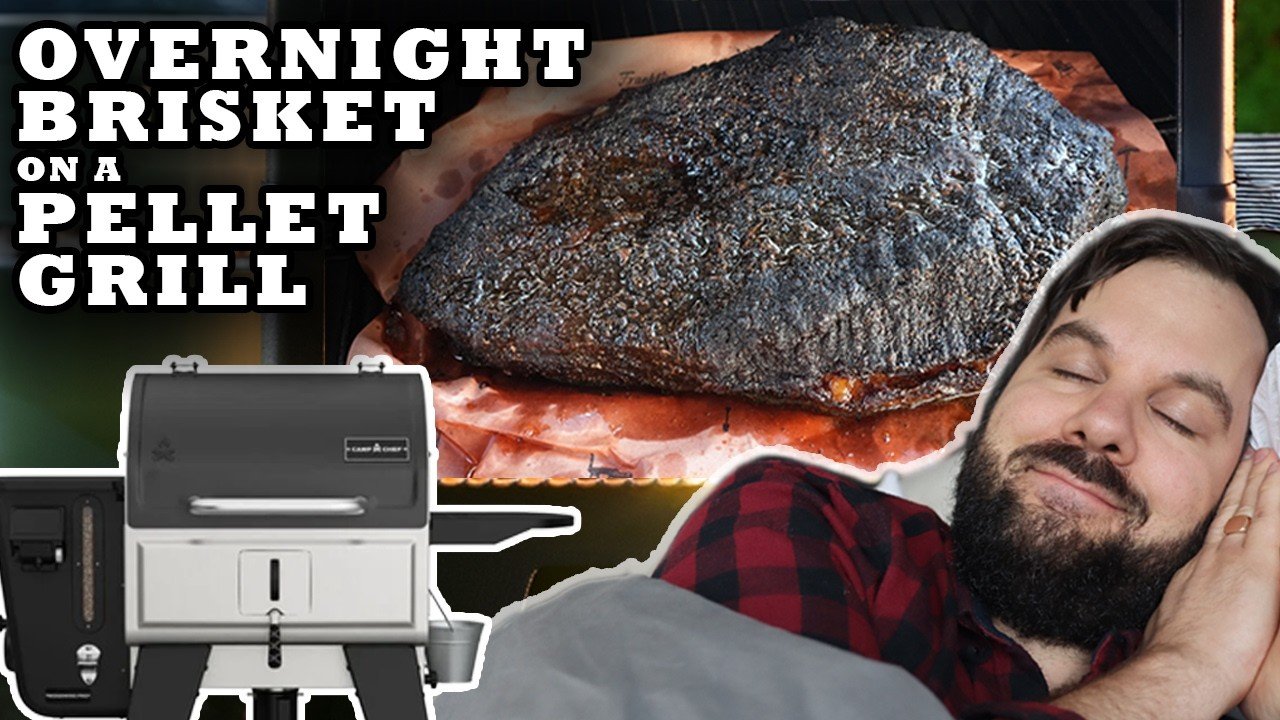
Want to master the art of smoking meat on a pellet smoker? You’re in the right place.
Whether you’re a beginner or looking to improve your skills, this guide will help you get juicy, flavorful results every time. Smoking meat on a pellet smoker might seem tricky, but with the right steps, you’ll impress your family and friends with mouth-watering dishes.
Ready to unlock the secrets to perfect smoked meat? Let’s dive in and make your next cookout unforgettable.

Credit: www.youtube.com
Choosing The Right Pellet Smoker
Choosing the right pellet smoker is the foundation of smoking great meat. The variety of options can feel overwhelming, but focusing on what fits your needs will make the process smoother and more enjoyable. Your smoker should match your cooking style, budget, and the type of meat you plan to smoke most often.
Popular Pellet Smoker Brands
Brands like Traeger, Camp Chef, and Pit Boss have earned solid reputations among home smokers. Traeger is known for its user-friendly design and wide availability, making it a favorite for beginners. Camp Chef offers robust build quality and precise temperature control, ideal for those who want more consistency.
Pit Boss stands out for its large cooking space and affordability, great for feeding a crowd without breaking the bank. Green Mountain Grills also deserves mention for its WiFi capabilities, letting you monitor your cook from anywhere. Have you considered how tech features could change your smoking experience?
Key Features To Consider
Look for a smoker with adjustable temperature control to handle different types of meat effectively. The hopper capacity matters—larger hoppers mean longer cook times without refilling pellets. Think about portability if you want to take your smoker to tailgates or camping trips.
Ease of cleaning is often overlooked but crucial for maintaining your smoker’s performance. Digital controls and WiFi connectivity add convenience, but don’t let flashy features distract you from basics like build quality and temperature consistency. What features would make your smoking sessions easier and more fun?
Setting Up Your Smoker
Once you select your pellet smoker, setting it up correctly ensures better results. Place the smoker on a flat, stable surface away from flammable materials. Assemble according to the manufacturer’s instructions, paying close attention to the pellet hopper and fire pot.
Before your first cook, run the smoker empty for about 30 minutes to burn off any residues from manufacturing. This step improves flavor and keeps your meat tasting clean. How will you prepare your smoker for the very first smoke?

Credit: www.youtube.com
Selecting The Best Wood Pellets
Selecting the best wood pellets can make or break your smoking experience on a pellet smoker. The right pellets not only fuel your smoker but also infuse your meat with distinct flavors that elevate every bite. Choosing pellets based on flavor, quality, and storage can help you master the art of smoking meat.
Flavor Profiles Of Different Woods
Each type of wood pellet offers a unique taste that complements different meats. For example, hickory pellets provide a strong, smoky flavor perfect for pork and ribs. Apple and cherry pellets add a mild, sweet fruitiness that works well with poultry and fish.
Mesquite pellets deliver a bold, intense smoke, great for beef and game meats but can overpower delicate flavors. Pecan offers a rich, nutty taste that pairs nicely with almost any type of meat. Understanding these flavor profiles helps you pick pellets that enhance your recipe rather than mask it.
Combining Pellets For Unique Tastes
Mixing different pellets can create flavor combinations tailored to your taste buds. You might try blending sweet apple with robust hickory for a balanced smoky-sweet finish. Or combine mesquite with pecan to add depth and complexity to your brisket.
Experiment with small batches to find your perfect mix. Keep notes on what works and what doesn’t. This approach turns your pellet smoker into a flavor lab, where you control every element of your meat’s final taste.
Storage Tips For Pellets
Pellets absorb moisture easily, which can ruin their burning quality and flavor. Store your pellets in airtight containers in a cool, dry place to keep them fresh longer. Avoid leaving bags open or exposed to humidity.
If you live in a humid area, consider using a dehumidifier or silica packets inside your pellet storage. Proper storage ensures consistent smoke output and flavor every time you fire up your smoker. Have you checked your pellet storage lately?
Preparing Meat For Smoking
Preparing your meat properly sets the foundation for flavorful and tender smoked dishes. Every step, from trimming to resting, influences how the smoke penetrates and enhances the meat. Taking the time to prepare correctly can turn a simple cut into a mouthwatering masterpiece.
Trimming And Seasoning
Start by trimming excess fat and silver skin from your meat. This helps the smoke reach the meat more evenly and prevents flare-ups. Leaving a thin layer of fat is okay—it adds moisture and flavor during smoking.
Seasoning is your chance to add character. Use salt and pepper as a base, but don’t hesitate to experiment with herbs and spices that complement your meat type. Have you tried adding a touch of garlic powder or smoked paprika to your rub? It can boost flavor without overwhelming the natural taste.
Applying Rubs And Marinades
Rubs add texture and a concentrated flavor crust, while marinades infuse moisture and tenderize the meat. When applying a dry rub, pat the meat dry first to ensure the rub sticks well. Massage the rub into every surface for consistent flavor.
Marinate tougher cuts for several hours or overnight in the fridge. This extra step can make a big difference in tenderness. Avoid sugary marinades right before smoking—they can burn and create a bitter taste.
Resting Meat Before Smoking
Let your meat rest at room temperature for about 30 to 60 minutes before placing it on the smoker. This step helps the meat cook more evenly and reduces shock from cold meat hitting hot smoke.
Have you noticed how skipping this rest can cause uneven cooking? Taking this simple pause lets the seasoning absorb deeper and prepares the meat to develop a beautiful bark. Patience here pays off in every bite.
Mastering Smoker Temperature Control
Master smoker temperature control to perfect meat smoking on a pellet smoker. Maintain steady heat for juicy, flavorful results. Adjust settings to enhance taste and texture effortlessly.
Mastering smoker temperature control is key for perfect smoked meat. A pellet smoker offers precise heat management. Yet, understanding how to maintain it is crucial. Consistency in temperature ensures even cooking. It also enhances the flavor of the meat. Let’s explore how to achieve this.Ideal Temperature Ranges For Various Meats
Each meat type requires a specific temperature range. For beef, aim for 225°F to 250°F. Poultry cooks well at 275°F to 300°F. Pork needs 225°F to 250°F for tenderness. These ranges help achieve the best taste and texture. Knowing them ensures a successful smoking session.Using Built-in Controls And Thermometers
Pellet smokers come with built-in controls. They make temperature adjustments easy. Use these controls to set desired heat levels. Built-in thermometers monitor internal temperatures. They provide real-time data. This helps in maintaining consistent heat. Accurate readings mean perfectly cooked meat every time.Managing Temperature Fluctuations
Temperature fluctuations can affect smoking results. Wind or weather changes might cause this. Keep the smoker lid closed as much as possible. Opening it frequently lets heat escape. Check fuel levels regularly. Low pellets can cause heat drops. Adjust settings to stabilize temperatures if needed.Smoking Techniques For Perfect Results
Mastering smoking techniques is essential for getting the best flavor and texture from your pellet smoker. These methods control how heat and smoke interact with your meat, ensuring it cooks evenly and stays juicy. Understanding these techniques will help you avoid common pitfalls and produce mouthwatering results every time.
Low And Slow Smoking
Smoking meat at low temperatures for a long time lets smoke deeply penetrate the meat while breaking down tough fibers. Keeping your pellet smoker between 225°F and 250°F is ideal for this process.
This slow cooking method helps produce tender, flavorful meat that melts in your mouth. Have you noticed how briskets or pork shoulders become so tender after hours? That’s the magic of low and slow smoking.
Using The Smoke Box And Water Pan
A smoke box adds extra wood chips or chunks for a richer smoke flavor, especially if your pellet smoker’s smoke output feels mild. Place it near the heat source to generate consistent smoke without burning the wood too fast.
The water pan is your best friend for moisture control. It keeps the air inside the smoker humid, preventing your meat from drying out during long smoking sessions.
Try filling a shallow pan with water and placing it beneath or beside the meat. This simple trick can make a noticeable difference in juiciness.
When To Wrap Meat
Wrapping meat in foil or butcher paper is a strategic move to speed up cooking and lock in moisture. But timing is key—you don’t want to wrap too early or you’ll lose that smoky bark.
A good rule is to wrap once the meat reaches an internal temperature of about 160°F to 170°F. At this point, the bark has formed, and wrapping helps push the meat through the “stall” where it seems to stop cooking.
Have you ever struggled with a dry brisket? Wrapping could be the technique you’re missing to keep your meat tender and juicy.
Monitoring Meat Doneness
Monitoring meat doneness is key to perfect smoked meat on a pellet smoker. It ensures the meat is safe to eat and tastes great. Overcooking dries the meat, while undercooking leaves it tough or unsafe. Use simple tools and senses to check doneness. This helps you enjoy juicy, tender smoked meat every time.
Using Meat Probes And Thermometers
Meat probes and thermometers give accurate internal temperature readings. Insert the probe into the thickest part of the meat. Avoid bones and fat, which can give false readings. Set the desired temperature based on the meat type:
- Chicken: 165°F (74°C)
- Pork: 145°F (63°C)
- Beef brisket: 195-205°F (90-96°C)
- Ribs: 190-203°F (88-95°C)
Many pellet smokers come with built-in probes. Wireless probes are handy for checking meat without opening the smoker. Keep the smoker closed to maintain steady heat.
Recognizing Visual And Tactile Cues
Visual clues help judge doneness when you don’t have a thermometer. Look for color changes:
- Chicken should be white inside, no pink.
- Pork turns from pink to light white or gray.
- Beef changes from red to brownish.
Touch the meat to check texture. Press it gently:
- Soft and squishy means rare.
- Firm but springy means medium.
- Very firm means well done.
Use these cues with temperature readings for best results.
Resting Meat After Smoking
Rest meat after smoking to keep juices inside. Wrap it loosely in foil and let it sit 10 to 20 minutes. This step makes the meat tender and juicy. Cutting too soon lets juices escape, causing dry meat. Resting also finishes the cooking process evenly.
Enhancing Flavor With Sauces And Glazes
Adding sauces and glazes to your smoked meat can transform the flavor profile and elevate your entire dish. These finishing touches bring moisture, shine, and an extra layer of complexity to the meat’s natural smoky taste. Understanding when and how to apply them is key to getting the best results without overpowering the smoke or drying out your meat.
Timing For Applying Sauces
Applying sauces too early can cause them to burn or become bitter. It’s best to wait until the final 30 minutes of smoking to brush on sauces or glazes. This allows the sugars to caramelize gently, creating a beautiful sticky coating without charring.
If you want a deeper glaze, apply multiple thin layers, letting each set before adding the next. Avoid slathering sauce on right at the start; the long cooking time breaks down the sauce’s flavor and texture.
Popular Sauce Recipes
- Classic BBQ Sauce:Tomato ketchup, apple cider vinegar, brown sugar, Worcestershire sauce, and smoked paprika.
- Honey Mustard Glaze:Honey, Dijon mustard, lemon juice, and a pinch of cayenne for heat.
- Asian-inspired Glaze:Soy sauce, hoisin sauce, garlic, ginger, and a touch of sesame oil.
- Spicy Chipotle Sauce:Chipotle peppers in adobo, tomato paste, garlic, and a splash of lime juice.
These sauces add distinct personality to your meat. Which flavor profile speaks to your taste buds?
Balancing Sweet And Savory
Sweetness in sauces helps cut through the richness of smoked meat. But too much sugar can mask the smoke’s delicate flavors or cause burning. Aim for a balance by pairing sweet ingredients like honey or brown sugar with savory elements like mustard, vinegar, or spices.
Adding acidity brightens the overall taste and prevents the sauce from feeling heavy. Taste your sauce before applying and think about how it complements the meat’s natural juices. What mix of sweet and savory will keep your smoked meat exciting every time?
Credit: m.youtube.com
Cleaning And Maintaining Your Pellet Smoker
Keeping your pellet smoker clean and well-maintained is key to getting the best flavor and extending its lifespan. Neglecting this part can lead to uneven cooking, pellet jams, or even damage to the smoker. Let’s look at practical ways you can keep your smoker in top shape, so every cookout is a success.
Routine Cleaning Steps
After each use, let your smoker cool down before starting the cleaning process. Remove the grill grates and scrape off any leftover food particles using a grill brush or scraper.
Empty the ash from the firepot and clean out the burn pot to prevent buildup that can affect airflow. Wipe down the interior walls with a damp cloth to remove grease and residue. Don’t forget to check the drip tray and clean it regularly to avoid flare-ups.
Preventing Pellet And Smoker Damage
Always use dry, high-quality pellets to prevent moisture buildup, which can cause pellets to clog the auger. Store your pellets in an airtight container to keep them dry and ready for use.
Check the seals around the smoker door and hopper regularly. Worn-out seals can let moisture and air in, compromising temperature control and pellet quality. If you notice any cracks or damage, replace the seals promptly.
Seasonal Maintenance Tips
At the start of each grilling season, give your pellet smoker a deep clean. Disassemble removable parts like the drip tray, grill grates, and heat deflector for thorough washing.
Inspect the electrical components and wiring for wear or corrosion. It’s also a good time to lubricate moving parts, such as the auger motor, to keep everything running smoothly.
Have you checked your smoker’s manual for manufacturer-recommended maintenance? Following those guidelines can save you from costly repairs later on.
Frequently Asked Questions
What Pellets Are Best For Smoking Meat On A Pellet Smoker?
Hardwood pellets like hickory, mesquite, apple, and cherry are best. They provide rich flavor and consistent smoke. Avoid softwood pellets as they produce harsh smoke and bad taste. Choose pellets based on the meat type for optimal flavor.
How Do I Control Temperature On A Pellet Smoker?
Set the desired temperature on the digital controller. The pellet smoker automatically feeds pellets to maintain it. Use a meat thermometer to monitor internal meat temperature. Avoid frequent lid opening to keep temperature steady.
How Long Does It Take To Smoke Meat On A Pellet Smoker?
Smoking time varies by meat type and thickness. Generally, it takes 1 to 1. 5 hours per pound at 225°F. Always use a thermometer to check the internal temperature for doneness.
Can I Smoke Different Meats Together On A Pellet Smoker?
Yes, you can smoke various meats simultaneously if they require similar temperatures. Keep meats separated to avoid cross-contamination. Monitor each meat’s internal temperature individually for best results.
Conclusion
Smoking meat on a pellet smoker takes patience and care. Choose good wood pellets and keep the temperature steady. Check the meat often to avoid overcooking. Let the smoke add flavor naturally. Enjoy the process as much as the taste.
With practice, your smoked meat will impress family and friends. Try different meats and recipes to find what you like best. Smoking meat is a fun way to cook outdoors. Keep learning and have fun with your pellet smoker.

