
If you love smoking meat, you know that temperature control is everything. Getting it just right can make the difference between juicy, tender results and dry, tough food.
But how exactly do you adjust the temperature on your smoker to hit that sweet spot? You’ll discover simple, practical steps that anyone can follow. Whether you’re a beginner or want to sharpen your skills, you’ll learn how to take full control of your smoker’s heat.
Keep reading, and you’ll soon be smoking like a pro!
Credit: www.artofmanliness.com
Choosing The Right Smoker
Choosing the right smoker is key to cooking perfect barbecue. Different smokers offer different ways to control heat and smoke. The right choice depends on your cooking style and how much effort you want to put in. Understanding types and fuel options helps you pick a smoker that fits your needs.
Types Of Smokers
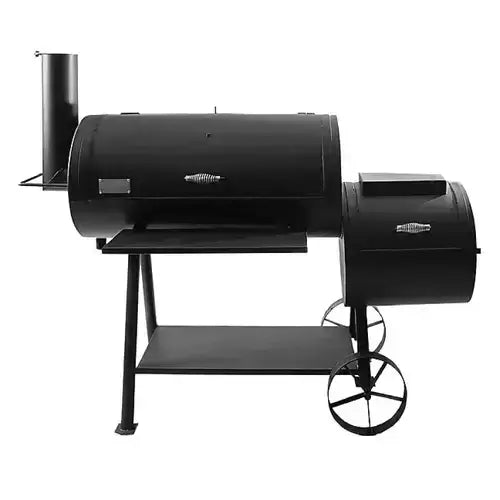
- Offset Smokers:These have a firebox attached to the side. You control temperature by adjusting air vents and fire size.
- Vertical Water Smokers:Heat comes from below, and water keeps the temperature steady. Good for slow cooking.
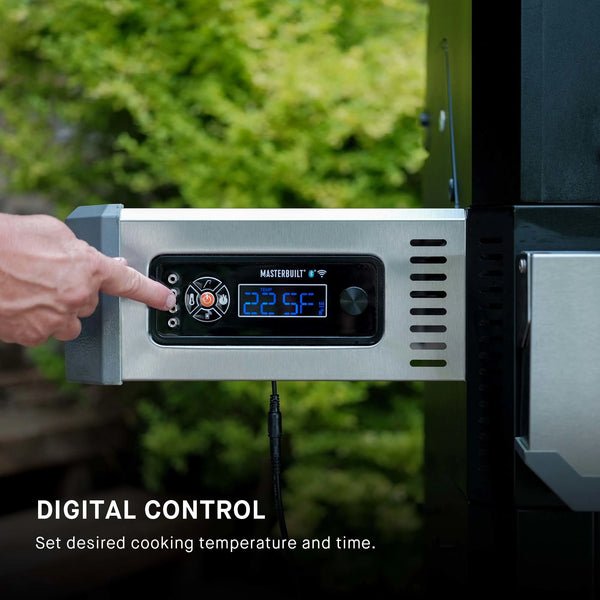
- Electric Smokers:Easy to use with digital controls. Temperature stays consistent with little effort.
- Pellet Smokers:Use wood pellets and a digital controller. Great for precise temperature control.
- Kamado Smokers:Made of ceramic. They hold heat well and use charcoal as fuel.
Fuel Options
- Charcoal:Offers rich smoky flavor but needs more attention to control temperature.
- Wood:Adds unique taste depending on the type of wood. Requires skill to maintain heat.
- Electric:Uses electricity to heat up. Easy to maintain steady temperature.
- Propane:Heats quickly and allows easy temperature control with knobs.
- Pellets:Made from compressed wood. Burn cleanly and provide consistent heat.
Setting Up Your Smoker
Setting up your smoker correctly is key to great cooking results. A good setup controls temperature and smoke flow. It starts with the right fuel, wood, and warming your smoker. These steps help keep steady heat for juicy, smoky food.
Preparing The Fuel
Choose dry charcoal or wood chunks for steady heat. Avoid wet or green wood; it creates bad smoke. Arrange fuel evenly in the firebox or charcoal tray. Leave space for air to flow freely. This helps maintain a stable temperature during cooking.
Arranging The Wood Chips
Select wood chips that match the flavor you want. Soak chips in water for 30 minutes to slow burning. Scatter them on top of hot coals or in a smoker box. Add more chips as needed to keep smoke going. Proper placement boosts smoky flavor without flare-ups.
Preheating Tips
Light your fuel and close all vents. Let the smoker heat up for 20-30 minutes. Check the temperature using a built-in gauge or external thermometer. Adjust vents to raise or lower heat. Preheating ensures the smoker is ready for steady cooking.
Controlling Airflow
Controlling airflow is key to managing your smoker’s temperature. Air feeds the fire and controls how hot it burns. Adjusting the airflow helps keep the heat steady and the smoke clean. Small changes to vents and dampers can change the cooking environment inside your smoker.
Using Vents And Dampers
Vents and dampers let air enter and leave the smoker. Opening the intake vent lets more air in. This increases oxygen and raises the temperature. Closing it lowers oxygen and cools the fire. The exhaust vent controls how air flows out. Adjusting it helps control smoke and heat inside.
Impact On Temperature
More air means a hotter fire. Less air means the fire cools down. Proper airflow keeps the fire burning steadily. Too much air causes the fire to burn too fast. Too little air can make the fire die out. Watch the temperature gauge and adjust vents slowly.
Adjusting For Wind
Wind can change how your smoker heats up. It can blow air into the vents or block airflow. Position your smoker where wind has less effect. Use windbreaks or shield vents to keep airflow steady. Adjust vents more often on windy days to keep temperature steady.
Credit: ddrbbqsupply.com
Monitoring Temperature
Adjusting the temperature on a smoker ensures perfect cooking results. Control the heat by using the vents. Keep the lid closed to maintain a stable environment.
Monitoring the temperature on your smoker is an essential skill that can make or break your barbecue experience. A well-monitored smoker ensures that your meat is cooked evenly and retains its juicy flavor. Mastering this skill can elevate your grilling game, leaving your guests impressed and your taste buds satisfied. But how do you keep a close eye on that crucial temperature? Let’s dive in.Best Thermometers To Use
Choosing the right thermometer can make all the difference. Digital thermometers are highly recommended for their accuracy and ease of use. They allow you to monitor the temperature without opening the smoker, preserving the heat inside. Some popular options include the ThermoPro TP20, known for its dual-probe feature, and the instant-read Thermapen MK4, which is perfect for quick checks. Consider what suits your budget and needs. A reliable thermometer is an investment that pays off in delicious results.Placement Inside The Smoker
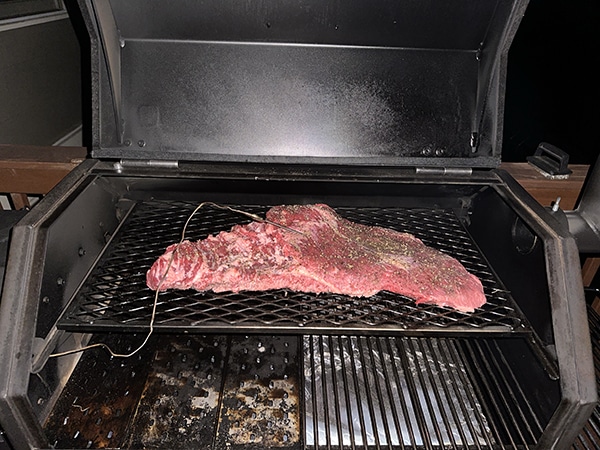
Where you place your thermometer probe inside the smoker is just as important as the device itself. Insert the probe into the thickest part of the meat, avoiding bones and fat, as they can give inaccurate readings. If you’re using a smoker with multiple racks, place a probe on each level to monitor the overall smoker temperature. This gives you a clearer picture of how your smoker is performing. Remember, consistency is key. Regularly check and adjust as needed to maintain the perfect cooking environment. Regular monitoring and adjustments ensure your meat cooks to perfection. Have you ever thought about how a small change in placement can impact your results? It’s often the little details that transform a good barbecue into a great one.Adjusting Heat Levels
Adjusting heat levels on your smoker is key to achieving perfectly cooked meat every time. It’s about finding the right balance between fuel, airflow, and moisture to keep the temperature steady. Small changes can make a big difference, so knowing how to control each factor gives you the confidence to cook like a pro.
Adding Fuel Gradually
Adding fuel little by little helps you avoid sudden temperature spikes. Instead of dumping a big pile of wood or charcoal at once, try adding small amounts every 30 to 45 minutes. This keeps the fire burning steadily and prevents your meat from drying out or burning.
I once added too much wood at once and ended up with a 50-degree jump in temperature that ruined my brisket’s texture. Since then, I add just a handful of wood chunks at a time and watch the temperature climb slowly.
Managing Fire Size
Controlling the size of your fire directly affects heat levels. Use the vents on your smoker to regulate airflow—more oxygen means a bigger fire and higher temperature. Close the vents slightly if the heat gets too high, or open them up if the fire is dying down.
Keep an eye on your fire size through the vents or smoke color. Thin, light smoke usually means a clean burn and proper airflow, while thick, dark smoke can signal too much fuel or poor combustion.
Using Water Pans
Water pans are a simple but effective tool to stabilize temperature inside your smoker. Placing a pan of water near the heat source adds moisture and absorbs excess heat, helping to smooth out temperature fluctuations.
Besides temperature control, water pans add humidity that keeps your meat juicy. If you notice your smoker’s temperature jumping too much, try using a water pan or topping off the water during long cooks to maintain consistent heat.
Troubleshooting Common Issues
Smokers can be tricky to control. Sometimes, the temperature does not stay steady. Smoke may not look right. The smoker might get too hot. These are common problems that can stop great cooking. Knowing how to fix these issues helps keep your food perfect. Here are some easy tips to solve these common troubles.
Temperature Fluctuations
Temperature changes often cause uneven cooking. Check the smoker’s vents. They should be open or closed just right. Too much air makes the fire hot. Too little air makes it cool down.
Keep the smoker lid closed as much as possible. Every time you open it, heat escapes. Use a good thermometer to watch the temperature closely.
- Adjust vents slowly to control airflow.
- Add small amounts of fuel to keep heat steady.
- Place water pans inside to help stabilize temperature.
Smoke Quality Problems
Bad smoke affects flavor. Thin or gray smoke means the fire is not clean. The wood may be wet or not burning well. Use dry, seasoned wood for better smoke.
Watch for thick, black smoke. It means too much fuel is burning fast. This can make food taste bitter. Adjust the air vents to help the fire burn cleaner and smoother.
- Use good quality wood chips or chunks.
- Avoid using softwood or treated wood.
- Keep the fire burning slowly for white smoke.
Dealing With Overheating
Overheating can burn food outside while leaving it raw inside. If the smoker gets too hot, close some vents to reduce oxygen. Move the food away from direct heat if possible.
Check the fuel supply. Too much charcoal or wood can raise the temperature quickly. Remove some fuel or let the fire burn down a bit.
- Lower vents to limit oxygen flow.
- Use water pans to cool the smoker.
- Keep an eye on the temperature gauge often.
Maintaining Consistent Heat
Keeping a steady temperature in your smoker is crucial for perfect results. Fluctuating heat can ruin the texture and flavor of your food. Maintaining consistent heat means you control the cooking process without constantly stressing over your smoker.
Regular Checks
Monitoring your smoker’s temperature often is key. Use a reliable thermometer to check the heat inside the cooking chamber every 15 to 30 minutes. This helps you catch any sudden drops or spikes early before they affect your food.
Don’t just rely on the built-in gauge; it might not always be accurate. I once lost a batch of ribs because I trusted my smoker’s dial without checking with a digital thermometer. That experience taught me the value of frequent, precise temperature checks.
Fuel Management Strategies
The type and amount of fuel you use directly impact how steady your smoker’s temperature stays. Use quality charcoal or wood that burns evenly and predictably. Avoid damp or green wood, as it can cause unpredictable heat and excess smoke.
To keep the heat steady, add fuel in small batches rather than all at once. This approach prevents sudden temperature spikes and allows you to maintain control. Try to plan your fuel additions ahead so you’re not scrambling mid-cook.
- Keep extra fuel close by but out of direct heat.
- Add a few charcoal pieces or wood chunks every hour or so.
- Adjust your air vents gradually to fine-tune the temperature.
Have you ever noticed how sudden gusts of wind affect your smoker’s heat? Positioning your smoker in a sheltered spot can also help maintain consistent temperature by minimizing airflow disruptions.

Credit: www.reddit.com
Tips For Perfect Bbq Results
Getting the temperature right on your smoker is only part of the journey to mouth-watering BBQ. How you manage your cooking time and handle the meat after it’s off the smoker plays a huge role in the final taste and texture. These tips will help you transform good BBQ into unforgettable BBQ.
Timing Your Cook
Patience is key when timing your cook. Low and slow often wins the race with smoking, but how do you know when it’s done? Using a reliable meat thermometer can save you from guesswork and dry meat.
Keep a close eye on the internal temperature rather than the clock. Different cuts and sizes need different times, so focus on temperature targets like 195°F for pulled pork or 160°F for brisket before wrapping. Have you ever pulled meat too early and ended up with a tough bite?
Adjust your smoker’s temperature slightly if the cook is going too fast or slow. This hands-on approach helps you avoid overcooking and keeps your BBQ juicy.
Resting Meat Properly
After all the hard work, resting your meat is where the magic finishes. Let your smoked meat rest for at least 15 to 30 minutes before slicing. This lets the juices redistribute inside the meat, making every bite tender and flavorful.
Wrap the meat loosely in foil to keep it warm without steaming it. If you slice too soon, those precious juices will spill out onto the cutting board. Have you noticed how resting changes the texture and taste?
Try resting your meat in a cooler or insulated container if you’re worried about losing heat. This simple step can make a big difference in your BBQ results.
Frequently Asked Questions
How Do I Control The Temperature On A Charcoal Smoker?
Control temperature by adjusting air vents. Open vents increase heat, close vents reduce it. Manage charcoal amount for steady heat.
What Is The Ideal Smoker Temperature For Beginners?
Start with 225°F to 250°F. This range offers consistent heat for most smoking recipes. It’s easier to maintain and learn.
How Often Should I Check Smoker Temperature?
Check every 30 minutes to 1 hour. Frequent checks ensure steady heat and prevent temperature spikes or drops.
Can I Adjust Temperature Without Opening The Smoker Lid?
Yes, use the air vents to control airflow. Avoid opening the lid often to maintain stable temperature.
Conclusion
Adjusting the temperature on your smoker is key to great BBQ. Keep an eye on vents and fuel to control heat. Small changes make a big difference in cooking results. Practice often to learn how your smoker behaves. Enjoy the process and tasty meals it creates.
With patience, you will feel confident managing temperature every time. Happy smoking!

