
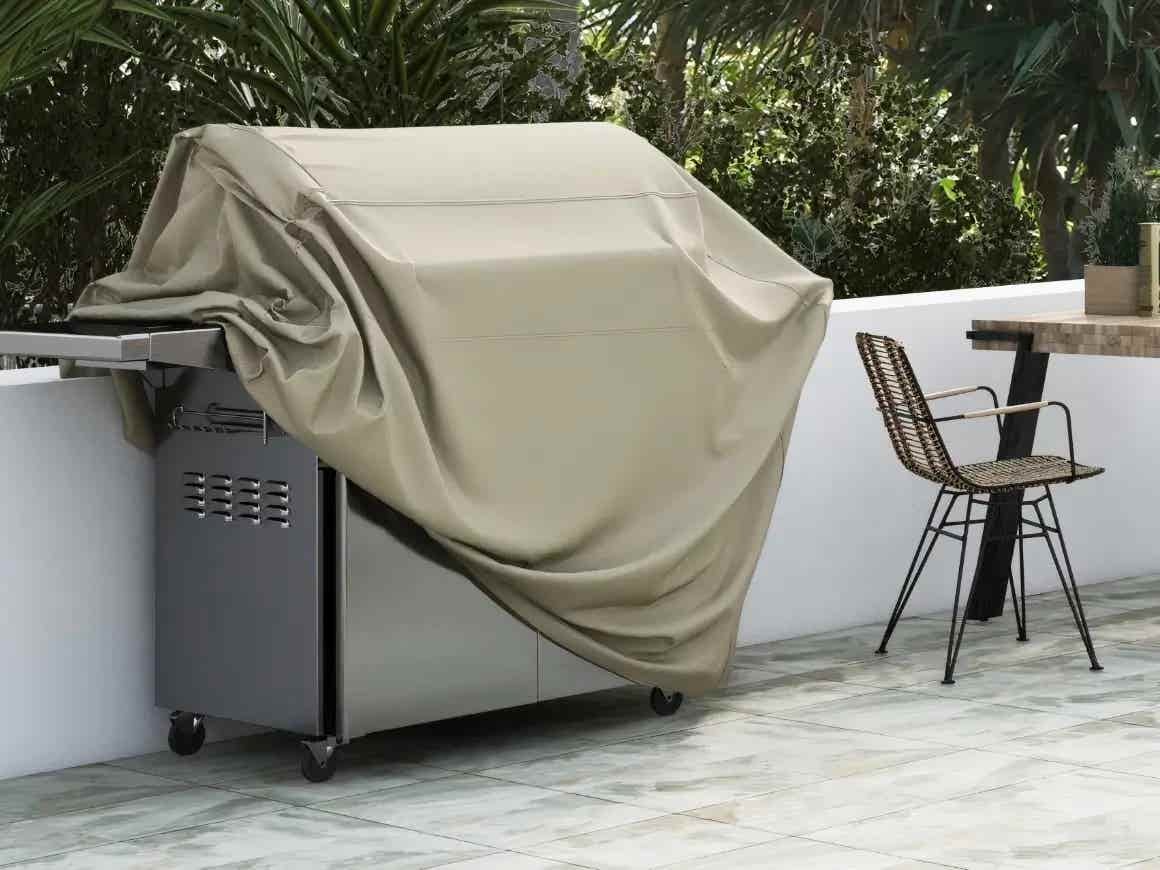
You love grilling, but rainy weather can quickly put a stop to your plans. What if you could protect your grill and keep it ready for your next cookout, no matter the weather?
Using a grill cover in rainy conditions is the simplest way to shield your investment from rust, dirt, and damage. You’ll discover easy steps to use your grill cover effectively and keep your grill in top shape. Keep reading to learn how a little extra care can save you time, money, and frustration.

Credit: themeatstick.com
Choosing The Right Grill Cover
Choosing the right grill cover is key to protecting your grill during rainy weather. It keeps your grill dry and free from rust. A good cover extends your grill’s life and saves money on repairs. Focus on material, size, and weatherproof features to pick the best one.
Material Matters
Look for covers made of durable materials like heavy-duty polyester or vinyl. These fabrics resist water and prevent tears. A cover with a soft inner lining protects the grill’s finish. Avoid thin or cheap materials that wear out quickly.
Size And Fit
Measure your grill before buying a cover. The cover should fit snugly without being too tight or loose. A proper fit stops rain from seeping under the cover. Many covers come in different sizes for grills of all shapes.
Weatherproof Features
Choose covers with waterproof coatings to block rain effectively. Look for UV protection to prevent sun damage. Ventilation panels help stop moisture buildup and mold. Adjustable straps or drawstrings keep the cover secure in wind.
Preparing Your Grill Before Covering
Preparing your grill before covering it in rainy weather is essential to protect it from rust and damage. Taking a few simple steps can extend your grill’s life and keep it ready for your next barbecue. Skipping these preparations may lead to moisture buildup and costly repairs.
Clean And Dry The Grill
Start by thoroughly cleaning your grill to remove grease, food particles, and dirt. Use a grill brush and warm soapy water to scrub the grates and surfaces. After cleaning, wipe everything down and let your grill dry completely to prevent moisture from getting trapped under the cover.
Have you ever noticed mold or rust spots after covering a damp grill? That’s exactly what you want to avoid by drying it well.
Check For Damage
Inspect your grill for any signs of damage such as rust, loose parts, or cracks. Address these issues before covering the grill so rainwater doesn’t worsen the problem. Tighten screws and fix small rust spots with a grill-safe paint or rust remover.
Ignoring minor damage can turn a small repair into a major expense. A quick check now saves you frustration later.
Remove Accessories
Take off any detachable accessories like side shelves, thermometers, or warming racks. These parts can trap water or get damaged if left on. Store them indoors or in a dry place to keep them in good condition.
Have you ever found your grill thermometer broken after a storm? Removing accessories keeps them safe and ready to use next time.
Properly Covering Your Grill
Properly covering your grill protects it from rain damage and rust. A good cover keeps moisture away and extends grill life. Using the right techniques ensures your grill stays dry and ready for use.
Securing The Cover
Choose a cover that fits your grill snugly. Use straps, ties, or elastic bands to hold the cover in place. This prevents the cover from blowing away in strong winds. Make sure the cover covers all parts of the grill, including the legs.
Avoiding Water Traps
Do not let water pool on top of the cover. Smooth out wrinkles and folds to allow water to run off. If the cover has a sloped design, place it correctly to avoid water collecting. Remove standing water immediately to prevent mold and mildew.
Ensuring Ventilation
Look for covers with built-in vents or mesh panels. Ventilation stops moisture buildup under the cover. Proper airflow prevents rust and mold inside the grill. Avoid sealing the grill too tightly; some air should circulate.
Credit: www.coversandall.co.uk
Maintenance Tips During Rainy Season
Maintaining your grill cover during the rainy season is crucial. It ensures your grill stays protected and extends the cover’s lifespan. Follow these simple tips to keep your grill cover in top condition.
Regular Inspections
Inspect your grill cover regularly for any damage. Check for tears, holes, or weakened areas. These can let moisture in, causing rust on your grill. Address any issues immediately to prevent further damage.
Drying The Cover
After rain, dry the cover thoroughly. A wet cover can lead to mold and mildew. Use a towel to wipe off excess water. Hang the cover in a dry place, ensuring it dries completely.
Storing The Cover When Not In Use
Store the cover properly when not in use. Fold it neatly to avoid creases. Store in a cool, dry place to prevent moisture buildup. Use a storage bag for extra protection against dust and moisture.
Common Mistakes To Avoid
Using a grill cover in rainy weather is essential to protect your investment. However, many grill owners unknowingly make mistakes that reduce the cover’s effectiveness and even damage their grill. Avoiding these common errors will keep your grill safe and ready for your next barbecue session.
Using A Wet Cover
Placing a wet cover on your grill might seem harmless, but it traps moisture underneath. This can lead to rust and mildew growth on both the grill and the cover itself. Always make sure your grill cover is completely dry before putting it on; if it rains while the cover is on, remove it and let both dry thoroughly.
Ignoring Fit Issues
A cover that doesn’t fit properly won’t protect your grill effectively. If it’s too loose, wind can lift it, letting rain in. If it’s too tight, it can cause wear and tear on the cover or the grill’s finish. Take a moment to check your cover’s size and shape—does it snugly fit your grill’s dimensions? Investing in a cover designed for your grill model can make a big difference.
Neglecting Grill Cleaning
Putting a cover over a dirty grill traps grease, food particles, and moisture inside. This creates a perfect environment for corrosion and unpleasant odors. Before covering your grill, give it a quick clean to remove debris and moisture. You’ll extend the life of both your grill and the cover, saving you money and hassle in the long run.
Credit: www.coversandall.com
Frequently Asked Questions
How Do I Protect My Grill Cover From Rain Damage?
Use a waterproof grill cover designed for rainy weather. Ensure it fits snugly to prevent water seepage and secure it with straps or ties. This keeps moisture out, preventing rust and mold on your grill.
Can I Leave My Grill Cover On During Heavy Rain?
Yes, but ensure the cover is waterproof and properly secured. Heavy rain can pool on loose covers, so tighten it to prevent water accumulation and protect your grill effectively.
How Often Should I Clean My Grill Cover In Rainy Weather?
Clean your grill cover monthly during rainy seasons. Use mild soap and water to remove dirt and mildew. Dry it completely before placing it back to prevent mold growth.
What Materials Are Best For Grill Covers In Rain?
Look for covers made from waterproof polyester, vinyl, or heavy-duty canvas with a waterproof coating. These materials resist water, prevent rust, and extend your grill’s lifespan in wet conditions.
Conclusion
Using a grill cover during rainy weather protects your grill well. It keeps rain, dirt, and dust away. This helps your grill last longer and work better. Always choose a cover that fits your grill size. Remember to dry the grill before covering it.
Check the cover often for holes or wear. Taking these small steps saves you money and time. Keep your grill ready for the next barbecue, rain or shine. Simple care makes a big difference.

