
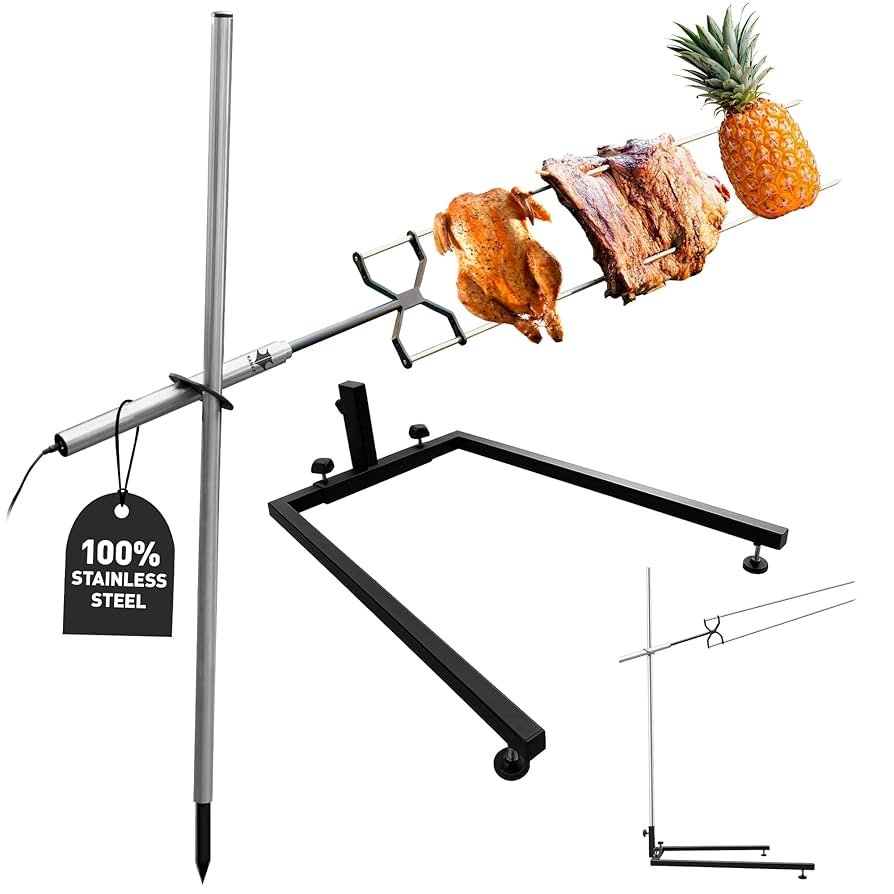
Are you ready to take your cooking to the next level? Using a rotisserie kit can transform ordinary meals into juicy, flavorful dishes that impress everyone at your table.
But if you’ve never used one before, it might seem tricky or confusing. Don’t worry—this guide will show you exactly how to use your rotisserie kit step-by-step. By the end, you’ll feel confident and excited to create mouthwatering meals that keep everyone asking for seconds.
Keep reading, and discover the simple secrets to mastering your rotisserie kit!
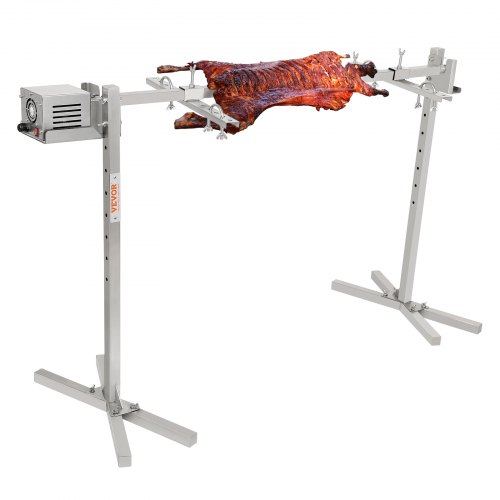
Credit: www.vevor.com
Choosing The Right Rotisserie Kit
Choosing the right rotisserie kit can make a big difference in your grilling experience. It’s not just about picking any kit off the shelf. You want one that fits your grill and meets your cooking style.
Types Of Rotisserie Kits
Rotisserie kits come in different styles. Some kits have a motor that attaches to your grill, turning the spit automatically. Others are manual, where you turn the spit by hand.
You’ll find full kits with forks and skewers included, or basic models that need extra parts. Some kits are designed for heavy loads, perfect for large chickens or whole roasts. Consider what you plan to cook most often to decide which type suits you best.
Essential Features To Look For
Look for a motor that runs quietly and steadily. A noisy or inconsistent motor can ruin your cooking. Check if the kit includes sturdy forks and a strong spit rod—these keep your food secure and balanced.
Also, pay attention to materials. Stainless steel parts resist rust and heat better, lasting longer. Adjustable speed settings are a bonus if you want more control over cooking times.
Compatibility With Grills
Not all rotisserie kits fit every grill. Measure your grill’s width and height before buying. Some kits are made for specific grill brands or models, while others offer universal fits.
Think about how the kit mounts to your grill. It should attach firmly without damaging the grill’s structure. If you use a charcoal grill, check if the kit works well with its shape and airflow.
Setting Up Your Rotisserie Kit
Setting up your rotisserie kit correctly is crucial for a smooth cooking experience and perfectly even roasting. Taking the time to assemble each part carefully ensures your meat turns out juicy and cooked to perfection. Let’s break down the setup process into simple, clear steps so you can get your rotisserie ready without any hassle.
Assembling The Components
Start by laying out all the parts of your rotisserie kit on a clean surface. You should have a spit rod, forks, motor, and mounting brackets. Check that nothing is missing or damaged before you begin.
Attach the forks to the spit rod by sliding them on and tightening the screws. Make sure they are secure because they will hold the meat firmly in place during cooking. If the forks move, your meat could slip or cook unevenly.
Mounting The Motor
The motor powers the rotisserie’s rotation, so it needs to be mounted firmly. Find the motor bracket on your grill or rotisserie frame and fix the motor in place according to the instructions.
Ensure the motor’s drive gear aligns perfectly with the spit rod’s gear or collar. Misalignment can cause the rod to slip or the motor to strain, which might lead to uneven cooking or damage. Test the motor by turning it on briefly—does the rod spin smoothly?
Securing The Spit Rod
Once the motor is mounted, slide the spit rod with the attached meat into the grill. The rod should fit snugly into the motor’s drive gear on one side and the support bracket on the other.
Use the locking mechanism on the support bracket to hold the spit rod firmly in place. A loose rod can wobble or fall during cooking, ruining your roast. Try turning the rod by hand to check if it stays steady and rotates without resistance.
Preparing Food For Rotisserie Cooking
Preparing food for rotisserie cooking ensures juicy, flavorful results. The right preparation helps the food cook evenly on the spit. It also enhances taste and texture. This section covers selecting cuts, seasoning, and trussing techniques.
Selecting The Best Cuts
Choose cuts that hold well on the rotisserie spit. Whole chickens, pork shoulders, and beef roasts work best. Avoid very thin or delicate cuts. These may cook too fast or fall apart. Look for cuts with some fat to keep meat moist. Larger pieces cook more evenly and absorb flavors better.
Seasoning And Marinating Tips
Season the meat well before cooking. Use dry rubs or marinades to add flavor. Marinades with oil, acid, and herbs penetrate the meat deeply. Let meat marinate for at least 2 hours or overnight. Pat the meat dry before placing it on the spit. This helps the seasoning stick and promotes browning.
Trussing For Even Cooking
Trussing secures the meat on the spit and ensures even cooking. Use kitchen twine to tie the meat tightly but not too tight. Keep the shape compact and balanced. This prevents the meat from spinning unevenly. Trussing also helps retain juices during cooking.
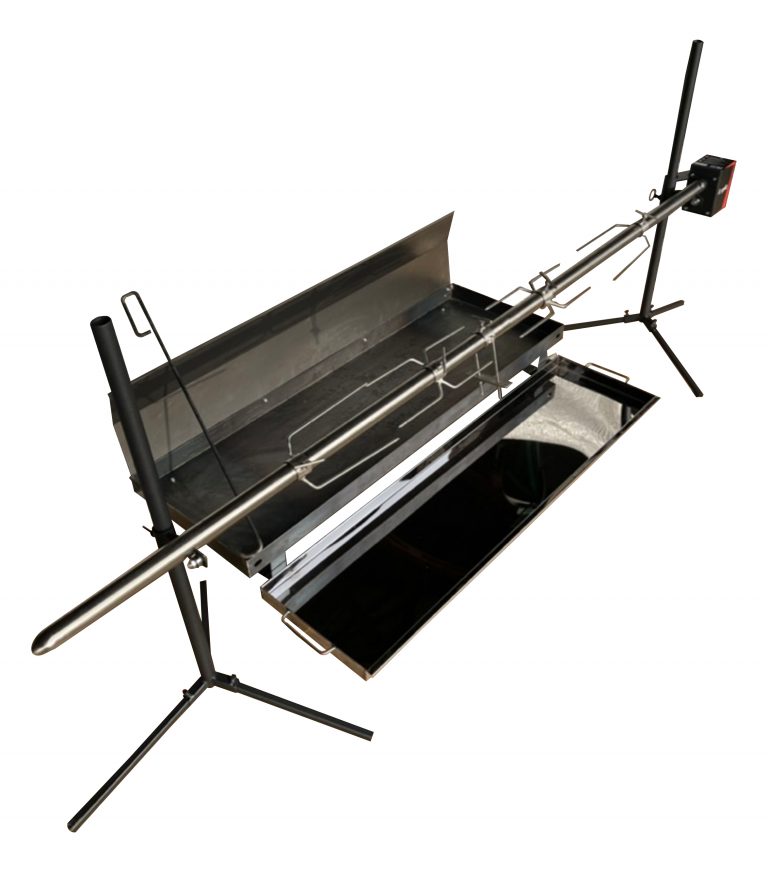
Credit: r-grill.com
Grilling Techniques With A Rotisserie
Using a rotisserie kit brings out rich flavors in your food. The rotating spit ensures even cooking, creating juicy and tender results. Mastering rotisserie grilling techniques can enhance your culinary creations.
Controlling Heat And Temperature
Maintain consistent heat for even cooking. Adjust the grill vents to regulate airflow. This controls the temperature effectively. Use a meat thermometer to check the internal temperature.
Balancing Cooking Time
Cooking time varies with meat type and size. Large cuts require more time to cook fully. Test meat periodically to avoid overcooking. This ensures the meat remains juicy and flavorful.
Using Drip Pans And Basting
Place a drip pan beneath the meat to catch juices. This prevents flare-ups and keeps the grill clean. Basting adds moisture and enhances flavor. Use a brush to apply basting sauces regularly.
Maintaining And Cleaning The Kit
Maintaining and cleaning your rotisserie kit is key to keeping it in top shape and ensuring every meal tastes great. Neglecting this routine can lead to rust, sticky parts, or even uneven cooking. Taking a little time after each use helps your kit last longer and work smoothly every time.
Safe Cleaning Practices
Start by unplugging any electrical components and allowing the kit to cool completely. Use warm, soapy water and a soft sponge to clean the spit rod and forks—avoid abrasive scrubbers that can scratch the surface. For stubborn grease, soak parts in hot water before scrubbing gently.
Never submerge the motor or electrical parts in water. Instead, wipe them down with a damp cloth and dry immediately. Have you noticed how a quick wipe can prevent grime buildup? Staying consistent here saves you from tougher cleaning later.
Lubricating Moving Parts
Keeping the motor and rotating joints well-lubricated prevents squeaks and ensures smooth operation. Use a food-safe lubricant designed for kitchen appliances, applying just a small amount to the gears and pivot points. Too much oil can attract dust and dirt, so less is more.
After a few uses, check if the spit rod spins easily. If it feels stiff, a little lubrication can make a big difference. Have you ever tried running your kit without this step? It’s surprising how much smoother it works with a bit of care.
Storage Tips
Store your rotisserie kit in a dry, cool place to avoid rust and damage. Disassemble the parts and wipe them down before storing to keep everything clean. Wrapping the spit rod and forks in a cloth can protect them from scratches.
Do you have a special spot in your kitchen for tools like this? Keeping your kit organized not only saves space but also makes it easier to grab when hunger strikes. A little planning goes a long way for your next barbecue session.

Credit: www.bbqguys.com
Troubleshooting Common Issues
Troubles with a rotisserie kit can disrupt cooking. Common problems include uneven cooking, motor issues, and food slipping off the spit. Knowing how to fix these issues keeps your meals perfect.
Uneven Cooking Problems
Uneven cooking happens when heat does not spread evenly. Check that the food is balanced on the spit. Rotate the spit smoothly without stopping.
Adjust the heat source to avoid hot or cold spots. Use a drip pan to catch juices and keep heat steady.
Motor Malfunctions
The motor may stop turning or run too slowly. Ensure the motor is plugged in properly. Clean any grease or dirt blocking the motor.
Test the motor before cooking. Replace worn belts or gears for smooth operation.
Food Slipping On The Spit
Food can slip if not secured tightly. Use clamps or forks to hold the food firmly. Tighten all screws and fasteners on the spit.
Wrap the food with kitchen twine if needed. Check the spit for any bends or damage that cause slipping.
Frequently Asked Questions
What Is A Rotisserie Kit Used For?
A rotisserie kit helps evenly cook meat by rotating it on a spit. It ensures juicy, tender results. It’s ideal for roasting chicken, beef, and pork. This method locks in flavors and reduces the risk of burning or drying out.
How Do I Assemble A Rotisserie Kit?
First, attach the spit rod to the motor. Secure the forks on both ends of the meat. Place the rod inside the grill’s rotisserie bracket. Make sure it spins freely without touching other parts. Tighten all screws for stability before cooking.
What Foods Can I Cook With A Rotisserie Kit?
You can cook whole chickens, turkeys, roasts, and kebabs. It’s perfect for evenly cooking larger cuts of meat. Vegetables like peppers and onions can also be roasted. The slow rotation helps develop rich flavors and crispy skin.
How Long Should I Cook Meat On A Rotisserie?
Cooking time varies by meat type and size. Generally, cook chicken for about 20 minutes per pound. Beef roasts may take 15-20 minutes per pound. Always use a meat thermometer to ensure safe internal temperatures.
Conclusion
Using a rotisserie kit makes cooking meat easy and fun. It helps cook food evenly and keeps it juicy. You just need to prepare the meat, secure it on the spit, and turn it slowly. This method saves time and gives great flavor.
Enjoy tasty meals with little effort. Try it for your next barbecue or family dinner. Rotisserie cooking can bring new tastes to your kitchen. Give it a go and see the difference yourself.

